If your Kenmore washing machine fills with water and agitates but refuses to spin, you are dealing with one of the most common appliance failures in home maintenance. The frustrating part? Nearly 80% of these no-spin issues stem from just three inexpensive components that you can replace yourself in under an hour. A faulty lid switch accounts for roughly half of all cases, while a broken motor coupler and drain pump clogs make up most of the rest. The good news is that most repairs cost between $5 and $50 in parts, saving you the $150 or more a service technician would charge.
This guide walks you through every major cause of a Kenmore washing machine not spinning, from the most common culprits to the less frequent electrical issues. You will learn exactly how to diagnose each problem, what to look for during inspection, and step-by-step repair instructions tailored to your specific model type.
Lid Switch Failure: The Primary Culprit
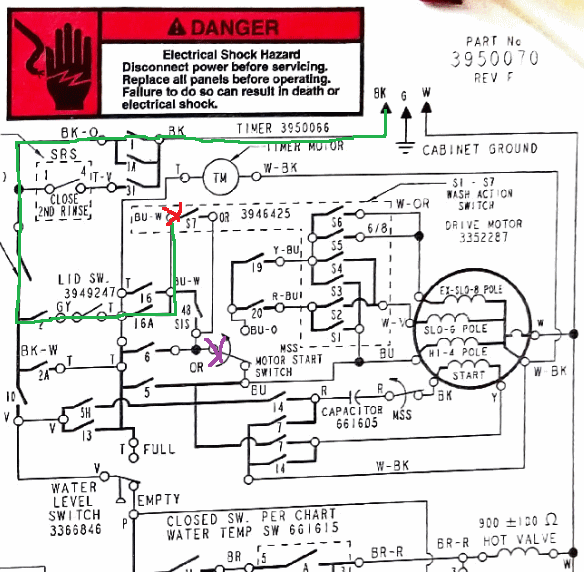
A failed lid switch is responsible for approximately 50% of all Kenmore washing machine not spinning problems. This safety component prevents the drum from spinning whenever the lid is open. When it fails, even slightly, the control board believes the lid remains open and blocks the spin cycle entirely.
Identifying Lid Switch Problems
On older mechanical models, closing the lid should produce a distinct audible click. If you hear nothing, the internal plunger is likely broken or misaligned. On newer digital models, watch for a flashing “Lid Lock” indicator on the display, which signals the machine does not recognize the lid as closed.
Testing the Switch with a Multimeter
Unplug your washer before beginning any electrical testing. Access the switch, which is located either under the control panel or near the lid hinge. Disconnect the wiring harness and set your multimeter to continuity mode. Probe the two outer terminals on the switch connector. When the lid is closed (switch pressed), you should get a continuity reading (the multimeter will beep). When the lid is open (switch released), you should get no continuity. No continuity when pressed means the switch is dead and needs replacement.
Replacing the Lid Switch
The replacement process takes approximately 15 minutes and costs between $15 and $45 for the part. Remove the screws securing the top panel, unclip the old switch, and plug in the new one. Reassemble the panel and test the machine. As a temporary test hack, you can use a staple to bridge the two outer wires at the connector. If the washer spins with this bypass, the lid switch is confirmed faulty. Never operate the machine long-term with a bypassed safety switch.
Motor Coupler Failure in Direct-Drive Models

If you own a Kenmore Series 80 or 90 direct-drive model, a failed motor coupler is a leading cause of your Kenmore washing machine not spinning issue. This component accounts for roughly 13% of no-spin cases in these models. The motor coupler is a sacrificial rubber-and-plastic component connecting the motor shaft to the transmission input shaft, designed to break under extreme load to protect more expensive parts.
Recognizing Coupler Failure Symptoms
Listen carefully during the spin cycle. If the motor hums loudly but the drum remains completely still, the coupler has likely failed. Check beneath the washer for black rubber dust or white plastic shavings, which are telltale signs of coupler degradation. The machine may still agitate but fail entirely during the spin phase.
Inspecting and Replacing the Coupler
Unplug the washer and either tilt it backward or remove the cabinet to access the underside. Locate the coupler between the motor and transmission, positioned behind the drain pump. Even if the outer rubber appears intact, the inner plastic hubs may be sheared or spinning freely on the shafts. A worn center hole with smooth rounded edges (instead of flat spots) indicates the coupler cannot grip the shafts.
Replacement costs between $5 and $25, and the repair takes 10 to 30 minutes. Remove the motor and pump, pull off the broken coupler pieces, and press the new coupler halves fully onto both the motor and transmission shafts. Reinstall the motor and pump, ensuring perfect alignment. Improper seating is the most common reason for premature re-failure.
Drive Belt Problems in Belt-Drive Models
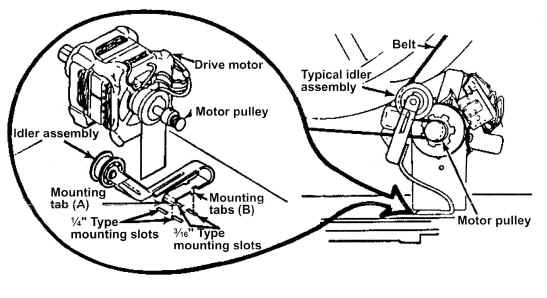
In belt-drive Kenmore models, a worn or broken drive belt causes approximately 35% of spin failures. The belt transfers power from the motor to the drum, and if it is loose, cracked, or has come off the pulley, spinning stops completely.
Belt Damage Warning Signs
The motor may run, but the tub remains still. Inspect the belt for visible cracks, fraying, or glazing (a shiny, melted appearance). The belt might be hanging loose or completely off the pulley. You may also hear a clicking or slapping sound during startup.
Checking Belt Tension and Condition
Unplug the washer and remove the bottom front or rear panel to access the belt path around the motor and drive pulley. Press on the belt midway between the pulleys. You are looking for approximately half an inch of deflection. Too loose means it slips. Too tight risks damaging motor bearings.
Replace the belt if you see any wear, even if it still functions. The cost is $15 to $30, and the job takes 20 to 30 minutes. Loosen the motor mounting bolts to release tension, slide the old belt off, loop the new belt over the pulleys, and re-tension before tightening the motor bolts.
Shift Actuator Issues in VMW Models
For Kenmore Vertical Modular Washers (Series 100, 300, and 500), a faulty shift actuator is a frequent cause of a Kenmore washing machine not spinning. This small motor shifts the transmission between agitate and spin modes while monitoring tub speed through an optical sensor.
Actuator Failure Symptoms
The machine agitates fine but refuses to spin. You might hear grinding or whirring noises during the cycle transition. Error codes F7E1 (speed sensor fault) or F7E5 (shifter problem) may appear. Notably, the machine may spin perfectly in diagnostic mode but fail during normal cycles.
Running Diagnostic Mode
Enter diagnostic mode using the specific button combination for your model (check your manual). Run the diagnostic to check for stored fault codes. If F7E1 or F7E5 appear, the actuator or its optical sensor is likely faulty.
Replacing the Shift Actuator
Replacement costs between $30 and $80. The critical step is calibration after installation using the diagnostic sequence. Failure to calibrate results in continued malfunction. If you are uncomfortable with diagnostic mode procedures, consider professional assistance for this repair.
Drain Pump Blockage
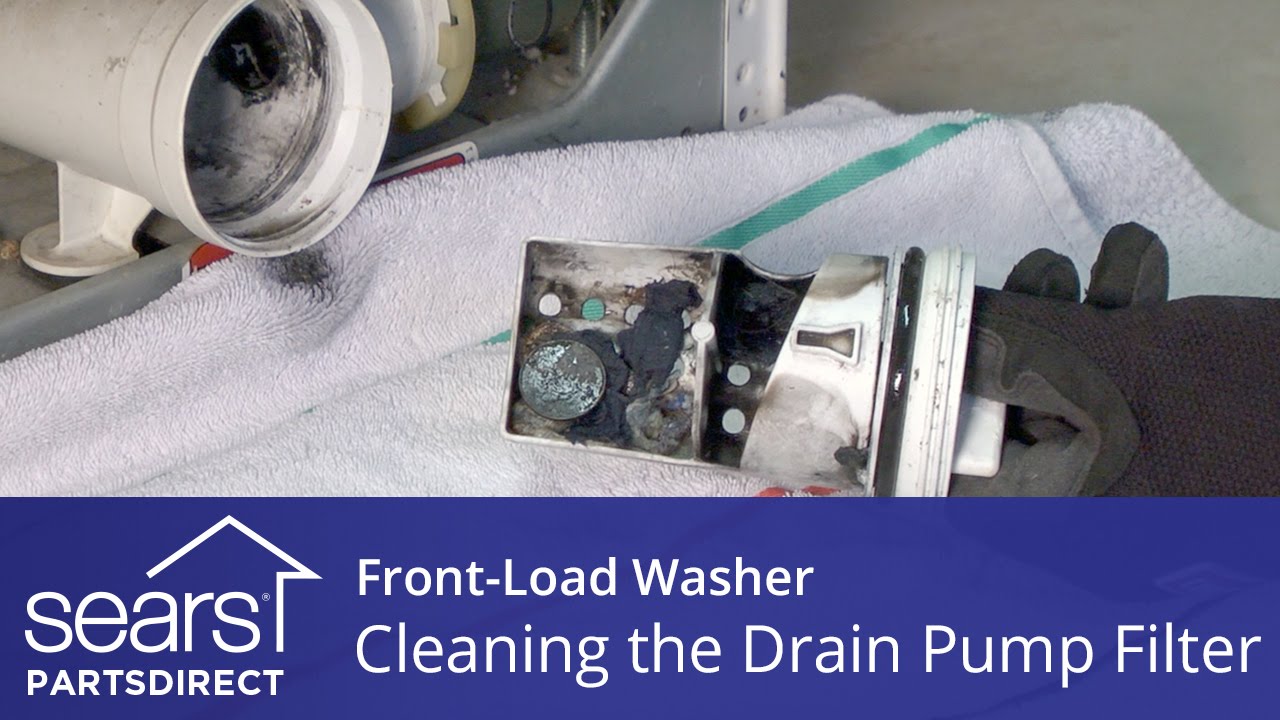
A clogged drain pump can also stop your Kenmore washing machine from spinning. The washer detects standing water and locks out the spin cycle as a safety measure when drainage is impaired.
Signs of Pump Blockage
The washer does not drain or spins very weakly. You hear a loud humming during spin attempts. Water remains in the tub after the cycle ends.
Clearing the Pump
Unplug the washer, turn off the water supply, and place towels underneath. Locate the pump (usually at the bottom front), disconnect the hoses (expect water spill), and remove the pump cover. Pull out debris such as socks, coins, or bra wires. Test by spinning the impeller by hand. It should rotate freely. This fix takes about 10 minutes and costs nothing if you already have basic tools.
Clutch and Drive Block Wear
If the motor and coupler are functioning but the drum still will not spin, inspect the clutch assembly or drive block.
Clutch Failure Indicators
The motor runs, the coupler is intact, but the basket does not engage. Clothes come out soaking wet. The clutch housing spins while the inner basket stays still. Replace the clutch kit (approximately $20). Worn friction pads or oil contamination from a transmission leak are common causes.
Drive Block Problems
Metal clanking during spin indicates drive block damage. The spin tube turns while the drum does not. This is caused by rust, soap scum, or broken tabs. Repair requires tub disassembly, which is moderate difficulty.
Electrical Issues: Capacitor and Control Board
Motor Capacitor Failure
The start capacitor provides initial torque to the motor. If it fails, you hear a persistent hum but no movement. Use a multimeter to check microfarads (µF). Replace if the reading is 10% below the rated value or shows open/short. Capacitor replacement costs under $10.
Control Board Problems
Control board failure is rare but possible. Symptoms include intermittent spin failure with no clear mechanical pattern, no error codes despite component issues, and the board misreading sensor signals. If you have tested the lid switch, actuator, motor, and pump and all are functional, the main control board may be faulty. This is an advanced repair where professional help is recommended.
Load and Leveling Problems
Unbalanced or Overloaded Drum
The washer stops mid-spin due to imbalance detection. Redistribute heavy items like towels and jeans. Do not overload. Keep the drum no more than three-quarters full.
Machine Not Level
Excessive vibration triggers false imbalance sensors. Use a level and adjust the front leveling legs until the washer is stable and does not rock.
Quick Diagnostic Workflow
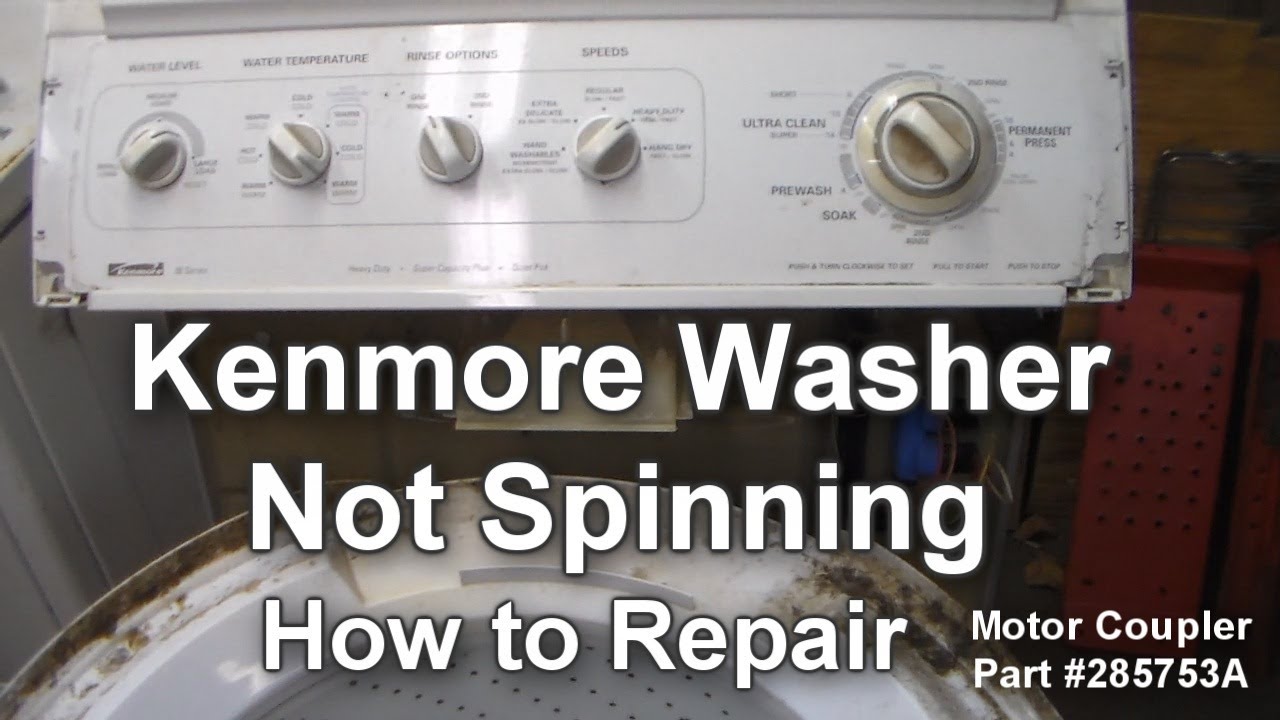
Use this priority checklist to identify your Kenmore washing machine not spinning issue efficiently. First, check load balance and machine level. Second, test the lid switch using the click test and multimeter. Third, verify drainage and unclog the pump if needed. Fourth, inspect the drive system (belt for belt-drive models, motor coupler for direct-drive). Fifth, run diagnostic mode for VMW models and look for F7E1 or F7E5 codes. Sixth, test the capacitor and check for debris under the agitator. Seventh, inspect the clutch or drive block if the machine still will not spin. Eighth, replace the motor, transmission, or control board only as a last resort.
Frequently Asked Questions About Kenmore Washing Machine Not Spinning
Why does my Kenmore washer fill and agitate but not spin?
This pattern almost always points to a lid switch issue. The machine thinks the lid is open, which prevents the spin cycle from engaging. Test the lid switch with a multimeter or listen for a click when closing the lid.
Can I fix a Kenmore washing machine not spinning myself?
Yes. Most causes, including lid switch, motor coupler, drive belt, and drain pump clogs, are DIY-friendly repairs costing $5 to $50. Only advanced electrical issues or major component failures typically require professional service.
How much does it cost to repair a Kenmore washer that will not spin?
The majority of repairs cost between $5 and $50 for parts. Lid switches run $15 to $45, motor couplers $5 to $25, and drive belts $15 to $30. Professional service calls typically cost $150 or more.
My Kenmore 800 series only spins after I push the drum. What’s wrong?
This behavior strongly suggests a worn motor coupler. The coupler is slipping and cannot transfer enough torque to start the drum independently. It may also indicate a failing motor that needs extra torque to overcome initial inertia.
Does a Kenmore washer need to be level to spin properly?
Yes. An unlevel washer triggers imbalance sensors that halt the spin cycle. Use a level to check and adjust the front leveling legs until the machine is stable and does not rock during operation.
Key Takeaways for Fixing Your Kenmore Washing Machine Not Spinning
Most Kenmore washing machine not spinning issues are caused by simple, low-cost components that you can replace yourself. The lid switch accounts for roughly half of all cases, making it the first thing to check. The motor coupler and drain pump combined make up most of the remaining common causes. With basic tools and this guide, you can diagnose and repair the problem in under an hour, keeping your laundry routine on track and your repair budget intact. Always unplug the machine before starting any repair, and when in doubt, consult your model’s manual or a certified technician.