You pull a load of laundry from your washing machine only to find black streaks, specks, or spots marring your clothes, especially noticeable on white shirts, towels, and bedding. These black marks from washing machine cycles aren’t just frustrating; they signal an underlying issue that won’t go away on its own. Ignoring them can lead to worsening stains, damaged fabrics, and even permanent machine failure.
The good news? In most cases, these marks stem from preventable causes like mold buildup, deteriorating parts, or detergent residue. This guide walks you through how to identify the source, clean your machine effectively, and prevent future staining using verified methods.
Identify the Source of Black Marks on Laundry
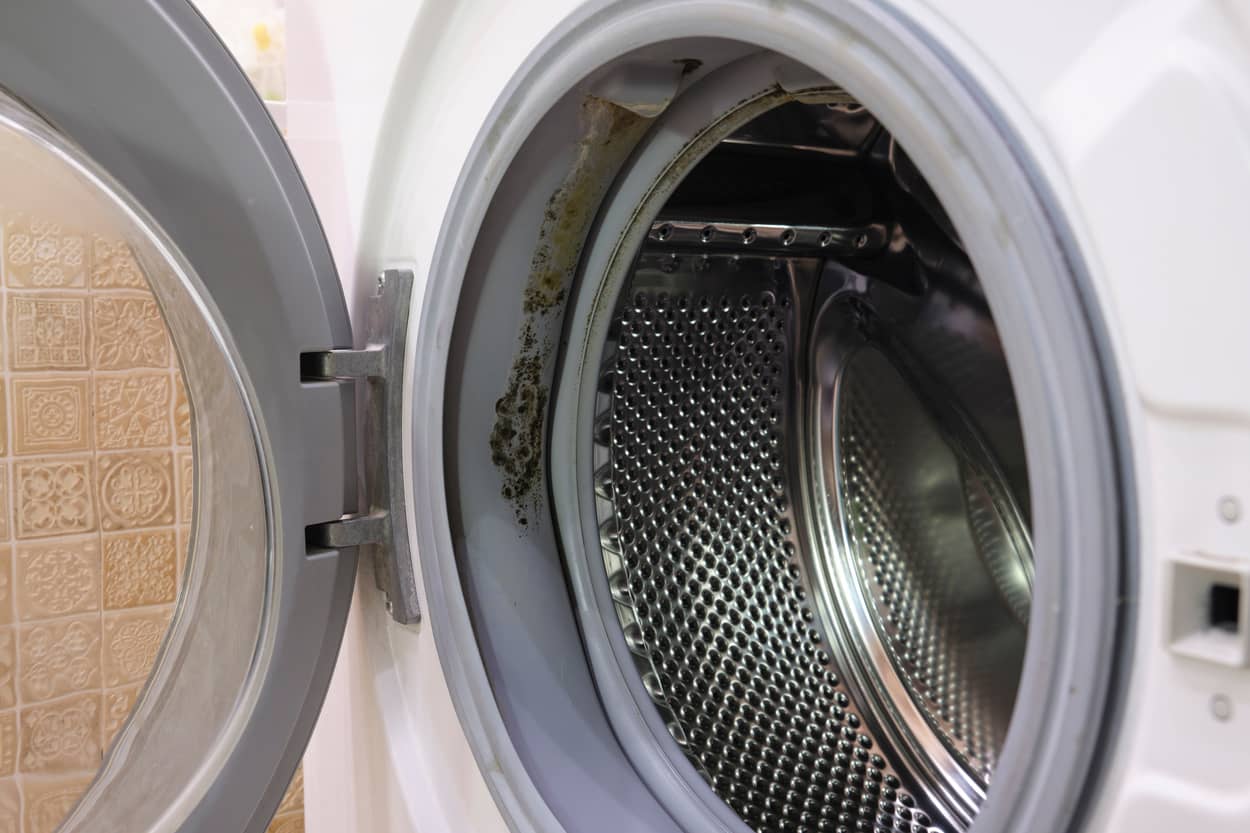
Before cleaning, determine what is causing the black marks. The solution depends entirely on whether the issue is contamination like dirt and mold, or mechanical failure like crumbling seals and agitator damage.
Check for Re-Deposited Dirt vs. Part Failure
Black specks that smear or scrape off with a fingernail usually mean re-deposited grime, mold, sludge, or trapped dirt being washed back onto clothes. If the particles are hard plastic or rubber shards, a component is physically breaking down.
Use this quick diagnostic approach. Wipe the drum and seal with a white cloth. If it comes away black, contamination is active. Inspect the agitator base on top-loaders or door gasket on front-loaders for cracks, fraying, or crumbling material. Clean the pump filter, and if it is full of black sludge, buildup is likely the culprit.
Look for Hidden Contamination Zones
Debris hides where water sits. Check behind the detergent drawer, inside the drain pump housing, in crevices of the rubber door seal, and under the agitator cap. Pull back the folds of the door seal and check for fuzzy black mold. Remove the detergent drawer and scrub the compartment beneath. These areas trap moisture and organic matter, creating a breeding ground for mold that transfers to clothes.
Clean the Drum with Hot Wash Cycles

The fastest way to remove built-up grime is a high-temperature deep clean using washing powder.
Run a 90°C Powder Wash
Follow these steps for effective deep cleaning. Empty the drum with no clothes or towels. Add a full dose of regular washing powder, not liquid. Set the cycle to 90°C or 194°F, the hottest setting available. Run a full wash including rinse and spin phases.
Repeat this cycle two to three times if stains persist. Powder is more effective than liquid at suspending and removing entrenched dirt and biofilm.
Flush Out Loose Residue
After hot washes, run one to two rinse-only cycles with no detergent. This flushes loosened debris from hoses and the sump, preventing it from recirculating onto your next load.
Treat Mold and Mineral Buildup
Even after hot washing, mineral deposits and mold may linger. A vinegar treatment breaks them down effectively.
Use White Vinegar for Deep Sanitizing
Pour one cup of white vinegar into the drum or detergent drawer. Run a hot cycle at 60°C or higher with no clothes. Let the vinegar soak for 30 minutes mid-cycle for better results. Vinegar dissolves soap scum, softens mineral scale, and kills mold spores. It is especially effective if you live in a hard water area or use fabric softener regularly.
Clean the Detergent Drawer and Seal
Remove the detergent drawer and soak it in hot water. Scrub with a brush to remove caked-on residue. Wipe the door seal thoroughly, pulling back folds to clean hidden crevices. Dry both completely before reassembling. This step stops mold from re-establishing in damp, hidden zones.
Inspect and Replace Damaged Parts

If cleaning does not stop the marks, a mechanical part may be failing and requires attention.
Replace a Cracked Door Seal
Front-loader owners: the rubber bellow or gasket around the door often cracks over time. As it degrades, it sheds black particles into the wash.
Signs of failure include visible cracks or holes in the rubber, black residue that returns quickly after cleaning, and fraying along the inner rim. Replace the seal to fix this issue. It is a DIY-friendly job for most models, taking 30 to 60 minutes. Search for your model number plus “replace door seal” for video guides.
Repair a Failing Agitator on Top-Loaders
Some top-loading machines have a black plastic piece at the base of the agitator that becomes brittle and crumbles over time.
Symptoms include black plastic shards in the drum, streaks that do not wipe off, and visible wear under the agitator cap. Remove the cap, usually with a screw or pull, inspect the base, and replace broken parts. Replacement kits cost $15 to $30 and can be found online.
Prevent Future Black Marks

Once clean, maintain your machine to avoid recurrence and keep your laundry spotless.
Run Monthly Maintenance Cycles
Set a reminder to run a 90°C wash with washing powder once a month. Use vinegar every two to three months for descaling. This prevents the long-term buildup that leads to staining, especially if you usually wash at 30°C or 40°C.
Switch to Powder Detergent
Liquid detergents contain enzymes that can feed mold in damp environments. Users report fewer black specks after switching to washing powder, which also cleans more aggressively during hot cycles. Reduce fabric softener use as well. It coats the drum and traps dirt, creating a sludge that turns black over time.
Dry the Machine After Each Use
Wipe the door seal with a dry cloth after every cycle. Leave the door open between cycles to air out the drum. Remove wet clothes immediately after the cycle ends. This simple habit prevents mold growth and keeps the interior dry.
When to Call a Technician
If you have run multiple hot powder washes, cleaned the pump, seal, and drawer, and replaced worn parts but black marks still appear, the issue may be deeper.
Damaged drum bearings leaking grease, cracks between inner and outer drum trapping debris, or deteriorating internal hoses could be the culprit. These require professional disassembly and repair. In older machines, replacement may be more cost-effective than extensive repairs.
Final Checklist: Stop Black Marks for Good
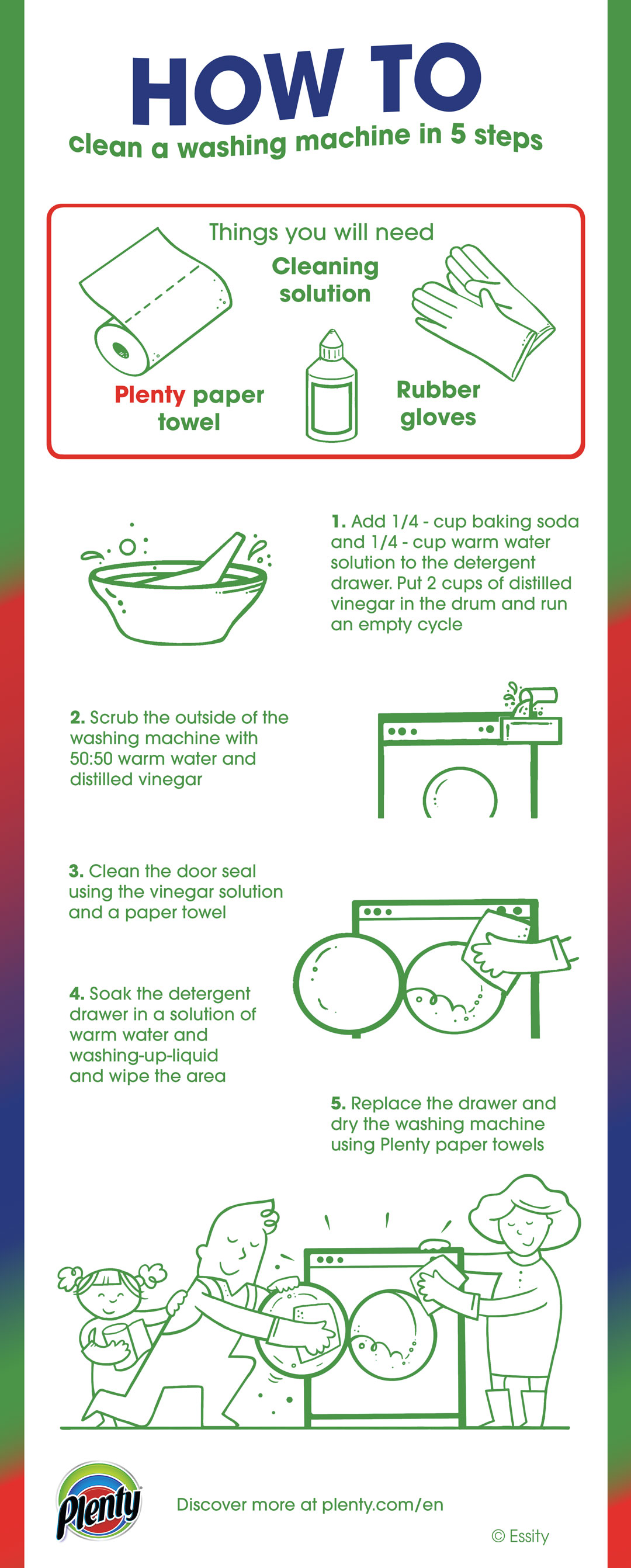
Inspect drum, seal, agitator, and filter. Wipe gasket and drawer with a white cloth and check for transfer. Run two to three hot 90°C cycles with washing powder. Flush with rinse cycles. Treat with one cup of vinegar on hot cycle. Clean pump filter and hidden crevices. Switch to powder detergent and reduce softener. Wipe seal dry and leave door open after use. Replace damaged seal or agitator if needed. Call a technician if stains persist.
Frequently Asked Questions About Black Marks from Washing Machine
What causes black marks to appear on clothes after washing?
Black marks typically come from two sources. Re-deposited dirt means mold, sludge, or trapped grime inside the machine is being washed back onto clothes. Material degradation means rubber seals or plastic agitator parts are breaking down and shedding particles.
Can I scrape black marks off my clothes?
If the marks scrape off with your fingernail, the cause is likely re-deposited dirt or mold rather than permanent fabric damage or dye transfer. This indicates the problem is in your machine, not your clothes.
Why is washing powder better than liquid detergent for preventing black marks?
Washing powder is more effective at breaking down and suspending entrenched dirt and biofilm during hot cycles. Liquid detergents contain enzymes that can encourage mold growth in damp environments, making them less ideal for preventing black marks.
How often should I run a hot maintenance cycle?
Run a 90°C wash with washing powder once a month as a maintenance measure. This prevents long-term buildup that causes black marks, especially if you primarily wash at lower temperatures.
Do I need to leave the washing machine door open between cycles?
Yes. Leaving the door open allows the interior to dry completely, which prevents mold growth in the damp environment. Wipe the door seal dry with a cloth after each use as well.
When should I call a professional for black marks?
If you have thoroughly cleaned the machine, replaced damaged seals or agitator parts, and black marks still persist, the issue may be damaged drum bearings, internal cracks, or severe blockages between the inner and outer drum. These require professional repair.
Key Takeaways for Eliminating Black Marks from Your Washing Machine
Black marks from washing machine cycles are fixable in 90% of cases with proper cleaning and maintenance. The key is acting early before buildup becomes entrenched or parts fail completely.
Start by diagnosing whether the issue is contamination or mechanical failure. Run multiple 90°C washes with washing powder, treat with vinegar, and manually clean the door seal, detergent drawer, and pump filter. Switch to powder detergent, reduce fabric softener, and keep the door open between cycles to prevent recurrence.
By maintaining your machine regularly and addressing problems promptly, you will protect your clothes and extend your washing machine is life for years to come.