Your Kenmore washing machine fills, agitates, but won’t drain, leaving a tub full of dirty water. This is one of the most common appliance problems affecting both front-load and top-load models. The good news? Over 95% of drainage issues stem from just a few key components that you can diagnose and fix yourself, often in under an hour and for less than $40.
This guide delivers a step-by-step troubleshooting plan based on real repair data. You’ll learn how to safely identify the root cause, avoid costly service calls, and get your washer running again. Let’s dive into the most effective fixes, starting with the most likely culprits.
Clean the Drain Pump Filter First

Front-load Kenmore washers rely on a small but critical filter to catch debris before it jams the pump. When blocked, even a powerful pump cannot move water. Cleaning this filter resolves 70% of front-loader drain failures.
How to Remove and Clean the Filter
- Unplug the washer and turn off nearby water valves if needed.
- Place towels and a shallow pan under the front lower panel to catch draining water.
- Open the access panel by unscrewing a kick plate or removing a round cap with a Torx T20 screwdriver.
- Slowly twist the filter cap counterclockwise. Water will spill out immediately, so go slow.
- Pull out the filter and remove lint, coins, hair, bra underwires, or small items.
- Inspect the impeller behind the filter. Spin it gently. Good impellers show slight magnetic resistance. Bad impellers won’t turn at all or spin freely with zero resistance, indicating a broken shaft.
- Reinstall the filter, tighten clockwise, and close the panel.
Pro Tip: Clean the filter every 6 months. Socks, buttons, and even $20 in change have been found. Bra underwires can slice pump blades, so handle carefully.
When the Filter Is Not the Issue
If the filter is clean but the washer still won’t drain, the problem lies deeper. Move to inspecting the drain pump motor or internal hoses.
Test the Drain Pump Motor

Even with a clean filter, the drain pump itself can fail. This applies to all Kenmore models, especially 796-series (LG-built) and Elite front-loaders.
Listen for Pump Sounds
A humming sound during the drain cycle means power is reaching the pump, but the impeller is blocked or seized. Silence indicates no power reaching the motor or a completely dead motor.
Check the Impeller Manually
- Access the pump from the front bottom or rear panel.
- Locate the impeller, the fan-like blade inside the pump.
- Spin it by hand. Normal operation shows slight resistance. A seized impeller won’t move at all. A broken shaft spins freely with zero resistance, which is common in 796-series models.
Test Pump Resistance with a Multimeter
- Unplug the washer.
- Disconnect the pump’s electrical connector.
- Set the multimeter to Ohms (Ω).
- Touch the probes to the pump’s terminals. A reading of 5 to 25 ohms means the pump is good. A reading of OL (Open Loop) or 0 ohms indicates a dead pump that needs replacement.
Fix: Replace the entire pump. Sealed units cannot be repaired. Expect to pay $30 to $60. Match your model number exactly when ordering.
Diagnose the Lid or Door Switch

For top-load Kenmore washers, particularly 80 and 90 Series models, a faulty lid switch is the number one reason for drain and spin failure. This safety feature prevents spinning when the lid is open.
Symptoms of a Bad Lid Switch
The washer fills and agitates but stops at the drain and spin phase. You may hear no clicking sound when closing the lid. The door stays locked after the cycle ends. Replacing the lid switch fixes 80% of top-loader drain issues.
How to Test Lid Switch Continuity
- Unplug the washer.
- Remove the console by unscrewing 2 to 4 screws or releasing snap clips.
- Locate the switch, usually centered under the lid.
- Use a multimeter in continuity mode. Touch the probes to the gray and white wires, ignoring the green ground wire.
- With the lid closed, the multimeter should beep, indicating continuity. With the lid open, it should not beep. No beep when closed means the switch is bad.
Replace the Lid Switch
- Unplug the washer and remove the mounting screws.
- Swap the wiring harness to the new switch.
- Reassemble the console.
Cost: $10 to $40. Warning: Never permanently bypass the switch. It is a critical safety feature that prevents injury.
Inspect the Drain Hose for Clogs and Kinks
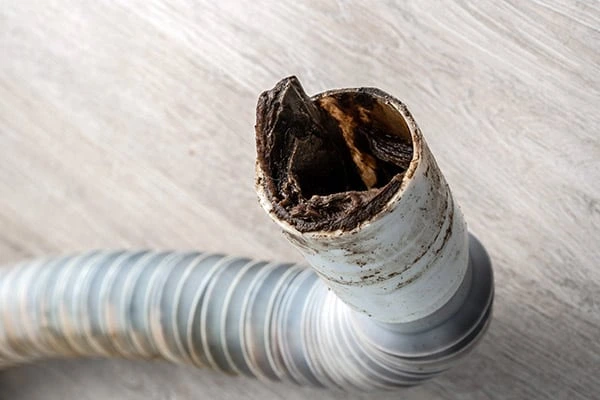
A blocked or crushed drain hose stops water flow completely. This causes 25% of drainage failures, especially in older units or those frequently moved.
Check for These Common Hose Issues
Kinks or crushing behind the washer block water flow. Blockages from lint, soap scum, or hard water scale accumulate over time. Cracks or punctures in the rubber allow water to leak. Improper height causes siphoning. The hose must be at least 30 inches above the floor. A stuck check valve in some models prevents drainage.
How to Clear the Drain Hose
- Unplug the washer and pull it from the wall.
- Disconnect the hose from the standpipe and the washer.
- Blow through the hose. Minimal resistance indicates it is clear.
- Use a plumbing snake for stubborn clogs.
- Flush with water to remove residue.
- Reconnect and test the drain cycle.
Pro Tip: Install a siphon break kit if water leaks out during fill cycles.
Find Hidden Blockages in Internal Hoses

Even with a clean filter and clear external hose, small items can get sucked into internal tubing. Socks and debris often lodge in the pressure switch hose or the drain path between the tub and pump.
Where to Look for Trapped Items
Check the rubber hose running from the tub to the pump. Disconnect it from the filter housing to inspect. Also check the accordion-style tube connected to the pressure switch on the back of the tub. Users have found up to four socks stuck in these areas after replacing pumps twice.
How to Access and Clear Internal Hoses
- Unplug the washer and remove the top and back panels.
- Locate the clear or gray rubber tubing.
- Disconnect one end and inspect with a flashlight.
- Flush with water or use a flexible grabber tool to remove debris.
- Reconnect and test the washer.
Model Note: 417-series front-loaders lack a front access filter. You must remove the right side panel to reach it.
Test Electronic Controls and Error Codes
If mechanical parts check out, the issue may be electronic. This affects about 5% of cases but involves higher repair costs and more complexity.
Read Error Codes on Kenmore Elite Models
The F21 code indicates a long drain time, pointing to a clogged filter, faulty pump, or suds lock. The F02 code signals a general drain error. Inspect the hose, pressure switch, and pump when this appears.
Run Diagnostic Mode
Most Kenmore Elite models support built-in diagnostics. Close the door, press Cancel then Spin within 5 seconds. The washer runs a test cycle, including pump activation. If the pump runs in test mode but not during a normal cycle, the control board may be faulty.
Check for Voltage at the Pump
- Plug in the washer and start a drain cycle.
- Use a multimeter in AC Voltage mode.
- Test the pump connector. Look for approximately 120V AC. Zero volts means the control board or timer is not sending power.
Warning: Live voltage testing is dangerous. Only attempt this if you are trained and comfortable working with electrical components.
Replace Control Board or Timer
Control boards cost $100 to $300 and require precise wiring matches. Mechanical timers cost $100 or more and are common in older models with carbon contact failure. This type of repair is not recommended for beginners. If no voltage reaches the pump and all switches test good, call a professional.
Know Your Model’s Weak Spots
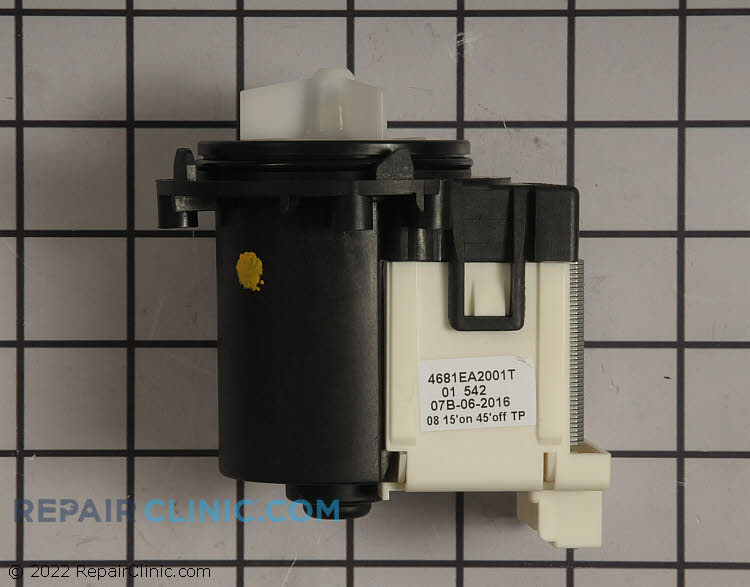
Kenmore models are built by various manufacturers, each with unique failure patterns. Knowing your model helps you focus on the most likely problem areas.
Front-Load Vulnerabilities
Elite HE3 and Duet models frequently suffer from clogged filters. Clean the filter every 6 months to prevent issues. The 796-series (LG-built) commonly has impeller separation where the blade separates from the shaft. Even if the motor hums, the pump must be replaced. The 417-series lacks front access, requiring right side panel removal to reach the filter.
Top-Load Vulnerabilities
The 80 and 90 Series models experience lid switch failure. Test continuity and replace the switch and striker tab if damaged. Direct drive models may have pump coupling issues. Clear impeller debris and check for broken couplers.
Pro Tip: Find your model number on the back of the washer, inside the door frame, or under the lid before ordering parts.
Follow This Troubleshooting Flowchart
Use this step-by-step logic to fix your Kenmore washer fast without guesswork.
Step 1: Safety First
Unplug the washer. Turn off water if disconnecting hoses. Have towels and a pan ready to catch water.
Step 2: Quick Visual Checks
Check if the drain hose is kinked. Verify it is elevated at least 30 inches above the floor. Listen for humming during the drain cycle, which indicates the pump is getting power.
Step 3: Model-Based Primary Test
For front-loaders, clean the drain pump filter first. For top-loaders, test the lid switch continuity.
Step 4: Check for Hidden Obstructions
Inspect internal hoses for socks or underwires. Spin the pump impeller to check for resistance or free-spinning.
Step 5: Electrical Testing
Test pump resistance, expecting 5 to 25 ohms. Test lid switch for continuity. Only attempt advanced voltage testing if you are experienced.
Step 6: Replace Components
Lid switches cost $10 to $40. Drain hoses cost $20 to $30. Drain pumps cost $30 to $60.
Step 7: Call a Pro If
No voltage reaches the pump. Error codes persist after all checks. You are uncomfortable with electrical work.
Prevent Future Drain Problems
Most Kenmore drain issues are preventable with simple maintenance habits.
Clean the Filter Regularly
Clean the filter every 6 months for average use. Clean monthly for heavy households or if you frequently wash items that shed lint.
Use Mesh Laundry Bags
Use mesh bags for socks, underwear, and delicates. This prevents small items from entering the drain system and jamming the pump.
Empty Pockets
Check all pockets before washing. Coins, keys, and paper can clog filters quickly and cause pump damage.
Use HE Detergent Correctly
Front-loaders require HE detergent only. Using too much creates excess suds that trigger F21 errors and failed drains.
Inspect Hoses Annually
Check drain hoses for cracks, kinks, and leaks. Replace hoses every 5 years as a preventive measure.
Frequently Asked Questions About Kenmore Washing Machine Not Draining
Why does my Kenmore washer fill but not drain?
This usually indicates a problem with the drain pump, lid switch, or drain hose. Start by cleaning the filter on front-loaders or testing the lid switch on top-loaders. These two components resolve 70% to 80% of cases.
How much does it cost to repair a Kenmore washer that won’t drain?
DIY repairs cost $0 to $60 depending on the part. A clean filter costs nothing. A lid switch costs $10 to $40. A drain pump costs $30 to $60. Professional service calls start at $150 plus parts, so DIY is often the smarter choice.
Can I run my Kenmore washer without a drain filter?
The drain filter protects the pump from debris. Running without it risks pump failure from foreign objects. If the filter is damaged, replace it rather than removing it permanently.
What does the F21 error code mean on a Kenmore washer?
F21 indicates a long drain time, usually caused by a clogged filter, faulty drain pump, or excess suds. Clean the filter first, then check the pump. Reduce detergent amount if using too much HE detergent.
Why is my Kenmore front-loader making a humming sound but not draining?
The humming means power is reaching the pump motor, but the impeller is blocked or seized. Clear any debris from the filter. If the humming persists, the pump impeller may be broken or the motor may be failing.
When should I call a professional for a non-draining Kenmore washer?
Call a pro if you have tested all mechanical components and they are good, but the washer still won’t drain. Also call if voltage testing shows no power reaching the pump and you are not comfortable working with electrical systems.
Key Takeaways for Fixing a Non-Draining Kenmore Washer
A Kenmore washing machine not draining is rarely a serious problem. In most cases, the fix is straightforward. Clean the drain pump filter first if you have a front-loader. Test the lid switch continuity if you have a top-loader. These two steps resolve the majority of drainage issues. Always check the drain hose for kinks and clogs before moving to more complex diagnostics. Use HE detergent correctly and clean the filter every 6 months to prevent future problems. With basic tools and this guide, you can resolve 95% of drainage issues yourself, saving $150 or more on service calls. Remember to prioritize safety, test components step by step, and know when to call a professional for electronic control issues.