Is your Kenmore washing machine making strange noises, leaving clothes damp, or emitting a musty smell? You’re not alone. Millions of households rely on Kenmore washers for durability and performance, but even the toughest machines need regular care. Without proper Kenmore washing machine maintenance, issues like clogs, leaks, and electrical failures can develop, shortening your appliance lifespan and costing you time and money.
The good news? Most problems are preventable with simple monthly upkeep. Because Kenmore models are manufactured by multiple companies including Whirlpool, LG, and Electrolux, designs vary, but core maintenance steps apply across nearly all units. Whether you own a classic 110 Series top-loader or a modern Kenmore Elite HE front-loader, this guide delivers actionable routines and troubleshooting fixes based on real technician protocols.
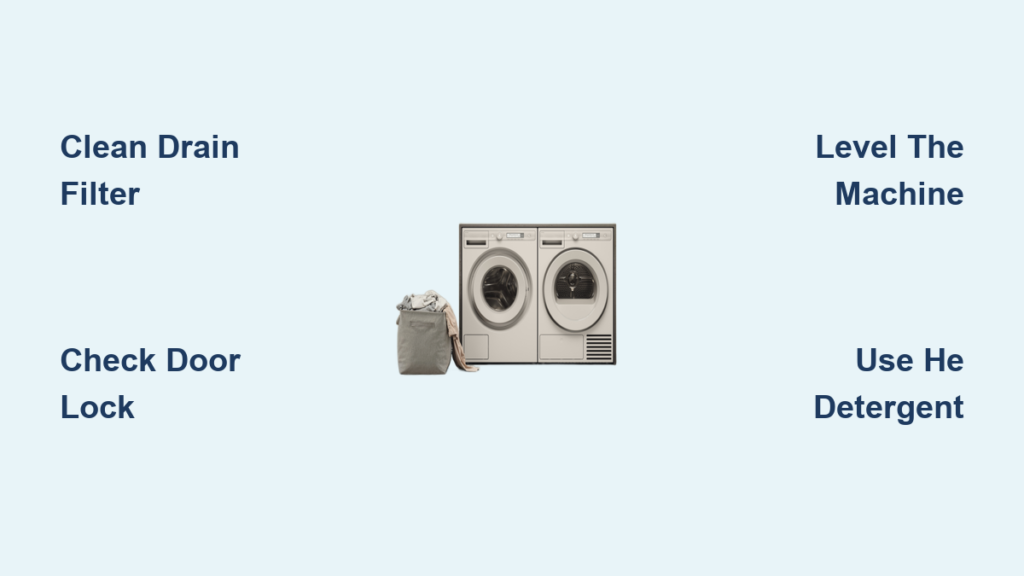
Clean the Drain Filter Every 1-2 Months

Locate and Access the Filter
The drain filter on most Kenmore washers is found at the bottom front, left-hand corner, hidden behind a small access panel. Before starting, lay down towels because up to two cups of water may spill during removal. While you can clean the filter with the panel in place, removing it entirely gives better access.
Use a Narwhal 6-in-1 driver or flathead screwdriver to gently pry the panel off. Keep the emergency drain hose upright until you are ready to drain the system.
Drain Residual Water Safely
Pull the emergency drain hose out slightly and remove the cap at the end. Lower the hose into a shallow tray or onto towels to drain standing water from the pump. Let it empty completely because any leftover water will spill when you unscrew the filter.
Once drained, reattach the cap firmly. This step prevents a messy overflow and prepares the system for safe filter removal.
Remove, Clean, and Reinstall the Filter
Turn the filter counterclockwise to remove it. Some child-safe models require pressing inward while turning, but most standard Kenmores do not. Inspect the filter for lint, coins, or debris.
Rinse the filter under hot running water, scrubbing with a soft brush if needed. Pay close attention to the rubber O-ring because cleaning all grime from its groove ensures a watertight seal. Wipe the filter housing with a paper towel, especially the O-ring seating area.
Reinsert the filter and turn clockwise until snug. Do not over-tighten. Snap the access panel back into place.
Pro Tip: Clean the filter every 1-2 months, or immediately if you notice slow draining or gurgling sounds during spin cycles.
Run the Clean Washer Cycle Monthly
Activate the Self-Cleaning Mode
Kenmore’s Clean Washer cycle combats mold, mildew, and detergent buildup, especially critical in high-efficiency front-load models. To start, power on the washer and press and hold the Excel Wash button for 3 seconds. The machine will enter cleaning mode, and you must not select another cycle or it will cancel.
This cycle runs hot and empty, designed to flush residue from the drum, pump, and hoses.
Add the Right Cleaning Agent
Use one of the following agents and never standard detergent:
- Liquid bleach: Fill the bleach dispenser to the max line. Overfilling causes immediate release and reduces cleaning power.
- Powdered cleaner: Add the recommended dose to the main wash compartment.
- Cleaning tablet: Place directly in the drum, not the dispenser.
Avoid harsh, non-approved cleaners because they can damage rubber seals and internal components.
Dry the Drum After Cleaning
When the cycle ends, leave the door slightly open using the door magnet. This allows air to circulate, drying the rubber gasket and drum. Moisture trapped in the seal is the number one cause of musty odors in front-load washers.
Best Practice: Run this cycle once a month, or immediately if you detect damp smells, even if the machine is not used often.
Prevent Odors and Mildew Buildup
Leave the Door Ajar After Use
Always crack the door open after a wash. This simple habit prevents stagnant moisture, the primary breeding ground for mold and mildew. For front-load models, leave it open 1-2 inches. For top-loaders, lift the lid slightly or remove it if safe.
If you are concerned about pets or children, set a reminder to open it 10 minutes after the cycle ends.
Deep Clean After Long Idle Periods
If your Kenmore washer has been unused for over a month, run a full Clean Washer cycle before resuming laundry. Idle machines develop biofilm and residue inside the drum and hoses, which can transfer odors to clothes.
For heavily neglected units (6+ months idle), run two consecutive cleaning cycles: one with bleach, one with a dedicated washing machine cleaner like Affresh or Tide Washing Machine Cleaner.
Wipe the Gasket and Dispenser Weekly
Use a damp cloth to clean the door boot seal on front-loaders, the detergent and fabric softener dispensers, and the lid rim on top-loaders. Dry thoroughly because buildup in these areas leads to clogs and persistent smells.
Diagnose a Faulty Lid Switch
Recognize Common Failure Signs
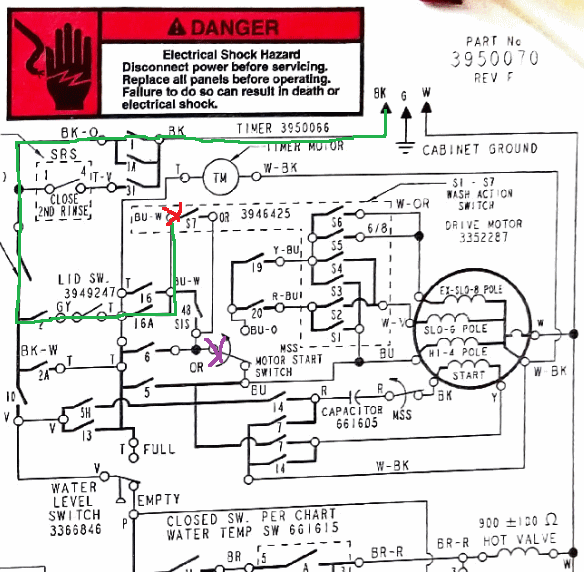
A failing lid switch is a frequent issue in Kenmore top-load washers, especially models from the early 2000s. Symptoms include the machine starting but stopping mid-cycle, no agitation or spin even with the lid closed, and no click sound when the lid is shut.
Additional signs include the control panel humming while the motor does not engage. A dangerous anomaly occurs when the agitator moves with the lid open, which requires immediate repair because this switch is a safety interlock.
Test with a Multimeter
Unplug the washer and remove the control panel using a screwdriver or pry tool. Locate the lid switch near the top casing and disconnect the wiring harness. Set a digital multimeter to continuity mode and touch probes to the switch terminals.
A working switch beeps when the plunger is pressed (lid closed) and stays silent when released. A dead switch produces no beep in either position, indicating replacement is needed.
Replace or Bypass With Caution
The recommended fix is replacing the lid switch, which costs $15-$30 and takes 20-30 minutes with basic tools. For temporary bypass (use only in homes without children or pets), disconnect the switch wiring and connect the two terminals with a jumper wire or insulated tape.
Warning: Bypassing disables a critical safety feature. Never leave the machine unattended, and prioritize replacement as soon as possible.
Address Common Operational Failures
Washer WonT Drain or Spin
Check these common causes when your washer won’t drain or spin:
- Is the drain hose kinked or clogged?
- Is the filter blocked? Clean it using the procedure above.
- Listen for pump humming, which indicates a failed drain pump.
- Test the lid switch because a faulty switch prevents the spin cycle.
If the pump is silent, it may need replacement. Kenmore drain pumps are user-replaceable with a screwdriver and socket set.
Machine Shakes or Vibrates Excessively
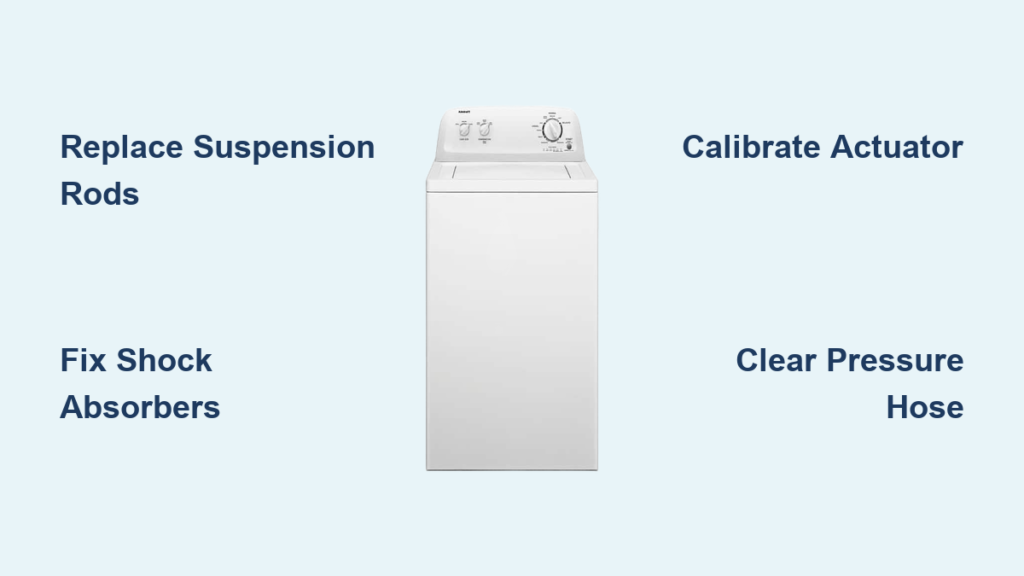
Possible causes include an unbalanced load (redistribute laundry and restart), an uneven floor (adjust leveling legs until stable), worn suspension rods common in older top-loaders, and damaged shock absorbers in front-loaders.
Re-level the machine first because this fixes most vibration issues. If vibration persists, inspect internal suspension components.
No Water or Slow Fill
If the tub fills slowly or not at all, check that faucets are fully open, inspect inlet hoses for kinks or clogs, clean inlet screen filters located at hose connections, and test the water inlet valve with a multimeter for continuity.
A failing inlet valve often causes slow filling when the machine is off, which is a sign it is stuck partially open.
Know Your Kenmore Model Type

Identify Your Series
Kenmore machines vary widely due to multi-manufacturer production, so always check your model number before ordering parts. Common series include:
- 110 Series: Whirlpool-made top-loaders, durable and common
- 400/700 Series: Often LG-built front-loaders with HE efficiency
- Kenmore Elite HE3: Electrolux-based, uses electronic controls
- Direct Drive Models: No belts, motor connects directly to transmission
Tip: Use the model number to confirm if your washer has a drain filter because some top-loaders do not.
Understand Manufacturing Origins
Because Kenmore uses Whirlpool, LG, Electrolux, and others, internal parts may match those brands. A 796.410731 model, for example, is often Whirlpool-based, meaning Whirlpool parts fit.
This affects maintenance because LG-built front-loaders may have different filter access than Whirlpool-based units.
Maintain the Door Boot and Seal
Inspect the Front-Loader Gasket
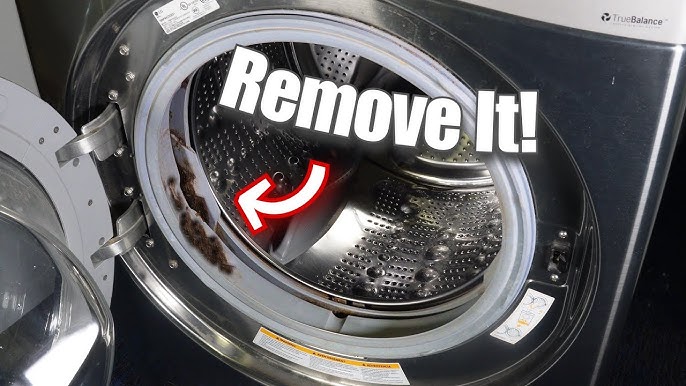
The rubber door boot seal on front-load Kenmore washers is prone to mold and tears. Monthly, check for black mold spots, rips or tears, and trapped debris like coins or hair ties.
Clean with a vinegar-dampened cloth or mildew remover, and never use abrasive scrubbers because they damage the rubber.
Replace a Leaking Boot Seal
If water pools at the front of the machine, the boot seal may be failing. Replacement is time-intensive (1-2 hours) but doable for DIYers. Unplug and shut off water, remove the front panel, unclip the clamp securing the seal to the drum, and install the new boot and reseal.
Use OEM or compatible seals only because cheap aftermarket versions often leak.
Use the Right Detergent and Load Size
Choose HE Detergent Only
All modern Kenmore washers, especially High Efficiency models, require HE detergent. Regular detergent creates excess suds, which trigger error codes, leave residue, and overwork the pump.
Use the recommended amount because more detergent is not better.
Do Not Overload the Machine
Overloading causes poor cleaning, imbalanced spins, and premature motor wear. As a rule, fill front-loaders to three-quarters full, leaving space to tumble. Top-loaders should load up to 2-3 inches below the top of the agitator.
Consult your manual for exact capacity because 110 Series models vary from 3.2 to 4.5 cubic feet.
Extend Motor and Transmission Life

Care for Direct-Drive Systems
Kenmore Direct Drive washers (no belts) rely on a motor coupling between the motor and transmission. This plastic piece often fails with age.
Signs of failure include loud grinding or thumping during agitation and the machine humming without spinning or agitating. Replace the motor coupling, which costs under $20 and takes 30 minutes. It is a common wear part and should be checked during annual maintenance.
Avoid Excessive Vibration Stress
Long-term shaking damages internal components. Always level the machine on a solid floor, secure the shipping bolts if moving (remove before use), and use anti-vibration pads on hardwood or tile.
Key Takeaways for Kenmore Washing Machine Maintenance
Regular Kenmore washing machine maintenance is not just about cleanliness; it is about longevity. A few simple habits can prevent 80% of common failures. Clean the filter every 1-2 months, run the Clean Washer cycle monthly, and leave the door or lid open after use.
Use HE detergent in correct amounts and inspect seals and hoses quarterly. Address issues like a failing lid switch or slow drain early because waiting for a breakdown only increases repair costs.
With proper care, your Kenmore washer can deliver reliable service for 10-15 years or more. For persistent problems, consult your model’s manual or seek a technician, especially for error codes or electrical faults.
Frequently Asked Questions About Kenmore Washing Machine Maintenance
How Often Should I Clean My Kenmore Washer Filter?
Clean the drain filter every 1-2 months. Clean it immediately if you notice slow draining, gurgling sounds, or water pooling around the machine.
What Is the Clean Washer Cycle on a Kenmore?
The Clean Washer cycle is a self-cleaning mode that runs hot and empty to remove detergent residue, mold, and mildew. Activate it by pressing and holding the Excel Wash button for 3 seconds, then add bleach or a washing machine cleaner.
Why Does My Kenmore Washer Smell Musty?
Musty odors come from moisture trapped in the drum and door seal. Leave the door slightly open after each load, run the Clean Washer cycle monthly, and wipe the gasket weekly.
How Do I Know If My Lid Switch Is Faulty?
Signs include the machine stopping mid-cycle, no agitation or spin despite the lid being closed, and no click sound when starting the cycle. Test with a digital multimeter for continuity.
Can I Use Regular Detergent in a Kenmore HE Washer?
No. High Efficiency Kenmore washers require HE detergent. Regular detergent creates excess suds that can trigger error codes and damage internal components.
How Long Do Kenmore Washers Last?
With proper maintenance, Kenmore washers typically last 10-15 years. Regular filter cleaning, monthly clean cycles, and addressing issues early extend the lifespan significantly.