Your Hotpoint washing machine fills, agitates, and drains, but when it comes time to spin, nothing happens. Clothes emerge soaking wet, and frustration sets in quickly. You are not alone—Hotpoint washing machine will not spin is one of the most common appliance repair searches. The good news? Over 80% of cases stem from just a few fixable problems, many of which you can diagnose and repair yourself in under 30 minutes.
This guide walks you through every possible cause, from simple load imbalances to mechanical failures like a broken drive belt or faulty lid switch. We will start with the simplest solutions and progress toward advanced diagnostics, so you can rule out easy issues before tackling more complex repairs.
Why Your Hotpoint Washer Refuses to Spin
The root cause usually lies in one of these areas: an unbalanced load, a failed lid switch, a broken drive belt, or a faulty start capacitor. Less commonly, sensor failures, drainage blockages, or control board glitches are to blame. Understanding which component is at fault saves you time and money.
Modern Hotpoint machines like the HTW240ASK6WW, HDA4400, and HDA4600 rely on sensors to detect problems. If the machine thinks something is unsafe, it will not spin. This protective design prevents damage but can frustrate users when the actual issue is simple.
Quick Fixes Before You Grab Tools

Before disassembling anything, try these simple solutions. They resolve many spin failures in just a few minutes.
Unbalanced or Overloaded Load
Modern Hotpoint washers have built-in imbalance detection. If the load is uneven or too heavy on one side, the washer aborts the spin cycle to prevent violent shaking.
What to look for:
– Flashing Spin light
– Error Code 26 or 31 appearing
– Clothes still soaking wet after the cycle ends
Quick fix:
– Pause the cycle
– Open the lid and redistribute laundry evenly around the drum
– Avoid overfilling—drum should be no more than 75% full
– Restart the Drain and Spin cycle
For heavy items like comforters, add 2–3 dry towels to help balance the load. If the problem persists after redistributing, the issue is likely mechanical.
Drainage Problems Blocking Spin
Your Hotpoint washer will not spin if water remains in the tub. A pressure sensor detects water level and blocks the spin cycle to prevent overflow or pump damage.
Check these areas first:
– Pump filter for lint, coins, hair ties, or fabric scraps
– Drain hose for kinks or clogs
– Standpipe connection—hose should not extend more than 4 inches into the pipe
Also verify you have not accidentally selected Rinse Hold or Crease Care options, which intentionally retain water and skip the final spin.
The Number One Cause: Faulty Lid Switch
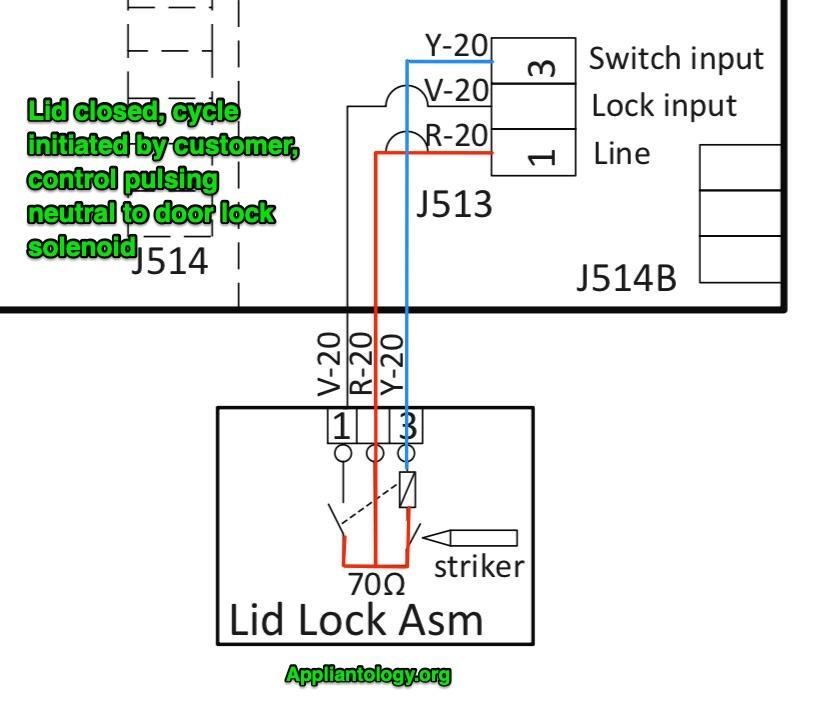
The lid switch accounts for approximately 50% of all spin failures. This safety device prevents the drum from spinning when the lid is open. If the washer thinks the lid is open, it will not spin regardless of other conditions.
How to Test Your Lid Switch
Auditory test: Close the lid and listen for a firm click near the hinge. No click means the switch is likely dead.
Manual test: Unplug the washer. Open the lid and press the switch manually. It should feel springy with a distinct click. If it feels mushy or stuck, replace it.
Multimeter test: For a definitive diagnosis, use a multimeter set to continuity mode. Disconnect the switch wires, press the switch, and check for continuity. No beep means replacement is needed.
Replacing the Lid Switch
Parts cost between $15 and $78 depending on your model. Installation requires removing the top panel—usually two screws at the back. Slide a putty knife under the front lip to release the clips, unplug the old switch, and connect the new one.
If the washer spins only when you wiggle the lid, the switch is failing intermittently. Replace it before it fails completely.
Broken or Slipping Drive Belt
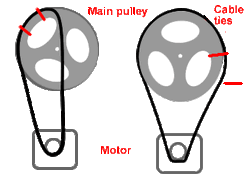
If the motor runs but the drum does not spin, the drive belt is likely broken or off-track. This causes approximately 30% of spin failures.
Inspecting the Belt
- Unplug the washer
- Remove the back or front panel (typically 4–6 screws)
- Locate the belt running between the motor and the large drum pulley
Look for these signs of failure:
– Cracks, fraying, or a complete break
– Belt off the pulley
– Grease residue on belt or pulley—this causes slippage
Replacing the Belt
- Remove the old belt
- Clean the pulley grooves thoroughly with degreaser—this step is critical
- Loop the new belt (size “38” fits many models) around both pulleys
- Pull it taut and ensure it is fully seated in the grooves
- Reassemble and test
Replacement belts cost $10–$15 and take about 15 minutes to install.
Failed Start Capacitor
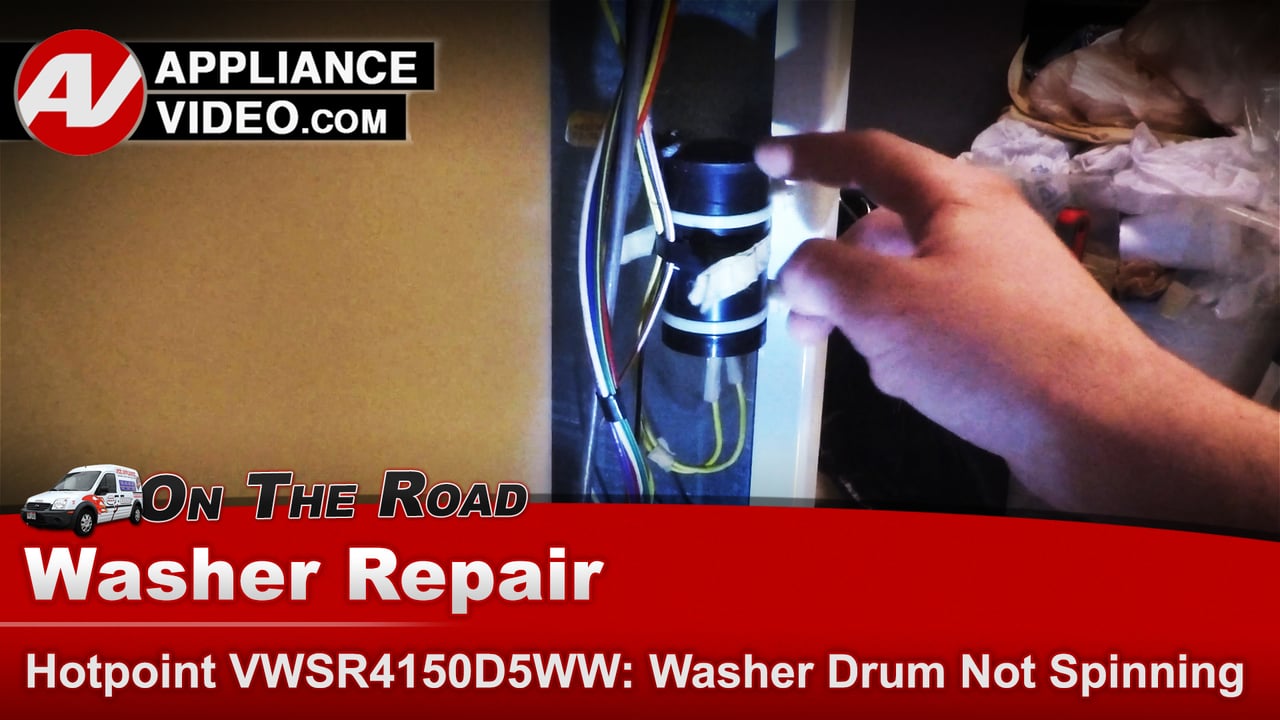
If the motor hums but does not spin, the start capacitor may be dead. This component provides the initial electrical boost for the motor to start turning.
Identifying a Bad Capacitor
- Unplug the washer and wait 5 minutes
- Remove the back panel
- Locate the capacitor (cylindrical, near the motor)
Signs of failure:
– Bulging or melted top
– Leaking fluid
– Forced-out plastic casing
Safety warning: Capacitors store high voltage even when unplugged. Always discharge it before handling by using an insulated screwdriver to short both terminals. You may hear a pop—this means it is safe.
Replacing the Capacitor
- Disconnect the wires (polarity does not matter)
- Install the new capacitor (approximately $22)
- Secure with a zip tie
- Reconnect and test with a Drain and Spin cycle
If the drum spins immediately with no humming, you have fixed the problem.
Faulty Speed Sensor
If the washer starts to spin but stops after a few seconds, the speed sensor may be faulty. This component tells the control board how fast the motor is turning.
7-Click Diagnostic Test
- Plug in the washer with the lid open
- Hold the Start button and turn the dial clockwise exactly 7 clicks
- Release Start, then close the lid
- If the drum spins briefly then stops, the speed sensor is likely bad
The sensor snaps onto the motor frame. Replacement costs $22–$34. Simply unclip the old one and snap in the new.
Shift Actuator Problems

The shift actuator controls switching between agitation and spin modes. If the washer agitates normally but refuses to spin, the actuator may be stuck or broken.
How to check:
1. Tip the washer back (place towels underneath)
2. Remove the bottom front panel
3. Locate the actuator near the transmission
4. Look for cracks, melted plastic, or loose connections
Replacement costs $38–$50. It is a direct swap—unplug, unmount, and install the new one.
Control Board and Software Glitches
Even with perfect mechanics, a frozen control board can stop the spin cycle.
Reset the Washer
- Unplug the washer for 5–10 minutes (60 seconds minimum)
- Plug it back in
- Press and hold Start for 3–5 seconds
- Run a test cycle
This clears temporary software errors. If the spin works now, the issue was a glitch—not a mechanical failure.
When to Call a Professional
Seek professional help if you have ruled out the lid switch, belt, capacitor, and filter, and the problem persists. Complex components like the transmission, clutch, or control board typically require professional attention.
Cost comparison:
– Most DIY fixes cost under $50 in parts
– A service call starts at $100+
– A $15 part saving a $1,000 washer is always worth the effort
Preventing Future Spin Failures
Monthly maintenance:
– Clean the filter every 1–2 months
– Run a 90°C hygiene wash with detergent
– Inspect the belt for cracks or grease
– Check hoses for kinks or leaks every 3–6 months
Best usage practices:
– Load to 75% capacity
– Mix heavy and light items
– Remove transport bolts before first use
– Use correct detergent amounts—excess suds interfere with spinning
Frequently Asked Questions About Hotpoint Washing Machines That Will Not Spin
Why does my Hotpoint washing machine fill with water but not spin?
This typically indicates a faulty lid switch, which is the most common cause. The machine fills and agitates because those functions work with the lid open, but the spin cycle requires the lid to be securely closed. Test the lid switch with a multimeter or listen for a click when closing the lid.
Can a bad drive belt cause my washer to stop mid-cycle?
Yes. If the belt is broken, slipping, or covered in grease, the drum cannot reach the necessary speed. The machine may start to spin, detect the imbalance, and abort the cycle. Error Codes 26 or 31 often appear when belt issues prevent proper RPMs.
How do I know if my start capacitor is faulty?
Listen for a humming motor. If the motor hums but the drum does not turn, the capacitor is likely dead. Visually inspect it for bulging, melting, or leaking fluid. Always discharge the capacitor before testing or replacing it.
Is it worth repairing a Hotpoint washing machine that will not spin?
Yes, in most cases. Most common fixes cost under $50 in parts. Only when the transmission, control board, or clutch assembly fails does replacement become more cost-effective. A $15 lid switch saving a $1,000 machine is always worthwhile.
What error codes indicate spin problems?
Error Code 26 or 31 typically means off-balance, which can stem from load issues or mechanical failures like a slipping belt. If all function lights flash together, this usually signals a drain blockage. Check the filter and hose first.
Can I reset my Hotpoint washer to fix spin issues?
Yes, try unplugging the washer for 5–10 minutes, then plug it back in and hold Start for 3–5 seconds. This clears temporary software glitches. However, a reset will not fix mechanical failures like broken belts or dead capacitors.
Key Takeaways for Fixing Your Hotpoint Washer Spin Issue
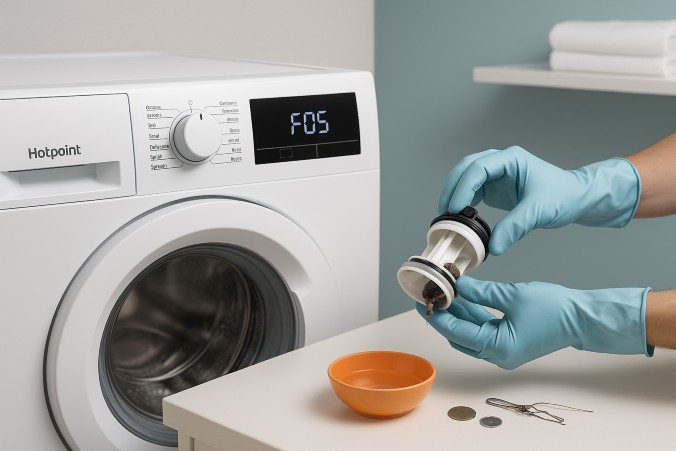
A Hotpoint washing machine that will not spin is rarely beyond repair. Start with the simplest solutions: redistribute an unbalanced load, clean a clogged filter, or reset the control board. These quick fixes resolve the majority of cases.
If simple solutions fail, the lid switch is the most likely culprit—responsible for roughly 50% of spin failures. Test it first using the click method or a multimeter. Next, inspect the drive belt for cracks, fraying, or grease buildup. A slipping belt prevents the drum from reaching proper speed.
For motor humming without rotation, the start capacitor is the prime suspect. Always discharge it before handling. With basic tools and this guide, you can diagnose and repair most spin issues yourself in under 30 minutes—saving both time and the cost of a service call.