You’ve probably stood in front of your washing machine, laundry basket in hand, wondering exactly how much to stuff inside. Load it too lightly and you’re wasting water and energy. Pack it too tightly and your clothes come out damp, wrinkled, or still dirty. Getting the fill level right isn’t just about efficiency—it directly impacts how clean your laundry gets and how long your machine lasts.
The sweet spot? Fill your washer to about 75–90% capacity, but never so full that clothes can’t move freely. The golden rule is simple: if you can’t fit your hand into the drum alongside the clothes, it’s too full. This balance ensures proper water circulation, effective detergent action, and optimal tumbling without overloading the motor or damaging fabrics.
Know Your Machine’s Capacity
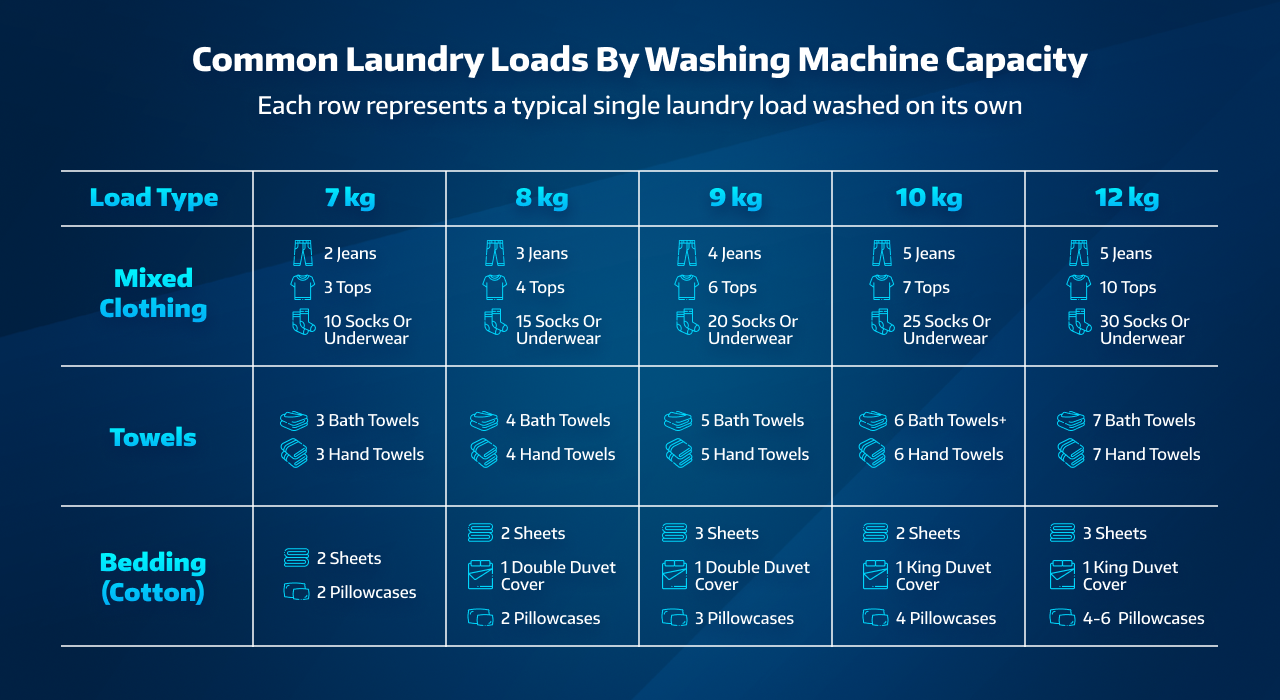
Understanding your washing machine’s capacity helps you load correctly every time. Machines vary significantly in how much they can handle, and knowing your specific drum size prevents both overloading and underloading.
Check Drum Size by Type
Washing machines fall into different size categories based on their cubic foot capacity. Each type serves different household needs.
Compact washers range from 2.3 to 2.45 cubic feet and work well for small spaces or one to two people, fitting about eight to ten shirts per load. Standard top-loaders measure 3.1 to 4.0 cubic feet and handle a family’s daily laundry, managing up to twelve pounds per load. Front-loaders offer the largest capacity at 4.2 to 5.0 cubic feet, perfect for bulky items like comforters, often rated for fifteen to twenty pounds, though balance matters more than raw weight.
Always refer to your user manual for exact specifications, especially when washing large or heavy items.
Calculate Volume Manually
If you don’t know your drum size, measure it yourself using a simple geometric formula.
Measure the diameter and depth of your drum in feet. The radius is half the diameter. Use this formula: Volume equals radius times radius times pi times depth. For example, a drum 1.5 feet wide with 0.75-foot radius and 0.5-foot depth calculates to 0.75 multiplied by 0.75 multiplied by 3.141 multiplied by 0.5, giving you 3.53 cubic feet, which is a standard top-loader size.
This number tells you exactly how much space you’re working with, allowing you to load with confidence.
Use Visual Fill Levels
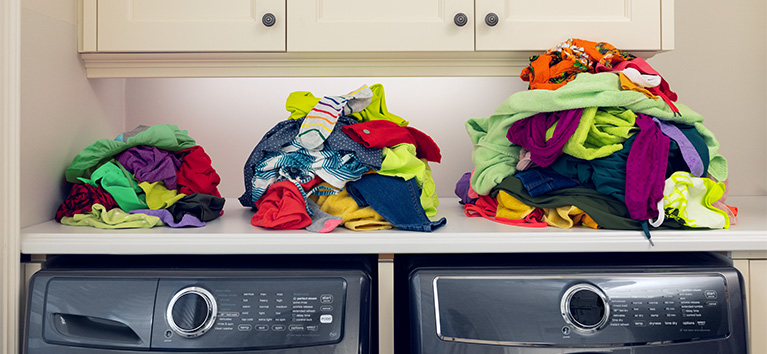
Visual cues help you judge load size without needing scales or calculations. Understanding what different fill levels look like ensures you’re always loading optimally.
Small to Medium Loads
A small load fills less than half the drum and works well for delicate items or just a few garments. A medium load fills about half the drum and weighs roughly six pounds.
This level is appropriate when you can’t wait for a full load, but it’s less efficient. If your machine has an eco or half-load setting, use it to reduce water and energy consumption.
Large Load
A large load fills about three-quarters of the drum and weighs around eleven pounds in high-efficiency machines. This load typically includes twelve t-shirts, five to six pairs of pants, one to two sweaters, six pairs of socks, four pairs of underwear, and two to three skirts.
This is the ideal balance, efficient without risking overloading or poor cleaning results.
Extra-Large Load
An extra-large load nearly fills the drum, up to ninety percent capacity, and can weigh up to twenty-one pounds in HE models. However, this works only if clothes can still tumble freely. This level suits bulky cottons like towels or jeans, but avoid stuffing items tightly.
Never fill past the top row of drum holes in top-loaders or above the door seal in front-loaders.
Apply the Hand Test
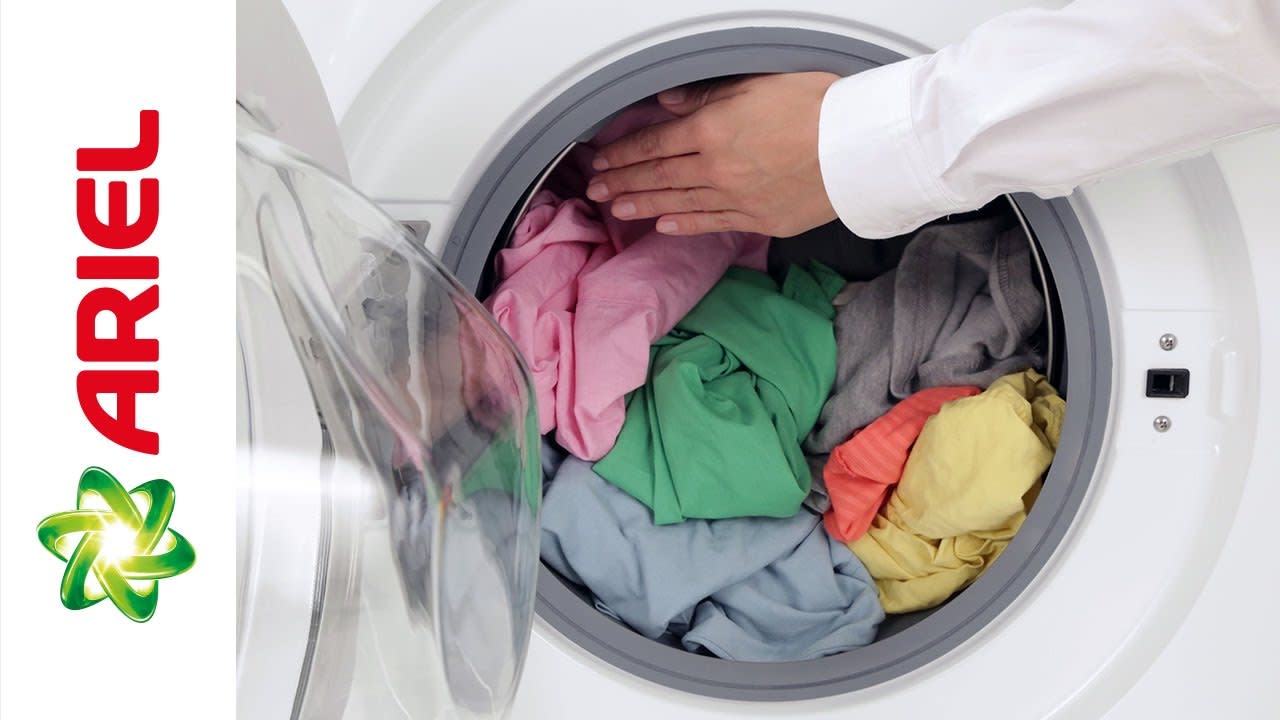
The hand test is the most reliable way to check load size without any special tools. This quick check works for both front-loaders and top-loaders.
Fit Your Hand in the Drum
After loading, place your entire hand into the drum alongside the clothes. You should be able to fit your palm and fingers with room to wiggle. If your hand can’t enter or is pinched tightly, the load is too full.
If your hand fits easily with extra space, you can add more items. If it’s tight, remove a few pieces until you pass the test.
Front-Loader Specifics
Front-loaders should look almost full when dry, but not packed. Once wet, clothes settle to about half to two-thirds of the window height. Don’t be alarmed by low water levels. These machines clean by tumbling, not soaking, so visible water isn’t expected.
Top-Loader Specifics
In traditional top-loaders, water should rise to the top row of agitation holes. In HE models, rely on the hand test since water levels are much lower than traditional models.
Avoid Overloading
Overloading strains your machine and ruins cleaning results. Recognizing the warning signs helps you prevent these problems.
Signs of a Packed Drum
Watch for these indicators that your load is too tight. There are no visible gaps between items. Clothes press against the door or lid. Your hand won’t fit in the drum. You hear excessive vibration or noise during the spin cycle.
Even if the machine starts, performance suffers significantly when overloaded.
Poor Cleaning Results
Overloaded clothes don’t get clean because water and detergent can’t circulate properly. Stains aren’t agitated out. Rinsing becomes incomplete, leaving soap residue. Damp spots remain after the cycle ends.
King-sized comforters often fail this test. They physically fit but don’t shift position, so parts stay dry and unwashed.
Mechanical Stress Risks
Overloading strains critical components throughout your machine. The motor works harder to spin, shortening its lifespan. Bearings and suspension wear out faster due to constant imbalance. The drum may dent or warp over time from repeated stress.
Repeated overloading can void warranties or require costly repairs.
Prevent Underloading
Running small loads wastes resources and money. Understanding the impact helps you plan better laundry days.
Don’t Waste Resources
Running a machine with just a few items wastes significant water, up to seventy percent of a full load’s usage. Energy waste is similar because the machine draws similar electricity regardless of load size. Detergent is also wasted since the same dose is often used, leading to oversudsing.
Use Eco Settings When Necessary
If you must wash a small load, select the eco, small load, or half-load cycle. These adjust water and spin levels to match the smaller load.
The better strategy is simply waiting until you have a full load, just don’t let laundry pile up too long between washes.
Handle Heavy and Bulky Items
Heavy items require special consideration to prevent machine damage and ensure thorough cleaning.
Weight Limits Matter
Even high-capacity machines shouldn’t carry single items over fifteen pounds. A heavy blanket or wet towel creates uneven weight distribution, causing violent shaking, error codes, and motor strain.
Never wash a twenty-pound weighted blanket in a standard home washer. Use a laundromat’s commercial machine instead for these items.
Wash Comforters and Blankets Safely
Before tossing in a comforter, check three things. Does it fill the drum completely? Can it tumble freely? What’s its wet weight, which can double when wet?
If the comforter is snug when dry, it’s too big for a single load. Use synthetic detergent and a gentle cycle with extra rinse to protect both the item and your machine.
Balance Mixed Loads

Mixing different item types improves both cleaning and machine operation.
Combine Light and Heavy Items
Pair heavy items like jeans or towels with lighter items like t-shirts or socks. Avoid washing only heavy items like five towels alone or only light items like ten shirts alone.
Mixing evens out weight during spinning and reduces vibration significantly.
Distribute Evenly
When loading, spread heavy items around the drum rather than stacking them on one side. This prevents imbalance errors, machine walking across the floor, and premature wear on suspension components.
Optimize Detergent Use
:max_bytes(150000):strip_icc()/how-much-detergent-per-load-2146803-FINAL-5bf30a6046e0fb0026733c41.png)
Proper detergent dosing works hand-in-hand with correct loading for the best results.
Match Dose to Load Size
Using too much detergent in a large load or too little in a small one causes problems. For small loads, use half to three-quarters of the standard dose. For large loads, use the full dose. For extra-large or heavily soiled loads, increase slightly but never double the amount.
Excess detergent won’t clean better. It leaves residue and causes unpleasant smells.
Choose the Right Detergent Type
High-efficiency detergent is required for HE machines. Low-sudsing formulas prevent oversudsing that interferes with tumbling action. Pods should go in the drum first before adding clothes. Powder detergent belongs in the dispenser drawer to ensure full dissolution. Liquid detergent can go in the drum or dispenser depending on your manual.
Follow Best Loading Practices
Good habits before loading prevent problems during the wash cycle.
Sort Before Loading
Always sort by color, separating whites, darks, and lights. Sort by fabric type, keeping delicates separate from cottons and synthetics. Sort by soil level since heavily stained items may need pre-treatment.
This prevents dye transfer, fabric damage, and ensures proper cycle selection.
Empty Pockets First
Coins, tissues, and keys can damage the drum, clog the pump, and cause costly repairs. Make pocket-checking a habit before every load.
Respect Dryer Capacity
Washer drums are larger than dryers. A full wash load may need to be split into two drying batches to dry completely and reduce wrinkling.
Troubleshoot Load Issues
When problems occur, your loading technique is often the culprit.
Clothes Come Out Dirty
This happens when the overloaded drum restricts movement. Reduce your load size. Use the hand test. Ensure detergent is HE-compatible and properly dosed.
Detergent Residue on Clothes
Poor rinsing due to overloading or wrong detergent causes this issue. Wash with no clothes using hot water and vinegar to clean residue. Reduce load size next time.
Excessive Vibration or Noise
An unbalanced or overloaded load causes this problem. Stop the machine, redistribute clothes, and restart. Avoid washing heavy items alone.
Machine Won’t Spin
An overweight or unbalanced load prevents spinning. Remove a few items and run a spin-only cycle to test balance.
Musty Smell in Washer or Clothes
Detergent and moisture trapped in packed loads cause odors. Run monthly maintenance washes with bleach or washing machine cleaner. Use less detergent and leave the door open after use.
Maintain Efficiency and Longevity
Regular maintenance keeps your machine performing optimally and extends its lifespan.
Clean the Machine Monthly
Residue builds up over time, especially in front-loaders. Prevent mold and odors by running a hot water cycle with vinegar or cleaner. Wipe the door seal and detergent drawer regularly. Check the drain pump filter for debris.
A clean machine handles loads better and rinses more effectively.
Inspect Hoses and Leveling
Every six to twelve months, check inlet hoses for cracks or bulges. Ensure feet are level to prevent vibration. Confirm there’s proper clearance around the machine.
Proper setup supports consistent performance, especially with large loads.
Frequently Asked Questions About Washing Machine Load Capacity
How do I know if my washing machine is overloaded?
The simplest test is the hand test. After loading, try to fit your entire hand into the drum alongside the clothes. If you can’t fit your hand with room to wiggle, the load is too full. Other signs include excessive vibration, noise during spinning, or clothes coming out damp and dirty.
Can I wash a comforter in my home washing machine?
It depends on the comforter size and your machine capacity. Check that the comforter can tumble freely inside the drum. Wet weight matters because it doubles the dry weight. If the item is snug when dry, it’s too large. Consider using a laundromat’s commercial machine for oversized bedding.
What happens if I consistently underload my washing machine?
Underloading wastes water, energy, and detergent. Modern machines use similar electricity regardless of load size, so running a small load is inefficient. Use the eco or half-load setting if available, or simply wait until you have a full load.
How full should a front-loader be versus a top-loader?
Front-loaders should be filled to about ninety percent but never packed tight. Front-loaders clean through tumbling, so clothes need room to move. Top-loaders should fill to about seventy-five percent, with water reaching the top row of agitation holes in traditional models.
What is the best load size for energy efficiency?
Large loads at seventy-five to ninety percent capacity offer the best efficiency. This maximizes water and energy usage per item while ensuring proper cleaning. Avoid very small loads unless using a specific eco setting designed for half loads.
Key Takeaways for Optimal Washing Machine Loading
The best way to load a washing machine is full but not tight. Aim for seventy-five to ninety percent capacity and always pass the hand test before starting a cycle. This simple habit ensures clean clothes, saves resources, and protects your appliance from unnecessary wear.
Remember that clothes must be able to tumble freely for effective cleaning. Whether you’re washing towels, jeans, or a comforter, the rule remains the same. If clothes can’t move, they won’t get clean, and your machine will pay the price through increased wear and potential damage.
Taking a few extra seconds to check your load size prevents wasted water, ruined laundry, and costly repairs. Your clothes and your wallet will thank you.