Nothing says “I love you” to your dog quite like a clean, fresh bed. Dog beds soak up dirt, drool, dander, fur, and even urine over time, creating a breeding ground for bacteria, allergens, and foul odors. If you’re wondering how to wash dog bed in washing machine safely and effectively, you’re not alone. A clean bed isn’t just about freshness, it is vital for your pet’s health and your home’s cleanliness. In this guide, you will learn step-by-step methods to clean any machine-washable dog bed, avoid common mistakes, eliminate stubborn odors, and keep your washing machine safe for future loads.
Check Washability Before Washing

Before tossing the bed in the washer, confirm it can survive the cycle.
Read the Care Label
Always inspect the manufacturer’s tag. Look for terms like “machine washable,” “hand wash only,” or “do not submerge.” Beds with removable covers are typically safe to machine wash. Just unzip and separate the cover from the insert. If the entire bed is labeled washable, proceed with caution based on size and material.
Separate Cover and Insert
If your dog bed has a detachable cover and inner cushion, wash them separately. The outer fabric may be durable, but foam or memory foam inserts often require hand washing. Washing a non-machine-safe insert can ruin its shape and support permanently.
Use a Mesh Laundry Bag
Protect delicate fabrics and your washing machine by placing the bed or cover inside a large mesh laundry bag. This prevents tangling, reduces wear on seams, and keeps loose pet hair from clogging the machine drain.
Remove Hair and Debris First

Skipping pre-cleaning leads to clogged machines and ineffective washing.
Vacuum Thoroughly
Use a vacuum with a brush attachment to lift embedded fur, dust, and dander. Focus on seams and crevices where dirt hides. Never wash a bed without vacuuming first. Wet hair binds tightly to fibers and becomes nearly impossible to remove.
Shake and Beat Outside
Take the bed outdoors and shake it vigorously. For stubborn debris, lightly beat it against a wall or railing to dislodge dust and crumbs.
Pre-Treat With Baking Soda
For smelly beds, sprinkle baking soda over the surface. Let it sit for 15 to 30 minutes to absorb odors, then vacuum again. This step boosts freshness and reduces the need for harsh detergents.
Tackle Stains Before Washing

Fresh stains can become permanent if not treated early.
Spot Clean With Enzymatic Cleaner
Apply a pet-safe enzymatic cleaner directly to drool, mud, or accident spots. These formulas break down organic matter like urine proteins that regular detergents miss. Let the solution sit for 5 to 15 minutes before washing.
Avoid Bleach and Harsh Chemicals
Never use bleach, ammonia, or strong fragrances. They can damage fabric, fade colors, and irritate your dog’s skin, especially if ingested during grooming.
Test for Color Fastness
Dab a small amount of cleaner on an inside seam. Wait 5 minutes. If the color does not bleed or fade, it is safe to proceed.
Choose the Right Detergent
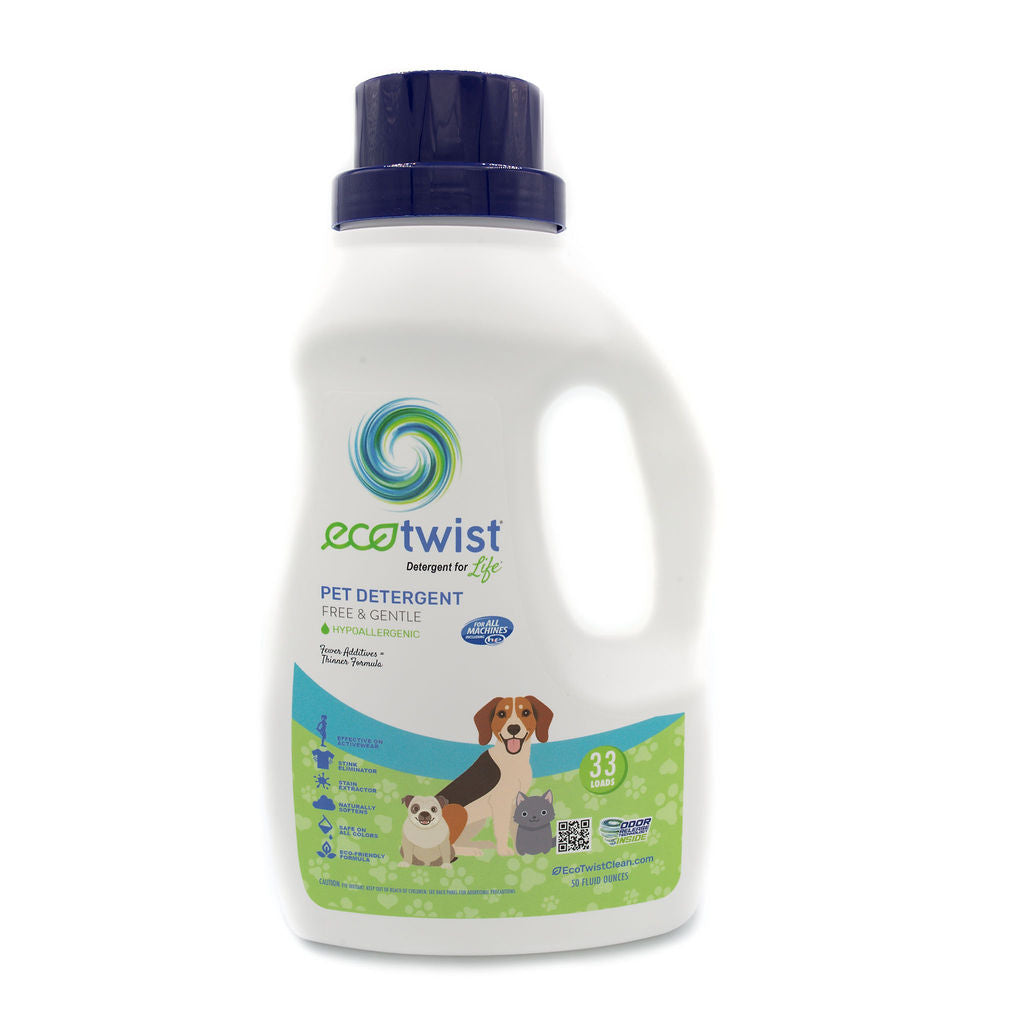
The wrong soap leaves residue or harms your pet.
Use Hypoallergenic, Fragrance-Free Detergent
Opt for a detergent labeled for sensitive skin or pets. Avoid dyes, perfumes, and fabric softeners, which can trigger allergies and leave a waxy buildup that traps odors.
Boost Cleaning Power Naturally
Add one-half cup of white vinegar or baking soda to the wash cycle. Vinegar neutralizes odors and softens fabric. Baking soda lifts grime and enhances detergent performance.
Use Odor-Eliminating Formulas
For heavily soiled beds, choose a detergent with enzyme or oxygen-based cleaners. These target wet dog smells at the source and break down organic residues effectively.
Set the Correct Wash Cycle
:max_bytes(150000):strip_icc()/how-to-wash-dog-bed-7152808-part-01-step-04-7c93b14e85244f248e483e58b9360fa7.jpg)
Your settings determine whether the bed comes out clean or damaged.
Water Temperature Guidelines
Hot water at 140°F or 60°C is best for killing bacteria and removing oils, but only if the label allows. Warm water provides the ideal balance for most washable beds. Use cold water for delicate fabrics, beds with elastic, or if colors may bleed.
Select Gentle or Delicate Cycle
This prevents excessive agitation that can tear seams or flatten padding. Even durable beds benefit from a gentler spin cycle.
Run an Extra Rinse
Residual detergent causes skin irritation and attracts more dirt. Enable the extra rinse option to ensure complete soap removal.
Dry Safely and Completely

Improper drying invites mold and ruins the bed.
Air Dry Flat
Lay the bed flat in a well-ventilated area or in indirect sunlight. UV rays naturally disinfect and freshen fabric. Flip every few hours for even drying. Thick beds may take 24 to 48 hours to dry completely.
Tumble Dry on Low Heat
Only if the care label says “tumble dry.” Use the lowest heat setting to avoid shrinkage, melted squeakers in toys, and warped foam or plastic components.
Never Use Dryer Sheets
They leave a chemical residue that can irritate your dog’s skin and reduce the effectiveness of water-resistant coatings.
Eliminate Lingering Odors

Sometimes washing is not enough to kill stubborn smells.
Sprinkle Baking Soda Post-Wash
Once the bed is dry, sprinkle baking soda over the surface. Let it sit for 10 to 30 minutes, then vacuum. This removes residual odors without chemicals.
Use Vinegar Spray
Mix equal parts white vinegar and water in a spray bottle. Lightly mist the bed, then let it air dry. Vinegar neutralizes alkaline odors like urine and disinfects naturally.
Reapply Enzymatic Cleaner
If the smell returns, re-treat the area with an enzymatic cleaner. These are the only products that truly break down organic odor sources at the molecular level.
Maintain Between Washes
Extend the life of the bed and reduce deep-cleaning frequency.
Vacuum Weekly
Remove loose hair and dirt to prevent buildup. A quick 2-minute vacuum keeps the bed fresher longer.
Spot Clean Spills Immediately
Blot accidents with a clean cloth, then dab with a mild cleaner or vinegar solution. Do not rub. This spreads the stain deeper into the fabric.
Use a Washable Protector
Place a removable, machine-washable cover over the bed. Change it weekly like bedding. This shields the main cushion and cuts down on full washes significantly.
Replace Annually
Even with regular cleaning, pet beds degrade over time. Veterinarians recommend replacing them yearly for optimal support and hygiene.
Prevent Machine Contamination
Washing pet items does not ruin your washer if you clean it properly.
Run a Maintenance Cycle Monthly
After washing dog bedding, run an empty hot cycle with 1 cup of white vinegar in the drum. This removes hair, residue, and odors from the machine.
Clean the Lint Trap
Always clear the dryer lint trap after drying pet items. Pet hair buildup is a fire hazard and reduces drying efficiency.
Wash Pet Items Separately
Never mix dog beds with your clothes. Pet hair transfers easily, and stains or odors may linger on human fabrics.
Know What Not to Machine Wash

Not all dog beds belong in the washer.
Memory Foam and Thick Inserts
These absorb water and take days to dry. Machine washing can disintegrate the foam entirely. Hand wash only in a bathtub, then air dry flat.
Beds With Electronic Components
Heated beds or those with vibration features must never be submerged. Spot clean only with a damp cloth.
Rope Toys and Tug Ropes
While machine washable in a mesh bag, they must be air dried completely. Damp fibers trap mold deep inside the ropes.
Hand Wash When Machine Is Not an Option

For oversized or non-machine-safe beds, hand washing works effectively.
Fill a Tub With Warm Water
Use a bathtub or large basin. Temperature should be warm but comfortable for your hands.
Add Pet-Safe Detergent
Use 1 to 2 tablespoons of unscented detergent and one-half cup vinegar per tub. Swirl to mix.
Submerge and Soak
Push the bed down to saturate the inner padding. Let it soak 15 to 30 minutes.
Agitate and Squeeze
Turn the bed over, squeeze gently, and massage the fabric. Use a soft brush for stained areas.
Rinse Until Water Runs Clear
Drain soapy water. Refill with clean water and repeat squeezing until no bubbles remain. This may take 2 to 3 rinses.
Press Out Water
For foam beds, press between towels to extract moisture. Never twist or wring. It damages the structure permanently.
Frequently Asked Questions About Washing Dog Beds in a Washing Machine
How often should I wash my dog’s bed in the washing machine?
Wash dog beds at least once every two weeks. If your dog sheds heavily, has allergies, spends lots of time outdoors, or has accidents, wash weekly or immediately after soiling.
Can I wash my dog’s bed with other laundry?
No. Wash dog beds separately from human laundry. Pet hair transfers easily, and stains or odors may linger on your clothes. Cross-contamination of allergens can also occur.
What temperature is safest for washing dog beds?
Use the highest temperature the care label allows. Hot water at 140°F kills bacteria effectively. Use cold or warm water for delicate fabrics or beds with elastic components.
Can I put a memory foam dog bed in the washing machine?
No. Memory foam absorbs water and takes days to dry. Machine washing destroys the foam structure. Hand wash only and air dry flat.
Why does my dog’s bed still smell after washing?
Residual odor means the cleaning was not deep enough. Sprinkle baking soda on the dry bed, let sit, then vacuum. For biological odors, reapply an enzymatic cleaner that breaks down urine proteins.
Will washing dog bedding ruin my washing machine?
No, if you follow proper protocols. Run an empty hot cycle with vinegar monthly to clean the machine. Always vacuum debris first to prevent hair from clogging the drain.
Key Takeaways for Washing Your Dog’s Bed in the Washing Machine

Washing your dog’s bed regularly, ideally every 1 to 2 weeks, is a simple act with big rewards. A healthier pet, a fresher home, and a longer-lasting bed are all benefits of proper cleaning. Always check the care label first, vacuum thoroughly before washing, and use pet-safe hypoallergenic detergents. Set the correct water temperature and cycle, then dry completely using air drying or low heat. Maintain the bed between washes by vacuuming weekly and using a washable protector cover. By following these steps, you will safely clean any machine-washable dog bed, eliminate odors at the source, and avoid damaging fabrics or your appliances. Stick to pet-safe products, dry thoroughly, and replace the bed annually for optimal hygiene.