You’ve relied on your electric blanket all winter for cozy nights, but now it’s time for a clean. Dust, sweat, and spills build up, even if you use sheets underneath. You’re wondering if you can just toss it in the washing machine. The answer depends on your specific model, but with the right steps, you can safely clean your electric blanket without risking safety or performance. Washing an electric blanket in the washing machine is possible only if the care label permits it and the power cord is removable. This guide walks you through exactly how to wash electric blanket in washing machine the right way.
This guide covers how to inspect your blanket for damage, choose the correct machine settings, select proper cleaning agents, and dry it safely. Whether you’re refreshing a seasonal favorite or tackling a spill, these steps ensure you protect your investment and sleep safely.
Inspect for Safety Before Washing

Electrical components and water do not mix. Before touching water or detergent, you must inspect your electric blanket thoroughly to prevent fire hazards or permanent damage.
Check for Damage and Wear
Look closely at the fabric, seams, and cord attachment points. Do not wash if you see exposed wires, frayed fabric, torn areas, loose stitching near the controller, or discoloration and burn marks. Even small tears can expose heating elements, and washing a damaged blanket risks internal water exposure leading to electrical failure or fire.
Unplug and Remove Electronics
Always unplug the blanket from the wall before handling. Detach the power cord, control unit, and remote if applicable. These components are not waterproof and must never get wet. For models with non-removable cords, keep the entire electronic end above water during any cleaning. Never submerge the plug or controller.
Read the Care Label
Not all electric blankets are machine washable. Check the manufacturer’s tag for specific instructions. The label will specify machine wash safe, hand wash only, or do not wash. If the label says hand wash only or do not machine wash, follow those instructions strictly. Modern blankets from brands like Dreamland or Sunbeam are more likely to be machine-safe, but older models typically are not.
Prepare for Machine Washing
Once you’ve confirmed your blanket is safe to wash, gather the right supplies. Using incorrect products or settings can degrade wiring, reduce heating efficiency, or ruin the fabric.
Select the Right Detergent
Choose a gentle, non-abrasive detergent. Avoid bleach, which weakens fabric and damages wire insulation. Skip fabric softener, which coats heating elements and reduces heat output while increasing fire risk. Harsh stain removers with enzymes or solvents may corrode internal components. A small amount of mild liquid detergent like Woolite is sufficient.
Set Water Temperature Correctly
Never use hot water when washing an electric blanket. The maximum safe temperature is 30°C (86°F). Hot water can melt wire insulation, shrink or warp fabric, and degrade electronic connections. Always select cold or lukewarm water on your machine.
Choose Proper Machine Settings
Use a large-capacity front- or top-loading washer. The blanket needs room to move freely. Overloading causes friction and stress on internal wires. Avoid compact or small machines where the blanket is tightly packed.
Machine Wash Step by Step

If your blanket is labeled machine washable, follow these steps to minimize risk and ensure a thorough clean.
Select Gentle Cycle Settings
Use the Delicate, Gentle, or Wool cycle on your washing machine. These settings reduce agitation, limit spin speed, and prevent twisting and stress on wires. Avoid heavy-duty or normal cycles, as they are too harsh for electric blankets.
Configure Spin Settings
High-speed spinning can kink or break internal heating filaments. If possible, skip the spin cycle entirely. If you must spin, use the lowest spin speed available. The goal is to remove excess water without mechanical strain on the wiring.
Load the Blanket Properly
Place the blanket loosely in the drum. Do not fold tightly or cram with other laundry. Washing with one or two clean towels can help balance the load without adding friction. Never wash with zippers, buttons, or rough fabrics that could snag the blanket.
Hand Wash When Required
If your blanket is not machine-washable or has a non-removable cord, hand washing is the safest option.
Soak the Blanket
Fill a bathtub or large basin with lukewarm water (30°C or cooler) and a small amount of mild detergent. Submerge only the fabric portion. Keep the cord and controller dry and elevated above the water line. Let it soak for 15 to 20 minutes to loosen dirt and odors.
Agitate Gently
Swish the blanket gently through the water. Do not scrub, twist, or wring the fabric. For stains, use a soft cloth to dab the area lightly. Excessive force can damage internal heating elements.
Rinse Thoroughly
Drain soapy water and refill with clean, cool water. Repeat rinsing two to three times until water runs clear. Soap residue can attract dirt and reduce fabric breathability. Press water out gently. Never wring the blanket.
Dry Completely and Safely
Drying is the most critical step in learning how to wash electric blanket in washing machine. Never use high heat, which can melt wires or scorch fabric.
Air Dry for Best Results
Air drying is the safest method for all electric blankets. Press out excess water by rolling the blanket in a clean, dry towel. Hang over a clothesline, shower rod, or drying rack. Lay flat on a clean surface if hanging is not possible. Gently stretch to restore shape and prevent shrinking. Allow 12 to 24 hours to dry completely. Do not rush this process.
Tumble Dry Only If Label Permits
Some modern blankets are labeled Tumble Dry Safe. If your blanket allows this, use the Air Fluff or lowest heat setting. Dry for 15 to 20 minutes to reduce dampness, then finish with air drying to ensure complete dryness. Never leave the dryer unattended.
Drying Methods to Avoid
Never use hair dryers, which are too hot and cause uneven drying. Avoid radiators or heaters, which risk overheating. Skip direct sunlight, which causes UV damage and fading. Never iron the blanket, as heat can melt wires or fabric.
Spot Clean for Small Spills
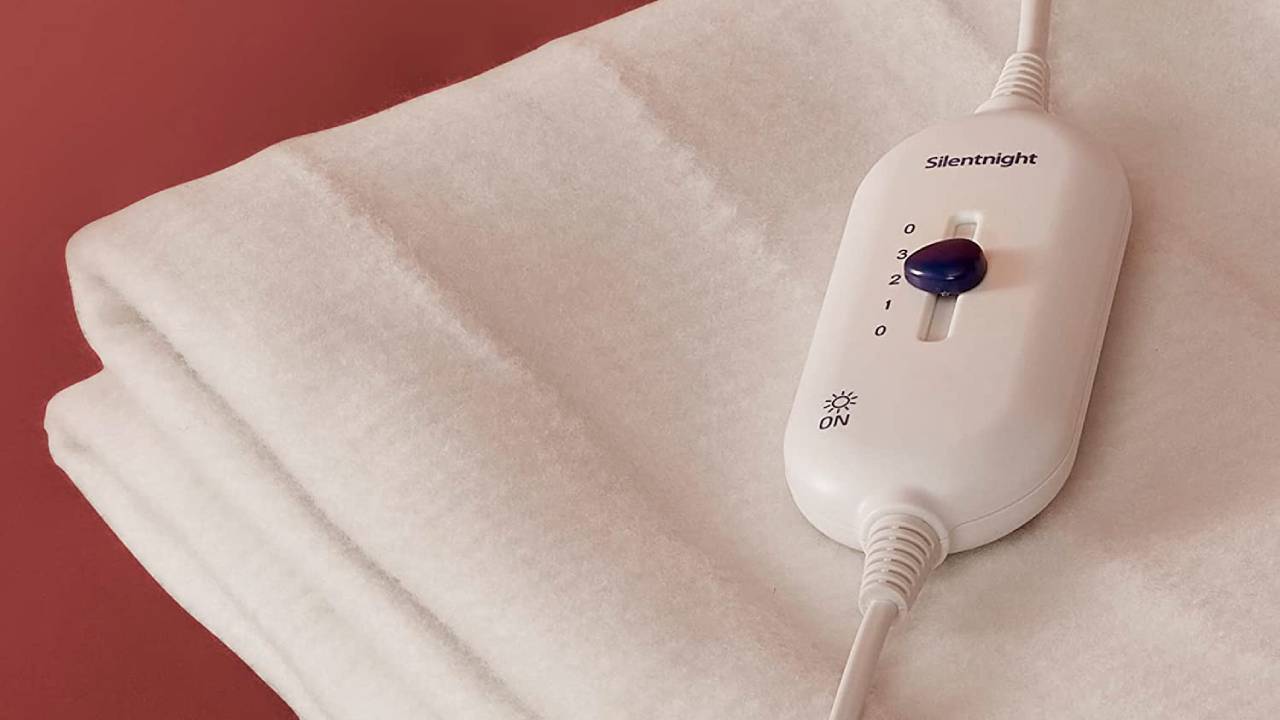
For minor messes like coffee, wine, or crumbs, spot cleaning avoids full washing and reduces risk to electrical components.
Blot Stains Immediately
Unplug the blanket completely. Use a damp cloth with mild soap to blot (not scrub) the stain. Rinse with a clean damp cloth and blot dry. Allow the area to air dry completely before reuse.
Vacuum Dry Debris
Use a vacuum with a soft brush attachment to remove crumbs, pet hair, or dust. This works great for quick maintenance between washes.
Use Iron Lift Method with Caution
For dried spills, place a dry cleaning cloth over the stain. Put a clean towel on top. Use a low-heat iron (no steam) to gently press. The heat lifts the stain into the top cloth. Only attempt this if you are experienced, and the blanket is fully unplugged and dry.
Store Properly After Cleaning
How you store your blanket affects its lifespan and safety.
Avoid Sharp Folds
Sharp folds can crush or break internal wires over time. Loosely roll the blanket or fold gently with wide curves. Store in a cool, dry place away from moisture and pests.
Use Breathable Storage
Keep dust and insects out with a cotton storage bag or pillowcase. Avoid plastic bags, which trap moisture and promote mildew.
Reconnect Only When Dry
Only reattach the power cord and controller after confirming the blanket is 100% dry. Plug in only when fully dry and laid flat on the bed.
Wash Frequency and Maintenance

Over-washing wears out fabric and wiring. Under-washing leads to odors and allergens.
How Often to Wash
Wash once or twice per season for standard maintenance. Wash every two to four weeks if used nightly and you sweat or eat in bed. Spot clean spills immediately to prevent stains. Frequent washing is only safe if the blanket is designed for it.
Preventative Care Tips
Use a fitted sheet over the blanket to reduce direct contact with skin and oils. Vacuum monthly to remove dust and debris. Air out the blanket between uses to prevent musty smells.
Troubleshoot Common Problems
Blanket Won’t Heat After Washing
Likely causes include the blanket still being damp (moisture causes short circuits), damaged wiring from wringing or high spin, or controller failure if water entered the plug. Let it dry for 24 or more hours. If it still does not work, retire the blanket.
Musty Smell After Drying
This indicates incomplete drying or mildew. Rewash and ensure full air drying. Never store a damp blanket.
Blanket Feels Less Warm
This could be due to fabric softener buildup insulating heating wires, damaged filaments from improper washing, or simply an aging unit. Avoid fabric softeners and replace the blanket if performance drops significantly.
Frequently Asked Questions About Washing Electric Blankets
Can I put my electric blanket in the washing machine?
Yes, but only if the care label permits machine washing and the power cord is removable. Check the manufacturer’s tag before washing. If your blanket has a non-removable cord or says hand wash only, do not use the washing machine.
What temperature water should I use?
Use cold or lukewarm water at 30°C (86°F) or cooler. Hot water damages wire insulation and can melt internal heating elements. Always verify your machine temperature setting before starting the cycle.
Can I use fabric softener when washing an electric blanket?
No. Fabric softener coats heating elements and reduces heat output while increasing fire risk. Always skip fabric softener and avoid bleach or harsh chemicals.
How do I dry an electric blanket after washing?
Air drying is the safest method. Hang the blanket or lay it flat for 12 to 24 hours until completely dry. If the label permits tumble drying, use the lowest heat setting for a short time, then finish with air drying. Never use high heat.
What should I do if my blanket stops working after washing?
Unplug it immediately and allow it to dry completely (24 to 48 hours). If it still does not work after drying, the wiring may be damaged. Do not continue using a damaged blanket. Replace it rather than risk electrical failure or fire.
Key Takeaways for Washing Your Electric Blanket
Always inspect your electric blanket for damage before washing. Look for exposed wires, frayed fabric, or burn marks, and do not wash if you find any damage. Disconnect all electronic components (power cord, controller, remote) and keep them completely dry. Use only mild detergent, cold water, and a gentle cycle with low or no spin. Air dry completely for 12 to 24 hours before plugging in or storing. When in doubt, hand wash or spot clean rather than risk damaging the heating elements. Following these steps ensures your electric blanket stays clean, warm, and safe for years to come.