If your Asko washing machine has stopped draining, won’t start, or is making strange noises, you are not alone. While Asko appliances are engineered for up to 20 years of reliable service, even the most durable machines eventually need repair. Known for their whisper-quiet operation, compact 24-inch design, and advanced features like Active Water and Silent Motor technology, Asko washers demand precision when issues arise.
Common problems like drainage failures, door lock errors, or excessive vibration are often fixable with the right knowledge. But due to the brand’s sophisticated engineering, including Quattro Construction and electronic control systems, DIY fixes can lead to leaks, electrical risks, or voided warranties. This guide breaks down the most frequent Asko washing machine issues, shows you how to troubleshoot safely, and explains when to call a certified technician.
Decode Asko Error Signs Fast
Check Indicator Lights First
Asko machines use digital displays or LED indicators to communicate issues. A flashing light or error code like E10 for water inlet problems or E20 for drainage is your first diagnostic clue. Never ignore these signals because they often catch small issues before they become major failures. For example, a blinking lock symbol may mean the door is not sealing properly, while a spin icon with an F could indicate an imbalance.
If the display is blank but the machine has power, check the circuit breaker and outlet. A tripped GFCI outlet is a common culprit in laundry rooms and bathrooms. Reset it and see if the control panel responds. If not, the issue may lie with the main control board or power supply connection.
Identify the Failure Type
Start by matching symptoms to likely causes.
Water not entering is likely a closed valve, clogged inlet filter, or failed water inlet valve. Water not draining is usually a blocked filter, kinked hose, or failing drain pump. Machine not spinning could be a worn drive belt, motor fault, or control board issue. Loud banging during spin points to unbalanced loads, worn shock absorbers, or failing drum bearings. Door not locking is often a broken latch, faulty lock motor, or debris in the seal.
Pinpointing the failure type saves time and prevents unnecessary disassembly. For instance, if clothes come out soaking wet but the machine completed the cycle, the spin motor or clutch may be failing, not the pump.
Clear Drainage Blockages Quickly
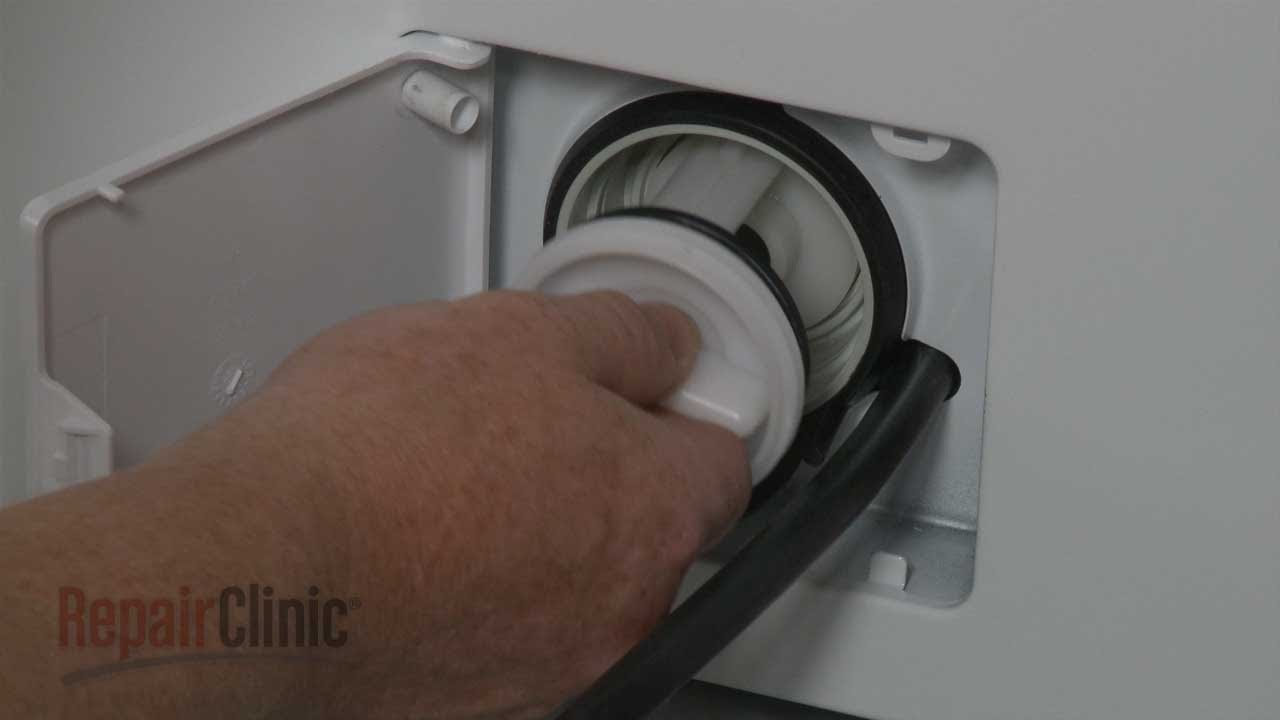
Locate and Clean the Drain Filter
The most common fix for drainage issues is cleaning the drain filter. On most Asko models, it is behind a small access panel at the bottom front of the machine. Place a shallow tray underneath to catch residual water, usually 1 to 2 cups.
Turn the filter counterclockwise to remove it. Expect lint, coins, hair, and small objects. Rinse the filter under running water and inspect the housing for debris. Reinstall securely to prevent leaks.
Do this monthly to avoid clogs. A blocked filter forces the drain pump to work harder, shortening its lifespan. It also traps stagnant water, leading to mold and foul odors.
Inspect the Drain Hose Path
Check the drain hose for kinks or sharp bends. The hose should loop up to a standpipe or laundry sink, but not be pushed more than 6 inches into the pipe, otherwise siphoning can occur. Ensure the total vertical height of the hose does not exceed 96 inches from the floor, as this can prevent proper drainage.
Also verify that household plumbing is not clogged. Run water in the sink or tub connected to the same drain line. If it backs up, the issue may be in your home’s waste system, not the washer.
Fix Door Lock and Start Failures

Test the Door Seal and Latch
If your Asko washer will not start, the first step is ensuring the door is fully closed. Even a small gap prevents the lock from engaging. Wipe the rubber door gasket clean because debris like fabric or detergent residue can block a proper seal.
Close the door firmly and listen for the click of the lock engaging. If you do not hear it, press the Start button again. Some models require a firm push to activate.
If the door still will not lock, unplug the machine and inspect the latch area. Look for cracks or broken plastic parts. Never force the door shut because this can damage the locking mechanism.
Replace Faulty Lock Assemblies
When the door fails to lock or unlock automatically, the electronic lock motor or sensor has likely failed. This is a common wear item after years of use.
Replacement requires disconnecting power, removing the front or top panel, and accessing the lock housing near the door frame. Disconnect the wiring harness and unscrew the assembly. Install the new unit with genuine Asko parts because aftermarket locks often fail prematurely due to lower durability.
Reconnect and test before reassembling. Plug in the machine, close the door, and start a short cycle. Confirm the lock engages and releases correctly.
Stop Vibration and Noise Issues
Level the Machine Properly
Excessive shaking is often due to improper leveling. Asko’s Quattro Construction minimizes vibration, but only when the machine is perfectly balanced.
Use a bubble level on the top of the washer. Adjust the front feet by turning them clockwise to raise or counterclockwise to lower. The back feet are usually self-adjusting but can be fine-tuned manually.
Rock the machine gently side to side and front to back. If any leg lifts, adjust until all four feet are firmly planted. This simple fix resolves 80% of vibration complaints.
Replace Worn Shock Absorbers
If the machine still bangs during spin, the shock absorbers may be worn. These dampers control drum movement and degrade over time, especially in high-use households.
To inspect, unplug the washer and remove the back panel. Look for oil leaks on the shocks because this indicates failure. Test by pushing down on the drum; if it bounces excessively, the shocks are weak.
Replacement involves disconnecting the drum supports and swapping out both shocks. Always replace in pairs and use OEM parts to ensure proper damping force and alignment with the Quattro system.
Diagnose Motor and Spin Failures
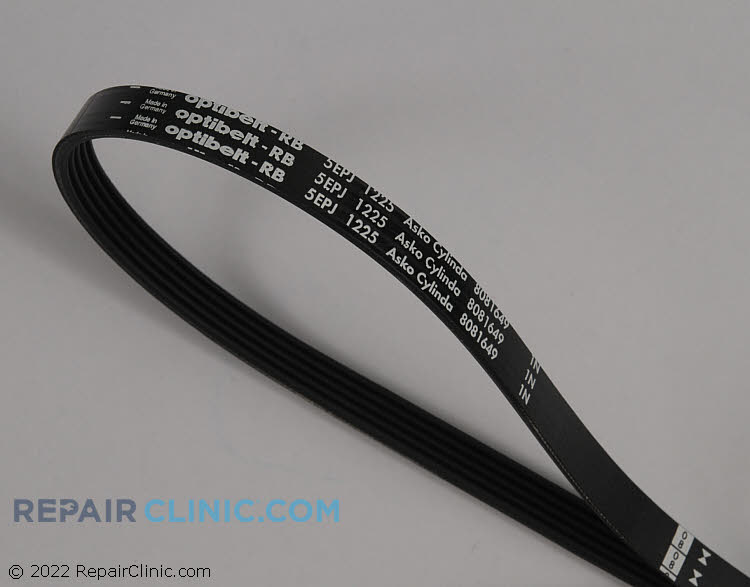
Check Drive Belt and Motor Function
On belt-driven Asko models, a broken or loose belt prevents spinning. Open the back panel and inspect the belt connecting the motor to the drum pulley. Look for cracks, fraying, or slippage.
If the belt is intact, run a spin cycle and watch the motor. If it hums but the drum does not move, the motor may be seized or the clutch worn. If the motor does not run at all, test for power using a multimeter.
For direct-drive models without a belt, the Silent Motor is integrated into the drum base. These are more reliable but harder to repair. A grinding noise or failure to spin points to internal motor failure requiring full replacement.
Test the Control Board
If the motor receives no power, the main control board may be faulty. This board manages all cycle functions and can fail due to power surges or moisture exposure.
Check for visible signs like burnt spots, bulging capacitors, or corrosion. Use diagnostic mode if available to run a test cycle. Some models allow access via a button sequence like pressing Options plus Start for 5 seconds.
If the board does not respond, replacement is necessary. Program the new board with model-specific settings because many technicians use factory tools to ensure compatibility.
Prevent Odors and Detergent Buildup
Use HE Detergent Correctly
One of the top causes of odor and poor performance is using too much detergent, especially non-HE formulas. Asko’s Active Water system uses less water, so excess soap does not rinse out. This leaves residue that traps bacteria and mold.
Always use high-efficiency HE detergent. For most loads, one tablespoon is enough. Use less for small or lightly soiled loads. Avoid liquid pods because they often do not dissolve fully and can clog the dispenser.
Run Monthly Cleaning Cycles
Prevent mold by running a maintenance wash every 4 to 6 weeks. Use a washing machine cleaner or 2 cups of white vinegar. Set the cycle to the hottest water setting at 194 degrees Fahrenheit and longest wash time.
Leave the door and detergent drawer open after each use to allow moisture to evaporate. Wipe the gasket weekly with a dry cloth, especially in humid environments.
When to Call a Professional Technician

Avoid DIY for Internal Repairs
While filter cleaning and leveling are safe for users, internal repairs require expertise. Opening the cabinet to access pumps, motors, or electronics risks water leaks from improperly reconnected hoses, electrical shock from high-voltage components, and voiding warranties by using non-OEM parts or unauthorized service.
Asko’s sealed systems and precision tolerances mean even small mistakes can lead to major failures. A misaligned drum can destroy bearings, and a loose wire can short the control board.
Choose Factory-Certified Repair Services
For reliable repairs, use factory-trained technicians. They have access to genuine Asko parts, manufacturer diagnostic tools, and knowledge of model-specific quirks.
In cities like New York, Denver, Seattle, and Texas metros, certified technicians offer same-day service, 24/7 emergency response, and 90-day to 1-year warranties on parts and labor. They arrive with common replacement components like pumps, locks, and shocks, so most repairs are completed in one visit.
Maintain Peak Performance Long-Term
Follow a Simple Maintenance Schedule
Extend your Asko washer’s 20-year lifespan with routine care.
Clean the drain filter monthly. Wipe the door gasket weekly. Run a cleaning cycle every 1 to 2 months. Inspect hoses every 6 months. Get a professional inspection every 3 to 5 years.
This routine prevents 90% of common failures. A clogged filter or moldy seal will not just cause odors, it can trigger error codes and premature part wear.
Invest in Professional Installation
If you are replacing or relocating your Asko washer, professional installation is worth the cost. Technicians ensure correct leveling on uneven floors, proper drain hose height and loop, secure water connections with flood-safe valves, and electrical safety and grounding.
Improper installation is a leading cause of vibration, leaks, and drainage issues, even on new machines.
Frequently Asked Questions About Asko Washing Machine Repair
Why does my Asko washer display an error code?
Error codes like E10 for water inlet issues or E20 for drainage problems indicate specific sensor or component failures. Check your user manual for the exact code meaning, and try basic fixes like resetting the machine or cleaning the filter before calling a professional.
Can I repair my Asko washing machine myself?
You can safely perform basic maintenance like cleaning the drain filter, wiping the door gasket, and leveling the machine. However, internal repairs involving motors, control boards, or water systems should be left to certified technicians to avoid safety risks and warranty voiding.
How often should I clean the drain filter on my Asko washer?
Clean the drain filter monthly to prevent clogs and drainage issues. If you notice slow draining, gurgling sounds, or water remaining in the drum after cycles, clean the filter immediately regardless of schedule.
What causes excessive vibration during the spin cycle?
Excessive vibration usually stems from improper leveling, worn shock absorbers, or unbalanced loads. Start by adjusting the feet with a bubble level. If vibration persists, the shock absorbers may need replacement.
Why does my Asko washer smell bad?
Odor issues typically result from overusing detergent, leaving the door closed between cycles, or neglecting the drain filter. Use only HE detergent in the correct amount, leave the door open to air out the drum, and run monthly cleaning cycles with vinegar or a machine cleaner.
How long do Asko washing machines last?
Asko washing machines are engineered for up to 20 years of reliable service with proper maintenance. Regular filter cleaning, correct detergent usage, and professional repairs when needed can help achieve this lifespan.
Key Takeaways for Asko Washing Machine Repair

Asko washing machines are built to last, but they need the right care when problems arise. By understanding common failures and respecting the machine’s engineering, you can avoid costly mistakes. Clean the filter monthly, use the right detergent, and level the unit regularly to prevent most issues.
For anything beyond basic maintenance, trust a certified technician. The brand’s sophisticated Quattro Construction, Silent Motor, and Active Water technology require specialized knowledge and genuine parts to repair correctly. Attempting DIY fixes on internal components risks water damage, electrical shock, and voided warranties.
With proper repair and upkeep, your Asko washer will deliver quiet, efficient performance for years to come, just as Scandinavian design intended.