You’ve found the perfect pair of jeans. Dark indigo, flawless fit, built to last. But after a few washes, they fade, shrink, or lose their shape. The culprit is washing them wrong. Learning how to wash denim in washing machine properly isn’t complicated, but it requires intention. Over-washing strips color, weakens fibers, and destroys the fade you want to earn. This guide delivers exact steps backed by denim experts to keep your jeans looking sharp, fitting right, and lasting years.
We’ll walk you through when to wash, how to prep, which settings to use, and why air drying is non-negotiable. Whether you own raw selvedge or everyday dark wash, these techniques preserve color, prevent shrinkage, and maintain structure.
Wash Less, Wear More
Follow the 10-Wear Rule
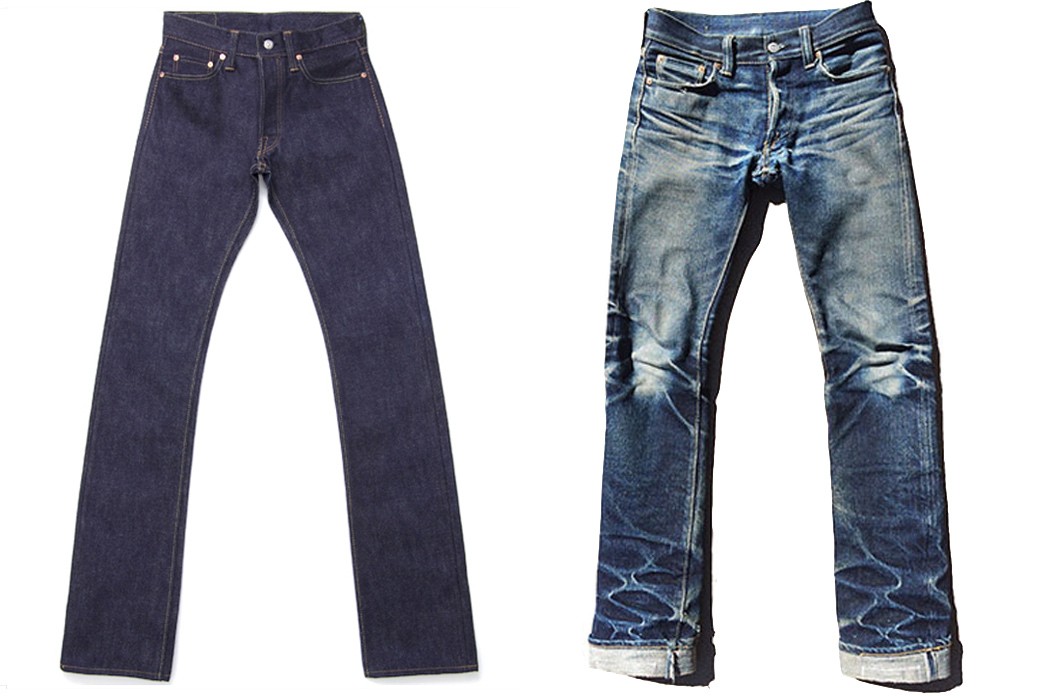
Wash your jeans only after about ten wears, unless they’re visibly dirty or smell. Denim doesn’t need frequent cleaning like other clothes. Cotton fibers strengthen with wear, and indigo fades beautifully over time when left alone. Washing too often breaks down starch and surface dye, leading to limp fabric and dull color.
This rule applies especially to raw denim, which develops unique creases and honeycombs from body movement. The longer you wait to wash, the more personalized the fade becomes.
When Washing Is Necessary
Skip the wash cycle if your jeans look clean with no stains or persistent odor. For light odors, spot clean with cold water or hang in fresh air. If they still smell, try a vinegar soak instead of a full wash.
Prep Jeans Before Washing

Sort by Color and Type
Always wash dark jeans separately for the first two to three cycles. New denim bleeds excess indigo, which can stain other clothes. After initial washes, group by color: dark blues and blacks together, light washes with lights, and never mix with whites. For raw or high-end selvedge denim, wash solo to avoid abrasion and dye transfer.
Turn Jeans Inside Out
This step is non-negotiable. Washing inside out protects the outer fabric from friction inside the drum and other garments. It keeps the color vibrant and prevents premature fading. It also exposes the inner layer where body oils and sweat accumulate to detergent.
Fasten Zippers and Buttons
Zip up and button your jeans before washing. This keeps the shape intact and prevents metal rivets from snagging fabric, zipper teeth from damaging other clothes, and waistband distortion during agitation.
Choose the Right Detergent

Use Mild, Bleach-Free Liquid Detergent
Harsh detergents strip indigo and weaken cotton. Always use liquid detergent, bleach-free formula, and cold-water compatible options. Recommended choices include Woolite Dark for preserving black and indigo, The Laundress Denim Wash for pH-balanced cleaning, Dr. Bronner’s Castile Soap as a natural option, and Tide Free and Gentle for color-safe washing.
Skip Fabric Softener
Most experts strongly advise against fabric softener. It coats fibers with chemicals that reduce breathability, prevent natural fading, attract dirt over time, and degrade fabric strength. While one source claims it prevents stretching, the consensus is clear: skip it for long-term care.
Try Vinegar and Salt Rinse
For extra color protection, add a natural rinse during the rinse cycle. Use one cup of white vinegar and one tablespoon of salt. This helps lock in dye, removes detergent buildup, and softens fabric naturally.
Set Machine for Gentle Wash
Use Cold Water Only
Set temperature to cold, around 30°C or 86°F or lower. Hot water causes cotton to shrink, accelerates fading, and distorts fit. Cold water cleans effectively without damage.
Select Delicate or Hand-Wash Cycle
Choose the gentlest cycle available: Delicate, Hand Wash, or Wool. These use slow agitation and minimal tumbling, mimicking hand washing. Avoid Heavy Duty or Normal cycles.
Use Low Spin Speed
High spin creates vertical crease lines that become permanent. Use the lowest spin setting or stop the machine before the final spin. Remove jeans and roll them in a towel to extract water manually.
Handle Special Denim Types
Wash Raw Denim by Hand
While you can machine wash raw denim, hand washing is ideal. Fill a tub with cold water, add a small amount of mild detergent, and submerge jeans inside out. Soak for 30 to 60 minutes, then gently swish without scrubbing. Rinse thoroughly, roll in a towel to dry, and air dry in shade.
Care for Black Denim
Black fades fast. To keep it deep, wash inside out, use cold water only, choose black-specific detergent, and never dry in sunlight. UV rays turn black to grey.
Wash New Denim Separately
For the first two to three washes, only wash new jeans alone. Excess dye will bleed. Continue until water runs clear.
Handle White Denim Carefully
Wash white denim separately. For tough stains, small amounts of bleach are acceptable, but use sparingly to avoid yellowing or fiber damage.
Air Dry, Never Use Dryer
:max_bytes(150000):strip_icc()/SPR-how-to-dry-jeans-the-right-way-8358150-hero-9dbf2144ef7c4967bd077b6b6b6e7941.jpeg)
Skip the Tumble Dryer
Do not put jeans in the dryer. Heat causes shrinkage up to two sizes, fiber breakdown shown as lint in the filter, warping and wrinkles, and fading from heat exposure. Even low-heat settings risk damage over time.
Air Dry in Shade
Hang jeans to dry right-side out in a shaded, well-ventilated area on a drying rack or hanger. Right-side out prevents inner seams from stiffening, ensures even airflow, and reduces outer surface stiffness. Avoid direct sun because UV rays destroy dyes quickly.
Remove Excess Water Gently
Before hanging, roll jeans in a dry towel and press to absorb moisture. Never wring or twist because it distorts the weave.
Maintain Between Washes
Spot Clean Stains Immediately
For small spills or marks, dampen a soft cloth or toothbrush, apply mild soap, gently dab or brush the area, and let air dry. This avoids full washes and extends wear time.
Freeze for Short-Term Odor Control
Freezing kills some bacteria and reduces smell, but does not clean dirt or oil. It’s a temporary fix. For real cleaning, wash or spot clean.
Refresh with Steam
Use a garment steamer to remove wrinkles, kill odor-causing bacteria, and relax fibers without water. This is great for keeping jeans fresh between wears.
Troubleshoot Common Denim Problems
Jeans Smell After Washing
Cause: Detergent residue or mildew from damp storage. Solution involves rewashing with vinegar rinse, ensuring full drying before storing, and storing in a dry ventilated space.
Jeans Are Stiff After Drying
Cause: Air drying removes moisture slowly, leaving fibers tight. Solution involves wearing them because body heat softens fabric naturally. Avoid fabric softener which masks the issue with chemicals.
Dye Transfers to Skin or Other Clothes
Cause: Excess indigo in new or raw denim. Solution involves washing separately until water runs clear, using vinegar soak to help set dye, and avoiding light-colored tops or chairs when new.
Vertical Lines on Legs
Cause: High-speed spin cycle. Solution involves using the lowest spin setting, stopping the machine before final spin, and rolling in a towel instead.
Follow the Denim Care Checklist
| Step | Action |
|---|---|
| 1 | Wear 8 to 10 times before washing unless dirty |
| 2 | Turn jeans inside out |
| 3 | Zip and button all closures |
| 4 | Sort by color, wash darks separately |
| 5 | Use cold water below 30°C or 86°F |
| 6 | Select delicate cycle with low spin |
| 7 | Use mild bleach-free liquid detergent |
| 8 | Skip fabric softener |
| 9 | Air dry in shade, right-side out |
| 10 | Never use dryer |
Extend Denim Life Sustainably
Wash Less, Save Resources
Cold water saves energy, air drying cuts electricity use, and fewer washes mean less water waste. A single pair of jeans uses 7,500 liters of water to produce. Washing less honors that investment.
Repair and Reuse
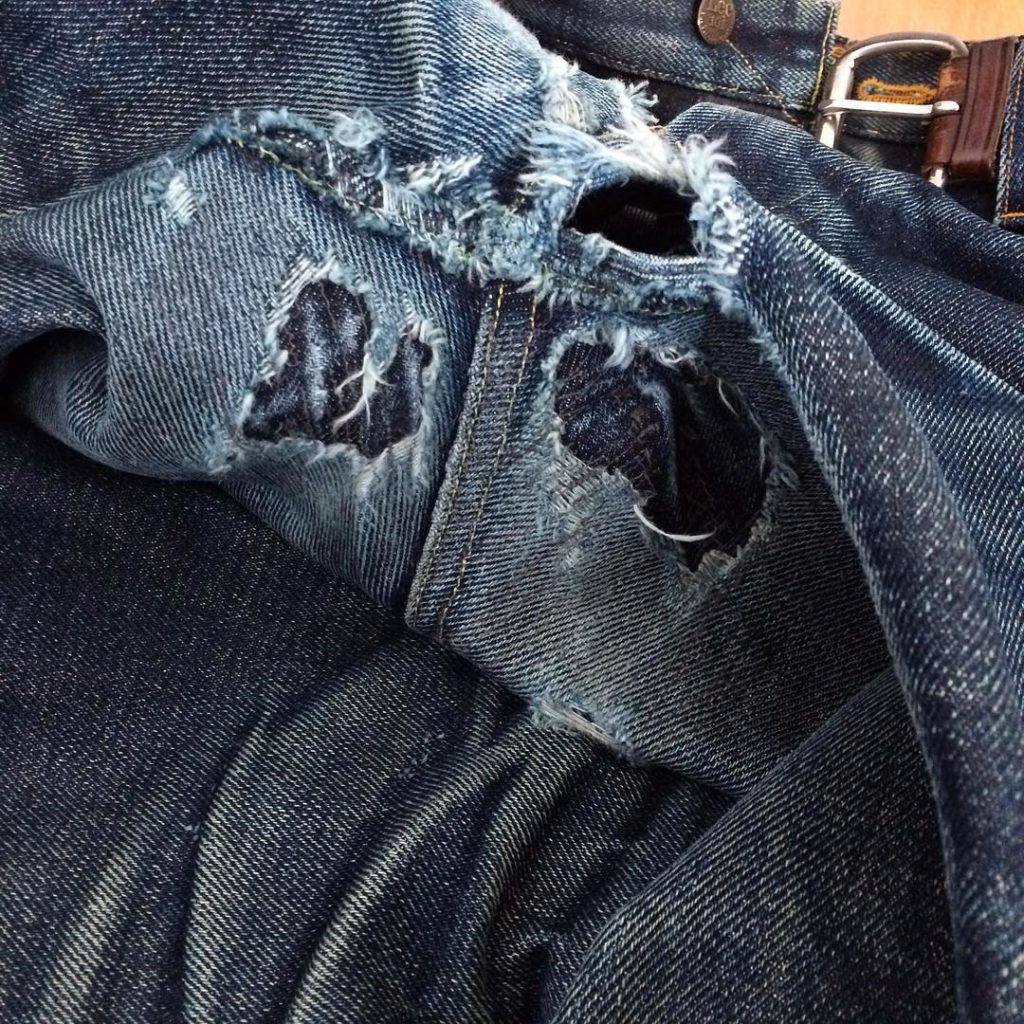
When jeans wear out, patch holes with iron-on or stitched patches, turn them into shorts, or recycle through brand take-back programs. Proper care means your jeans last five, ten, or even 15 years, not one season.
Frequently Asked Questions About Washing Denim in a Washing Machine
How often should I wash my jeans?
Wash jeans approximately every ten wears, or sooner if visibly dirty or smelling. Over-washing causes premature fading and fiber breakdown.
Can I wash all types of denim in a washing machine?
Yes, but raw denim benefits from hand washing. Always use cold water, gentle cycle, and wash inside out regardless of denim type.
What temperature is safest for washing denim?
Use cold water at 30°C or 86°F or lower. Hot water causes shrinkage and rapid fading.
Should I use fabric softener on jeans?
No. Fabric softener coats fibers with chemicals that reduce breathability and prevent natural fading. Most experts recommend avoiding it.
Why do my jeans shrink in the dryer?
Heat from the dryer causes cotton fibers to contract significantly, sometimes shrinking jeans by two sizes. Always air dry in shade instead.
How do I prevent dye transfer from new jeans?
Wash new jeans separately for the first two to three cycles until water runs clear. Use a vinegar rinse to help set the dye.
Key Takeaways for Washing Denim in Washing Machine
Learning how to wash denim in washing machine the right way isn’t about convenience. It’s about respect for the fabric. Cold water, inside-out washing, gentle cycles, and air drying preserve color, fit, and fade. Avoiding the dryer alone can save your jeans from shrinking out of existence.
Follow these steps and your denim won’t just survive. It will evolve. Each wear, each crease, each fade becomes part of your story. Wash less, wear more, and let your jeans earn their character the right way.