Corduroy pants bring a timeless, textured style to any wardrobe perfect for fall layering or smart-casual spring looks. But many people avoid washing them at home, fearing shrinkage, lint buildup, or crushed wales. The good news? You can safely wash corduroy pants in the washing machine if you follow the right steps. Done incorrectly, they can shrink, fade, or turn into lint magnets. But with proper sorting, temperature control, and drying, your corduroy stays soft, vibrant, and wrinkle-free for years.
This guide walks you through every step from checking the care label to restoring the nap after drying so you never have to dread laundry day again. Whether you own vintage flares or modern slim-fit cords, these expert-backed methods ensure your pants look as good as new.
Check the Care Label Before Washing
Before tossing your corduroy pants in the machine, check the care label inside the garment. It provides the most reliable washing instructions specific to your pants.
What “Dry Clean Only” Means for Pants
If the label says “Dry Clean Only,” respect it for structured garments like corduroy blazers. Even if the outer fabric is cotton, internal components like shoulder pads can warp or collapse in water. For pants, though, machine washing is usually safe unless the label explicitly states otherwise.
Confirm Your Fabric Type
Most corduroy is 100% cotton or a cotton-polyester blend. Cotton is prone to shrinking, so heat control is essential. Blends may handle warm water slightly better, but cold is still the safest choice.
Sort Laundry to Prevent Lint Problems
Corduroy’s nap attracts lint like a magnet. One wash with a towel can ruin your pants completely.
Fabrics to Never Wash with Corduroy
Never wash corduroy with lint-shedding fabrics. These include towels, terry cloth, fleece jackets, sweaters, woolens, robes, and bathrobes. These fabrics shed fibers that embed into the wales and become nearly impossible to remove.
Separate by Color and Weight
Separate dark corduroy pants from light colors to prevent bleeding. Group similar fabric weights together to reduce tangling and ensure even cleaning.
Prepare Pants for the Washing Machine

Proper preparation protects the texture and shape of your pants during the wash cycle.
Turn Pants Inside Out
Always turn corduroy pants inside out before washing. This single step shields the nap from friction, fading, and snagging in the drum. It is the most effective action to preserve softness and color.
Fasten All Zippers and Buttons
Close all zippers and buttons to prevent snagging on other garments, twisting during the spin cycle, and damage to the wales.
Pre-Treat Stains First
Apply an enzyme-based stain remover or liquid detergent directly to soiled areas like knees, cuffs, and the waistband. Gently rub in with your fingers and let it sit for at least 10 minutes before washing.
Select the Right Wash Settings
Choosing the correct cycle and temperature prevents damage to the fabric.
Choose a Gentle Cycle
Opt for the Gentle or Delicate cycle on your machine. This reduces agitation and protects the wales from flattening or pilling. For front-loaders, the Cotton Normal cycle at 30°C (86°F) works for sturdy cords.
Set Cold Water Temperature
Cold water (30°C/86°F) is best for dark colors and prevents fading and shrinkage. Use warm water only for light or pastel cords with heavy soil if the label allows. Avoid hot water unless you are intentionally pre-shrinking for alterations.
Do Not Overload the Machine
Fill the drum no more than 70% capacity. Overcrowding traps lint and blocks water flow, leading to poor rinsing and residue buildup.
Pick the Correct Detergent
The right detergent keeps cords clean without leaving buildup.
Use Liquid Detergent
Liquid detergents dissolve better and leave less residue than powders, which is ideal for textured fabrics. For front-loaders, use HE (high-efficiency) liquid detergent as recommended.
Skip Fabric Softener
Fabric softener can coat fibers, dull the nap, and leave greasy residue. Use it sparingly only if your cords feel stiff after washing.
Never Use Bleach
Avoid chlorine bleach, which weakens cotton and fades color. Use oxygen-based stain removers instead for tough spots.
Front-Loader vs Top-Loader Differences
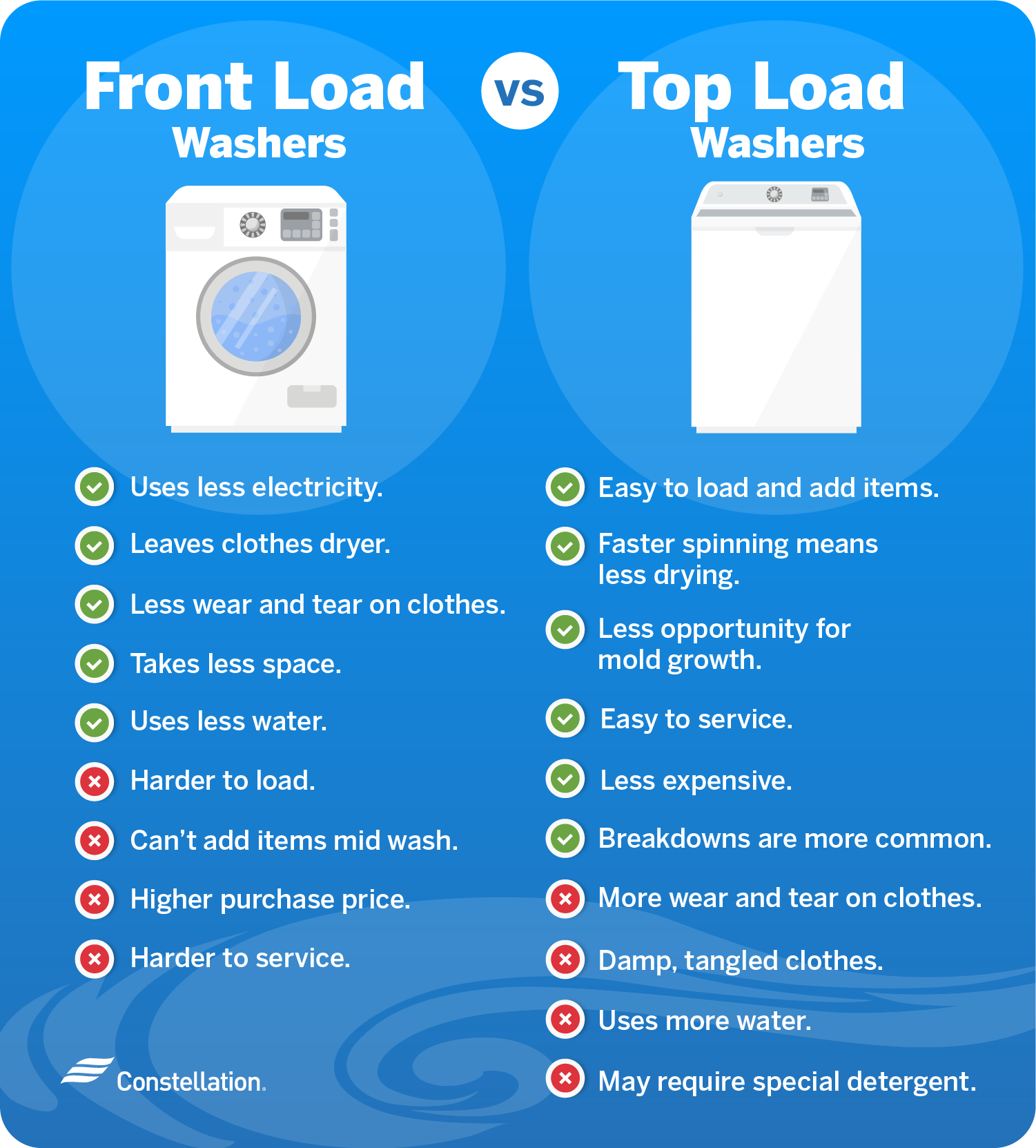
Front-loaders are gentler on corduroy due to no central agitator.
Front-Loader Best Practices
Use one capful of front-load detergent and select Cotton Normal at 30°C. Allow the machine to auto-adjust to a moderate spin of 800-1000 RPM, which is safe for corduroy.
Top-Loader Tips
If using a top-loader, choose a gentle cycle and avoid machines with central agitators. Ensure clothes move freely and use cold water only.
Dry Corduroy Pants Without Damage

Drying is where most damage occurs. Heat causes shrinkage, especially in the legs.
Air Dry for Best Results
Hang pants on a sturdy hanger or lay flat to air dry. Keep them out of direct sunlight to prevent fading. Smooth out creases immediately after hanging.
Tumble Dry on Low Heat
If using a dryer, select Low or Extra-Low heat. Dry only until damp, then hang to finish. Never over-dry, as this stiffens the fabric.
Restore the Nap After Drying
The nap can flatten even with careful washing. Here is how to revive it.
Fluff in Dryer Briefly
Toss pants in the dryer with 2-3 wool dryer balls and one damp microfiber towel. Run on low heat for 5 minutes. The moisture and agitation lift the wales.
Steam to Lift Flattened Fibers
Hold a clothes steamer 4 inches from the fabric. As you steam, brush the nap downward with a soft clothes brush to realign the wales.
Iron Inside Out If Needed
Never iron the right side, as this crushes the pile. Turn pants inside out, use low heat with steam, and place a clean cloth between the iron and fabric.
Remove Lint Effectively
Lint sticks easily to corduroy, but it can be removed.
Brush in the Direction of the Nap
Use a lint brush or clothes brush. Always stroke in the direction of the nap, never against it. Brushing against the grain damages the wales.
Prevent Lint During Washing
Wash inside out, avoid lint-shedding fabrics, do not overload the washer, and use an extra rinse cycle if needed.
Store Cords Properly
Good storage prevents wrinkles and lint transfer.
Hang Instead of Fold
Use sturdy hangers to maintain shape. Avoid clip hangers, as they can leave marks on the fabric.
Use Breathable Storage
For long-term storage, clean pants first and store in a canvas garment bag. Keep away from sweaters or robes that shed lint.
Fix Common Corduroy Problems
/GettyImages-1353357771-303b89253a6b43938ceff18dacd9d33f.jpg)
Shrunk Pants
Hot water or high-heat drying causes shrinkage. Wash in cold and air dry. If you need to alter fit, pre-shrink intentionally with hot wash and dry before tailoring.
Lint-Filled Pants
Washing with towels or fleece causes lint buildup. Use a lint brush and prevent by sorting carefully.
Flat or Crushed Nap
Direct ironing or over-drying flattens the nap. Steam and brush to restore. Tumble briefly with dryer balls for fluffing.
Dull-Looking Cords
Detergent or softener buildup causes dullness. Rewash with measured detergent and avoid softeners.
Final Tips for Long-Lasting Corduroy
Wash corduroy pants less often and spot clean when possible. Steam between wears to remove odors and wrinkles. If altering, pre-wash first to ensure all shrinkage happens before tailoring. Rotate your pairs to reduce wear and extend life.
Frequently Asked Questions About Washing Corduroy Pants
Can I wash corduroy pants in the washing machine?
Yes, you can wash corduroy pants in a washing machine if you use cold water, a gentle cycle, and turn them inside out first. This protects the nap and prevents damage.
What temperature should I use to wash corduroy pants?
Use cold water (30°C/86°F) for best results, especially for dark colors. Cold water prevents fading and shrinkage. Warm water is acceptable only for light colors with heavy soil.
Why does corduroy attract so much lint?
Corduroy has a nap (directional texture) that acts like a magnet for loose fibers. Washing with towels, fleece, or other lint-shedding fabrics causes lint to embed in the wales.
How do I prevent corduroy from shrinking?
Wash in cold water, avoid high-heat drying, and air dry when possible. Never use hot water or high dryer heat unless intentionally pre-shrinking for alterations.
Should I use fabric softener on corduroy pants?
Avoid fabric softener if possible, as it can coat fibers and dull the nap. Use it sparingly only if your cords feel stiff after washing.
How do I restore flattened corduroy nap?
Tumble dry on low heat with wool dryer balls for 5 minutes, then steam while brushing the nap downward with a clothes brush to realign the wales.
Key Takeaways for Washing Corduroy Pants
Washing corduroy pants in the washing machine is safe and simple when you protect the nap, control heat, and prevent lint. Always turn pants inside out, use cold water, and select a gentle cycle. Air drying or tumble drying on low heat preserves the texture and prevents shrinkage. Follow these steps to keep your cords soft, vibrant, and stylish season after season.