Nothing beats throwing on your favorite hoodie, soft, cozy, and familiar. But over time, wear and sweat take a toll, and you are left wondering: can I toss it in the washing machine without ruining it? The good news is yes, if you do it the right way. Washing a hoodie incorrectly can lead to shrinkage, pilling, faded colors, or cracked prints. But with the right steps, you can keep your hoodie looking fresh and feeling plush for years.
This guide walks you through every detail, from prep to drying, so you never have to second-guess laundry day again. You will learn how often to wash your hoodie, how to protect prints and fabric, which settings to use, and why air drying is your best friend. Whether it is a cotton blend, fleece, or zip-up, these expert-backed methods ensure long-lasting comfort and performance.
Wash Frequency: How Often Should You Wash a Hoodie
How often you wash your hoodie depends on how you wear it. Over-washing is a leading cause of fabric breakdown, so timing matters.
Casual Wear: Every 5 to 7 Wears
For everyday use, running errands, commuting, or lounging, washing after every wear is not necessary. Outerwear like hoodies does not absorb sweat like t-shirts. Washing every 5 to 7 wears prevents unnecessary fiber stress while keeping it fresh.
Workout or Heavy Sweat: Every 2 to 3 Wears
Performance hoodies worn during exercise trap moisture and bacteria. Wash these more frequently, every 2 to 3 uses, or immediately after intense sweating to prevent odor buildup.
Wash Immediately If
There are certain situations when you should not wait for your usual washing interval. Wash right away if there is visible dirt or spills, if the hoodie smells musty or sour, or if you have worn it in smoky or greasy environments. Ignoring these signs leads to set-in stains and deep odors that are hard to remove later.
Pre-Wash Prep Checklist

Skipping prep is the fastest route to pilling, snags, and shrinkage. Take 5 minutes before washing to protect your hoodie.
Check the Care Label First
Every hoodie has a care tag, read it. It tells you if the fabric needs cold water only, cannot be tumble dried, or requires hand washing. Wool, performance blends, and screen-printed designs often have special rules.
Treat Stains Before Washing
Washing without treating stains can bake them in, especially with heat. Always inspect and act fast.
Sweat Stains on White Hoodies
Mix equal parts white vinegar and water. Dab on underarms or collar, let sit 10 minutes, then wash.
Oil or Grease Spots
Blot with a dry paper towel to soak up excess oil. Apply a drop of dish soap directly to the stain. Gently rub in, wait 5 minutes, then wash. Never dry until the stain is gone because heat sets oil permanently.
Food, Grass, or Blood Stains
Use a color-safe stain remover. Test on an inside seam first. Dab, do not scrub, to avoid fiber damage.
Sort Smart to Prevent Damage
Separate by color, darks with darks, lights with lights. Avoid rough fabrics, never wash with jeans, towels, or anything with zippers or Velcro. Ideal load mates are soft cotton tees, joggers, or wash solo. Rough items act like sandpaper on fleece, causing pilling and snags.
Turn Inside Out, Zip, and Secure

This trio of steps protects appearance and structure.
Turn Hoodie Inside Out
This simple move shields outer fabric from friction, prevents pilling on soft fleece, preserves screen prints and colors, and reduces fading from agitation.
Zip Up Fully
For zip-up hoodies, close the zipper completely to protect teeth and fabric. Use a safety pin to secure the pull so it does not slide down mid-cycle. An open zipper can snag and tear other garments or ruin its own lining.
Knot the Drawstrings
Tie a small knot at each end of the drawstring to prevent it from slipping into the hood channel. If they disappear, rethreading is a pain. A loose loop tie also works.
Use a Mesh Laundry Bag
Slip the hoodie into a mesh bag for extra protection. It reduces friction, prevents tangling, and keeps the garment isolated from rough items, all while letting water and detergent through.
Machine Settings That Prevent Damage

Your washing machine settings make or break your hoodie is lifespan. Get these right.
Use Cold Water Only
Hot water shrinks cotton, fades colors, and damages prints. Cold water prevents shrinkage, stops dyes from bleeding, keeps fabric soft, and is effective for cleaning light to moderate soil. Even warm is not safe for long-term care.
Select Gentle or Delicate Cycle
Avoid the Normal cycle. Its aggressive spinning and agitation wear down fibers. Choose Gentle, Delicate, or Hand Wash if available. These use slower, softer motions that clean without beating up the fabric.
Choose the Right Detergent
Use a mild, plant-based, or color-safe detergent. Harsh chemicals break down fibers over time.
Add White Vinegar
Add one-half cup of white vinegar to the rinse cycle. It acts as a natural softener, prevents color bleeding, and removes detergent residue.
Skip Fabric Softener
Never use liquid softener or dryer sheets. They coat fibers with a waxy layer that makes fleece feel stiff, reduces breathability, and ruins moisture-wicking ability. If you want softness, use wool dryer balls instead.
Run an Extra Rinse
Hoodies are thick, so detergent can get trapped. Use the extra rinse option to flush out all soap. Leftover residue causes stiffness and skin irritation.
Do Not Overload the Machine
Give the hoodie room to move. Overcrowding increases friction and blocks proper rinsing. If washing one large hoodie, a solo load is fine and often better.
Air Dry: The Best Method
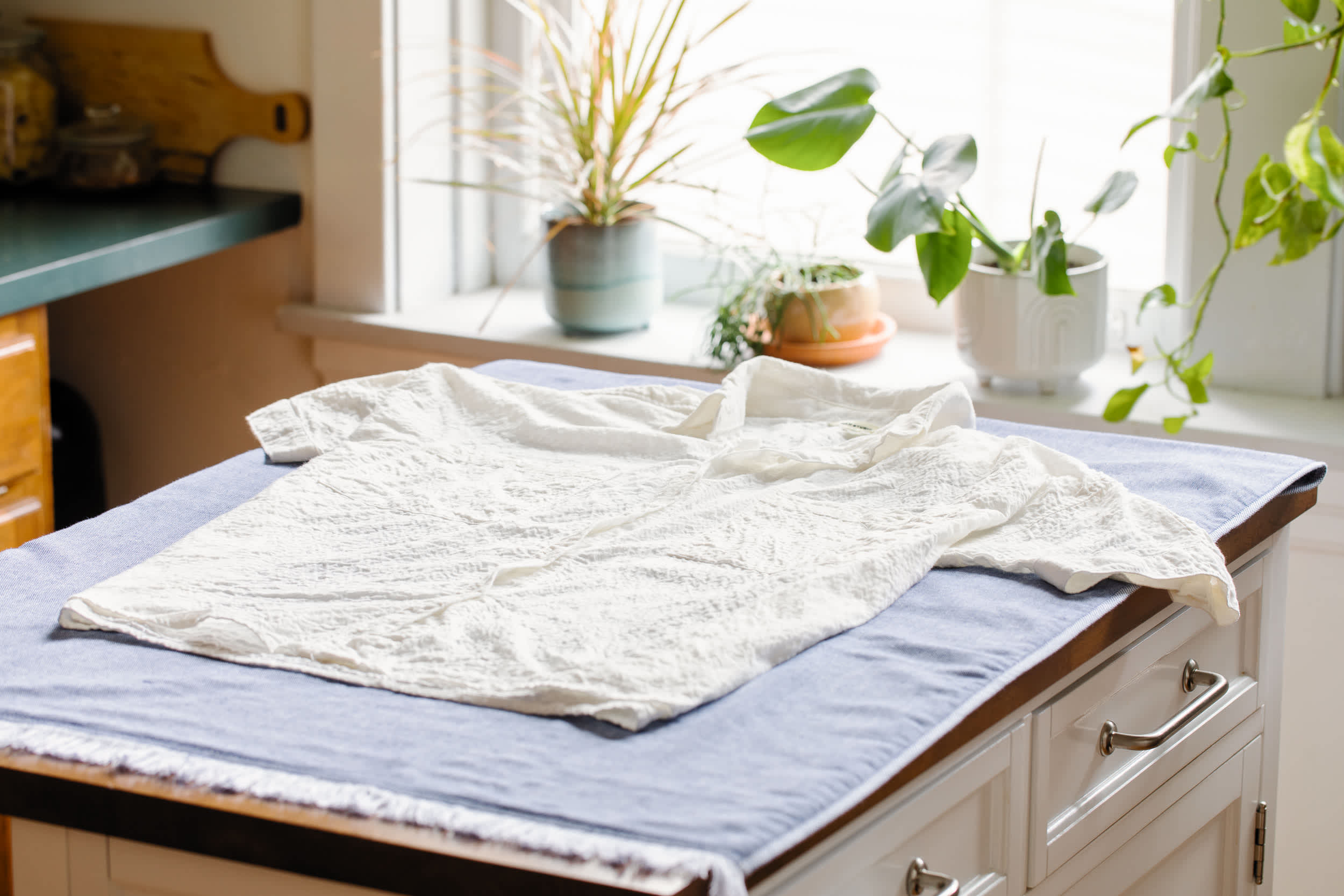
Drying is where most hoodies get ruined. Heat causes shrinkage, print cracks, and texture loss. Air drying is the gold standard.
Lay Flat to Dry
Spread the hoodie on a clean, dry towel or mesh rack. Gently roll the towel to press out excess water, do not wring. Unroll and let it dry flat. This prevents stretching from the weight of wet fabric.
Hang Correctly
Never hang by the shoulders because wet fabric stretches and distorts the shape. Instead, drape over a wide drying rack or use clip hangers on the side seams or hem. Avoid direct sunlight, which fades colors.
Dry Time Tips
Thick or oversized hoodies take 12 to 24 hours to dry. Plan ahead, wash the night before you need it.
Machine Drying: Last Resort Only
If you must use a dryer, follow these rules to avoid disaster.
Use the Lowest Heat Setting
Never use High or Regular. Choose Low heat or Air Fluff, which has no heat. High heat melts synthetic fibers and shrinks cotton blends.
Remove While Damp
Take the hoodie out when it is 90 percent dry. Finish drying flat. Over-drying makes fabric stiff and brittle.
Add Dryer Balls
Toss in 2 to 3 wool dryer balls or clean tennis balls. They fluff the fibers, reduce drying time, and replace fabric softener.
Prep the Hoodie First
Turn inside out, zip up, and place in dryer alone or with similar soft items.
Care by Hoodie Type

Not all hoodies are created equal. Adjust your routine based on fabric.
Fleece and Oversized Hoodies
These are at risk for pilling, crushed loft, and print damage. Do cold wash, gentle cycle, and air dry only. Do not use dryer or wash with rough fabrics.
Zip-Up Hoodies
These face risk of snagged fabric and broken zippers. Do zip fully, secure pull, and double rinse. Do not leave open during wash.
Sherpa and Blanket Hoodies
These are prone to matting and lint attraction. Do wash cold, gentle, and air dry. Do not wash with towels or Velcro items because Sherpa is a lint magnet.
French Terry Hoodies
These face risk of shrinkage. Do cold wash and air dry, or low heat if label allows. They are more durable but still vulnerable to heat.
Cotton/Poly Blends
Common brands like Gildan and Hanes face risk of shrinkage and print cracking. Do cold wash, inside out, low heat max. Do not use high dryer heat, which is a common mistake.
Fix Common Washing Mistakes

Even with care, accidents happen. Here is how to recover.
Accidentally Tumble Dried
If your hoodie shrank or feels stiff, rewash on cold, gentle cycle with no detergent. Air dry flat. Repeat if needed. One mistake is not fatal, just commit to air drying from now on.
Pilling on the Surface
Pills are fuzz balls caused by friction. Do not pull them off. Use a fabric shaver or sweater stone and gently glide over the surface. Prevent future pilling with mesh bags and proper sorting.
Fabric Softener Left a Waxy Feel
You are not stuck with stiff fabric. Rewash with cold water only, no detergent, no softener. Run an extra rinse. Repeat 1 to 2 times until softness returns.
Print Is Cracking
Heat and friction destroy screen prints. Cracks cannot be fixed, but you can stop further damage. Always wash inside out, use cold water, air dry only, and never iron directly on prints.
Drawstring Vanished in the Hood
Prevent this by knotting ends. If it is already gone, attach a safety pin to one end and thread it through the channel. Or use a drawstring retrieval tool, which is inexpensive and handy.
Store Hoodies the Right Way
Proper storage keeps your hoodie fresh and ready.
Always Store 100 Percent Dry
Never fold or hang a damp hoodie. Moisture leads to mildew and musty smells.
Fold, Do Not Hang
Heavy wet hoodies stretch on hangers. When dry, fold to preserve shape. If hanging, use wide, padded hangers to avoid shoulder bumps.
Keep in a Cool, Dark Place
Sunlight fades colors. Store in a drawer or closet away from windows.
Freshen Between Seasons
Before storing off-season, wash and dry completely. Add cedar blocks or lavender sachets to repel moths. Skip mothballs because they leave a chemical smell.
Key Takeaways for Washing Your Hoodie
Washing a hoodie the right way takes a few extra steps, but it pays off in longevity and comfort. Stick to cold water, gentle cycles, and air drying, and your hoodie will stay soft, vibrant, and cozy for years. Always check the care label first, turn the hoodie inside out before washing, and treat stains immediately rather than hoping they will come out in the wash. Whether it is a 50 dollar designer piece or a 10 dollar staple, treat it with care, and it will return the favor.
Frequently Asked Questions About Washing Hoodies
Can I wash my hoodie with other clothes?
You can wash your hoodie with other clothes, but only if they are similar in color and fabric. Never wash hoodies with jeans, towels, or items with zippers or Velcro because these rough materials cause pilling and snags. Ideal wash partners are soft cotton tees, joggers, or pajamas.
Why does my hoodie shrink in the wash?
Your hoodie shrinks because of hot water and high heat drying. Cotton fibers contract when exposed to heat. Always use cold water and either air dry or use the lowest heat setting on your dryer to prevent shrinkage.
How do I get sweat stains out of my hoodie?
Mix equal parts white vinegar and water for white hoodies. Dab the solution onto underarm stains, let sit 10 minutes, then wash normally. For colored hoodies, use a color-safe stain remover and test on an inside seam first.
Can I put my hoodie in the dryer?
You can put your hoodie in the dryer only if you use the lowest heat setting or Air Fluff cycle. Remove the hoodie while it is still slightly damp and finish drying flat. High heat causes shrinkage and damages prints.
How do I prevent pilling on my hoodie?
Prevent pilling by turning your hoodie inside out before washing, using a mesh laundry bag, and sorting properly to avoid rough fabrics. If pilling already exists, use a fabric shaver or sweater stone to remove the fuzz balls gently.
Should I use fabric softener on my hoodie?
Never use fabric softener on hoodies, especially fleece. It coats fibers with a waxy layer that makes the fabric feel stiff, reduces breathability, and ruins moisture-wicking properties. Use wool dryer balls instead for softness.