Duffel bags are workhorses of daily life, lugging gym clothes, travel essentials, and sports gear through airports, car trunks, and gym floors. But after repeated use, they accumulate sweat, dirt, bacteria, and stubborn odors that make them less pleasant to use. If your bag smells musty or looks grimy, it’s time for a deep clean.
The good news? Many duffel bags can be safely washed in a washing machine, but only if they’re made of the right materials. This guide covers everything from checking your bag’s care label to machine washing, hand washing, proper drying techniques, and odor elimination so your bag comes out fresh and ready for its next adventure.
Check Material and Care Label First

Not all duffel bags can survive the washing machine. The first step is checking what your bag is made of and whether it has a care label.
Identify Machine-Safe Materials
Bags made of nylon, polyester, or standard canvas are usually safe for machine washing, as long as they lack rigid frames or delicate details. These fabrics are durable and handle water well, making them resilient to a gentle wash cycle.
Avoid Machine Washing These Types
Never put these in the washer:
* Leather or suede trim, which cracks and discolors when wet
* Bags with rigid frames or base boards that can warp or break
* Water-resistant or coated fabrics where harsh detergents may damage protective layers
* Bags with metal hardware or non-removable wheels that risk drum damage or rust
If your bag has any of these features, skip the machine and opt for hand cleaning instead.
No Label? Hand Wash to Be Safe
Many duffel bags lack care tags. When in doubt, assume it’s not machine washable. Hand washing prevents accidental shrinkage, color fading, or structural damage, and it’s always the gentler choice for your bag.
Empty and Prep the Bag Completely
Before any wash, you must fully prepare the duffel to avoid damage and ensure a deep clean.
Remove All Contents and Debris
Empty every pocket: main compartment, side mesh sleeves, zippered sections, and hidden flaps. Check for forgotten items like wallets, chargers, snacks, or damp towels. Shake the bag upside down vigorously to dislodge dust, sand, and loose dirt.
Vacuum Interior and Corners
Use a handheld vacuum or crevice tool to clean seams, corners, and lining folds where debris hides. A lint roller also works well for sticky particles or pet hair. This step prevents dirt from turning into mud during washing.
Pre-Treat Stains and High-Touch Areas
Spot-treat visible stains before washing:
* Mix lukewarm water with a drop of mild detergent
* Dip a soft brush or cloth and gently scrub stains in circular motions
* Focus on handles, bottom, and zipper areas that collect the most grime
* Let the solution sit for 5 to 10 minutes to break down oils and sweat
Avoid bleach or abrasive cleaners that weaken fabric and fade colors.
Machine Wash Only If Safe
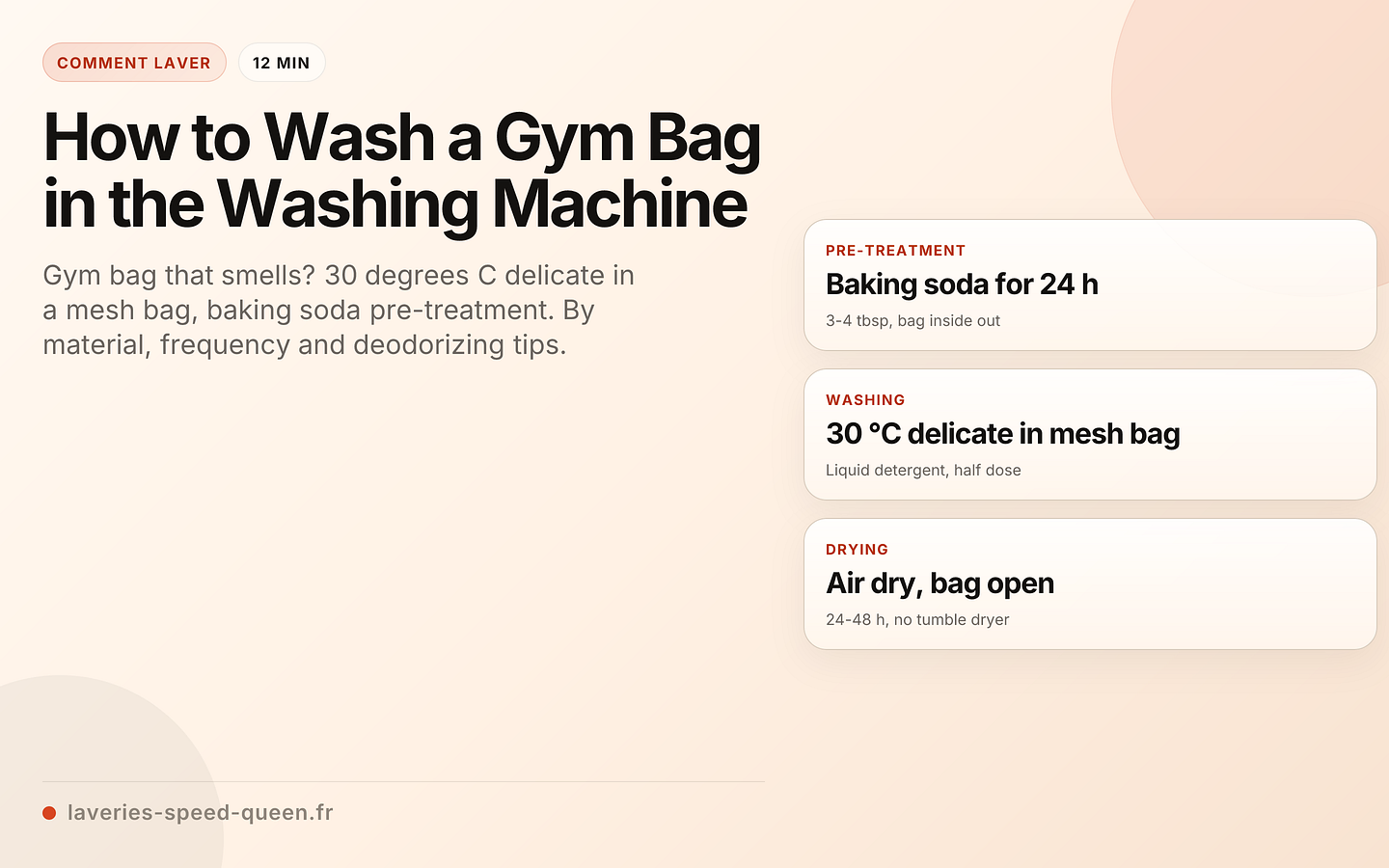
Machine washing saves time, but only if your bag can handle it. Follow these steps carefully to protect both the bag and your washer.
Remove Rigid Inserts and Close Zippers
Take out any removable base plates, shoe compartments, or stiffeners. These can rattle around and damage the drum. Then zip all compartments shut to prevent straps from snagging or buckles from catching on other clothes.
Protect the Bag and Washer
Place the duffel inside a large mesh laundry bag or an old pillowcase. This reduces friction and keeps zippers and handles from scratching the machine’s interior. For extra cushioning, wash it with a load of towels or blankets. Never wash it with delicate fabrics.
Use Cold Water and Gentle Cycle
Set your machine to these specifications:
* Cold water to prevent shrinking, especially in canvas
* Gentle or delicate cycle to reduce agitation stress on seams
* Low spin or no spin to help maintain shape
Use 1 to 2 caps of mild liquid detergent. Never add bleach or fabric softener, as they degrade technical fabrics and leave residue.
Never Wash Alone with Heavy Items
Avoid pairing your duffel with heavy boots, weights, or metal objects. These can bang against the bag and cause tears. If washing solo, balance the load with towels to prevent excessive tumbling.
Hand Wash for Delicate or Structured Bags
If your bag has leather trim, wheels, or a rigid frame, hand washing is the only safe option.
Fill Tub with Soapy Water
Use a bathtub, sink, or large bucket. Fill with lukewarm or cool water and add half a tablespoon of mild detergent. Mix until suds form.
Scrub Exterior and Interior
Dip a soft sponge or brush into the solution. Start with the outside, focusing on handles, bottom, and zippers. Use gentle circular motions to lift dirt without damaging fabric.
For the inside, turn the bag inside out if possible. Wipe the lining with a soapy cloth. For odor-prone gym bags, use a 50/50 mix of water and rubbing alcohol to kill bacteria.
Clean Wheels and Hardware
For wheeled duffels, rotate wheels while scrubbing with a soapy sponge. Dry immediately with a towel to prevent rust. Apply silicone lubricant to axles if they feel stiff.
Rinse Until Water Runs Clear
Drain soapy water and refill with clean, cold water. Submerge the bag or wipe it down with a damp cloth. Squeeze or press to flush out soap. Repeat until no suds remain, as leftover detergent attracts more dirt.
Dry Properly to Prevent Damage
:strip_icc()/GettyImages-1190377029-00371c66117949dab676452a9fc4c1ef.jpg)
How you dry your duffel matters just as much as how you wash it. Heat is the enemy of many bag materials.
Never Use a Tumble Dryer
High heat can shrink canvas, melt waterproof linings, warp plastic frames, and crack leather trim. Even air dry settings often produce warm air. Skip the dryer entirely.
Reshape While Damp
After washing, gently press out excess water with a clean towel. Then reshape the bag to its original form and stuff the interior with paper towels or tissue to help it hold its shape. Open all zippers and pockets for airflow.
Air Dry in a Shaded, Ventilated Area
Hang the bag upside down or lay it flat on a drying rack. Place it in a well-ventilated room away from direct sunlight, radiators or heaters, and humid spaces like bathrooms. Allow 24 to 48 hours for full drying, depending on thickness.
Final Interior Clean After Drying
Once mostly dry, vacuum the inside again to remove any new lint or dust. Wipe with an antibacterial wipe for extra freshness, then leave open to finish drying completely.
Eliminate Odors for Good

Sweat and damp clothes leave behind bacteria that cause persistent smells. Washing helps, but targeted deodorizing is key to long-term freshness.
Use Baking Soda Overnight
Sprinkle baking soda inside the bag and let it sit overnight. In the morning, vacuum it out thoroughly. Baking soda absorbs moisture and neutralizes odors naturally.
Try Natural Deodorizers
- Teabags: Place unused black or green tea bags inside to freshen the scent
- Dryer sheets: Tuck one in for a quick odor mask and replace weekly
- Activated charcoal: Use in a mesh pouch for long-term odor control
Disinfect with Alcohol or Vinegar
For deep odor removal, wipe the interior with 50% water and 50% rubbing alcohol to kill bacteria. Alternatively, use diluted white vinegar. Follow with a damp cloth to rinse, then air dry. Avoid spraying directly on leather or suede.
Prevent Future Odors and Dirt
Keep your duffel fresh between washes with smart habits that stop problems before they start.
Air It Out After Every Use
Leave the bag open and upright for a few hours after each trip. This prevents moisture buildup and stops mildew before it starts.
Use a Gym Clothes Bag
Store sweaty clothes in a sealed plastic bag or wet-dry pouch inside the duffel. This keeps odors and dampness from soaking into the lining.
Clean Regularly Based on Use
- Gym users: Wash once a month
- Travelers or occasional users: Wash every 6 to 12 months
- After beach or muddy trips: Wash immediately
Regular cleaning prevents deep stains and bacterial growth from becoming entrenched.
Material-Specific Cleaning Tips
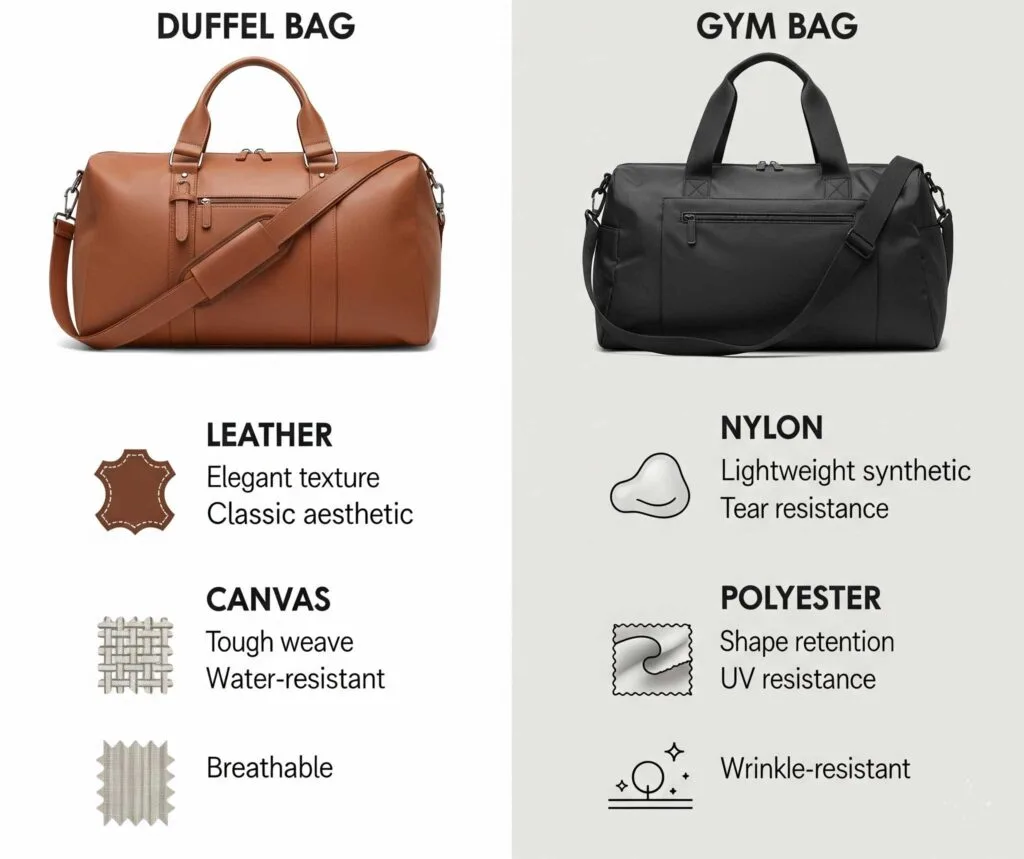
Different materials need different care. Follow these guidelines to avoid accidentally damaging your bag.
Canvas Bags
Canvas can shrink in hot water, so always use cold water and mild detergent. Reshape while damp and air dry flat. If your canvas bag has leather trim, hand wash only and never machine it.
Leather and Suede Accents
Never submerge leather or suede in water or machine wash it. Spot clean only with a leather-safe cleaner and damp cloth. Dry naturally away from heat, stuff with paper to maintain shape, and condition leather after cleaning to prevent drying out.
Wheeled Duffels
Wheels and base collect the most grime, so focus cleaning efforts there. Scrub wheels with warm soapy water and a soft brush. Dry completely before storage to prevent rust, and lubricate wheel axles every few months.
Coated or Water-Resistant Bags
Avoid abrasive brushes or harsh detergents that can damage water-repellent coatings. Test any cleaning solution on a hidden spot first. Skip fabric softener entirely, as it breaks down water-repellent coatings.
Troubleshooting Common Issues
My Bag Smells After Washing
This usually means soap residue or incomplete drying. Rinse thoroughly and ensure full air drying. Add baking soda or activated charcoal inside the bag overnight to absorb lingering odors.
Color Faded After Machine Wash
Hot water or harsh detergent causes color fading. Always use cold water and mild soap. Turn dark bags inside out before washing to protect the outer surface.
Zippers Are Stiff After Washing
Soap buildup or moisture causes stiff zippers. Wipe with a dry cloth and apply a small amount of zipper lubricant or wax.
Bag Lost Its Shape
Improper drying or high-spin cycles cause bags to lose shape. Reshape while damp and stuff with paper. Never tumble dry.
Frequently Asked Questions About Washing Duffel Bags
Can I put my duffel bag in the washing machine?
Only if it’s made of machine-safe materials like nylon, polyester, or canvas without leather trim, rigid frames, or water-resistant coatings. Always check the care label first, and when in doubt, hand wash.
How often should I wash my duffel bag?
For regular gym users, wash at least once a month to prevent bacterial buildup and odors. Occasional travelers can wash every 6 to 12 months, or immediately after beach or muddy trips.
What causes bad smells in duffel bags?
Common culprits include sweat, body odor, food items left inside, dirty clothes, and moisture trapped in the lining. Bacteria growth from damp conditions is the primary source of persistent odors.
Can I use bleach on my duffel bag?
No. Bleach damages fabrics and colors. Use mild detergent instead, which effectively cleans without weakening fabric fibers.
How do I quickly freshen my duffel bag between washes?
Empty all compartments, vacuum debris, wipe the interior with a mild soap solution or disinfectant wipe, and allow it to air out fully before repacking. Baking soda left inside overnight also absorbs odors.
What if my duffel bag has a rigid structure?
If the bag has a rigid frame, reinforced base, or non-removable structural elements, do not machine wash. Hand wash only to prevent warping and structural damage.
Key Takeaways for Washing Your Duffel Bag
Washing a duffel bag properly starts with knowing your materials. Nylon, polyester, and canvas bags without leather or rigid frames can go in the machine on a cold, gentle cycle with mild detergent. Everything else needs hand washing to avoid damage.
Preparation matters just as much as the wash itself. Empty every pocket, vacuum debris, and pre-treat stains before cleaning. After washing, never use a tumble dryer. Instead, reshape while damp and air dry in a shaded, ventilated area for 24 to 48 hours.
Finally, eliminate odors for good by using baking soda, natural deodorizers, and occasional disinfecting wipes. Air your bag out after every use and store it completely dry to prevent mold. With these steps, your duffel bag stays fresh, functional, and ready for the gym, the airport, or the great outdoors.