You’ve worn your favorite coat all season through rain, snow, and daily commutes. Now it needs cleaning, but you hesitate to toss it in the washing machine. Many people fear shrinking, ruined insulation, or a misshapen garment. The good news is that most machine-washable coats can be cleaned safely at home with the right approach.
This guide walks you through every step, from checking the care label to proper drying and storage. Follow these steps and your coat will stay fresh, warm, and looking great for many seasons to come.
Check the Care Label First
:max_bytes(150000):strip_icc()/international-laundry-care-symbols-2146487_V2-d1f2ab25b0334a99880274c87b83ae63.png)
Read All Labels Carefully
Every coat comes with care instructions, typically found on the inside seam or collar. You must check all labels, including those on the shell, liner, and any removable parts. If any label says “Dry Clean Only” or “Hand Wash Only,” skip the washing machine entirely. Even if the outer shell is machine washable, a non-removable dry-clean-only liner means the entire coat needs professional cleaning.
Understand Label Symbols
Care labels use symbols to indicate safe cleaning methods. A washing tub symbol means machine washable, with one dot indicating cold water and two dots meaning warm. A square with a circle means tumble dry safe, while an X through it means air dry only. A triangle means bleach is acceptable, but an X means avoid it completely. Look up any unfamiliar symbols before proceeding.
Remove Detachable Parts
If your coat has a removable hood, fur trim, or insulated liner, take them off before washing. These components often have different care requirements. Leather, fur, or suede trims should never go in the machine. Set them aside for spot cleaning or professional care instead.
Inspect and Prepare the Coat
Repair Damage Before Washing
Loose buttons, rips, or fraying seams will worsen during the wash cycle. Mend any small tears or reinforce weak stitching before washing. A minor flaw can become a major problem during the spin cycle, especially with bulky outerwear.
Empty and Secure Pockets
Check every pocket for coins, tissues, receipts, or keys that can damage the machine or the coat. Then zip all zippers and fasten all buttons. This prevents snagging and helps the coat maintain its shape during washing.
Pretreat Stains Immediately
For visible stains on cuffs, collars, or sleeves, apply stain remover before washing. Use a small amount of enzyme-free stain remover or liquid detergent. Gently rub it in with a soft brush. Always test the product on an inconspicuous area first to avoid color damage. Let it sit for approximately 10 minutes before washing.
Choose the Right Detergent
Match Detergent to Fabric Type
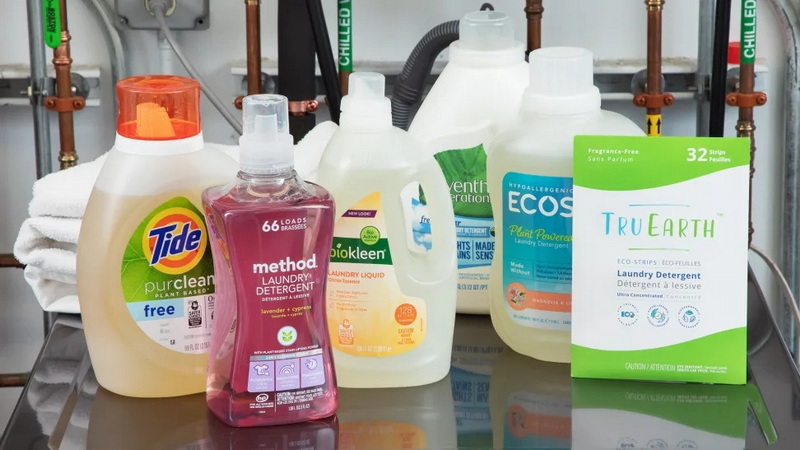
Using the wrong detergent can ruin your coat. Down and synthetic insulation require a down-specific detergent like Nikwax, as regular detergents strip natural oils and cause clumping. Wool and cashmere need a wool-safe shampoo or mild detergent without enzymes. Cotton, polyester, and fleece work fine with standard liquid detergent. Always avoid pods, which often fail to dissolve fully in cold water and leave residue.
Use Half the Recommended Amount
One coat does not need a full dose of detergent. Use approximately half the amount you’d use for a regular load. Too much soap leads to suds that don’t rinse out, leaving residue that attracts dirt and reduces insulation performance.
Load the Machine Correctly

Use a Front-Loader If Possible
Front-loading washing machines are gentler on coats. They lack a central agitator that can snag or tear bulky fabric. If you only have a top-loader, ensure the coat has room to move freely. Never overload the machine.
Turn the Coat Inside Out
This protects the outer fabric from abrasion, preserves color, and helps maintain water-resistant coatings. It also keeps logos and prints from peeling during the wash.
Use a Mesh Laundry Bag
For extra protection, place the coat in a large mesh laundry bag. This reduces friction, prevents snagging, and keeps the coat from tangling during the spin cycle. This step is especially useful for puffer jackets, wool coats, or anything with delicate linings.
Set the Correct Wash Cycle
Use Cold Water for Most Coats
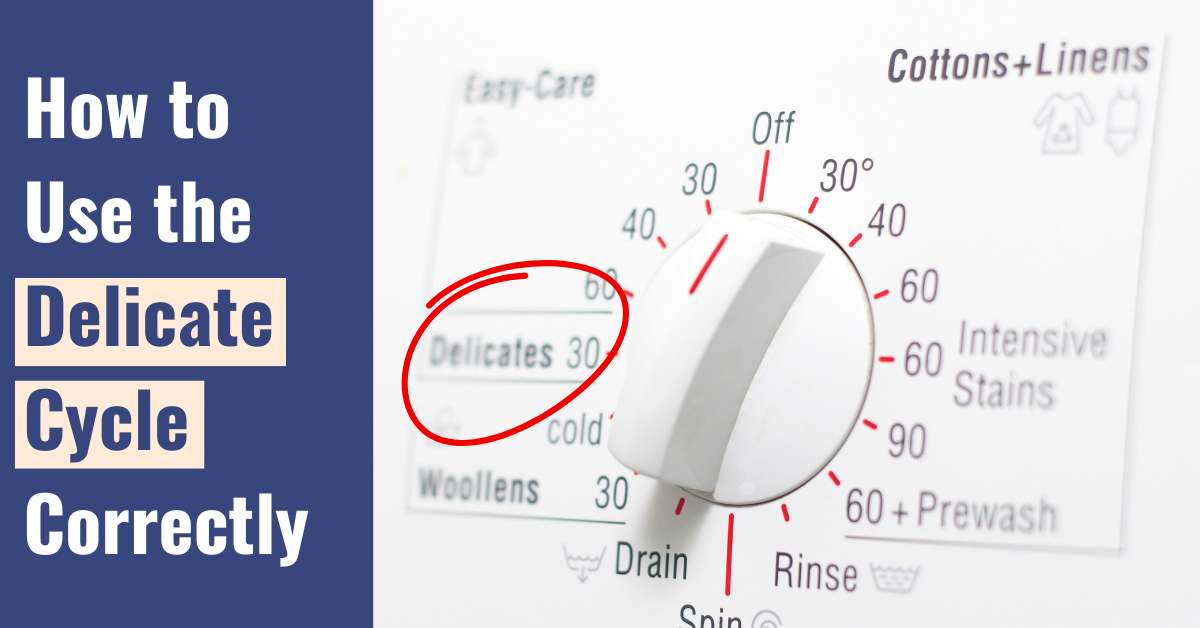
Cold water below 86°F or 30°C is safest for wool, down, and synthetic insulated coats. It prevents shrinking, fading, and damage to coatings. Warm water between 86°F and 104°F or 30°C and 40°C is acceptable for durable cotton or polyester blends if the label allows. Never use hot water, as it can melt insulation, shrink fabric, and ruin water resistance.
Select a Gentle Cycle
Choose Gentle, Delicate, or Wool cycle to minimize agitation. For synthetic insulation like Thinsulate, Permanent Press is acceptable. Structured or vintage coats should use the Hand Wash setting for the lowest agitation possible.
Enable Extra Rinse
Bulky coats trap detergent easily. An extra rinse cycle ensures all soap is removed, preventing residue that can stiffen fabric and attract dirt. This step is crucial for down and synthetic fills.
Dry the Coat Properly
Air Dry Whenever Possible
Heat is the enemy of most coats. Unless the label explicitly says “Tumble Dry,” air dry only. Remove the coat from the washer immediately to prevent mildew. Lay it flat on a clean, dry towel or hang it on a padded hanger. Never use wire hangers for wool or heavy coats.
Reshape While Damp
Smooth out sleeves, collar, and body while the coat is still damp. Gently pull the coat into its natural shape to prevent wrinkles and maintain fit.
Avoid Direct Sunlight and Heat
Dry away from radiators, heaters, or direct sunlight. UV rays can fade colors and degrade fibers over time. However, brief sunlight exposure can help disinfect the fabric naturally.
Special Drying Tips by Coat Type

Down and Puffer Jackets
If the label allows, tumble dry on no-heat or low-heat settings. Add two or three clean tennis balls or wool dryer balls to break up wet clumps and restore loft. Check every 20 to 30 minutes until completely dry, as a damp coat can develop mold.
Wool and Wool-Blend Coats
Never put wool in the dryer. Air dry flat to prevent stretching and felting. Once dry, use a steamer to remove wrinkles. Store on a wooden hanger and avoid plastic bags.
Fleece Jackets
Fleece dries quickly. Air dry on a rack or tumble dry on no-heat. High heat will shrink or damage the fabric. Brush lightly with a soft brush after drying to restore the nap.
Trench and Duster Coats
Air dry only. These often have structured linings that heat can warp. After drying, consider reapplying a water-repellent spray to restore protection.
Faux Fur
Air dry flat or hang. While damp, gently comb with a wide-tooth brush to prevent matting. Do not machine dry unless the label explicitly allows it.
Wash Frequency and Maintenance
Wash Once Per Season
Most winter coats only need washing once per season, preferably before storage. This removes sweat, dirt, and oils that degrade fabric over time. Washing too often can wear down coatings and fibers.
Wash Immediately If Soiled
If your coat smells of smoke, food, or sweat, or has visible stains, wash it right away. Odors mean organic buildup that can attract pests and break down material.
Spot Clean Between Washes
Use a fabric-safe stain remover for small spills. Refresh with a wool spray or fabric refresher. Steaming removes wrinkles and kills some microbes without a full wash.
Avoid Common Mistakes
Don’t Ignore the Care Label
This is the number one mistake. Even if a friend washed the same coat, your version might have different materials or construction. Always check the tag.
Don’t Overload the Machine
Washing a coat with jeans or heavy items prevents proper spinning and rinsing. Wash it alone or with similar lightweight outerwear.
Don’t Use Too Much Detergent
Excess soap does not clean better. It leaves residue that attracts dirt and reduces insulation. Stick to half the recommended dose.
Don’t Use High Heat
High heat melts synthetic insulation, shrinks wool, and cracks leather or vinyl. When in doubt, air dry.
Don’t Leave It in the Washer
A wet coat sitting in the drum will develop mildew and odor. Remove it immediately after the cycle ends.
Special Cases: Vintage and Delicate Coats
Handle Vintage Coats with Care
Older coats may have fragile fabric, loose seams, or unstable dyes. If it sheds, feels brittle, or has repairs, skip the machine. Hand wash gently or steam clean instead.
Never Wash Leather, Suede, or Real Fur
These materials are ruined by water. Leather cracks, suede stains, and fur mats. Spot clean with a damp cloth or take to a professional.
Test Before You Treat
If you’re unsure about water exposure, dampen a hidden corner with a wet cloth. Wait 10 minutes. If the fabric darkens, shrinks, or changes texture, do not wash it.
Store Coats Correctly After Washing
Use the Right Hanger
Wool and structured coats need wide, padded, or wooden hangers. Wire hangers cause shoulder bumps and rust stains.
Keep It Breathable
Never store coats in plastic bags. Trapped moisture leads to mildew. Use breathable cotton garment bags or pillowcases instead.
Prevent Moths and Pests
For wool coats, store with cedar blocks or lavender sachets. Professional dry cleaning at season’s end helps eliminate moth eggs.
Frequently Asked Questions About Washing Coats in the Machine
Can I wash a winter coat in the washing machine?
Yes, most winter coats can be washed in the machine if the care label permits. Check for specific instructions regarding water temperature, detergent type, and drying method. Coats with down insulation, wool, or synthetic fills typically machine wash fine when labeled accordingly.
What temperature should I use to wash a coat?
Cold water is safest for most coats, including wool, down, and synthetic insulation. It prevents shrinkage and protects water-resistant coatings. Warm water between 86°F and 104°F is acceptable for durable cotton or polyester blends if the label allows. Avoid hot water entirely.
How do I dry a coat without damaging it?
Air dry whenever possible. Remove the coat immediately after washing and lay it flat or hang on a padded hanger. For down jackets, tumble dry on low heat with tennis balls to restore loft. Never use high heat, which melts synthetic insulation and shrinks wool.
Can I wash a wool coat in the washing machine?
Only if the care label says machine washable. Use cold water and a wool-safe detergent on a gentle or wool cycle. Never tumble dry wool. Air dry flat and steam to remove wrinkles.
How often should I wash my coat?
Wash winter coats once per season, preferably before storing them for summer. Wash immediately if the coat smells or has visible stains. Fleece jackets may need washing every 6 to 7 wears due to their tendency to attract odors.
Key Takeaways for Washing Your Coat in the Washing Machine
Washing a coat in the machine is safe when you follow the care label and use the right settings. Always check all labels for material-specific instructions before washing. Pretreat stains, use cold water with a gentle cycle, and stick to half the recommended detergent amount.
Air dry whenever possible, or tumble dry on low heat with tennis balls for down coats. Avoid high heat entirely, as it damages insulation, shrinks fabrics, and ruins water-resistant coatings. Store your clean coat on a padded hanger in a breathable garment bag to maintain its shape and freshness.
With proper care, your coat will stay clean, warm, and looking new for many seasons to come.