You’ve just purchased a new Bosch washing machine, and now comes the question: how do you actually use it? With multiple buttons, program dial, and various settings, it’s easy to feel overwhelmed before you even start your first load. The good news is that Bosch washers are designed for intuitive operation, and learning how to use them properly will give you better cleaning results while protecting your clothes and extending the machine’s lifespan.
This comprehensive guide walks you through everything from initial setup and installation to selecting the right cycles, maintaining your machine, and troubleshooting common issues. Whether you own a basic 6kg model or a high-tech iDOS unit with automatic detergent dosing, you’ll find the specific steps and tips you need to laundry like a pro.
Remove Transit Bolts Before First Use

Before running your first wash cycle, you must remove the transit bolts from your Bosch washing machine. These metal rods secure the drum during shipping to prevent internal damage, but leaving them in place will destroy components and void your warranty.
Locate and Remove the Bolts
Bosch front-loading machines typically have three to four transit bolts located on the back panel. Use a spanner or socket wrench to unscrew them completely. Store the bolts in a safe place if you plan to move the machine later.
After removal, insert the provided plastic caps into the holes to prevent water leakage and reduce operating noise.
Check for Residual Packaging
Inspect the drum, door seal, and detergent drawer for any foam, tape, or plastic film. Remove all packaging materials to ensure proper water flow and door sealing.
Level the Machine for Stability

An uneven washing machine vibrates excessively during spin cycles, leading to noise, potential displacement, and long-term damage.
Adjust the Feet Properly
Loosen the lock nuts under the adjustable front feet. Turn the feet clockwise to raise or counterclockwise to lower. Place a spirit level across the top of the machine to ensure it is perfectly level. Retighten the lock nuts once stable.
Position the machine on a solid, non-flexible floor. Avoid wooden platforms or tiles that may shift under weight.
Connect Hoses and Power Safely
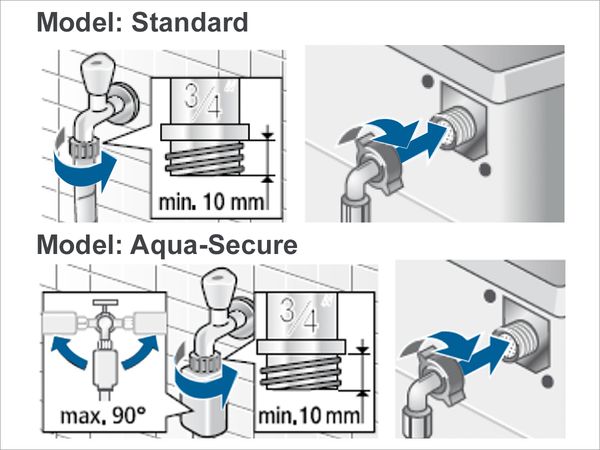
Proper connections prevent leaks, blockages, and electrical hazards that could damage your machine or home.
Attach Water Inlet Hose
Connect the cold water inlet hose to a threaded tap. Hand-tighten only. Do not use pliers, which can damage the fittings. Ensure the hose is not kinked or twisted.
Position Drain Hose Correctly
Route the waste hose to a standpipe or sink outlet. The hose must be at least 60 centimeters above floor level to prevent siphoning. Do not exceed 100 centimeters in height, or drainage may fail. Leave a small air gap between the hose and drain to avoid backflow.
Plug Into Mains Power
Use a grounded, dedicated outlet. Avoid extension cords. Most Bosch models power on automatically when you turn the program dial.
Unlock Controls and Load Laundry
Before starting a cycle, disable any child lock and load your clothes correctly for optimal cleaning.
Disable Child Lock
If the display is unresponsive, the control panel may be locked. Press and hold the key icon or designated lock button for three seconds until the lock symbol disappears. This prevents accidental changes during operation.
Sort and Load Clothes Properly
Sort laundry by color, fabric type, and soil level. Leave space between clothes. A good rule is that you should be able to lay your hand flat on top of the load without force.
Close zippers, fasten buttons, and turn delicate items inside out to prevent snags. Never overload the machine, as this reduces cleaning performance and triggers imbalance errors.
Use the Detergent Drawer Correctly
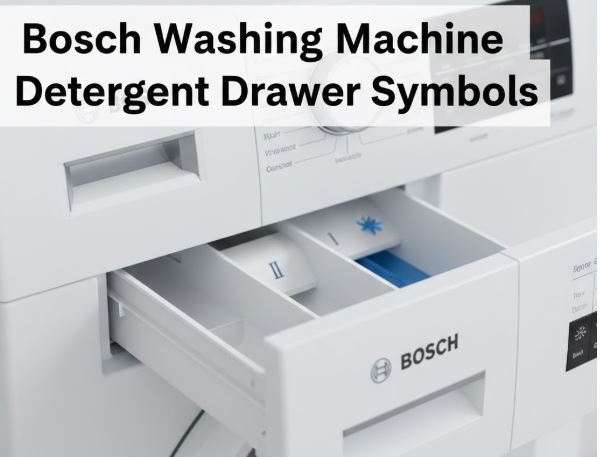
The three-compartment drawer ensures precise chemical delivery at the right time during the wash cycle.
Compartment I: Pre-Wash Detergent
Use this compartment only if selecting the Pre-Wash program. Add a small amount of detergent for heavily soiled items like workwear or sportswear. This compartment activates during the initial rinse phase.
Compartment II: Main Wash Detergent
This is the primary detergent chamber. For powder detergent, pour directly into the compartment and leave the plastic flap open. For liquid detergent, keep the flap closed to delay release until the main wash begins.
Always follow the detergent manufacturer dosage guidelines. Overfilling causes residue and poor rinsing.
Compartment III: Fabric Softener
Fill only to the Max line. Excess softener leaks out early, reducing effectiveness and leaving stains on your clothes.
Select the Right Wash Program
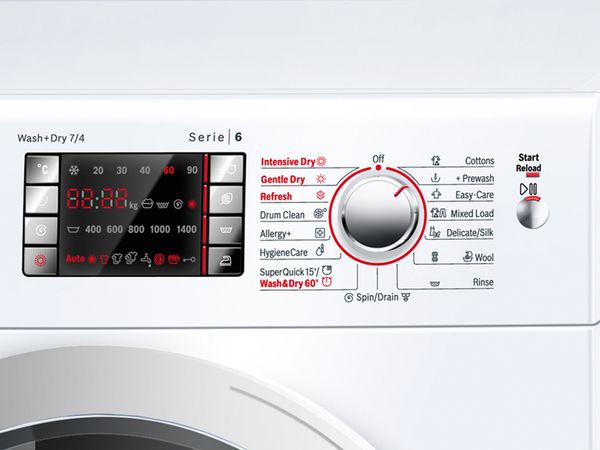
Choose a cycle based on fabric type, soil level, and how quickly you need clean laundry.
Cotton Programs for Heavy Duty
Cotton programs at 40 to 90 degrees Celsius are ideal for towels, sheets, and cotton clothing. Use 60 or 90 degrees Celsius for sanitizing heavily soiled items. Use 40 degrees Celsius for everyday cleaning to balance cleanliness and fabric care.
Quick Wash and Mixed Fabrics
For blended fabrics or lightly soiled loads, use the Mixed Fabrics or Quick Wash program. Duration ranges from approximately 20 minutes to one hour. Load limit is typically four kilograms maximum.
The Speed Perfect function cuts a standard cotton wash to just over one hour without sacrificing cleaning performance.
Delicate Cycles for Sensitive Fabrics
Use Wool, Silk, or Hand Wash programs for delicate items. These cycles feature gentle tumbling and low spin speeds. Maximum load is typically two kilograms. Never wash wool on cotton settings, as felting and shrinkage can occur.
Specialty Programs Table
| Program | Best For |
|---|---|
| Jeans | Denim care, reduces fading |
| Allergen | Sensitive skin, removes irritants |
| Towels | Thick fabrics, optimized water levels |
| Permanent Press | Wrinkle reduction for synthetics |
Customize Settings for Better Results
Fine-tune your wash with advanced options to achieve better cleaning and fabric care.
Adjust Temperature
Use cold water at 20 degrees Celsius or below for energy savings and color safety. Use warm water at 40 degrees Celsius to activate enzymes in detergents. Use hot water at 60 degrees Celsius or higher to kill bacteria and remove oils.
Set Spin Speed Appropriately
Choose 400 to 800 RPM for delicates like silk and lace. Choose 1000 RPM for standard fabrics. Choose 1400 to 2000 RPM for towels and bedding to reduce drying time.
Enable Extra Rinse
Add one or two extra rinses to remove all detergent residue. This is critical for babies, people with allergies, or those with sensitive skin.
Use Delay Start
Schedule the end time up to 24 hours in advance. This is ideal for running during off-peak electricity hours or having clean clothes ready when you wake up.
Pause and Add Forgotten Items
Forgot a sock? You can add items before the drum fills with water.
How to Add Items Mid-Cycle
Press Pause or Stop and wait for the door to unlock, which usually takes one to two minutes. Open the door and add the item. Close the door and press Start to resume the cycle.
You cannot add items once water has filled the drum, as the door locks for safety and efficiency.
Maintain Your Machine Monthly
Regular maintenance prevents odors, blockages, and expensive breakdowns.
Clean the Detergent Drawer
Pull out the drawer until it stops, then press the central button to release it fully. Detach the front section if possible. Soak in warm, soapy water and scrub with an old toothbrush. Reinsert completely.
Do this monthly, as mold and detergent buildup are common problems.
Wipe the Door Seal
After each wash, wipe the seal with a dry cloth. Monthly, clean with a vinegar-soaked rag or mild detergent. Check behind the seal for trapped debris. Leave the door slightly ajar between washes to dry the interior.
Run Drum Clean Cycle
Use the Drum Clean program monthly. Add a washing machine cleaner or one cup of white vinegar. Run the cycle at 90 degrees Celsius with no clothes. Wipe down the drum and door glass afterward.
Clean the Pump Filter Every 2-3 Months
The filter catches coins, hair, lint, and other debris that could damage the pump or cause drainage problems.
Access and Clean Safely
Turn off power and water. Place towels under the filter cover at the base front panel. Open the cover with a flat tool or screwdriver. Pull out the emergency drain hose to drain residual water if present. Unscrew the filter counterclockwise. Remove debris and rinse under tap. Reinstall tightly and close the cover.
Never open the filter while the machine is running or hot. A blocked filter causes error codes and drainage failure.
Troubleshoot Common Issues
Most problems have simple fixes that you can handle without calling a service technician.
Display Not Responding
Perform a hard reset by turning off at the wall, waiting 10 seconds, and turning back on. This clears temporary software glitches.
Blockage or Filter Warning
Clean the pump filter immediately. Also check the drain hose for kinks and the wall drain for clogs.
Detergent Residue on Clothes
Causes include overfilling the detergent drawer, using non-HE detergent, or a blocked rinse system. Clean the drawer, run an Extra Rinse cycle, and use less detergent.
Machine Leaking
Check the pump filter cover for tightness. Inspect inlet and drain hose connections. Examine the door seal for tears or trapped objects. Tighten fittings by hand without overtightening.
Reset After Errors
For persistent issues, select Drain or Rinse and Spin to empty water. Open the door and remove laundry. Power off and reset as described above. Restart the desired cycle.
If errors continue, consult your model manual or contact Bosch service.
Optimize for Longevity and Efficiency
Extend Machine Life
Use Eco or Mixed Load programs for daily washes. Avoid overloading, especially on quick cycles. Clean the filter and run Drum Clean monthly. Choose models with metal hinges for enhanced durability.
Save Energy and Water
Wash full loads when possible. Use cold or warm water instead of hot. Enable Delay Start for off-peak electricity rates. Let clothes air dry when feasible.
Trust the machine is load sensing technology to adjust water and time automatically based on load size.
Frequently Asked Questions About Using Bosch Washing Machines
How do I remove transit bolts from my Bosch washing machine?
Locate the three to four transit bolts on the back panel of your front-loading machine. Use a spanner or socket wrench to unscrew them completely. Store them safely if you may move the machine later. Insert the provided plastic caps into the holes to prevent water leakage and noise.
What is the best program for heavily soiled clothes on a Bosch washer?
Use the Cotton program at 60 or 90 degrees Celsius for heavily soiled items. Alternatively, select the Pre-Wash option, which adds an initial wash phase, or use the Heavy Duty program for increased intensity. Add detergent to the pre-wash compartment when using that option.
Can I add clothes to my Bosch washing machine after the cycle starts?
You can add forgotten items only before the drum fills with water. Press Pause or Stop, wait for the door to unlock, add the item, close the door, and press Start to resume. Once water has filled the drum, the door locks for safety.
How often should I clean my Bosch washing machine?
Clean the detergent drawer monthly. Run the Drum Clean program monthly. Clean the pump filter every two to three months. Wipe the door seal after each wash and leave the door ajar between loads to prevent mold and odors.
Why is my Bosch washing machine not draining properly?
Check the pump filter for blockages and clean it if necessary. Ensure the drain hose is not kinked or clogged. Verify the hose height is between 60 and 100 centimeters above floor level. Restart the machine after clearing any blockages.
What does the Speed Perfect function do on Bosch washers?
Speed Perfect reduces wash cycle time by up to 50 percent without compromising cleaning performance. A standard 40-degree cotton wash that typically takes two hours and 13 minutes completes in just over one hour. This is ideal for small, urgent loads.
Key Takeaways for Using Your Bosch Washing Machine
Proper setup is critical before first use. Remove all transit bolts, level the machine, and connect hoses correctly to prevent damage and maintain warranty coverage. Taking these initial steps ensures your machine operates smoothly and quietly.
Choosing the right program and settings significantly impacts cleaning results and fabric care. Use cotton programs for heavy-duty loads, quick wash for lightly soiled items, and delicate cycles for sensitive fabrics. Adjust temperature and spin speed based on fabric type, and utilize features like Extra Rinse for sensitive skin.
Regular maintenance extends your machine lifespan and prevents costly repairs. Clean the detergent drawer monthly, run Drum Clean regularly, and clear the pump filter every few months. These simple habits prevent odors, blockages, and mechanical failures.
Your Bosch washing machine is built for performance, efficiency, and reliability. By following these steps and using the machine intelligently, you will maximize cleaning power, protect your clothes, and enjoy years of trouble-free operation.