Water pooling in your washing machine after a cycle is more than an inconvenience. A broken washer that won’t drain can lead to mold, damaged floors, and ruined laundry. This guide walks you through every step from emergency water removal to diagnosing the root cause so you can act fast and protect your home.
Immediate Safety Steps Before Draining
Before touching any part of the machine, safety must come first. A flooded washer combines electricity and water, which is a dangerous mix. Unplug the machine immediately from the wall outlet. For hard-wired units, turn off the circuit breaker instead. Next, shut off both hot and cold water supply valves behind the machine to prevent accidental refilling. Lay absorbent towels or mats around the base to catch any spills. For top-loaders, ensure the lid is closed during initial checks because many models will not run drain cycles with the lid open due to safety switches.
Remove Wet Laundry First
Start by removing all wet clothing from the drum. Even soaked items hold gallons of water that contribute to the mess and add weight inside the machine. Wring clothes out over a sink or into a bucket to reduce the total water volume. Leaving clothes inside accelerates mildew growth and makes cleaning much harder later. Place removed laundry in a separate tub or shower to avoid re-soaking the floor. Do not let wet clothes sit. Rewash or hang dry them as soon as possible.
Try Built-In Drain Cycles
If the machine still powers on, do not jump straight to manual draining. Many issues are software-related or temporary glitches. Select the “Drain and Spin” cycle if available. This runs the pump without adding new water. If that option is not present, choose “Rinse and Spin.” It uses minimal water and ends with a spin to extract moisture. Never start a full wash cycle. If the pump is clogged or failed, this will add more water and risk overflow. For top-loaders, press the lid firmly during startup. A faulty lid switch may prevent the machine from recognizing it is closed, blocking the drain function.
Manual Water Removal With a Bucket

When electronics fail or the machine is powerless, physical removal is your only option. You will need a 5-gallon bucket, a cup or small container, and thick towels or rags. Scoop water from the drum into the bucket, then pour it into a sink or floor drain. Repeat this process until the drum is mostly empty. For front-loaders, open the door carefully because water may rush out. Once the drum is mostly empty, use towels to soak up the last inch of standing water at the bottom. This method only clears the drum. Water remains trapped in the hoses, pump, and sump.
Drain Using the Rear Hose (Gravity Method)

This method removes water trapped below the drum where scooping cannot reach. Pull the machine away from the wall carefully. Place buckets or a tray under the back. Turn off water supply valves. Disconnect the drain hose from the wall standpipe. Hold the hose end above the drum level to stop siphoning. Lower the hose into a bucket, and water will flow out via gravity. Pinch or lift the hose to pause drainage when the bucket fills. Repeat until no more water flows. Reconnect the hose securely and push the machine back into place. Some front-loaders route the drain hose internally. If you cannot access it from the rear, skip to the front filter method.
Access the Front Pump Filter
Most front-loading washers have a front access panel with a drain filter. This is your best bet when the machine will not drain. You will need a shallow tray or basin, a screwdriver if the panel is secured, needle-nose pliers, and an old towel. Locate the small door at the bottom front corner of the machine and open it. Some models have a thin drain tube next to the filter. Pull the tube out slightly and remove the cap. Let water flow into the tray and empty it as needed. Recap and tuck the tube back when done. If there is no separate tube, place a low-profile tray under the filter. Slowly turn the filter counterclockwise just enough to release water. Let it trickle out, then remove the filter completely to drain remaining water. Clean the filter by removing coins, hair, lint, and buttons. Rinse under warm water and scrub with a soft brush. Reinstall tightly to prevent leaks.
Diagnose Common Drain Problems
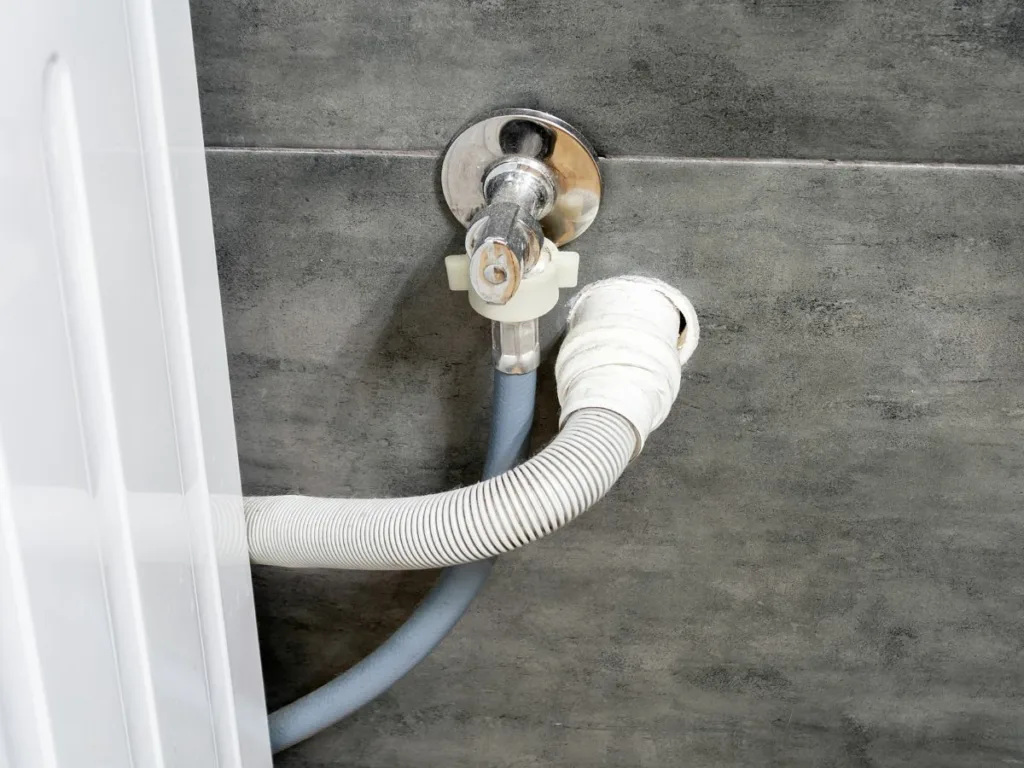
Once drained, identify what caused the backup to prevent recurrence. Check the drain hose for clogs. Even a slight bend can stop flow. Pull the machine out and inspect the entire length. Look for crimps, flattening, or sharp bends. If the hose looks clear but water did not drain, a clog inside may be the issue. Use a plumber’s snake to clear debris like socks or lint clumps. Also check the house standpipe or laundry drain. A clogged home plumbing line can cause backflow into the washer.
Test the Drain Pump

During a drain cycle, a working pump makes a distinct humming or whirring sound. Silence or a loud buzzing may mean the pump is jammed or burnt out. Unplug the machine and remove the front lower panel, often behind the filter access. Locate the drain pump, usually black with hoses attached. Shine a light inside the impeller chamber. Use needle-nose pliers to remove visible debris like coins, bra wires, or hair. If the impeller spins freely but the pump still does not work, the motor may be dead. Pump replacement is needed, and this is often a job for a technician.
Fix Lid or Door Switch Issues
Many washers will not drain if the lid or door switch is not engaged. On top-loaders, press the lid down hard because sometimes a weak switch needs extra pressure. Listen for a soft click when closing the lid. If the machine starts draining when you press down, the switch may be misaligned or failing. Front-loaders have a magnetic or mechanical lock. If the door seems to close but the cycle will not start, the switch may need replacement. Do not bypass safety switches unless you are a qualified technician.
When to Call a Professional
Some issues go beyond DIY fixes. Call a technician if the pump hums but does not move water because the motor may be dead. Call if water remains after clearing all visible clogs. Call if the machine will not power on at all. Call if you are uncomfortable disconnecting electrical or plumbing lines. Also call if the control board shows error codes like “ND” on Whirlpool or “F02” on Samsung. Technicians carry replacement pumps, hoses, and switches and can diagnose electrical faults quickly.
Essential Tools for Draining
Having the right tools makes draining a broken washing machine much easier. The primary collection vessel should be a 5-gallon bucket to collect large volumes of water. A shallow tray or pan fits under the front filter for draining. Needle-nose pliers extract coins, hair, and debris from pumps and filters. A screwdriver opens access panels. A plumber’s snake clears deep hose clogs. A soft-bristled brush cleans the filter and housing. Rugged towels soak up spills and protect floors. Gloves protect your hands from dirty water.
Prevent Future Drainage Problems
After draining and cleaning, reassemble the machine properly. Reinstall the filter tightly because leaks happen if it is loose. Reconnect hoses securely. Plug the machine back in and run a short spin cycle with no clothes to test drainage. To prevent future clogs, clean the pump filter monthly. Check pockets before washing because coins and tissues cause most clogs. Use less detergent, especially in soft water areas. Inspect hoses annually for wear or kinks. Run a monthly cleaning cycle with vinegar or washing machine cleaner to remove detergent buildup.
Frequently Asked Questions About Draining a Broken Washing Machine
Can I drain a washing machine without moving it?
You can drain some water using the front filter access on front-loaders. However, the most complete drain requires moving the machine to access the rear hose or to empty water trapped in the lower hoses and pump.
Why does my washing machine fill with water but not drain?
This is usually caused by a clogged drain hose, a faulty drain pump, or a defective lid switch. The machine may also be stuck in a cycle due to a control board issue. Try the drain and spin cycle first, then check the filter and hoses.
How do I know if the drain pump is broken?
Listen during a drain cycle. A working pump makes a humming or whirring sound. If you hear nothing or only a loud buzz, the pump may be jammed with debris or the motor may be burnt out. Access the pump and check for visible obstructions.
Is it safe to manually drain a washing machine myself?
Yes, if you follow safety precautions. Unplug the machine first, turn off water supplies, and wear gloves. Most manual draining methods like using the front filter or rear hose are straightforward for homeowners.
How often should I clean the washing machine filter?
Clean the pump filter monthly to prevent buildup. Regular cleaning prevents clogs, improves drainage, and extends the life of your machine. This is especially important if you wash pet bedding or use heavy amounts of detergent.
Key Takeaways for Draining a Broken Washing Machine

Draining a broken washing machine is a manageable task with the right steps. Start by unplugging the machine and turning off water supplies for safety. Remove wet laundry immediately, then try built-in drain cycles before resorting to manual methods. Use the front filter access for front-loaders or the rear hose gravity method for a complete drain. Most blockages are simple, including lint, socks, coins, or excess soap buildup. Clean the filter and check hoses for kinks or clogs after draining. If the pump is dead or the problem persists despite your efforts, do not risk further damage. Call a professional to diagnose electrical or mechanical failures. With regular maintenance, your washer can avoid repeat breakdowns and keep draining smoothly.