Is your washing machine leaving clothes smelling musty or feeling stiff? You are not alone. Over time, detergent residue, hard water minerals, and mold buildup can turn your washer into a source of grime and odor. This guide shows you exactly how to clean a washing machine with vinegar using proven methods, step-by-step instructions, and pro tips to keep your appliance fresh and efficient.
Vinegar works by neutralizing alkaline detergent residues, dissolving mineral scale, and killing mold and bacteria. Unlike perfumed cleaners that mask odors, vinegar eliminates the root cause. Used monthly, it prevents clogs, extends your machine life, and ensures your clothes come out truly clean.
Run a Hot Vinegar Cycle
The core of any vinegar cleaning routine is a hot water cycle with vinegar. Heat activates acetic acid, boosting its ability to dissolve soap scum and mineral deposits in the drum, hoses, and pump.
Pour Vinegar into Dispenser or Drum
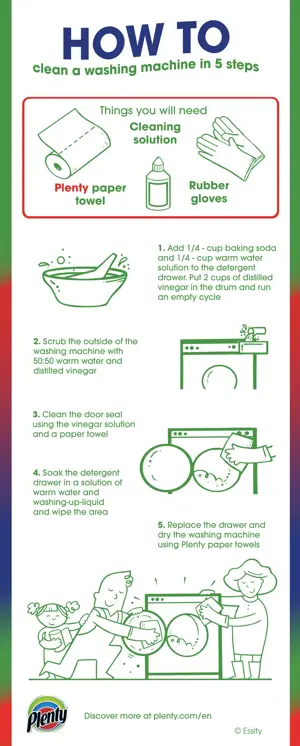
Use 2 cups of white distilled vinegar. For front-loaders, pour it into the detergent dispenser drawer. For top-loaders, add it directly into the drum or place in a wash-safe container on the agitator. Never mix vinegar with detergent in the same cycle.
Select Highest Temperature Setting
Set the machine to the hottest, longest cycle available, such as “Sanitize,” “Heavy Duty,” or “Clean Washer.” High heat maximizes vinegar descaling power and circulates it through internal hoses and the drain pump.
Let Cycle Complete Fully
Allow the full wash and drain cycle to finish. Do not open the lid or door mid-cycle. The vinegar works throughout wash, rinse, and spin phases, breaking down buildup inside the system.
Clean the Door Seal and Gasket

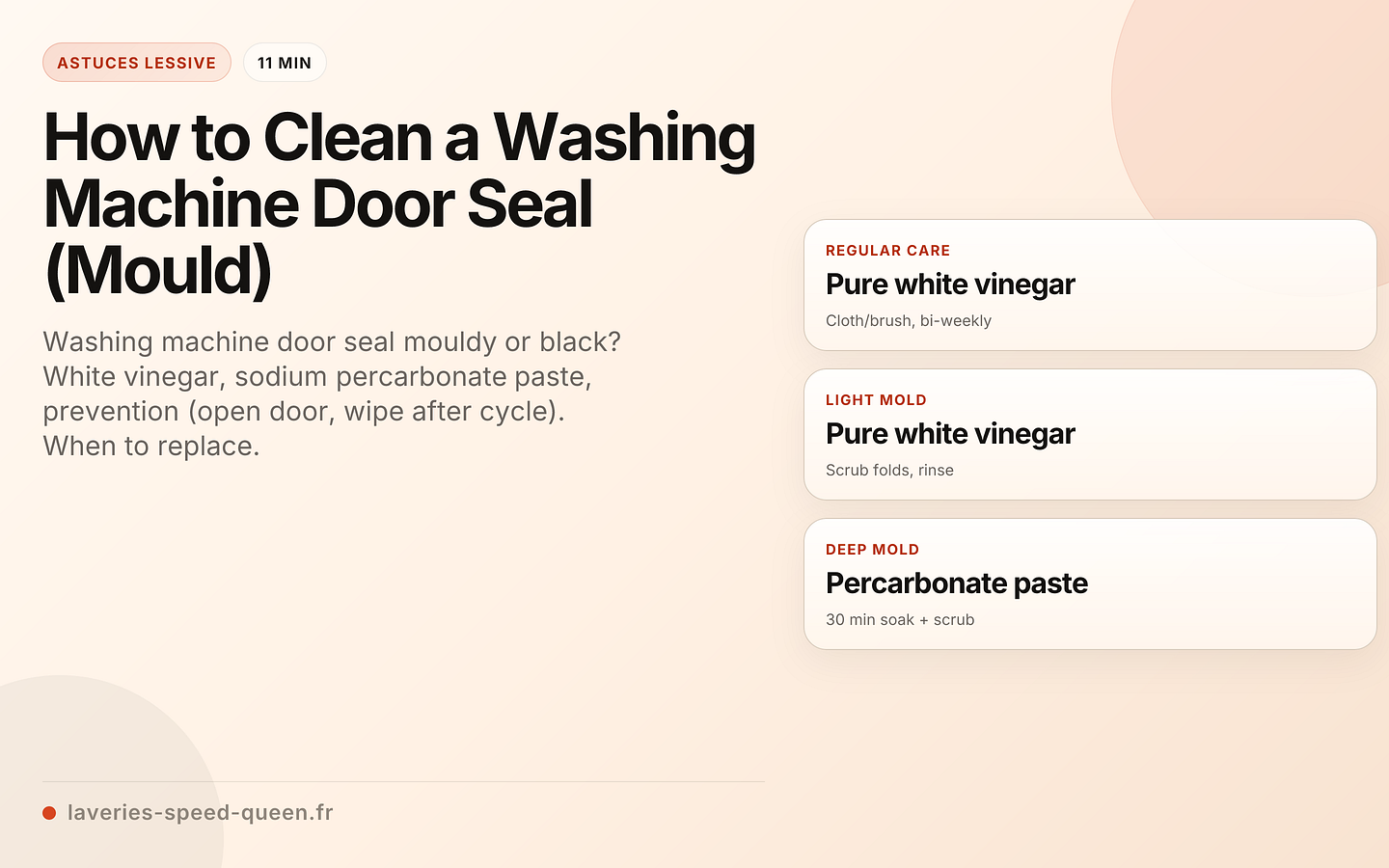
Front-loading machines are prone to mold in the rubber door gasket. The vinegar cycle loosens grime, but manual wiping is required to remove it.
Wipe Gasket Folds with Vinegar Cloth
After the cycle ends, dip a microfiber cloth in undiluted vinegar. Pull back the folds of the rubber seal and wipe thoroughly. Pay attention to the bottom of the gasket where water and debris collect. Black spots indicate mold.
Check for Lingering Mildew
If mold persists, apply a paste of baking soda and water after the vinegar wipe. Scrub gently with an old toothbrush, then wipe clean. Follow with a plain water rinse cycle if needed.
Maintain Detergent Dispenser
Detergent and fabric softener compartments trap thick sludge over time, reducing cleaning efficiency and causing odors.
Remove and Soak Dispenser Tray
If your model allows, pull out the dispenser drawer. Soak it in warm water to loosen residue. Use an old toothbrush dipped in vinegar to scrub every compartment, including hidden corners and the housing cavity.
Focus on Softener Residue
Fabric softener leaves a waxy buildup that vinegar dissolves. Scrub the softener section thoroughly. Reinsert the tray only when completely dry to prevent moisture-related mold.
Avoid Vinegar and Baking Soda Mix
A popular myth suggests combining vinegar and baking soda boosts cleaning power. In reality, the reaction neutralizes both ingredients.
Why Mixing Neutralizes Cleaning
Vinegar is an acid and baking soda is a base. When combined, they react to form carbon dioxide, water, and salt. The fizzing looks impressive but leaves no active cleaning agents. The result is wasted ingredients and minimal impact.
Use Agents in Separate Cycles
For deep cleaning, follow this three-step approach. First, run 2 cups vinegar on hot setting to dissolve scale. Second, run one-half cup baking soda in the drum to scrub and deodorize. Third, run plain hot water to flush residues.
Fix Musty Odors Fast
Forgotten laundry creates sour, musty smells. A quick vinegar-based treatment can rescue both clothes and machine.
Run Speed Wash with Vinegar
Add 1 cup vinegar to the drum and run a hot speed wash cycle with smelly clothes. Vinegar breaks down odor-causing bacteria without damaging fabrics.
Add Lemon for Fresh Scent
For a natural fragrance boost, toss in a halved lemon. The citric acid enhances deodorizing and leaves a fresh scent without artificial perfumes.
Prevent Buildup with Rinse Additions
Using vinegar regularly during laundry prevents the need for frequent deep cleans.
Add One-Fourth Cup in Rinse Cycle
For normal loads, use one-fourth cup vinegar in the rinse. In front-loaders, pour it into the fabric softener dispenser. In top-loaders, add it during the rinse phase.
Softens Clothes Naturally
Vinegar retracts swollen cotton fibers, restoring softness without synthetic softeners. It also prevents static and reduces lint while keeping the machine clean over time.
Clean High-Efficiency Machines Safely
HE washers use less water, raising concerns about vinegar concentration. Vinegar is safe when used correctly.
Use Standard Dosage
The 2-cup vinegar dose works in HE models. Because cycles are longer and water is recirculated, vinegar remains effective. Always use hot water to maximize performance.
Follow Manufacturer Guidelines
Some brands warn against vinegar use. Check your manual. If prohibited, use manufacturer-approved cleaning tablets to avoid voiding the warranty.
Know When to Clean
Timing matters. Clean too rarely, and buildup becomes stubborn. Clean too often, and acidity may affect components over time.
Monthly Cleaning Schedule
Experts recommend cleaning once a month or every 30 cycles. This prevents residue accumulation and maintains efficiency.
Trigger Events for Immediate Cleaning
Clean immediately if clothes come out smelling damp or sour, you see mold on the gasket, the machine washed muddy or pet-soiled items, or drainage seems slower than usual.
Troubleshoot Common Issues
Vinegar solves many common washer problems. Match symptoms to solutions for fast fixes.
Musty Smell After Wash
Cause is mold in drum or seal. Fix by running hot vinegar cycle and wiping gasket. Repeat if needed.
Stiff Towels
Cause is hard water minerals and detergent buildup. Fix by using vinegar in deep clean or rinse cycle to dissolve scale.
White Residue on Clothes
Cause is undissolved detergent or softener. Fix by running vinegar cycle, then baking soda cycle, and cleaning dispenser.
Slow Drain or Error Codes
Cause is partial clog from scale or gunk in pump. Fix by running hot vinegar cycle monthly to prevent this issue.
Compare Vinegar vs. Store-Bought Cleaners

Vinegar is effective and cheap, but how does it stack up against commercial products?
Cost and Safety
Vinegar costs pennies per use and is non-toxic, biodegradable, and safe for septic systems. Most commercial cleaners cost $2 to $5 per use and may contain harsh chemicals.
Cleaning Power
Both vinegar and commercial cleaners dissolve scale effectively. However, many store-bought options include bleach or fungicides, making them stronger against deep mold. Vinegar requires more effort but is gentler.
Convenience Factor
Commercial cleaners come in pre-measured pods. Vinegar requires measuring and sometimes multiple cycles. For ease, use pods. For economy and safety, stick with vinegar.
Avoid These Common Mistakes
Even with vinegar, improper use can reduce effectiveness or damage your machine.
Never Mix Vinegar and Bleach
This creates toxic chlorine gas. Always wait at least one full cycle between using bleach and vinegar.
Do Not Overuse Vinegar
While safe monthly, weekly deep cleans over years may degrade rubber seals or metal coatings in some models. Stick to the monthly schedule unless dealing with contamination.
Never Use Full-Strength During Wash
Adding 2 cups of vinegar with clothes can affect dye stability or elastic fibers. Reserve full-strength vinegar for empty drum cleaning only.
Extend Machine Life with Maintenance
A clean washer runs more efficiently, uses less energy, and lasts longer.
Leave Door Open After Use
Prevent mold by cracking the door or lid after each use. This allows moisture to evaporate from the drum and seal.
Use HE Detergent Correctly
In HE machines, use only HE-labeled detergent and the recommended amount. Excess suds trap dirt and reduce cleaning power.
Inspect Hoses Periodically
Check inlet and drain hoses for kinks, bulges, or leaks. Vinegar helps keep internal hoses clear, but physical inspection prevents floods.
Frequently Asked Questions About Cleaning Washing Machine with Vinegar
Can I use apple cider vinegar instead of white vinegar?
White distilled vinegar is recommended because it is clear and has a consistent 5% acidity level. Apple cider vinegar may leave residue and has a stronger odor that can transfer to fabrics.
How often should I clean my washing machine with vinegar?
Clean your washing machine once a month or approximately every 30 cycles. Heavy usage households may benefit from cleaning every two to three weeks.
Does vinegar damage rubber seals on front-loaders?
When used monthly as directed, vinegar is safe for rubber seals. Excessive use, such as weekly deep cleans over many years, may potentially degrade seals over time.
Can I add vinegar to my regular laundry loads?
Yes. Adding one-fourth cup of vinegar during the rinse cycle softens clothes, reduces static, and prevents detergent residue buildup inside the machine.
What should I do if the vinegar smell remains after cleaning?
Run an additional hot water cycle with no additives. The vinegar smell typically dissipates completely once the machine dries. Leaving the door open after cleaning also helps eliminate residual odor.
Is vinegar safe for HE washers?
Vinegar is safe for HE machines when used in the standard 2-cup dosage. Because HE washers recirculate water, the vinegar concentration remains effective throughout the cycle.
Key Takeaways for Cleaning Your Washing Machine with Vinegar
Cleaning your washing machine with vinegar is simple, effective, and economical. By running a hot vinegar cycle monthly, wiping the gasket, and cleaning the dispenser, you prevent odors, maintain performance, and extend your appliance life. Remember to avoid mixing vinegar with baking soda or bleach in the same cycle, use it only in empty drums for deep cleans, and add small amounts during rinses to prevent buildup. With these practices, your washer stays fresh, efficient, and truly clean so your clothes are too.