Sunbrella fabric is a top choice for outdoor furniture, cushions, drapes, and throws thanks to its durability, fade resistance, and easy maintenance. But when it comes to cleaning Sunbrella in a washing machine, confusion reigns. Can you toss it in like regular laundry? The answer is yes, but only under strict conditions. Not all Sunbrella products are machine washable, and using the wrong method can damage the fabric or void your warranty.
If you’re wondering how to clean Sunbrella fabric safely in a washing machine, this guide delivers clear, step-by-step instructions based on official recommendations and material specifications. You will learn which Sunbrella items can be machine washed, the exact cycle settings to use, and critical mistakes to avoid. Whether you are refreshing patio cushions or washing removable drapery, this guide ensures your Sunbrella stays vibrant and long-lasting.
Confirm Machine Wash Compatibility

Before washing, verify if your Sunbrella item is safe for machine washing. Taking this first step prevents permanent damage to your fabric.
Check Fabric Type First
Not all Sunbrella fabrics are created equal. Only specific types can withstand machine agitation without losing their protective properties. Machine washable options include upholstery fabrics, drapery, throws, and removable cushion covers that have been approved by the furniture manufacturer. Never attempt to machine wash Sunbrella Shade, Sling, or Horizon fabrics, as these are engineered for tension and structural stability rather than laundering.
Pro Tip: If your cushion is fitted tightly or lacks a zipper, assume it is not removable. Hand washing in place is the safer alternative.
Verify Manufacturer Approval
Always confirm with your outdoor furniture brand whether cushion covers can be removed. Some manufacturers design covers that are not meant to be taken off, even if they appear zippered. Removing them could distort the fit or void the warranty. Look for care tags or product manuals, and contact customer support if you are uncertain.
Prepare Sunbrella for Machine Wash
Proper preparation prevents damage and boosts cleaning results. Skipping these steps leads to poor outcomes and potentially ruined fabric.
Remove Loose Debris First
Washing dirty fabric without pre-cleaning clogs fibers and spreads grime throughout the load. Start by using a soft-bristled brush to remove dust, leaves, and loose dirt. For deep-seated debris on cushions, vacuum the surfaces thoroughly. Rinse gently with a garden hose at low pressure, avoiding high-pressure washers that can strip protective coatings.
Warning: Never let dried mud soak into wet fabric. Brush it off dry first to prevent staining.
Spot Treat Stains Before Washing
Pre-treat stubborn spots to prevent setting during the wash cycle. For oil-based stains like sunscreen or grease, sprinkle cornstarch on the area, wait 10 minutes, then scrape off with a ruler. For liquid spills, blot immediately with a dry cloth rather than rubbing. Apply a small amount of Sunbrella Extract or mild soap solution directly to persistent stains.
Expert Note: Always test stain removers on a hidden seam first to check for color bleeding or texture changes.
Close Zippers and Avoid Overloading
Zip all closures to prevent snagging during the wash cycle. Wash one or two covers at a time, ensuring the drum is no more than half-full to allow free movement. Overcrowding causes uneven cleaning and unnecessary fabric stress.
Set Correct Washing Machine Settings
:max_bytes(150000):strip_icc()/how-to-select-the-correct-cycle-2145866-04-54a22f92935645008e17318ec55616d8.jpg)
Using the wrong cycle can shrink, fade, or weaken Sunbrella fabric permanently. Follow these specifications exactly for safe results.
Use Cold Water and Gentle Cycle
Select the Delicate or Gentle cycle mode for your washing machine. Use cold water only, as warm water can cause color fading and fiber damage. Let the machine auto-select low spin speed. If your machine has a hand wash setting, that is the ideal choice for Sunbrella fabrics.
Choose the Right Detergent
Use mild liquid laundry detergent in normal amounts. Safe alternatives include Dawn dish soap or Woolite, using approximately one to two tablespoons per load. Avoid powder detergents, as they may not dissolve fully and can leave residue on the fabric.
Never Use These Additives
Fabric softeners coat fibers and reduce water repellency, so avoid them entirely. Standard bleach should never be used in routine washing cycles. The only exception is for treating mold and mildew, which requires a separate process outlined below.
Run the Machine Wash Cycle
Follow this sequence for safe, effective cleaning that protects your Sunbrella investment.
The Washing Process
Place prepped Sunbrella items into the washer, ensuring they are not overloaded. Add mild detergent without any fabric softener. Start the Cold/Delicate cycle and allow it to complete fully. Remove the items immediately when the cycle ends.
Why Immediate Removal? Wet fabric left in the drum can develop mildew within hours, especially in humid climates. Run an extra rinse cycle if you suspect soap buildup.
Air Dry Only: No Exceptions
Improper drying is the number one cause of Sunbrella damage. Heat destroys acrylic fibers and melts protective finishes.
Never Use a Dryer
Never place Sunbrella in a clothes dryer. High heat damages acrylic fibers and compromises protective finishes. Avoid steamers or steam irons as well, as the heat and moisture can cause shrinkage and stiffness.
Hang or Lay to Dry
Hang the fabric vertically or lay cushions on their corners to prevent water pooling. Use a fan to speed up drying in enclosed spaces, but avoid direct sunlight on wet fabric as UV rays accelerate fading over time. Drying typically takes four to twelve hours depending on humidity levels.
Remove Wrinkles Safely
If wrinkles form after drying, use an iron on the synthetic or low heat setting. Always test on a hidden area first and place a cloth between the iron and the fabric to prevent damage.
Handle Tough Stains and Mold
Machine washing removes general dirt, but specific contaminants require targeted treatment.
Kill Mold and Mildew Safely
Sunbrella resists mildew growth, but dirt-trapped moisture can invite it. For machine-washable items, add one cup of bleach plus one-quarter cup of mild soap per gallon of water to the wash cycle. Run on Cold/Delicate and rinse thoroughly. For non-removable fabric, apply the same solution with a soft brush, let it sit five to ten minutes, scrub gently, and rinse completely.
Safety First: Protect nearby plants and surfaces from bleach runoff.
Remove Oil-Based Stains
Standard washing will not remove grease or sunscreen residue. Apply cornstarch first, wait ten minutes, then scrape off. Use Sunbrella Extract Oil Based Stain Remover or a degreaser, then rinse with clean water until no residue remains. Never use harsh solvents like acetone, as they damage the fibers.
Reapply Fabric Protector After Cleaning

Cleaning strips Sunbrella is protective layer. Re-treatment is essential for maintaining water resistance and stain prevention.
Why Retreatment Matters
Restoring water repellency prevents dirt absorption and extends the fabric is life significantly. Reapply fabric protector once a year or after every deep cleaning to maintain optimal performance.
Choose the Right Protector
For USA customers, use Sunbrella Restore or 303 Fabric Guard. International users should look for Tex Aktiv. Scotch Guard is an alternative only if specifically labeled as Sunbrella-safe.
Apply Correctly
Ensure the fabric is completely clean and dry before applying protector. Spray evenly until saturated, missing no seams. Let dry for two to four hours before use. Reapply if water no longer beads on the surface.
Compare Cleaning Methods
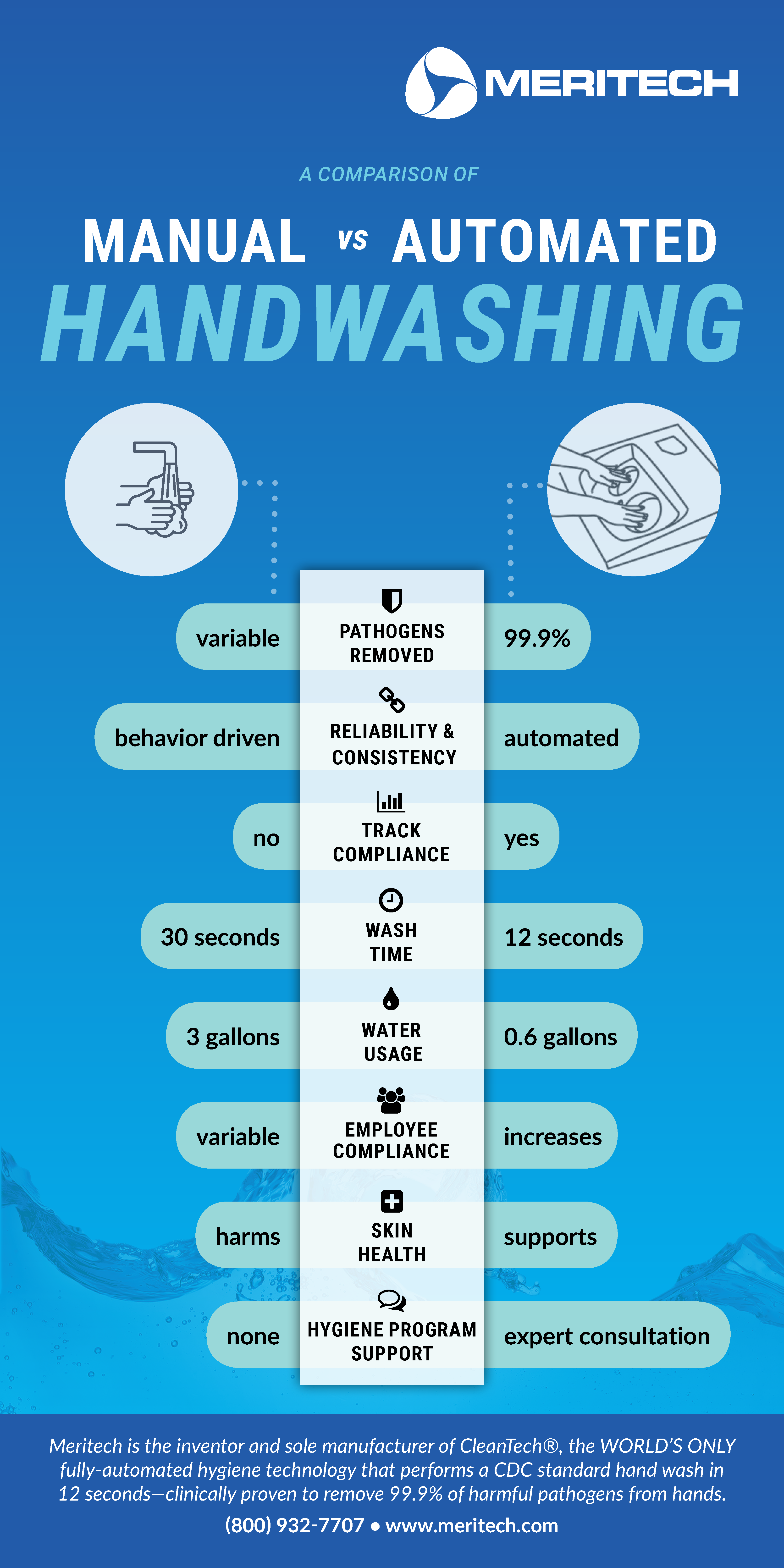
Not every Sunbrella item belongs in the washer. Understanding when to use each method protects your investment.
When to Use Each Method
Machine washing works best for removable covers, throws, and drapes where the manufacturer approves removal. Hand washing is the preferred method for most outdoor use, especially fitted cushions, because it preserves the fabric is construction. Professional cleaning is recommended for large awnings, complex furniture, or when you are uncertain about the material.
Use the Seam-to-Seam Technique
Whether hand or machine washing, always clean from seam to seam rather than spot treating in circles. This prevents water rings and soap residue buildup. Use a fabric extractor for non-removable upholstery to ensure thorough rinsing.
Store Sunbrella Properly After Cleaning
Bad storage can ruin clean fabric quickly. Follow these guidelines to maintain your Sunbrella between uses.
Dry Completely Before Storing
Even slightly damp fabric breeds mold in storage. Use fans or indirect sunlight to ensure complete dryness before putting items away. Check all seams and crevices for hidden moisture.
Choose the Right Storage Spot
Store in a cool, dry, ventilated area such as a closet shelf, attic, or garage. Wrap cushions in old sheets or breathable fabric, never plastic. Set traps if rodents are a concern, as they chew foam and nest in fabric.
Outdoor Storage Tips
If leaving furniture outside, use breathable patio covers and elevate cushions to allow airflow. Remove covers during rain or high humidity to prevent moisture buildup.
Prevent Common Cleaning Mistakes
Avoid these errors to extend Sunbrella is life significantly.
No Heat Ever
Dryers, steamers, and high-heat irons will damage the fabric permanently. Use only the synthetic setting if ironing is absolutely necessary.
Rinse Until Water Runs Clear
Soap residue attracts dirt and creates buildup. After washing or spot cleaning, rinse thoroughly with clean water and blot excess moisture with a towel.
Test Cleaners First
Always test any solution on a hidden area before using it on visible surfaces. Wait 24 hours to check for color bleeding, texture changes, or stiffness.
Frequently Asked Questions About Cleaning Sunbrella in a Washing Machine
Can all Sunbrella fabrics be washed in a washing machine?
No. Only specific Sunbrella fabrics are machine washable, including upholstery fabrics, drapery, throws, and removable cushion covers approved by the manufacturer. Sunbrella Shade, Sling, and Horizon fabrics should never be machine washed.
What washing machine settings should I use for Sunbrella fabric?
Use cold water with the Delicate or Gentle cycle. Avoid warm water, as it can cause fading and fiber damage. Do not overload the machine, and ensure the fabric has room to move freely.
Can I use fabric softener when washing Sunbrella?
No. Fabric softeners coat the fibers and reduce the fabric is natural water repellency. Always avoid fabric softeners when cleaning Sunbrella fabrics.
Can I put Sunbrella in the dryer?
No. Sunbrella fabric must never be placed in a clothes dryer. High heat damages acrylic fibers and destroys protective finishes. Air dry only by hanging or laying flat.
How often should I reapply fabric protector after washing Sunbrella?
Reapply fabric protector once a year or immediately after every deep cleaning. This restores water repellency and maintains stain resistance.
What should I do if my Sunbrella has mold or mildew?
Mix one cup of bleach with one-quarter cup of mild soap per gallon of water. Apply to the affected area, let it sit five to ten minutes, scrub gently, rinse thoroughly, and air dry completely.
Key Takeaways for Cleaning Sunbrella in Your Washing Machine
Machine washing Sunbrella is possible, but it is not always the best choice. For most outdoor cushions, hand washing in place is safer and more effective. Reserve the washing machine for removable drapes, throws, or covers explicitly approved for laundering. Always verify fabric compatibility, use cold water with gentle cycles, and avoid heat when drying. Reapply fabric protector after cleaning to maintain water resistance and extend the fabric is life. When in doubt, clean by hand, air dry thoroughly, and re-protect. Your Sunbrella will stay vibrant, water-resistant, and ready for seasons of use.