Washing linen in a washing machine can feel risky if you have ever pulled out a shrunken, stiff, or wrinkled garment. The good news is that linen is actually one of the strongest natural fibers, becoming more durable when wet and softening beautifully with each wash. However, its tendency to shrink up to 10% during the first wash and wrinkle easily means it requires specific handling. This guide provides a complete step-by-step process to machine wash linen clothes safely, preserving their softness, shape, and color for years.
You will learn how to properly prepare linen for washing, select the correct machine settings, choose the right detergent, dry without causing stiffness, and smooth out wrinkles with minimal effort. Whether you are washing linen shirts, pants, dresses, or tablecloths, these methods work for all machine-washable linen items.
Check Care Labels Before Washing

Always consult the manufacturer’s care label before washing any linen item. While high-quality linen is inherently machine washable, some labels may indicate “dry clean only” due to specific construction details like complex suits or jackets. However, dry cleaning uses harsh solvents that degrade natural fibers over time, causing fading and weakened structure. If the garment is pure linen without heavy structuring, a gentle machine wash is often safer and kinder to the fabric long-term.
Look for key symbols on care labels. The washing tub icon indicates safe water temperatures, with one dot representing cold and two dots representing warm water. The iron symbol with three dots indicates high heat is safe for linen. A circle with an X means do not dry clean, while a square with a circle indicates tumble drying is safe. If the label permits machine washing, proceed with confidence using gentle settings.
Sort and Prepare Linen Properly
Proper sorting and preparation prevent shrinkage, color bleeding, and fiber damage during the wash cycle.
Separate light-colored linens from dark colors to avoid dye transfer. Never wash linen with heavy fabrics like jeans or towels, as the agitation from rougher items can damage delicate fibers and cause pilling or tears. Wash linen only with similar lightweight fabrics, and avoid overloading the machine, as linen needs space to move freely for thorough cleaning and to reduce tangling.
Turn garments inside out before washing to protect the outer surface from friction, fading, and pilling. Secure all closures by zipping zippers, buttoning buttons, and fastening hooks to prevent snagging. Inspect pockets for loose items and check seams for damage that could worsen during the wash.
Pretreat Stains Before Washing

Treat stains before the main wash cycle, as machine drying a stained item permanently sets the mark. For general stain treatment, remove excess solid material using a blunt edge like a card or butter knife without rubbing aggressively, which pushes the stain deeper into fibers.
For specific stain types, use targeted treatments. Grease stains respond well to covering with cornstarch or talcum powder for several hours to absorb oil, then brushing off and applying dish soap directly to the stain before washing. Wine and juice stains require immediate action: sprinkle salt or baking soda to absorb liquid, rinse with cold water, apply a water and white vinegar mixture, then wash. Coffee and tea stains need rinsing with cold water, dabbing with vinegar-water mixture, and washing with an enzyme-containing detergent. Ink stains call for blotting excess, applying equal parts white vinegar and water, rinsing with cold water, and repeating if necessary. Blood stains require soaking in cold water for 15 to 30 minutes, then gently scrubbing with ammonia-water mixture before washing.
Never use hydrogen peroxide or bleach on linen, as these weaken fibers and can cause yellowing or holes.
Select the Right Detergent

Using the wrong detergent damages linen fibers, dulls colors, and stiffens fabric. Choose a mild, pH-neutral detergent such as baby detergent, dye-free and scent-free formulas, or specialty linen wash. Avoid detergents containing optical brightening agents (OBAs), which alter color and leave residue that affects the fabric’s appearance.
Never use bleach on linen, including white linen. Chlorine bleach causes fibers to rip, wear out quicker, and weaken significantly. Also avoid fabric softeners, which coat fibers and reduce linen natural breathability and absorbency. Instead, add half a cup of white vinegar to the rinse cycle to naturally soften fabric, remove odors, and prevent static.
Follow dosage instructions carefully. For front loaders using liquid detergents like Woolite Delicates, fill the measuring cap to line 1 for medium loads. Using too much detergent causes buildup that stiffens fabric and dulls colors.
Set the Correct Wash Cycle
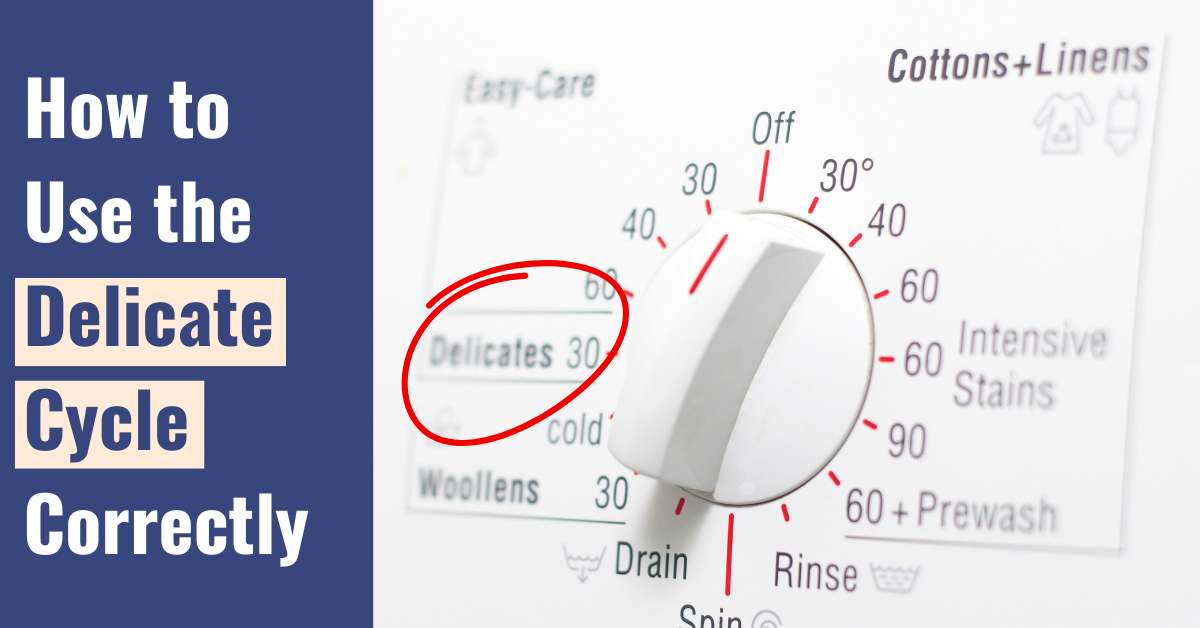
Linen is durable, but aggressive machine agitation causes wear if settings are too harsh. Use cold or lukewarm water below 30°C (85°F) to prevent shrinkage, fading, and fiber stiffness. Hot water causes the fabric to lose shape, fade colors, and weaken fibers over time.
Select a gentle, delicate, or wrinkle control cycle to reduce spin speed and agitation, minimizing stress on fibers. Use a gentle spin setting to further protect the fabric. For delicate items like linen blouses or vintage pieces, place them in a mesh laundry bag for extra protection during the cycle.
Air Dry Linen Whenever Possible

Drying is where most linen damage occurs, making air drying the safest method. Remove linen from the washing machine immediately after the cycle ends, as allowing it to sit in the drum causes deep wrinkles and musty odors to set in.
Hang garments on a clothesline, drying rack, or padded hanger away from direct sunlight to prevent fading. Alternatively, lay flat on a clean, dry towel for heavier items like tablecloths. Ensure good airflow by drying near a fan or in a breezy room, which helps the fabric dry evenly and prevents stiffness. Reshape damp garments to maintain their original form and prevent distortion.
Avoid hanging linen on plastic or painted surfaces that could transfer color to damp fabric.
Tumble Dry Only on Low Heat
If you must use a dryer, select the lowest heat setting possible such as delicate or low heat. High heat breaks fibers and causes significant shrinkage. Remove the item while it is still slightly damp rather than bone dry, as this reduces wrinkles and makes smoothing easier.
A permanent press cycle can be used for table linens if air drying is not possible. Never over-dry linen, as bone-dry fabric becomes stiff, brittle, and more prone to shrinkage.
Remove Wrinkles Without Ironing
Linen wrinkles easily, but you can often smooth it without ironing. After washing, shake each garment vigorously before drying to release tension and help fabric fall smoothly. For quick refreshes, use a handheld steamer held 2 to 3 centimeters from the fabric, moving in gentle even strokes. Steaming relaxes fibers, kills bacteria, and removes wrinkles without the pressure of an iron.
Try the bathroom steam trick by hanging linen in the bathroom during a hot shower. The ambient steam naturally releases wrinkles without direct contact.
Iron for a Crisp Finish
When a polished look is needed, ironing delivers results. Linen presses best when slightly damp, so use the steam function or mist with water if the fabric is dry. Set the iron to medium or medium-high heat, or use the linen setting.
Iron garments inside out to prevent creating shine on the outer surface. Place a pressing cloth like a clean cotton pillowcase between the iron and the linen to protect delicate fibers. Use gentle circular motions and focus on collars, cuffs, hems, and front panels. Hang the garment immediately on a padded hanger after ironing to maintain shape and prevent new wrinkles.
Store Linen Correctly
Proper storage keeps linen fresh and wrinkle-free between wears. Store in a cool, dry place away from direct sunlight to prevent fading and discoloration. Avoid damp or humid areas to prevent mold and mildew growth.
For long-term storage, fold linen with acid-free tissue paper between layers to prevent deep creases. Never use plastic bags, which trap moisture and cause yellowing. Use breathable cotton garment bags or muslin covers instead. Rotate linen items in your wardrobe periodically to prevent excessive wear on specific pieces.
A quick 20-second steam pass refreshes stored linen and removes storage wrinkles and odors.
Wash Different Linen Items Correctly
Different linen garments need slight adjustments in care.
Linen shirts typically require washing after one to two wears due to sweat and body oils. Turn them inside out, add half a cup of white vinegar to the rinse cycle, and remove immediately after washing. Steam or iron for the best appearance.
Linen pants often need only steaming rather than full washing if not soiled. Hang on sturdy hangers and iron inside out with light tension to maintain shape.
Tablecloths and napkins should be shaken out immediately after washing to minimize wrinkles. Follow the same washing steps as clothing, then air dry or use a permanent press cycle if air drying is impossible.
Vintage or heirloom linen requires hand washing only. Use a delicate detergent like Woolite Delicates in cool water, avoid machine drying entirely, and press with a cool iron and cloth only if necessary.
Prevent Common Linen Washing Mistakes
Avoid these pitfalls to keep linen looking its best.
Do not use hot water, which causes shrinkage and fading. Always use cold or lukewarm water. Never use bleach, as chlorine and hydrogen peroxide weaken fibers and cause holes. Avoid overloading the machine, as linen needs space to move freely. Do not ignore detergent labels for optical brighteners and harsh chemicals. Never let wet linen sit in the machine, as this sets wrinkles and causes musty smells.
Frequently Asked Questions About Washing Linen in a Washing Machine
Can all linen clothes be washed in a washing machine?
Most high-quality linen is machine washable, but always check the care label first. Some structured items like jackets may require dry cleaning or hand washing. However, dry cleaning degrades linen fibers over time, so gentle machine washing is often safer for most linen garments.
What temperature should I use to wash linen?
Use cold or lukewarm water below 30°C (85°F). Hot water causes shrinkage up to 10%, fading, and fiber stiffness. Cold water protects color and texture while preventing excessive shrinkage.
Can I use regular detergent on linen?
Avoid regular detergents containing optical brightening agents or bleach. Use a mild, pH-neutral detergent such as baby detergent, dye-free formulas, or specialty linen wash. Never use bleach on any linen, including white.
Why does linen become stiff after washing?
Stiffness occurs from over-drying, lack of airflow during drying, or detergent buildup. Air dry with good circulation, remove from the dryer while slightly damp, and add vinegar to the rinse cycle to maintain softness.
How do I prevent linen from shrinking?
Use cold or lukewarm water, avoid high-heat drying, and air dry when possible. Buy slightly larger sizes to account for up to 10% shrinkage during the first wash. Higher-quality linens that are pre-washed by manufacturers tend to shrink less.
Key Takeaways for Washing Linen in a Washing Machine
Washing linen in a machine is safe and even beneficial when done correctly. Always check care labels, sort by color and weight, and pretreat stains before washing. Use cold or lukewarm water with a gentle cycle, mild pH-neutral detergent, and skip the bleach. Air drying is preferred, but if using a dryer, select low heat and remove items while slightly damp. Add half a cup of white vinegar to the rinse cycle for natural softening. With proper care, linen becomes softer, more beautiful, and more comfortable with every wash, giving you years of enjoyment from your linen clothes.