Is your child’s favorite stuffed animal looking a little worse for wear? Over time, plush toys collect dirt, oils, and allergens from constant hugging, floor-rolling, and snack-time cuddles. If you’re wondering how to wash plush in washing machine safely, you’re not alone. Many parents hesitate, worried their furry friend might come out torn, matted, or destroyed. The good news is most modern plush toys made from cotton or polyester can be safely cleaned in a washing machine if you follow the right steps. This guide walks you through assessing washability, prepping the toy, choosing the right settings, and drying properly.
Check Machine Wash Suitability First
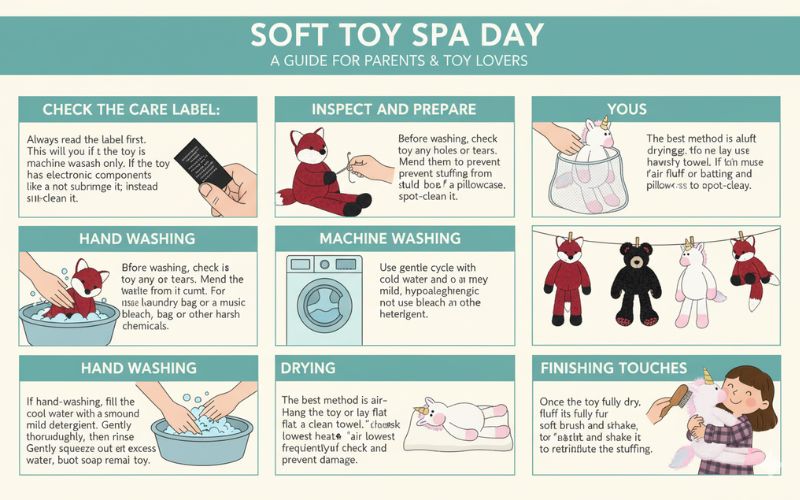
Before tossing any plush into the washer, confirm it can survive the cycle. Not all stuffed animals are built the same, and some materials or components will be ruined by water or agitation.
Identify Safe and Unsafe Materials
Stick to machine washing only if the plush is made of cotton or polyester fabric with polyester fiberfill stuffing. These materials hold up well to gentle washing. Avoid the machine if the toy contains foam beads or polystyrene filling, which absorbs water and won’t dry. Keep leather, wool, mohair, or natural fur away from the machine because they will shrink or felt. Suede, velvet, lace, or paper parts will degrade in water. Glued-on eyes, buttons, or glitter may detach and clog your drain. Vintage or heirloom plush toys often have weak seams or brittle fabric, so hand wash only.
Inspect for Electronics and Damage
Remove any plush with battery packs, sound modules, or internal wiring because water causes short circuits and corrosion. Also avoid washing toys with internal wires for poseability, which can snap during agitation. Glass or porcelain eyes may shatter. Never machine wash toys with loose seams or existing tears because the damage will worsen in the wash. If damage is minor, repair it with needle and thread before washing.
Confirm Size and Fit
The plush must fit loosely in your washer drum. If it’s too big or packed tightly, it won’t clean evenly and may throw the machine off balance. For oversized toys, spot clean or hand wash instead.
Prepare Plush for Washing

Proper prep protects your plush and ensures a thorough clean without damage.
Remove Accessories
Take off any clothes, hats, ribbons, or detachable parts. Wash them separately or by hand. Leaving them on risks tangling, color bleeding, or snagging.
Spot Clean Stains First
For visible stains, pre-treat before the full wash. Dampen the area with cold water. Apply a mild stain remover or diluted Simple Green (1:10 with water). Let sit for 1-2 minutes, then gently blot. Always spot test first on a hidden area like the foot to check for color bleeding.
Protect with a Mesh Bag or Pillowcase
Shield your plush from agitation. Place it in a mesh laundry bag ideal for delicates. Or use a pillowcase tied shut with a shoelace or knot. This prevents stretching, snagging, and protects loose parts. You can wash multiple small plush toys together this way, just don’t overcrowd.
Load Machine Correctly
Wash plush toys alone, never with regular laundry. Dark clothes can bleed dye onto light-colored toys. A red shirt can turn a white bear pink. Use an empty drum for a safe, controlled clean.
Choose the Right Detergent

Using the wrong soap can leave residue, irritate skin, or damage fabric.
Use Mild, Safe Cleaners
Opt for mild liquid laundry detergent tested on a small area first. Plant-based or enzyme detergents are gentle but effective. Baking soda adds odor control, use about a quarter cup. Simple Green All-Purpose Cleaner in Lemon Scent works well for pre-treating tough grime.
Avoid Harsh Chemicals
Never use bleach because it fades colors and weakens fabric. Skip fabric softener because it coats fibers and reduces breathability. Avoid chlorine, borax, or phosphates because they’re irritating and damaging. Skip optical brighteners because they can cause skin sensitivity.
Dose Properly
For standard machines, use the manufacturer-recommended amount. For top-loaders, add a quarter cup of Simple Green directly to the drum. For HE machines, pre-wet the plush then spray cleaner on it rather than pouring into the dispenser.
Run the Correct Wash Cycle
The wrong settings can ruin even a wash-safe plush.
Select Gentle and Cold Settings
Use the Delicate or Hand Wash cycle. Set water temperature to cold only. This prevents shrinking, fading, and melting glue or plastic parts. Hot water warps shapes and damages adhesives. Keep spin speed low or off to reduce stress on seams.
Prefer Front-Loading Machines
Front-loaders are safer than top-loaders with agitators. The agitator can twist, stretch, or tear plush toys. If you must use a top-loader, keep the toy securely bagged.
Keep Cycle Short
A 15-30 minute gentle cycle is enough. Longer cycles increase wear. If still dirty, repeat the process rather than extending time.
Dry Plush Safely
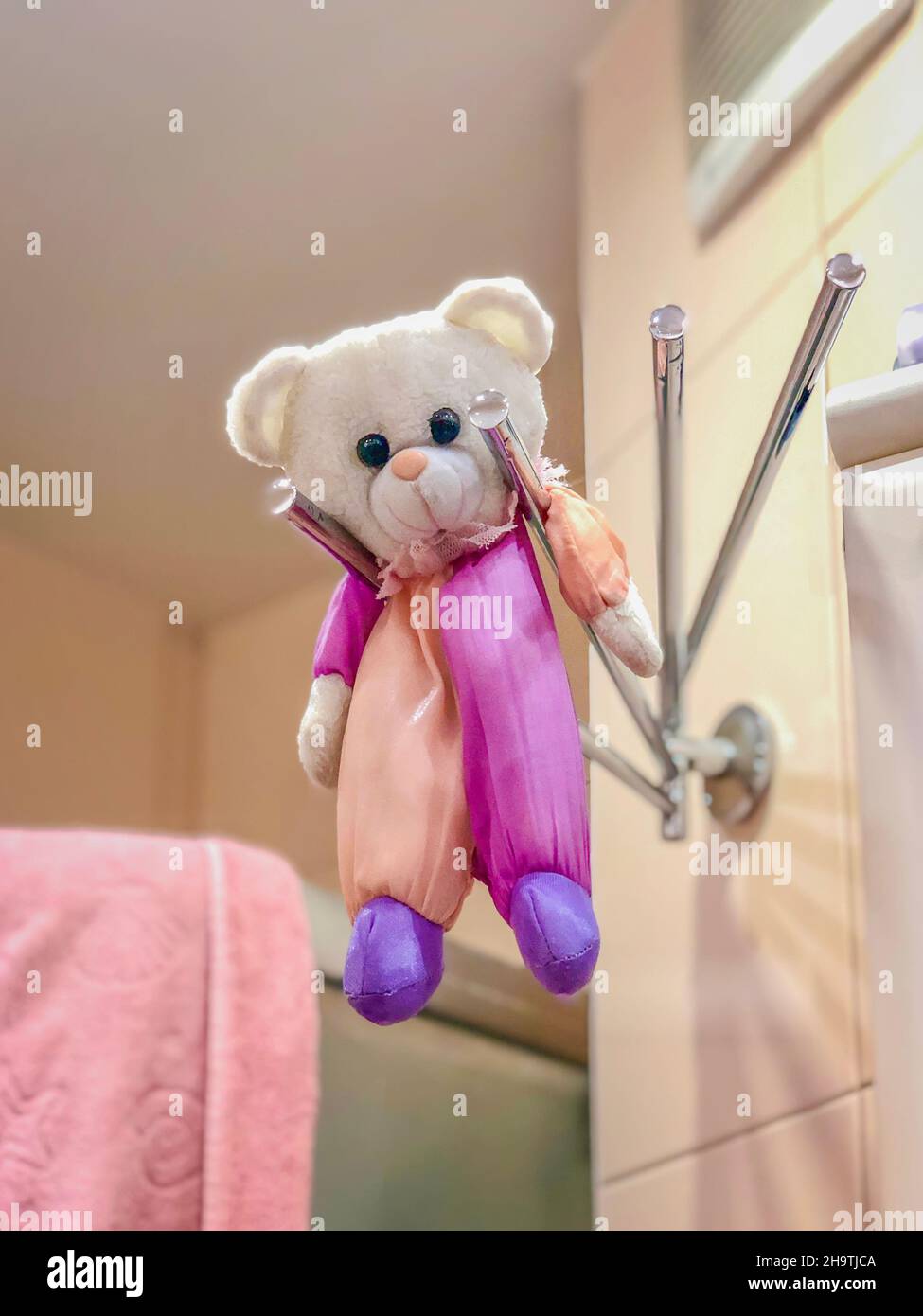
Improper drying leads to mildew, odors, or warped shapes.
Air Dry for Best Results
Remove plush from the bag immediately after washing. Gently press out water, never wring or twist. Stuff limbs and body with paper towels to absorb moisture and hold shape. Reshape head, ears, and limbs. Place in a well-ventilated area. A fan or dehumidifier nearby speeds drying. Avoid direct sunlight because it fades colors. Drying time is 24-72 hours depending on size and stuffing density. Check inside to ensure it’s fully dry and prevent mildew.
Use Cool Blow Dryer for Touch-Ups
For faster surface drying, use a hairdryer on cool (no-heat) setting. Hold it 6-8 inches away. Focus on matted areas or thick fur. Avoid heat because it can melt plastic parts or weaken glue.
Tumble Dry Only If Necessary
Only attempt if the care label allows. Use air-dry (no heat) or low-heat setting. Keep plush in mesh bag or pillowcase. Never leave unattended. Check every 10-15 minutes. May require multiple short cycles. Risk includes shrinking, melting, or fire hazard from overheating electronics even if batteries were removed.
Restore Plush After Washing
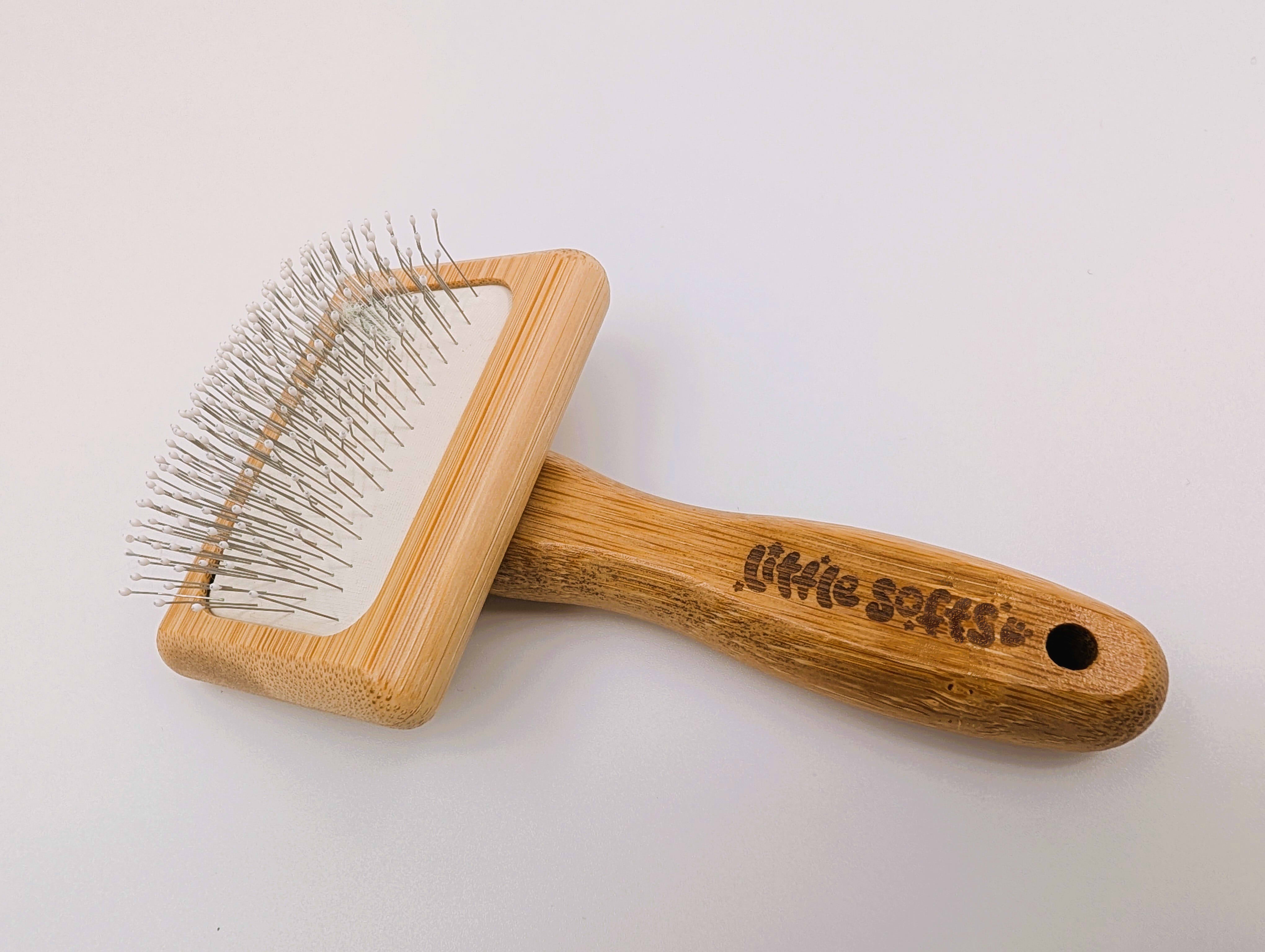
Once dry, revive your toy’s softness and appearance.
Fluff and Reshape
Gently squeeze and fluff the stuffing to restore volume. Massage limbs and body to prevent clumping.
Brush the Fur
Use a stiff brush with wide plastic bristles (like a doll brush). Brush in all directions to lift the nap and remove matting. For long-haired plush, alternate brushing with light wiping. This step brings back the huggable, like-new feel.
Spot Clean or Hand Wash When Needed
Skip the machine for delicate or non-washable plush.
Spot Clean for Light Dirt
Dampen a soft cloth with water. Gently wipe soiled areas. For stains, apply mild detergent to the cloth (not directly to the toy). Rinse with damp cloth, then blot dry. This method is ideal for toys with electronics or glued parts.
Hand Wash for Delicate Plush
Best for vintage, wool, or uncertain items. Fill a sink with cool water and mild detergent. Submerge toy, gently swish, no scrubbing. Rinse in clean cold water until soap-free. Press against sink to remove water, no wringing. Wrap in towel, press to absorb moisture. Lay flat, stuff with paper towels, air dry.
Maintain Plush Hygiene Long-Term
Keep toys clean and safe with a smart routine.
Wash Frequency Guidelines
Clean daily-use toys weekly to remove oils, saliva, and allergens. Wash rotational toys when visibly dirty or smelly. Wash immediately after illness to kill germs and prevent reinfection.
Fight Odors Without Washing
If it smells musty but isn’t dirty, sprinkle baking soda on the surface, wait 15 minutes, then vacuum. Place near a dehumidifier or in fresh air. Ensure full dryness because damp stuffing causes odors.
Avoid Common Mistakes
Prevent damage with these key precautions. Never machine wash foam-filled or electronic plush. Never use hot water or high-heat drying. Never use bleach or fabric softener. Never leave a plush in the dryer unattended. Never skip the mesh bag or pillowcase. Never wash a torn toy without repairing it first. When in doubt, hand wash or spot clean.
Frequently Asked Questions About Washing Plush Toys
Can all plush toys be washed in a washing machine?
No. Only plush toys made of cotton or polyester with polyester fiberfill are safe for machine washing. Avoid machines for toys with foam beads, electronics, leather, wool, natural fur, or glued-on decorations.
What happens if I wash a plush toy with electronics?
The electronics will likely short circuit, corrode, or leak battery acids. This destroys the toy and could damage your washing machine. Always remove batteries and avoid machine washing electronic plush.
How do I prevent my plush from getting matted in the wash?
Use a mesh laundry bag or pillowcase to protect the plush from agitation. Brush the fur thoroughly after drying using a stiff brush with wide plastic bristles. Brush in all directions to restore the nap.
Can I use regular laundry detergent on plush toys?
Yes, but use a mild detergent and spot test first. Avoid harsh chemicals like bleach, fabric softener, chlorine, or optical brighteners. These can damage fibers and irritate sensitive skin.
How long does air drying a plush toy take?
Air drying typically takes 24-72 hours depending on the toy’s size and stuffing density. Check that the interior is completely dry before returning the toy to a child to prevent mildew.
Is it safe to tumble dry plush toys?
Only if the care label permits it. Use air-dry (no heat) or low-heat setting. Keep the toy in a mesh bag. Never leave unattended and check frequently. Air drying is always safer and recommended.
Key Takeaways for Washing Plush Toys
Washing plush toys in the machine is safe and effective when done right. Always check materials first. Skip the machine for foam-filled, electronic, vintage, or delicate plush toys. Use cold water, gentle cycles, mild detergent, and protect the toy with a mesh bag. Air drying is the safest method, though a cool blow dryer helps with touch-ups. Brush the fur after drying to restore softness and appearance. When in doubt, spot clean or hand wash. Regular cleaning extends the life of beloved stuffed animals while protecting your child’s health.