Nothing breathes new life into a living room like fresh, clean couch covers. But when it comes to tossing them in the washing machine, many homeowners hesitate, and rightfully so. Washing couch covers incorrectly can lead to shrinkage, fading, or permanent damage to the fabric. The good news is that if your covers are machine washable, you can safely clean them at home as long as you follow the right steps. This guide will walk you through exactly how to wash couch covers in a washing machine the right way, helping you avoid common pitfalls while preserving both fabric quality and fit.
You will learn how to check care labels, pre-treat stains, choose the correct wash cycle, and dry your covers properly. Whether you have an IKEA sofa, a microfiber sectional, or fitted slipcovers, this step-by-step process ensures your couch stays clean, comfortable, and looking like new for years to come.
Check the Care Label Before Washing
:max_bytes(150000):strip_icc()/international-laundry-care-symbols-2146487_V2-d1f2ab25b0334a99880274c87b83ae63.png)
Decode the Fabric Care Symbols
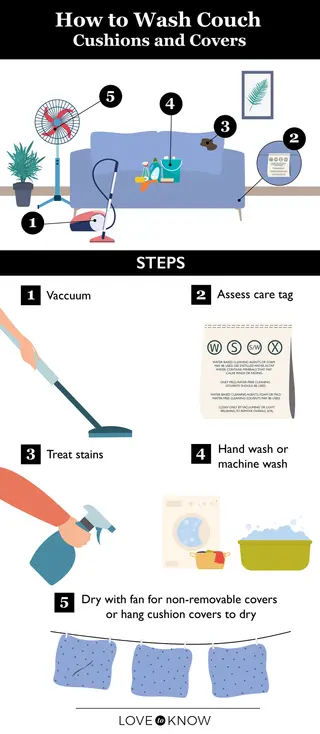
Before anything else, locate the care tag on your couch cover. This small label holds the key to safe cleaning and tells you exactly how to treat the fabric. Ignoring these instructions is the primary cause of irreversible damage including shrinkage, fraying, and loss of structural integrity.
Look for these critical codes:
• W: Safe for water-based cleaning, machine or hand wash
• S: Requires solvent cleaning only, dry clean only
• WS: Can use water or solvents
• X: Do not clean with water or solvents, professional cleaning only
If you see S or X, do not machine wash. Doing so risks permanent damage and may void your warranty.
Know Your Fabric Type
Not all fabrics can handle a spin cycle. Understanding what you are dealing with prevents costly mistakes.
Fabrics safe for machine washing include polyester, microfiber, cotton blends, and most removable slipcovers like IKEA models. Fabrics requiring hand wash only include pure linen and delicate weaves that shrink easily. Dry clean only materials include corduroy, spill-proof treated fabrics, wool, and silk. Leather and faux leather covers should never be machine washed. Clean these with a damp cloth and leather-safe products instead.
When in doubt, contact the manufacturer or err on the side of caution.
Inspect and Repair Before Washing
Even washable covers need a pre-wash check. Small issues can become big problems in the machine.
Check for rips, loose threads, or weak seams and repair them with a needle and thread. Zip up all zippers and button closures to prevent snagging. Turn the cover inside out to protect the outer fabric from abrasion during the cycle.
Skipping this step risks tears, pilling, or a cover that will not fit properly after washing.
Pre-Treat Stains Before Washing
Identify and Address Stains Early
Stains set fast, especially with heat and agitation. Do not toss a stained cover into the washer without treating it first.
For food spills, blot immediately, then apply a mild detergent and water solution. For pet accidents, use an enzyme-based cleaner to break down proteins effectively. For ink or makeup, dab with rubbing alcohol after testing on a hidden area first.
Always blot, never rub, to avoid spreading the stain deeper into the fibers.
Avoid Bleach Completely
Bleach may seem like a quick fix for brightening whites, but it is dangerous for upholstery fabrics.
The risks include permanent discoloration, fiber degradation, and faded patterns and colors. Instead of bleach, use a fabric-safe stain remover, a paste of baking soda and water, or hydrogen peroxide for whites after testing first.
Never use bleach, even on white covers, unless the care label explicitly allows it.
Set Up the Washing Machine Correctly
:max_bytes(150000):strip_icc()/how-to-select-the-correct-cycle-2145866-04-54a22f92935645008e17318ec55616d8.jpg)
Use Cold or Lukewarm Water
Heat is the number one cause of shrinkage in couch covers. Always use cold or lukewarm water between 30°C and 40°C, which equals 86°F to 104°F.
Cold water protects natural fibers like cotton and linen from contracting. It prevents thermal shock that shrinks fabric and reduces color bleeding in dark or patterned covers. When in doubt, go colder. It is safer for both fabric and dyes.
Choose a Gentle Wash Cycle
Your washing machine regular cycle is too harsh for upholstery fabrics. The mechanical action can stress fibers, leading to fraying, pilling, and tearing.
Always select Gentle, Delicate, or Hand Wash cycles. These settings use slower agitation and lower spin speeds, reducing stress on fibers and seams. Avoid heavy-duty, permanent press, and normal cycles as they can cause pilling, fraying, or misshapen covers.
Load the Machine Properly
How you load the machine affects both cleaning results and fabric safety.
Do wash covers separately or with only one or two lightweight items. Leave space for the cover to move freely around the drum. Sort by color, washing lights with lights and darks with darks.
Do not overload the drum, as this creates excessive friction and prevents proper rinsing. Do not mix light covers with dark towels or jeans. Do not wash with heavy items like blankets or denim.
Overcrowding leads to poor cleaning and increased fabric damage.
Use Mild Detergent Only
Harsh detergents strip fibers and fade colors over time.
Choose a mild, fragrance-free detergent labeled for delicates or sensitive skin. These detergents are free from harsh chemicals, optical brighteners, dyes, and perfumes that can damage upholstery fabrics.
Avoid bleach, fabric softeners unless label-approved, and powder detergents that can leave residue on fabrics. Liquid mild detergents dissolve better and are gentler on all fabric types.
Dry Couch Covers the Right Way

Air Dry in the Shade
Drip drying in the shade is the safest way to dry couch covers and the preferred method for maintaining their original fit.
Hang the cover over a clothesline or drying rack, or lay it flat if possible. Keep the cover out of direct sunlight to prevent UV fading. Air drying prevents shrinkage and maintains the original dimensions of the cover.
Never Use High Heat Drying
Tumble dryers can ruin couch covers with heat and tumbling action.
Avoid high heat settings, long drying cycles, and drying fitted covers on high heat. Heat causes fibers to contract, leading to shrinkage and a cover that no longer fits your sofa properly.
Low-Heat Dryer Settings If Necessary
If you must use a dryer, set it to the lowest heat setting or air fluff with no heat. Remove the cover while it is still slightly damp, then finish air drying to prevent over-drying.
Even with these precautions, air drying remains the superior method for maintaining size and fit integrity.
Reshape While Damp
This step is crucial for achieving a perfect fit when the cover dries.
While the cover is damp, smooth out all wrinkles and gently stretch it back to original dimensions. For fitted covers, pull the corners into shape to ensure they will snap onto the sofa correctly without tight spots or sagging.
This helps the cover maintain its shape and fit once reinstalled.
Iron and Reinstall Properly

Iron Only If Needed
Most covers do not need ironing if smoothed properly while damp. But if wrinkles persist, use caution.
Use a low heat setting appropriate for the specific fabric type. Iron on the reverse side, inside out, to protect the visible surface. Test on an inconspicuous area first to check for damage.
Never iron synthetic fabrics on high heat as they can melt. Do not iron delicate weaves like linen unless the care label explicitly approves it.
Wait Until Fully Dry Before Reinstalling
Wait until the cover is completely dry before putting it back on the couch.
Damp fabric can lead to mildew or musty odors developing underneath. Wet fibers stretch more easily, risking a misfit once dry. Moisture trapped under cushions can also damage the foam underneath.
Once dry, reattach zippers, tuck corners neatly, and smooth the cover for a fresh, polished look.
Establish a Cleaning Schedule
Wash Covers Twice Yearly
For most homes, deep clean couch covers every six months. This keeps your sofa hygienic and extends its lifespan significantly.
Adjust the frequency based on your household. Homes with pets need more frequent washing due to dander, shedding, and occasional accidents. Homes with children require more washing due to spills, crayons, and sticky fingers. Allergy sufferers should wash more often since dust mites thrive in fabric. Sun-exposed rooms may need more frequent cleaning as UV rays fade and degrade fibers.
Vacuum Weekly Between Washes
Between full washes, vacuum cushions and crevices weekly to prevent buildup.
Use an upholstery attachment and focus on seams and corners where dust and crumbs accumulate. This removes surface debris before it works into the fabric fibers and becomes harder to remove.
Weekly vacuuming significantly reduces how often you need to run a full wash cycle.
Spot Clean Spills Immediately
For small messes, act fast to prevent stains from setting.
Blot the spill with a clean cloth, do not rub. Use mild soap and water applied to the cloth, not directly on the fabric. Rinse with a damp cloth, then blot dry.
Quick action prevents stains from setting and reduces how often you need to do a full wash.
Troubleshoot Common Problems
Fix Shrinkage Issues
A shrunk cover is usually caused by hot water, high-heat drying, or over-agitation during washing.
To try fixing it, soak the cover in lukewarm water with hair conditioner mixed at a ratio of one part conditioner to three parts water. Gently stretch the cover while it is wet, then reshape and air dry.
Prevention is always better than cure. Always use cold water and air dry to avoid this problem entirely.
Stop Discoloration and Fading
If your cover fades or experiences color bleeding, wash in cold water next time. Separate colors strictly and avoid bleach entirely. Dry in the shade rather than in direct sunlight.
For color-safe cleaning, use a detergent specifically formulated for darks or bright colors.
Prevent Tears and Pilling
To avoid fabric damage during washes, repair small tears before washing. Always use the gentle cycle. Wash covers inside out to protect the outer surface.
Pilling can be removed gently with a fabric shaver if it does occur despite your precautions.
Handle Stubborn Stains
If a stain persists after washing, retreat it with a fabric-safe stain remover. Soak the affected area overnight in cold water with mild detergent, then repeat washing on gentle cycle.
Never use hot water on organic stains like sweat or food. Hot water locks these stains into the fibers permanently.
Frequently Asked Questions About Washing Couch Covers
Can I wash all couch covers in a washing machine?
No. Only covers labeled with W or WS codes are safe for machine washing. Covers labeled S, X, or made from leather, wool, silk, or corduroy require dry cleaning or special care. Always check the care label before proceeding.
What happens if I use hot water on couch covers?
Hot water causes fabric fibers, especially natural ones like cotton and linen, to contract and shrink. This can make the cover too small to fit your sofa properly. Always use cold or lukewarm water to prevent shrinkage.
How often should I wash my couch covers?
Wash couch covers at least twice a year for regular maintenance. Homes with pets, children, or allergy sufferers may need to wash them every three to four months. Vacuum weekly between washes to reduce frequency.
Can I use bleach on white couch covers?
No. Bleach is too harsh for upholstery fabrics and can cause permanent discoloration, fiber degradation, and fading. Use a mild detergent or a fabric-safe stain remover instead. Even on white covers, bleach can cause yellowing over time.
Why did my couch cover shrink after washing?
Shrinkage occurs when water temperature is too hot, the dryer uses high heat, or the wash cycle is too aggressive. To prevent this, always use cold water, select gentle cycle, and air dry in the shade. Reshape while damp to maintain proper fit.
Can I put couch covers in the dryer?
You should avoid tumble drying if possible. If you must use a dryer, set it to the lowest heat setting or air fluff with no heat. Remove the cover while slightly damp and finish air drying. High heat causes shrinkage and can damage the fabric fibers.
Key Takeaways for Washing Couch Covers in a Washing Machine
Washing couch covers in a washing machine is safe and effective when done correctly. Always start by checking the care label for machine washability codes. Pre-treat any stains before washing and avoid bleach at all costs. Use cold or lukewarm water with a gentle cycle, mild detergent, and wash covers inside out while separating by color.
Air drying in the shade remains the gold standard for drying couch covers. Never use high heat in a dryer as it causes irreversible shrinkage. Reshape the cover while damp to ensure a proper fit when reinstalling. Establish a routine of vacuuming weekly and washing every six months to keep your sofa looking its best.
When in doubt, skip the machine and opt for professional cleaning, especially for dry-clean-only or delicate fabrics. With proper care, your couch covers will stay fresh, fit perfectly, and last for years.