You’ve curled up with your favorite blanket through cold nights, movie marathons, and lazy weekends. Now it’s time to clean it, but throwing it in the machine without knowing the right way can lead to shrinkage, pilling, or even damage to your appliance. Learning how to wash a blanket in the washing machine the correct way keeps it soft, fresh, and lasting for years.
This guide covers every blanket type, from fleece throws to weighted blankets. You’ll discover which cycles and temperatures work best, when to hand wash instead of machine wash, and pro tips for drying without damaging delicate fibers.
Check the Care Label Before Washing
The care label is your most important reference. It tells you whether the blanket is machine washable, requires hand washing, or needs dry cleaning. Ignoring these instructions can void warranties or destroy delicate fibers permanently.
Look for these key symbols:
- Bucket with water and a hand means hand wash only
- Triangle indicates bleach is safe (crossed out means no bleach)
- Square with a circle means tumble drying is allowed
If the label says “dry clean only,” do not attempt machine washing, especially for wool, silk, or antique blankets.
Choose the Right Washing Machine
:max_bytes(150000):strip_icc()/top-load-washer-vs-front-load-2145868-v5-6606d79a51e446be957069689296fc44.png)
Front-Load vs. Top-Load Washers
Front-loading washers are better for blankets because they lack a central agitator that can tear Sherpa, knits, or fleece. Top-loaders with agitators can snag or twist heavy fabrics, causing damage.
Verify Your Machine Capacity
Blankets expand significantly when wet. If your blanket fills the drum when dry, it’s too large for that machine.
- Standard home machines handle up to 15 to 20 pounds
- Weighted blankets over 20 pounds need a commercial washer at a laundromat
- King-sized or oversized blankets often require large-capacity machines
Always wash blankets alone. Mixing them with clothes restricts movement and risks tangling.
Pretreat Stains Before Washing
Washing a stained blanket without pretreatment can set the mark permanently. Follow these steps for best results:
- Blot spills with a dry paper towel immediately
- Place a clean cloth underneath the stain to catch runoff
- Dampen a cloth with mild detergent or vinegar solution
- Gently dab from the edge inward to avoid spreading
- Let sit for 10 to 15 minutes, then wash as usual
For wool or cashmere, use cold water and avoid scrubbing. For stubborn stains, apply detergent to the back side to push the stain out.
Never use bleach, as it weakens fibers. Avoid harsh scrubbing, which causes pilling.
Use a Mesh Laundry Bag for Delicates
Delicate materials like crochet, chenille, cashmere, and Sherpa benefit from a large mesh laundry bag. It reduces friction, prevents snagging, and stops stretching during the spin cycle.
This protection is especially important for:
- Knitted blankets
- Embroidered or fringed throws
- Faux fur or fluffy textures
Even if the blanket is machine washable, a bag adds a safety net, particularly in top-load machines.
Set the Correct Wash Cycle
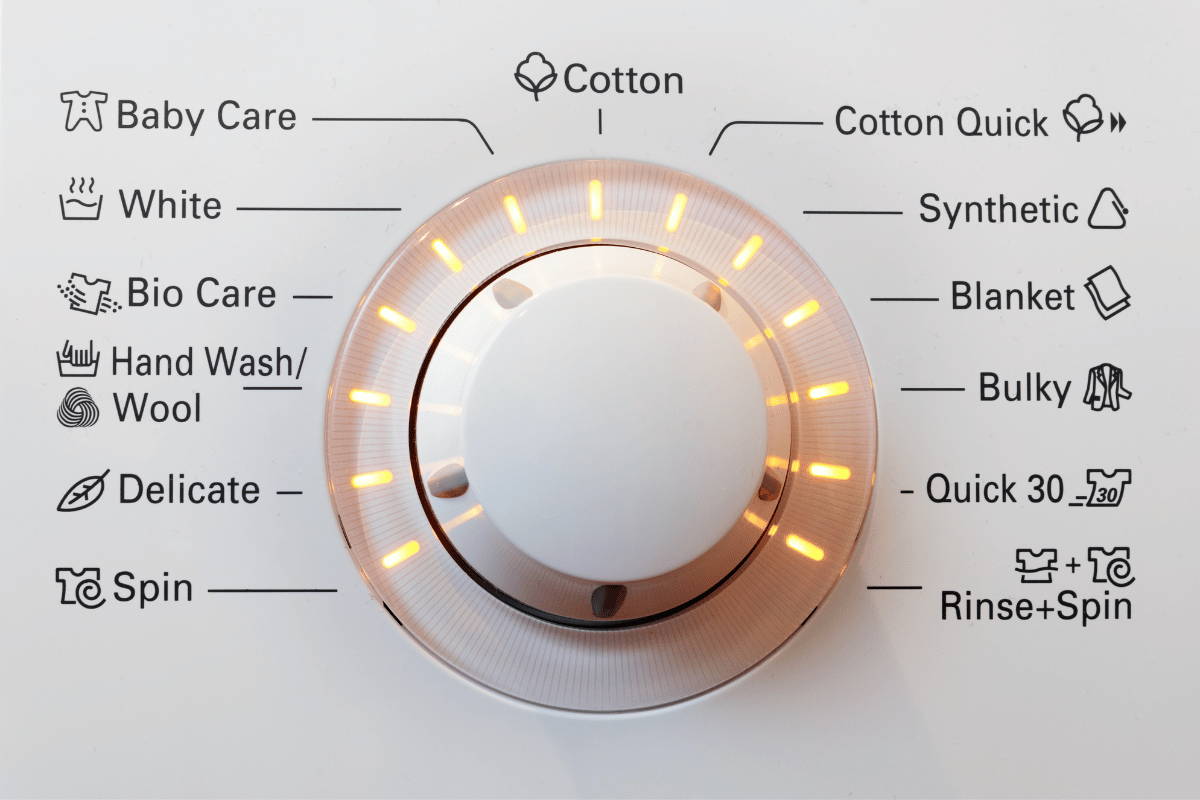
Using the wrong cycle can felt wool, pill fleece, or damage electric wiring. Match the fabric to the machine setting.
Gentle or Delicate Cycle
This is the best choice for fleece, Sherpa, cotton, electric, and most synthetic blankets. It uses slow agitation and low spin to protect fibers.
Bulky or Duvet Cycle
Designed for thick or heavy items like weighted blankets. This cycle adds extra water and adjusts drum motion. Check your manual for weight limits, often around 5.5 pounds per cycle.
Wool or Hand Wash Cycle
For wool, cashmere, or mohair only. Uses lukewarm water (maximum 30°C or 86°F) and minimal movement to prevent shrinking and felting.
Avoid normal, heavy-duty, or permanent press cycles. They’re too rough for most blankets.
Use Cold Water and Mild Detergent
Why Temperature Matters
Cold water is the safest choice for almost all blankets. It prevents shrinking (especially for wool and cotton), stops colors from bleeding, and protects internal wiring in electric blankets.
Lukewarm water at 30°C is acceptable for wool on a wool cycle. Hot water should only be used if the label specifically allows it.
Choose the Right Detergent
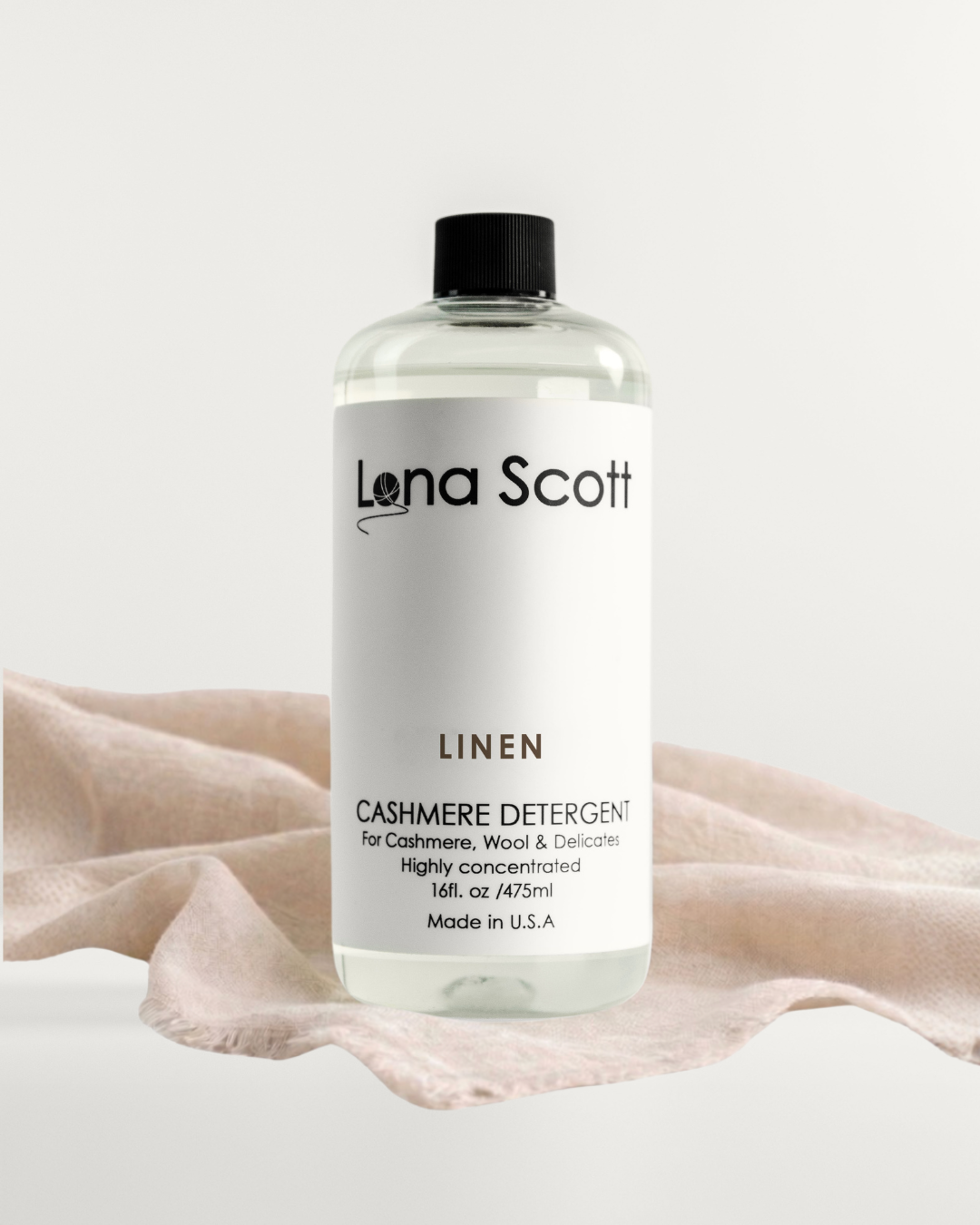
Select a mild liquid detergent for general use. Pre-diluted liquids ensure even distribution and prevent residue.
- Wool and cashmere need wool-safe formulas with lanolin
- Sensitive skin benefits from hypoallergenic or baby detergents
- Oxygen-based boosters remove odors without chlorine
Never use powdered detergents on microfiber (leaves residue), bleach (damages fibers), or fabric softener on fleece, Sherpa, or wool (coats fibers and reduces softness).
Use half the recommended detergent amount. Too much is difficult to rinse out and leaves blankets stiff.
Dry Blankets the Right Way
Air Drying When Possible
Air drying is safest for wool, weighted blankets, electric blankets, and delicate knits.
To air dry properly:
- Roll the blanket in a dry towel to remove excess water
- Lay flat on a rack, clean floor, or shower rod
- Flip every few hours for even drying
- Keep out of direct sunlight to prevent fading
Never hang heavy wet blankets because they stretch out of shape.
Machine Drying Tips
If the label allows machine drying, use low heat or air-dry settings only. High heat melts synthetic fibers like fleece and Sherpa, and it can damage electric wiring.
Add 2 to 3 clean tennis balls or dryer balls to fluff filling and prevent clumping. Remove immediately when dry to avoid heat damage. Use “Rack Dry” if available, which dries without tumbling.
For weighted blankets, air dry is best. If machine drying, check every 20 minutes and fluff by hand.
Wash Specific Blanket Types Correctly

Cotton and Linen Blankets
Wash in cold water on a gentle cycle with mild detergent. Avoid hot water (causes shrinking) and bleach (causes fading). Air dry in shade or tumble dry on low heat.
Wool Blankets
Wash in cold or lukewarm water (maximum 30°C) on a wool cycle with wool-safe detergent. Soak for 15 minutes in cold water before the cycle. Never machine dry. Lay flat to air dry away from direct sunlight. Wash only 2 to 3 times per year.
Fleece Blankets
Wash in cold water on a gentle cycle with less detergent than usual. Never use fabric softener (reduces insulation) or high heat (melts fibers). Tumble dry on low heat with tennis balls to restore fluffiness.
Sherpa and Faux Shearling Blankets
Wash alone in cold water on a delicate cycle with mild detergent. Air dry preferred. If machine drying, use low heat and remove immediately. Gently brush with a soft bristle brush after drying to restore fluffiness.
Weighted Blankets
Check the label first. Only machine wash if allowed and if the blanket is under 20 pounds. Use cold water, gentle cycle, and mild detergent. Air dry to prevent clumping. Consider washing only the removable cover and spot cleaning the inner layer.
Electric Blankets
Unplug first and remove all cords and controllers. Wash only if the label says machine safe. Use delicate cycle, cold water, and mild detergent. Air dry completely before reuse. Never use high heat, which can melt wires.
Crochet, Knitted, and Cashmere Blankets
Use a mesh bag, cold water, and wool or delicate cycle (or hand wash). Never wring or hang. Lay flat and reshape while damp.
Chenille Blankets
Wash on delicate cycle with cold water and mild detergent inside a mesh bag. Low heat tumble dry or lay flat.
Large or Oversized Blankets
If too big for your home washer, use a laundromat with commercial machines. Wash in cold water on a gentle cycle, alone. Air dry due to size constraints in most home dryers.
Hand Wash When Necessary
For delicate or uncertain fabrics, hand washing is safest.
Steps for hand washing:
- Fill a tub with cold water and mild detergent
- Submerge the blanket and gently press and swirl (no scrubbing)
- Soak up to 30 minutes for heavy soiling
- Drain, refill with clean water, and rinse until soap-free
- Roll in towels to remove excess water
- Lay flat to dry
This method works best for silk, mohair, vintage, or embroidered blankets.
Restore Softness After Washing
If Sherpa or fleece feels stiff after washing, the cause is usually too much detergent or fabric softener.
To fix stiffness:
- Rewash with less detergent and no softener
- Tumble dry on low with tennis balls
- Gently brush fibers with a soft-bristle brush
Pro tip: Wash fleece less often. Every 3 to 4 uses is enough.
How Often to Wash Different Blankets
| Use Case | Washing Frequency |
|---|---|
| Daily use (bed or couch) | Every 1 to 2 weeks |
| Seasonal or decorative | Every few months |
| Baby or pet blanket | Weekly or as needed |
| Weighted blanket (daily) | Every 3 weeks |
| Wool blanket | 2 to 3 times per year |
| Down-filled blanket | Every 3 to 4 years |
Spot clean between full washes to extend time between cleanings.
Store Blankets Properly
Always store blankets completely dry. Damp storage leads to mildew and musty smells.
Best storage practices:
- Fold neatly without cramming
- Use breathable cotton bags for long-term storage
- Avoid plastic bins that trap moisture
- Add cedar blocks to deter moths (especially for wool)
Key Takeaways for Washing Blankets

- Always check the care label before washing
- Use cold water and gentle cycle for most blankets
- Wash blankets alone to prevent tangling and damage
- Avoid fabric softener on fleece, Sherpa, and wool
- Air dry when possible, especially for heavy or delicate types
- Use a laundromat for oversized or weighted blankets over 20 pounds
- Hand wash if the label requires it or if you’re uncertain
Following these steps keeps your blankets soft, fresh, and in great condition for years. Whether it’s a cozy fleece throw or a therapeutic weighted blanket, proper washing makes all the difference. Now you know exactly how to wash a blanket in the washing machine safely and effectively.
Frequently Asked Questions About Washing Blankets
Can I wash a weighted blanket in the washing machine?
Only if the care label permits it and the blanket weighs under 20 pounds. Use cold water, gentle cycle, and mild detergent. Air drying is strongly recommended to prevent filler clumping.
What happens if I wash a wool blanket in hot water?
Hot water causes wool to shrink and felt permanently. Always use cold water or lukewarm water (maximum 30°C) on a wool-specific cycle. Never tumble dry wool blankets.
Why is my fleece blanket stiff after washing?
Stiffness comes from too much detergent or fabric softener. Rewash with half the detergent amount, skip the softener, and tumble dry with tennis balls to restore softness.
Can I wash an electric blanket in the machine?
Only if the label specifically says it’s machine washable. Always unplug and remove all cords and controllers first. Use cold water, delicate cycle, and air dry completely before reconnecting.
How do I prevent my blanket from tangling in the wash?
Wash the blanket alone without any other items. Use a gentle or delicate cycle. For delicate fabrics, place inside a mesh laundry bag. Ensure the blanket distributes evenly in the drum before starting.
Should I use fabric softener on fleece blankets?
No. Fabric softener coats fleece fibers and reduces their insulation properties. It also causes stiffness. Skip softener entirely for fleece, Sherpa, and wool blankets.