Washing bath mats in a washing machine seems like a simple chore, until you hear the loud thud of an unbalanced load or discover rubber fragments clogging your washer’s drain. While many guides suggest tossing mats in with your laundry, appliance experts warn it is one of the fastest ways to destroy a front loading washer. The truth? You can wash bath mats in a machine, but only if you follow strict safety protocols, know your mat’s material, and protect your appliance from costly damage. This guide cuts through the confusion, showing you exactly how to wash bath mats safely, when to avoid the machine entirely, and what to do instead.
You will learn material specific settings, load balancing tricks, drying do is and do nots, and how to prevent mold and odors without ruining your washer.
Assess Mat Type and Safety Risks
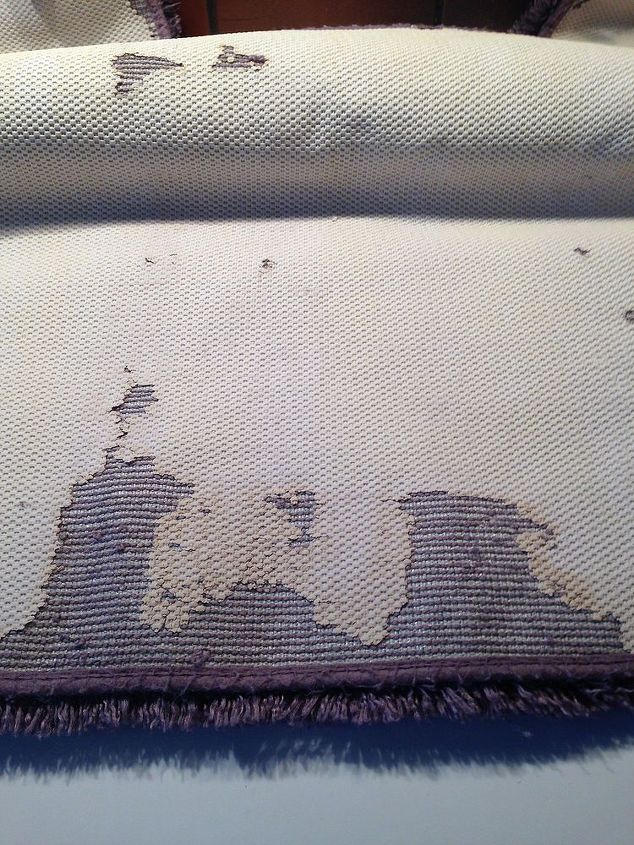
Before any wash cycle begins, determine whether your bath mat belongs in the machine or in the trash. Not all mats are built for machine cleaning, and misjudging this can lead to appliance failure or health hazards.
Check Care Labels and Backing Condition
Always read the manufacturer care tag. If it says “Do not machine wash,” do not machine wash. For mats labeled as machine washable, inspect the rubber or plastic backing closely. Look for cracks, peeling, or flaking. If the backing is deteriorating, machine agitation will shred it into small pieces that clog your washer pump and drain, potentially requiring a $240 repair. Replace any mat with damaged backing instead of risking your appliance.
Identify High Risk Materials
Rubber backed, memory foam, and suction cup mats are the highest risk. During the spin cycle, water soaked mats can weigh 10 to 15 pounds, generating extreme centrifugal force that strains the washer rear bearing and spider bracket, components that cost $500 or more to replace. Microfiber and cotton mats are safer but still require careful handling. Natural fiber mats like jute, bamboo, or wool should never be machine washed because they weaken when wet and can disintegrate.
Recognize When Machine Washing Is Unsafe
Avoid the washing machine entirely if the mat is large or extra thick, has a cracked or aging rubber backing, your washer is a front loader more vulnerable to imbalance, or you have previously experienced loud noises or vibration during spin cycles. For these cases, use a laundromat commercial machine, which handles heavy loads safely.
Pre-Wash Preparation Steps
Skipping prep can lead to poor cleaning, mat damage, or washer breakdown. A few minutes of preparation ensures a safe, effective wash.
Remove Loose Debris First
Shake the mat vigorously outdoors to dislodge hair, dust, and lint. If done indoors, place it in the bathtub to contain the mess. For woven or braided mats, vacuum both sides to extract embedded dirt before washing.
Treat Stains and Odors Early
Inspect for toothpaste, makeup, or soap scum. Apply a paste of baking soda and water to stained areas and let sit for 10 minutes. For rubber backed mats, scrub both sides with a soft brush and mild detergent to loosen grime trapped in the texture. This pre cleaning step reduces the need for harsh chemicals later.
Balance the Load to Protect Your Washer
Never wash a single bath mat alone. A wet mat spins unevenly, causing dangerous imbalance. Always pair it with 2 to 3 clean towels of similar fabric. The towels act as ballast, absorbing shock and stabilizing the load. Limit to one mat per load, as adding multiple heavy mats increases risk.
Machine Wash Settings by Material

Using the wrong temperature or cycle can ruin your mat or washer. Match settings precisely to your mat material.
Rubber Backed Mats: Cold Water Only
Wash in cold or warm water on the gentle or delicate cycle. Never use hot water because it accelerates rubber degradation. Use mild detergent and avoid fabric softener, which coats fibers and reduces absorbency. Add one half cup baking soda to neutralize odors and 10 drops of tea tree oil for antimicrobial action. Set spin speed to low to minimize stress on the backing. Add an extra rinse cycle to flush out all detergent residue.
Cotton and Terry Cloth Mats: Gentle Warm Wash
Use cold or warm water and the gentle cycle. Hot water may shrink or fade cotton. Mild detergent is sufficient. For white mats, add color safe bleach to combat mildew. Wash with a clean towel to maintain softness. Avoid fabric softener because it reduces absorbency over time.
Microfiber Mats: Cold Wash, No Softener
Use cold water and the gentle cycle. Never use bleach because it destroys microfibers. Avoid fabric softener at all costs, as it clogs the microscopic pores, killing absorbency. Wash separately from cotton towels to prevent lint transfer.
Natural and Woven Mats: Hand Wash Only
Jute, bamboo, wool, and tightly woven mats are not machine washable. Spot clean with a damp cloth and mild soap. If the label allows, hand wash in cool water and air dry flat. Never soak because this weakens fibers and encourages mold.
Drying: Air Dry vs. Machine Dry

Improper drying leads to mold regrowth, backing damage, or shrinkage. Choose the right method based on your mat construction.
Air Dry All Rubber Backed Mats
Lay the mat flat on a drying rack or hang it over a shower rod. Ensure both sides get airflow. Avoid direct sunlight for rubber backed mats because UV rays degrade the backing over time. Once dry, shake cotton or terry cloth mats to fluff the fibers.
Machine Dry Only If Backing Free
Only mats without rubber, foam, or suction cups should go in the dryer. Use low heat only because high heat shrinks cotton and damages microfiber. Never dry rubber backed mats in a machine because heat causes cracking, peeling, and can melt the backing, ruining both the mat and dryer drum.
Prevent Musty Storage Odors
When storing, hang the mat vertically or roll it loosely to allow airflow. Avoid folding while damp because this traps moisture and breeds mold.
Handle Mold, Odors, and Tough Stains
Regular washing prevents buildup, but sometimes deeper cleaning is needed.
Remove Mold and Mildew Safely
For white or colorfast cotton mats, mix 1 part bleach to 10 parts water. For all other mats, use 1 to 1 vinegar and water. Soak the mat for 15 minutes, then scrub affected areas with a soft brush. Rinse thoroughly. For extra antifungal power, add 5 to 10 drops of tea tree oil to the soak. Dry in direct sunlight if material allows because UV light kills mold spores.
Eliminate Lingering Odors
Add one half cup baking soda directly to the wash cycle to neutralize smells. For non rubber mats, a vinegar soak helps break down soap scum and odors. Tea tree oil in the wash leaves a fresh scent and provides long lasting antimicrobial protection.
Clean Suction Cups Properly
Scrub suction cups with a soft brush and mild soap to remove slime and restore grip. After washing, hang the mat so water drains from between the cups. Never fold suction cups while wet because this traps moisture and promotes bacterial growth.
Alternative Cleaning Methods

For high risk mats or washer protection, use these safe, effective alternatives instead of machine washing.
Hand Wash in the Bathtub
Fill the tub with warm water and mild detergent. Submerge the mat and agitate by hand or with a soft brush. Soak 15 to 30 minutes, then drain and rinse with cold water until suds disappear. Gently squeeze out excess water, never wring or twist. Lay flat to dry.
Hose Down Outdoors
Take the mat outside and blast it with a garden hose to remove loose debris. Apply soapy water and scrub stains. Rinse thoroughly and hang in the sun to dry. UV exposure naturally sanitizes the fabric.
Spot Clean for Maintenance
For quick upkeep, mix equal parts vinegar and water. Dab on stains or smelly spots, wait 10 to 15 minutes, then wipe clean. Sprinkle baking soda on odorous areas, let sit 30 minutes, then brush off.
Prevent Mold and Extend Mat Life
Smart habits keep your mat clean, safe, and long lasting without weekly deep cleans.
Promote Daily Drying
After every shower, hang the mat over the tub edge or on a hook. This exposes both sides to air, preventing the damp, warm environment where mold thrives. In humid bathrooms, run the exhaust fan or open a window during and after use.
Rotate Between Two Mats
If possible, use two mats and alternate them. This gives each mat 48 or more hours to dry completely between uses, drastically reducing bacterial growth.
Monitor Washer Health
If you have washed mats before, check your washer drain filter monthly for rubber fragments or lint clumps. Listen for unusual noises because clunking or jet like sounds during spin may indicate bearing damage. If the gap between the inner drum and outer tub is less than one eighth inch, internal damage may already exist.
Know When to Replace
Replace the mat if the rubber backing is cracked or peeling, mold is deeply embedded and will not wash out, it retains a musty smell despite cleaning, or fibers are frayed or shedding excessively.
Frequently Asked Questions About Washing Bath Mats in Washing Machine
Can I wash bath mats in my washing machine at home?
Yes, you can wash bath mats in your home washing machine, but only if the mat is labeled as machine washable, has intact backing, and you follow strict safety protocols. Use cold water, gentle cycle, and always balance the load with towels. For heavy, thick, or rubber backed mats, consider using a commercial machine at a laundromat instead.
How often should I wash my bath mat?
Wash bath mats weekly for high traffic households with children or multiple daily users. For single users with low traffic, washing every 2 to 3 weeks is acceptable. In humid environments, increase frequency to weekly regardless of usage because moisture promotes faster mold growth.
What happens if I wash a rubber backed mat in hot water?
Hot water causes rubber backed mats to degrade rapidly. The backing can crack, peel, or melt during the wash and dry cycles. This destroys the mat and can damage your dryer drum. Always use cold or warm water only for rubber backed mats.
Why does my washing machine shake when I wash bath mats?
Your washing machine shakes because bath mats absorb massive amounts of water, becoming extremely heavy. When spun at high speeds, the uneven weight distribution creates centrifugal force that strains internal components. Always wash bath mats with 2 to 3 towels to balance the load and reduce vibration.
Can I put bath mats in the dryer?
Only bath mats without rubber, foam, or suction cup backing can go in the dryer. Use low heat only because high heat shrinks cotton and damages microfiber. Never dry rubber backed mats in a machine because heat will ruin the backing and potentially damage the dryer.
What is the safest way to clean a thick bath mat?
The safest method for thick bath mats is hand washing in a bathtub or using a commercial machine at a laundromat. Fill the tub with warm water and mild detergent, soak for 15 to 30 minutes, scrub gently, rinse thoroughly, then air dry flat on a drying rack.
Key Takeaways for Washing Bath Mats in Washing Machine
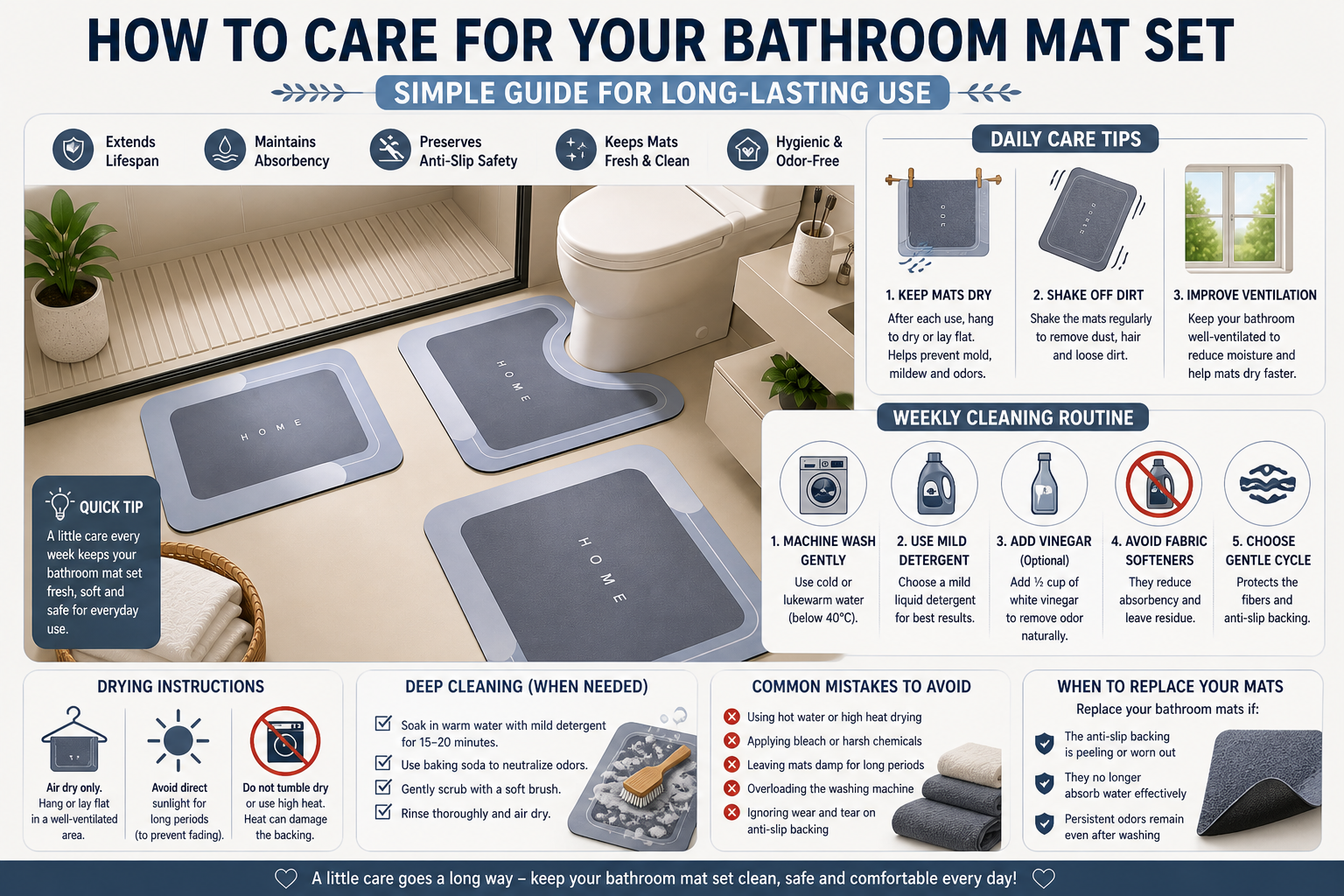
While it is possible to wash bath mats in a washing machine, the risks to your appliance are real and potentially costly. Always check labels before washing, and never attempt to machine wash mats with damaged or deteriorating rubber backing. Balance every load with 2 to 3 towels to prevent dangerous imbalance during the spin cycle. Use cold water and gentle cycles for all mat types, and avoid fabric softener which reduces absorbency. Air drying is the safest method for all mats, but especially critical for rubber backed varieties.
For thick, heavily padded, or large mats, skip the home washer entirely and use a laundromat commercial machine or clean by hand. With proper care, your bath mat stays fresh, safe, and functional, and your washing machine lasts years longer.