Adding bleach to your laundry can transform dingy whites into bright, germ-free garments, but only if done correctly. Knowing how to put bleach in a washing machine is essential for effective cleaning, fabric safety, and machine longevity. Many people risk damaging clothes or creating hazardous fumes simply because they skip key steps like dilution, proper dispenser use, or fabric checks.
This guide walks you through the exact process step by step so you can bleach with confidence. You will learn which bleach to use, how much to add, where to pour it, and what cycles maximize results, all based on manufacturer guidelines and expert laundry science.
Choose the Right Bleach Type for Your Laundry
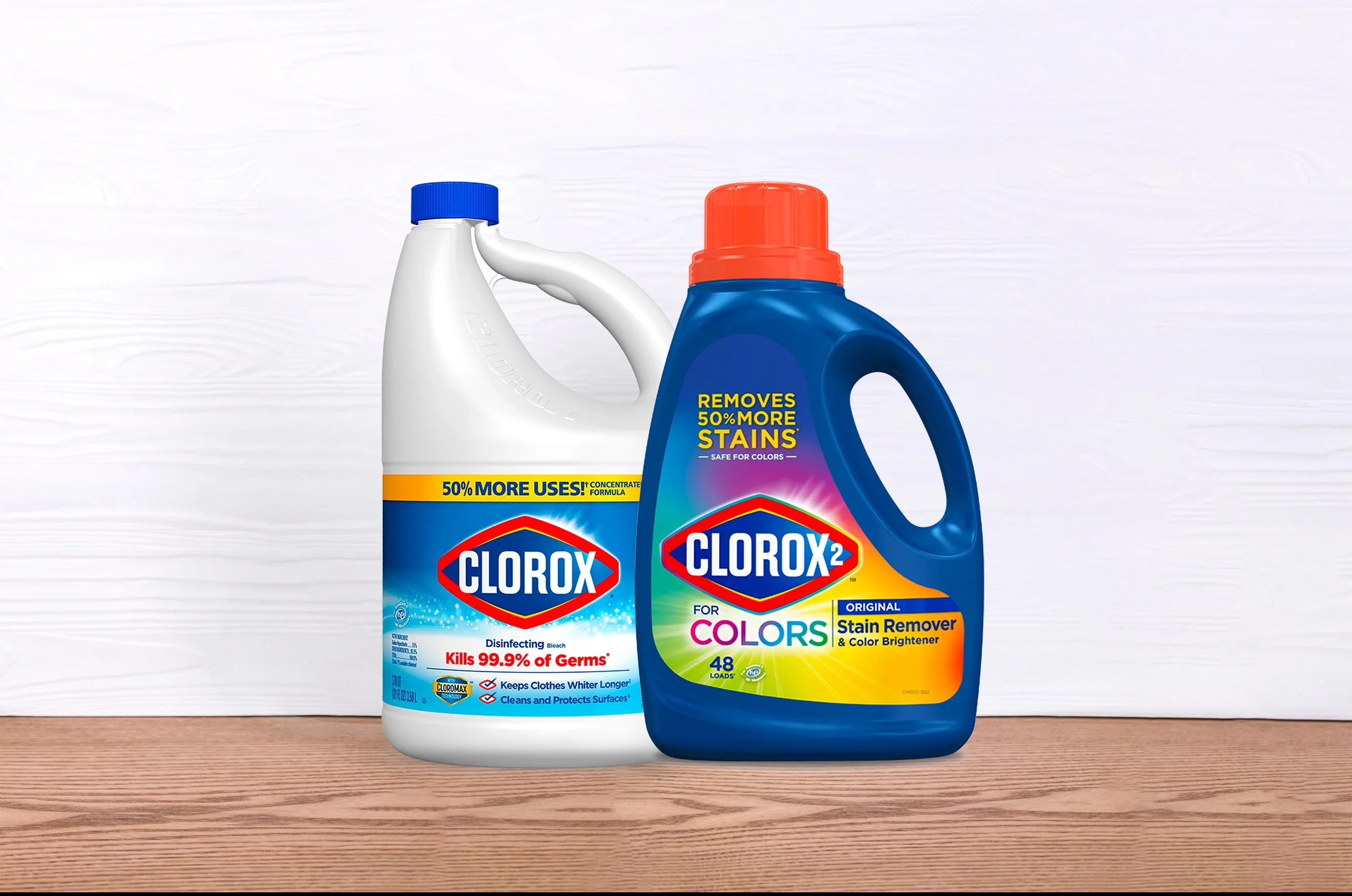
Chlorine vs Oxygen Bleach
Chlorine bleach (sodium hypochlorite) is the most powerful option for whitening whites and killing germs. It works effectively in cold water and breaks down into salt and water, making it environmentally friendly. This type excels at removing organic stains like berries, coffee, grass, and red wine while sanitizing fabrics to kill 99.9% of bacteria and viruses. Use chlorine bleach only on bleach-safe white fabrics such as cotton and polyester.
Oxygen bleach (sodium percarbonate or perborate) offers a gentler alternative that is color-safe. Found in products like OxiClean, it releases oxygen bubbles in water to lift stains without harming dyes. This type is ideal for colored clothes, baby clothes, and delicate whites. While less effective for disinfection, it provides safer regular use without the risk of fabric damage.
When to Use Each Type
Use chlorine bleach when you need maximum whitening power and sanitization on white, durable fabrics. Choose oxygen bleach for colored items, mixed loads, or when gentler cleaning is needed. Some laundry detergents even include built-in oxygen bleach for everyday stain fighting.
Check Fabric Compatibility Before Bleaching
Fabrics That Cannot Be Bleached
Before adding bleach, check every garment’s care label. Avoid bleaching wool, silk, mohair, leather, or spandex, as chlorine bleach causes irreversible damage and fiber weakening. Non-colorfast fabrics that bleed or fade should never receive bleach, nor should garments with prints, embroidery, or decorative details that could discolor.
Baby clothes require extra caution since sensitive skin reacts to bleach residue. Only use bleach on items explicitly labeled as bleach-safe.
Perform a Colorfastness Test
When unsure about a fabric’s bleach tolerance, conduct a simple patch test. Mix a small amount of bleach with water to create a diluted solution. Apply it to a hidden area such as an inside seam or hem. Wait overnight, then rinse and dry the area. If the color fades, changes, or bleeds, skip bleach on that item entirely.
Measure Bleach Accurately Every Time
Recommended Dosage Guidelines
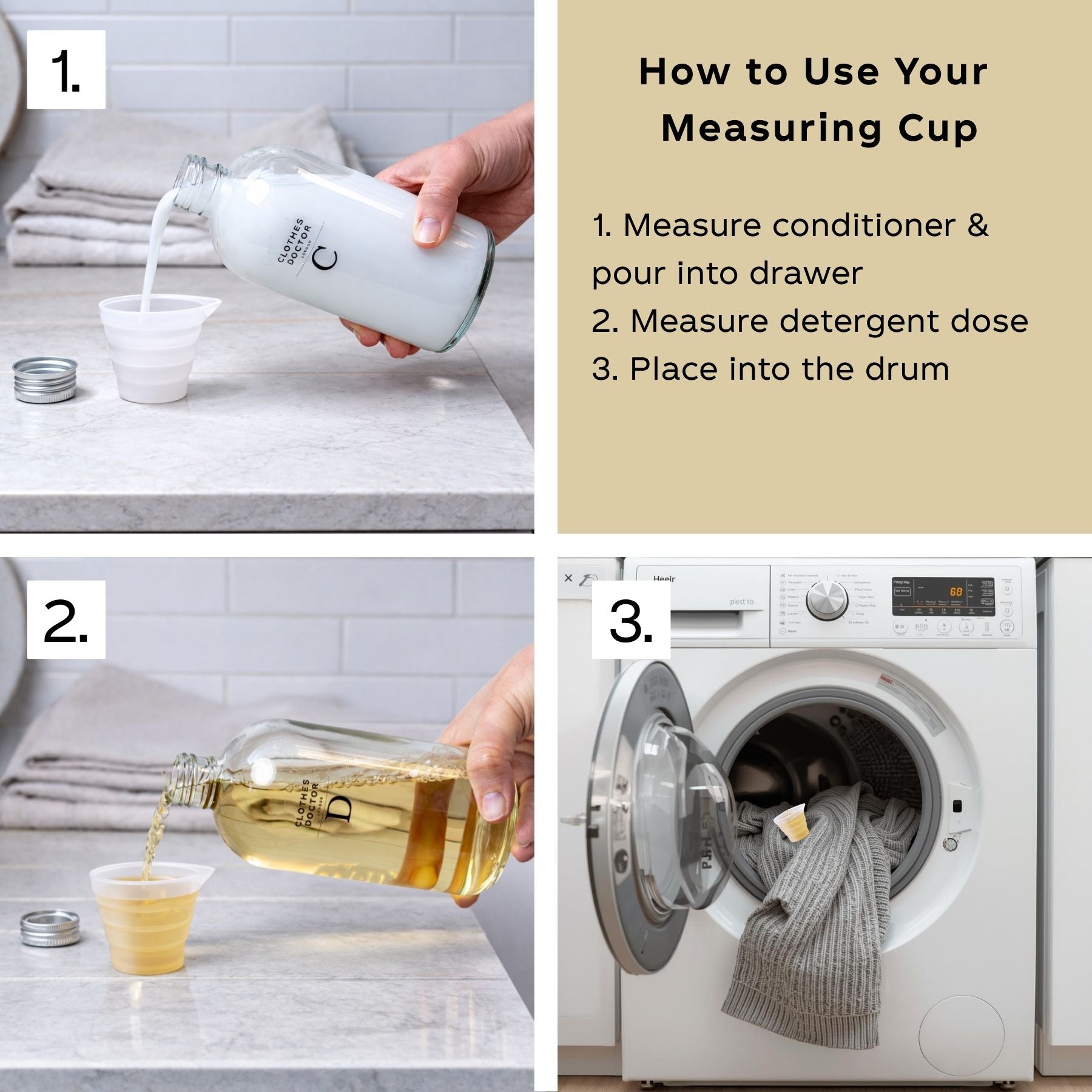
Overuse damages fabrics and machines, while underuse fails to sanitize or whiten effectively. Always measure with a dedicated measuring cup rather than guessing.
| Purpose | Standard Top-Loader | HE Front-Loader |
|---|---|---|
| Sanitizing | 1/2 cup | 1/4 cup |
| Whitening (Normal Soil) | 1/3 cup | Fill to max line |
| Whitening (Heavy Stains) | 2/3 cup | Fill to max line |
| General Use (Expert Recommended) | 3/4 cup | Fill to max line |
Note: Some products like Clorox No-Splash recommend 1 cup for standard machines and 1/3 cup for HE models. Always check your specific bleach bottle for exact instructions.
Why Precise Measurement Matters
The max fill line in your dispenser is calibrated for your machine’s specific water volume. Exceeding this amount leaves residue on clothes, weakens fibers over time, and can cause yellowing. Too little bleach provides inadequate sanitization and poor stain removal. Accurate measurement ensures optimal results without damaging your laundry or machine.
Use the Bleach Dispenser for Best Results
Locate the Bleach Compartment
Modern washing machines feature a dedicated bleach dispenser, typically located in the detergent drawer. Look for a compartment marked with a “B” symbol or a flower-like icon. This compartment ensures bleach releases at the correct time during the wash cycle, after detergent activates and fabrics are thoroughly wet.
Adding Bleach Through the Dispenser
- Add detergent to the designated detergent section of the drawer.
- Pour your measured bleach into the bleach compartment, filling to the indicated line.
- Load your bleach-safe clothes loosely into the drum.
- Close the drawer securely and start your chosen cycle.
The machine automatically dispenses bleach at the optimal moment. There is no need to open the door mid-cycle. Front-loading HE machines lock the door immediately upon starting, making dispenser use the only viable option.
Why Dispenser Use Is Essential
Using the dispenser prevents direct bleach contact with dry clothes, which causes holes, discoloration, and fiber damage. It also ensures proper mixing with water before reaching your laundry. For HE front-loaders, attempting to add bleach manually after the cycle starts is impossible due to locked doors and risks leaks, corrosion, or incomplete cleaning.
Manual Bleach Addition for Top-Loaders

When Manual Addition Is Necessary
Standard top-loading machines without a bleach compartment require manual addition. This method works only for open-tub machines where you can add items after water begins filling.
Safe Manual Pouring Steps
- Start the washer with an empty drum.
- Allow water to fill until the tub is approximately half full.
- Add detergent and let it dissolve completely.
- Dilute your measured bleach in 1 quart of water.
- Pour the diluted solution into the tub while water is running.
- Wait 5 minutes to allow detergent activation.
- Add your clothes and let them circulate.
Never pour full-strength bleach directly onto clothes, even when using this manual method. Dilution is critical for preventing damage.
Select the Right Wash Cycle for Bleach
Optimal Water Temperature
Bleach performs best in hot water, which boosts cleaning power and sanitization effectiveness. Check care labels to determine the safest temperature for your fabrics. Chlorine bleach remains effective in cold water, but hot water significantly enhances performance.
Best Cycle Settings
Select a Normal or Heavy Duty cycle for everyday whites. Use a Whites cycle if your machine offers one. For maximum sanitization, choose the Sanitize cycle, which is ideal for towels, bedding, and gym clothes.
Always enable Extra Rinse to remove all bleach residue, preventing skin irritation and fabric stiffness. Add Extra Spin to reduce drying time and ensure thorough chemical removal.
Contact Time for Sanitization
For effective sanitization, laundry must remain in bleach solution for at least 10 minutes. Ensure your chosen cycle provides adequate wash time for proper germ elimination.
Prevent Common Bleach Mistakes
Never Mix Bleach with Other Cleaners
Combining bleach with vinegar, ammonia, or other cleaning agents creates toxic chlorine gas. This hazardous fumes cause serious respiratory problems and requires immediate ventilation. If you have used vinegar in a previous cycle, run a rinse-only cycle before using bleach.
Avoid Direct Fabric Contact
Pouring bleach directly on dry clothes causes immediate holes, discoloration, and fiber damage. Even diluted solutions must mix with water before reaching fabrics. Always use the dispenser or pre-dilute in water before adding clothes.
Do Not Overload the Machine
Overloaded machines prevent proper water and bleach circulation. Clothes need space to tumble freely for even distribution. Packed loads result in patchy bleaching, poor stain removal, and wasted bleach.
Maintain Your Washing Machine After Bleaching
Clean the Dispenser Monthly
Bleach and detergent buildup clogs dispensers and causes unpleasant odors. Remove the detergent drawer monthly and soak it in warm, soapy water for 15 to 20 minutes. Scrub with a soft brush, rinse thoroughly, and dry before reinserting.
Wipe the Door Seal on Front-Loaders
Front-loaders trap moisture in the rubber gasket, creating mold and mildew risks. After each use, wipe the seal with a dry cloth and check for debris in crevices. Leave the door and detergent drawer open to promote air drying.
Run Monthly Cleaning Cycles
Prevent residue and odors with regular maintenance washes. Pour 2 cups of white vinegar into an empty drum and run a hot water cycle. For deeper cleaning, add 1/2 cup of baking soda alongside the vinegar. Never mix vinegar and bleach in the same cycle.
Troubleshoot Common Bleach Problems

Why Do Clothes Smell Musty?
Musty odors result from trapped moisture and biofilm buildup. This occurs when wet clothes sit in the washer, extra rinse is skipped, or dispensers are not cleaned regularly. Fix this by using extra rinse, removing laundry immediately after cycles, and running monthly vinegar cleaning cycles.
Why Are My Whites Turning Yellow?
Yellowing stems from chlorine overuse, iron in water supply, or bleaching synthetic fibers. Reduce bleach amount, switch to oxygen bleach for sensitive items, or install a water filter to address hard water issues.
Why Is There Residue on Clothes?
Residue usually comes from too much detergent, fabric softener sheets coating the drum, or incomplete rinsing. Use HE detergent in appropriate amounts, skip dryer sheets, and enable extra rinse to ensure thorough removal.
Essential Bleach Safety Tips
Handle Bleach with Care
Wear rubber gloves to protect your skin from irritation. Ensure good ventilation in your laundry area by opening windows or using exhaust fans. Store bleach in its original container away from heat, sunlight, and out of reach of children and pets.
Clean Spills Immediately
If bleach spills on your machine or floor, wipe immediately with a damp cloth. Rinse the area with water and dry thoroughly. Undiluted bleach corrodes metal surfaces and damages flooring if left untreated.
Frequently Asked Questions About Putting Bleach in Washing Machines
Can I use bleach in my HE front-loading washing machine?
Yes, but you must use the bleach dispenser. Front-loaders lock the door immediately upon starting, making mid-cycle addition impossible. Pour measured bleach into the designated compartment and let the machine dispense it automatically at the correct time.
How much bleach should I use for a standard washing machine load?
For general whitening and sanitization, use 3/4 cup in a standard top-loader. For HE front-loaders, fill the dispenser to the max line. Adjust amounts based on soil level and sanitization needs, but never exceed recommended amounts.
Can I bleach colored clothes safely?
Only use oxygen bleach (color-safe bleach) on colored garments. Chlorine bleach removes color from dyed fabrics. Always check care labels and perform a colorfastness test before bleaching any colored item.
How often should I clean my washing machine when using bleach regularly?
Run a vinegar cleaning cycle monthly to prevent residue buildup and odors. Clean the dispenser every four to six weeks, and wipe door seals after each use to prevent mold growth in front-loading machines.
What happens if I pour bleach directly on clothes?
Direct application causes immediate fiber damage, including holes, weakening, and discoloration. The fabric will deteriorate faster and may become unwearable. Always dilute bleach in water or use the machine’s dispenser for safe application.
Key Takeaways for Safely Adding Bleach in Your Washing Machine
Using bleach correctly keeps your laundry fresh, clean, and germ-free while protecting your clothes and machine. Always check care labels before bleaching any garment, and perform a colorfastness test when uncertain about fabric compatibility. Measure bleach accurately using the recommended dosages for your machine type, and use the dispenser whenever possible for consistent, safe distribution.
Avoid common mistakes such as mixing bleach with other cleaners, pouring directly on dry clothes, or overloading the machine. Maintain your washer with monthly vinegar cleaning cycles and regular dispenser maintenance. By following these steps, you will achieve powerful whitening and sanitization results without the risks, keeping both your clothes and your washing machine in top condition.