Nothing ruins laundry day faster than opening your washer to find a knotted mess of shirts, socks, and sheets twisted beyond recognition. Clothes tangling in washing machines is a common frustration, especially with modern high-efficiency models that use less water and rely on intense tumbling. But tangled laundry is not inevitable. The root causes are often simple: overloading, improper sorting, unsecured garments, and incorrect settings. By adjusting how you sort, load, and run your machine, you can eliminate tangles and protect your clothes from wear and tear. In this guide, you will learn proven, step-by-step strategies that keep your laundry loose, clean, and ready to dry.
Sort Laundry by Weight and Fabric Type

Mixing heavy and lightweight items is the fastest way to create a tangled load. During the wash cycle, heavier fabrics like jeans and towels gain momentum, dragging lighter items like t-shirts and delicates into tight knots.
Separate Heavy Items from Light Items
Always divide your laundry into distinct groups. Heavy items include denim, towels, blankets, and sweatshirts. Medium items include cotton shirts, pants, and undergarments. Light or delicate items include lingerie, hosiery, synthetics, and thin blouses. Washing heavy and light fabrics together causes the heavier pieces to dominate the drum motion, wrapping lighter clothes around them. A single pair of jeans can twist a stack of t-shirts into a compact ball. Wash each category separately to ensure balanced movement and reduce friction.
Wash Sheets in Small Batches
Sheets are especially prone to tangling, particularly when washed in large quantities. Wash one set at a time, which includes the fitted sheet, flat sheet, and pillowcases. Never combine multiple sheet sets or mix sheets with towels or jeans. The large surface area of sheets easily wraps around itself or other items, forming a dense, wet clump that is hard to untangle. Smaller loads allow sheets to move freely and separate during the cycle.
Secure All Garments Before Loading
Loose ends like open zippers, unbuttoned shirts, or dangling strings are the main culprits behind fabric snags and knots. These elements act like hooks, catching and wrapping other clothes during agitation.
Fasten Zippers, Buttons, and Snaps
Always close all closures before washing. Zip up jackets and jeans. Button shirts and blouses. Snap bras and closures on pants. An unzipped hoodie or open shirt flap can catch on other garments and pull them into a spiral. Fastening prevents this rope effect and reduces wear on both fabric and zippers.
Tie Loose Strings and Cords
Drawstrings on hoodies, pajamas, and sweatpants should be tied or tucked in. Knot the ends together. Tuck strings into the garment to minimize exposure. Untied strings can wrap around other items or get caught in the drum, leading to damage or machine blockages.
Use Mesh Laundry Bags for Protection
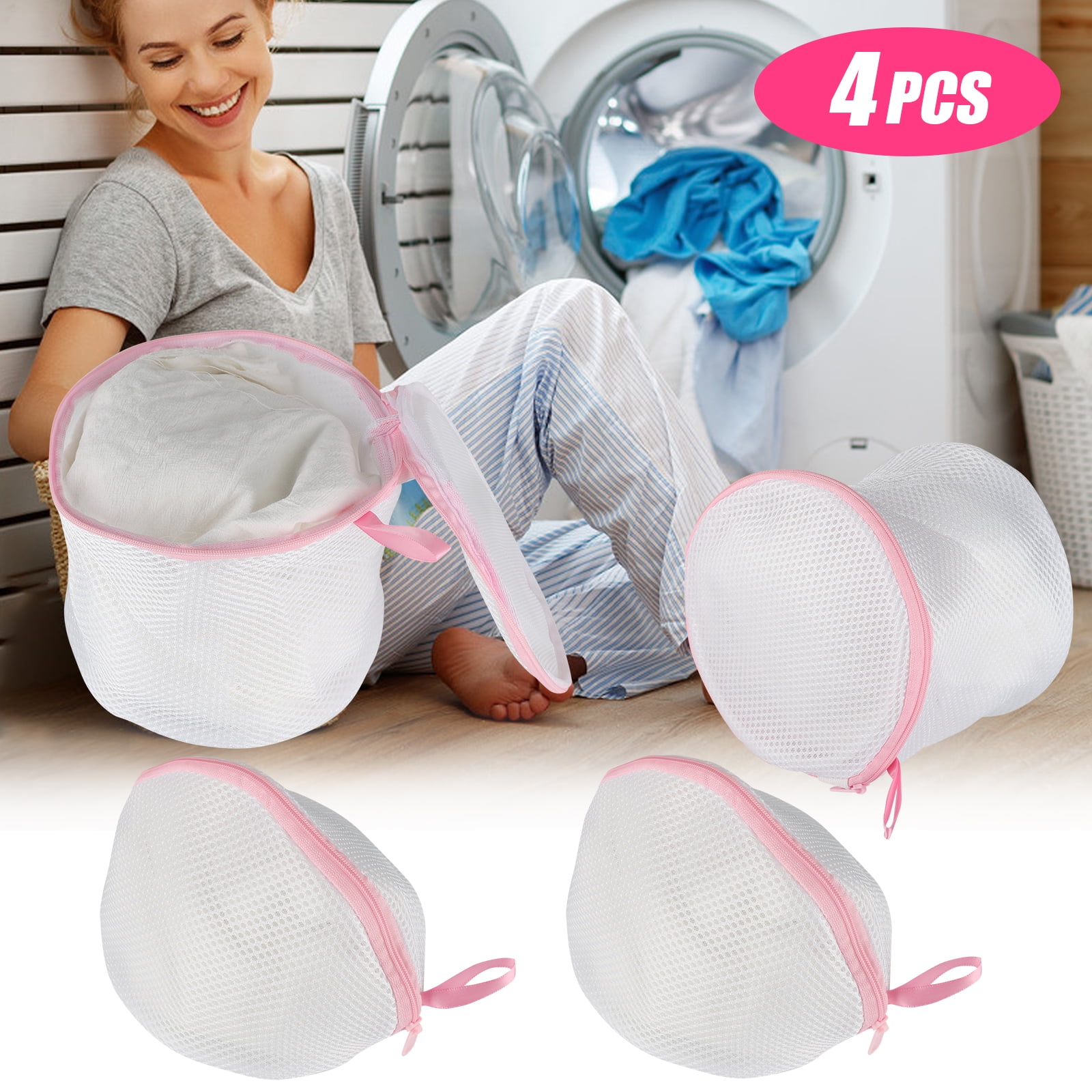
Mesh bags are essential tools for preventing tangles, especially for small or delicate items that easily get lost or twisted.
Bag Delicates and Small Items
Use mesh bags for socks. Pair them first before placing in the bag. Use mesh bags for underwear and bras. Use mesh bags for hosiery and tights. Use mesh bags for clothing with embellishments or loose threads. The bag contains these items, preventing them from slipping inside other garments or getting wrapped around heavier clothes.
Contain Sheets in Large Mesh Bags
For added protection, place entire sheet sets in large mesh laundry bags. This keeps sheets separated from themselves and other laundry. This reduces twisting and knotting during spin cycles. This protects fabric from stretching and pilling. This is especially effective for front-loaders and impeller washers, where tumbling motion increases tangling risk.
Load the Washing Machine Correctly
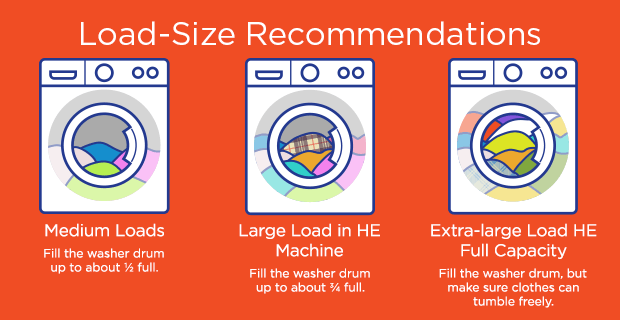
How you load the washer impacts how freely clothes can move. Overloading is the number one cause of tangling. When clothes are packed too tightly, they cannot tumble and instead clump together.
Follow the Fist Rule for Load Size
Use the fist rule to check capacity. After loading, there should be enough space at the top of the drum to fit your fist. If you cannot fit a fist, the load is too big. This applies to both front and top loaders. Overfilled machines restrict movement, forcing clothes into static, tangled masses.
Leave Six Inches of Space
A visual alternative to the fist rule involves leaving about six inches of empty space between the top of the laundry and the drum opening. This allows water and air to circulate, helping clothes separate during the cycle. Front loaders need this space for proper tumbling. Top loaders need room for clothes to rise and fall around the agitator or impeller.
Optimize Wash Settings and Water Levels
:max_bytes(150000):strip_icc()/how-to-select-the-correct-cycle-2145866-05-0192e23836664a6da0824d1e3f6510ba.jpg)
Modern HE washers use less water to save energy, but low water levels increase friction between fabrics, making tangling more likely. Adjusting settings can counteract this problem.
Select Deep Fill or Bulky Item Mode
If your machine allows, choose Deep Fill. Choose Heavy Duty. Choose Bulky Items. These settings add more water, which helps float clothes and reduce direct fabric-to-fabric contact. Extra water acts as a lubricant, allowing garments to move independently instead of clumping.
Use Lower Spin Speeds for Sheets and Delicates
High spin speeds create strong centrifugal force that wraps lightweight fabrics into tight knots. For sheets, lingerie, and synthetics, select low or medium spin speed. Use gentle or low-tumble cycles for delicate loads. This reduces twisting while still removing excess water.
Add Separators to Break Up Clumps
Physical objects inside the drum can disrupt tangles by bouncing between clothes and keeping them apart.
Toss in Tennis Balls or Dryer Balls
Add one to two clean tennis balls or rubber dryer balls to the wash cycle. They bounce and roll during tumbling, breaking up fabric clumps. They are especially effective for sheets, comforters, and bulky items. Make sure the balls are clean and free of dirt or debris. Use white tennis balls to avoid dye transfer.
Avoid Overloading with Additives
While separators help, they cannot fix an overloaded drum. Use balls only in appropriately sized loads. Never substitute proper loading for mechanical aids. They enhance separation, but they do not replace good laundry habits.
Measure Detergent Accurately
Too much detergent does not clean better. It creates problems. Excess suds leave a sticky residue that causes fabrics to cling together.
Stick to Recommended Detergent Amounts
Follow the dosage on the detergent label based on load size. Follow the dosage based on water hardness. Follow the dosage based on soil level. HE machines require HE-formulated detergent and less product. Using regular detergent or extra scoops leads to residue buildup, increasing friction and tangling.
Prevent Residue Buildup
Over time, detergent residue accumulates in fabrics and the drum. Run a monthly cleaning cycle with vinegar or washer cleaner. Wipe the drum and door seal after use to prevent mold and stickiness. Clean machines and fabrics reduce adhesion and improve fabric separation.
Remove Laundry Immediately After Washing
Even perfectly washed clothes can tangle if left sitting in the drum.
Transfer Clothes Right Away
As soon as the cycle ends, remove laundry immediately. Shake out items before transferring to the dryer. Wet clothes left in the washer settle into a compact, twisted mass. Gravity and residual moisture make knots harder to undo.
Use Dryer Balls to Prevent Re-Tangling
Continue separation in the dryer by adding dryer balls to keep clothes moving. Avoid overloading the dryer. Leave space for tumbling. Dryer balls reduce drying time and help prevent re-tangling from heat and motion.
Troubleshoot Persistent Tangling
If you have followed all best practices but still get tangles, especially in a new machine, the issue may be mechanical, not user error.
Check for Control Board or Motor Issues
Symptoms of mechanical failure include severe tangling from day one. Problems occur across all load types and sizes. The machine is less than a year old. Modern front-loaders use electronic control boards to regulate drum motion. If faulty, the drum may rotate erratically, creating unnatural twisting patterns.
Request a Technician Inspection
If tangling persists, verify warranty status first. Contact the manufacturer or retailer. Report that standard fixes failed. Request inspection of motor, drive belt, and control board. The fix may involve recalibration, reprogramming, or part replacement, often covered under warranty.
Handle Special Laundry Situations
Some situations require extra precautions. Knowing how to handle them prevents recurring tangles.
Protect Sheets with Extra Care
Sheets need special attention. Shake them out fully before loading. Wash one set at a time. Use mesh bags or tennis balls. Select low spin speed. Impeller washers are particularly notorious for tangling sheets due to their low-water, high-speed design.
Protect Delicates with Care
For delicate fabrics, always use mesh bags. Wash on gentle cycle. Avoid mixing with heavy items. Use cold water and mild detergent. Delicates stretch and tangle easily, so containment and gentle handling are key.
Adjust for Impeller Washer Users
Impeller washers have no central agitator and rely on water currents and high-speed rotation. Be stricter with load size. Use even smaller loads than recommended. Always use Deep Fill for mixed or bulky loads. Add tennis balls for sheet separation. Accept that impeller models have a higher tangle risk and compensate with proactive measures.
Frequently Asked Questions About Preventing Clothes from Tangling
Why do my clothes always come out tangled in the washing machine?
Clothes tangle primarily due to overloading, mixing heavy and light fabrics together, and leaving unsecured closures like open zippers or loose strings. Modern HE washers use less water, which reduces buoyancy and increases friction between fabrics, making tangling more likely.
Does using more detergent help prevent tangling?
No. Using more detergent than recommended leaves a sticky residue on fabrics that actually increases friction and causes clothes to cling together. Always measure detergent according to the label instructions based on load size and water hardness.
Can tennis balls really help prevent tangling?
Yes. Adding one or two clean tennis balls or rubber dryer balls to the wash cycle helps break up fabric clumps by bouncing and rolling between items. They are especially effective for sheets and bulky loads.
Should I wash sheets with towels to prevent tangling?
No. Washing sheets with heavy items like towels increases tangling because the weight differential causes lighter fabrics to wrap around heavier ones. Wash sheets separately in small batches using lower spin speeds.
How do I know if my washing machine has a mechanical problem?
If tangling persists despite following all proper loading, sorting, and setting guidelines, and the machine is less than a year old, the issue may be mechanical. Symptoms include severe tangling from day one and problems occurring across all load types. Contact the manufacturer for warranty service.
Key Takeaways for Preventing Clothes from Tangling
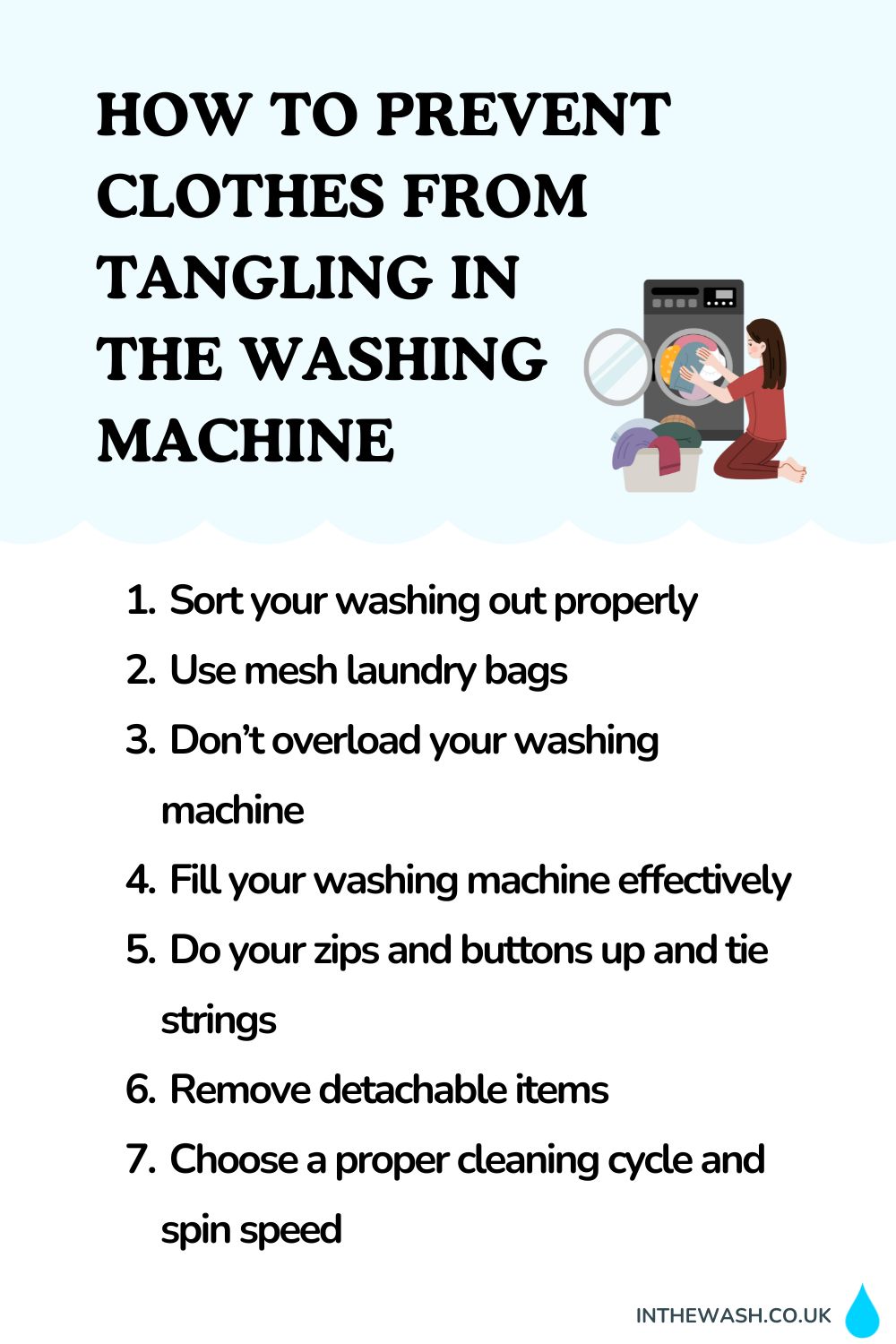
Preventing clothes from tangling in the washing machine comes down to control. Control load composition by sorting heavy items separate from light ones. Secure all garments by fastening zippers, buttons, and tying strings. Manage capacity by following the fist rule and leaving six inches of space at the top of the drum. Optimize settings by using Deep Fill cycles and lower spin speeds for sheets and delicates. Use mesh laundry bags for small items and separators like tennis balls for bulky loads. Measure detergent accurately to avoid residue buildup. Remove laundry immediately after the cycle ends. If problems persist in a new machine, do not hesitate to seek technical support. With the right habits, tangle-free laundry is always within reach.