Your washing machine fills with water, agitates the clothes, and then stops. You open the door to find soaking wet laundry and no clear error message. A washing machine not spinning is one of the most frustrating appliance failures you can face. But before you call a repair technician or start shopping for a replacement, the fix might be surprisingly simple.
This guide covers every possible cause of spin failure, from quick resets you can try in under a minute to motor coupler replacement that costs about two dollars. Whether you own a top-loader or front-loader, you will find step-by-step diagnostic procedures and actionable fixes here.
Check Load Balance First

An unbalanced load is the number one reason your washing machine refuses to spin. Modern washers contain sensors that detect uneven weight distribution. When heavy items cluster on one side, the drum becomes unstable. The machine responds by slowing the spin, pausing to redistribute the load, or canceling the cycle entirely to prevent damage.
Signs of an imbalanced load include the machine walking across the floor, loud thumping during spin attempts, the cycle stopping mid-spin with no error code, and clothes remaining soaked at the end of the cycle. You can fix this in about sixty seconds by following these steps:
• Pause or cancel the cycle immediately
• Open the lid or door and manually spread the clothes evenly around the drum
• Avoid mixing heavy items like towels with light items like t-shirts
• Do not overload the drum past the recommended fill line
• For large items like blankets, wash with two to three similar-sized items to create balance
Pro Tip: Washing just one or two items? Add a few towels to stabilize the drum and help the sensor detect a proper load.
Test the Lid or Door Switch
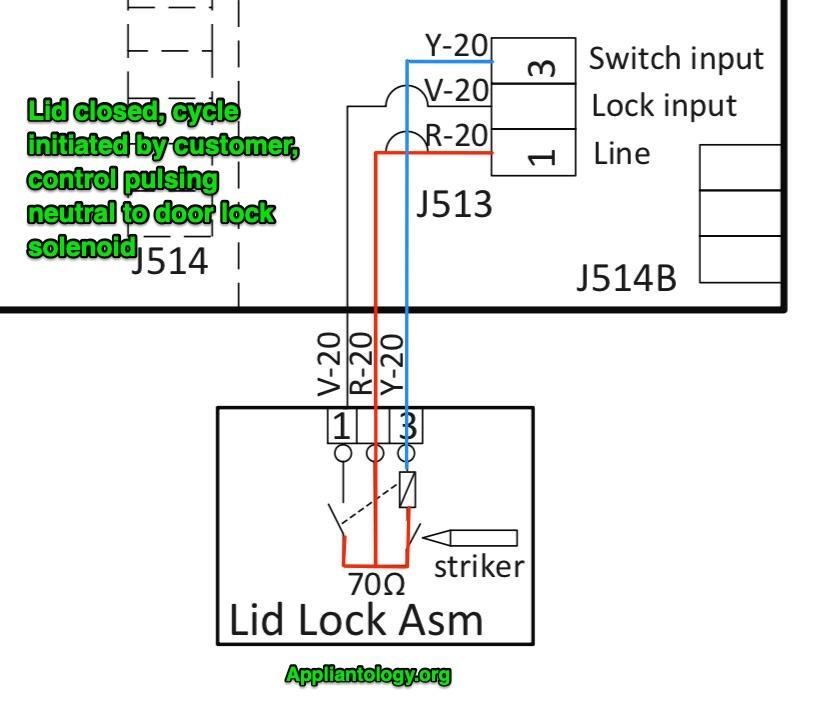
A faulty lid switch or door switch will prevent spinning even when the lid appears closed. This safety mechanism ensures the drum cannot spin while open. If the switch fails to engage properly, the control board blocks the spin cycle entirely.
To diagnose this issue, close the lid or door firmly and listen for an audible click. Check for obstructions like lint, debris, or a misaligned door seal. On some models, you can gently press the door inward while starting the spin to test engagement.
If your washer runs but won’t spin after a power flicker, perform a power reset specifically designed for Hydrowave and direct-drive models:
• Unplug the machine from the power outlet
• Wait sixty seconds for a complete system power-down
• Plug the washer back in
• Within thirty seconds, lift the lid only two inches (enough to break the switch connection) and fully close it
• Repeat this cycle six times within twelve seconds
• Start a spin-only cycle to test
Note: The lid switch magnet is usually located in the front right corner of the lid underside. Ensure full closure each time during the reset sequence.
Clear Drain Clogs Preventing Spin
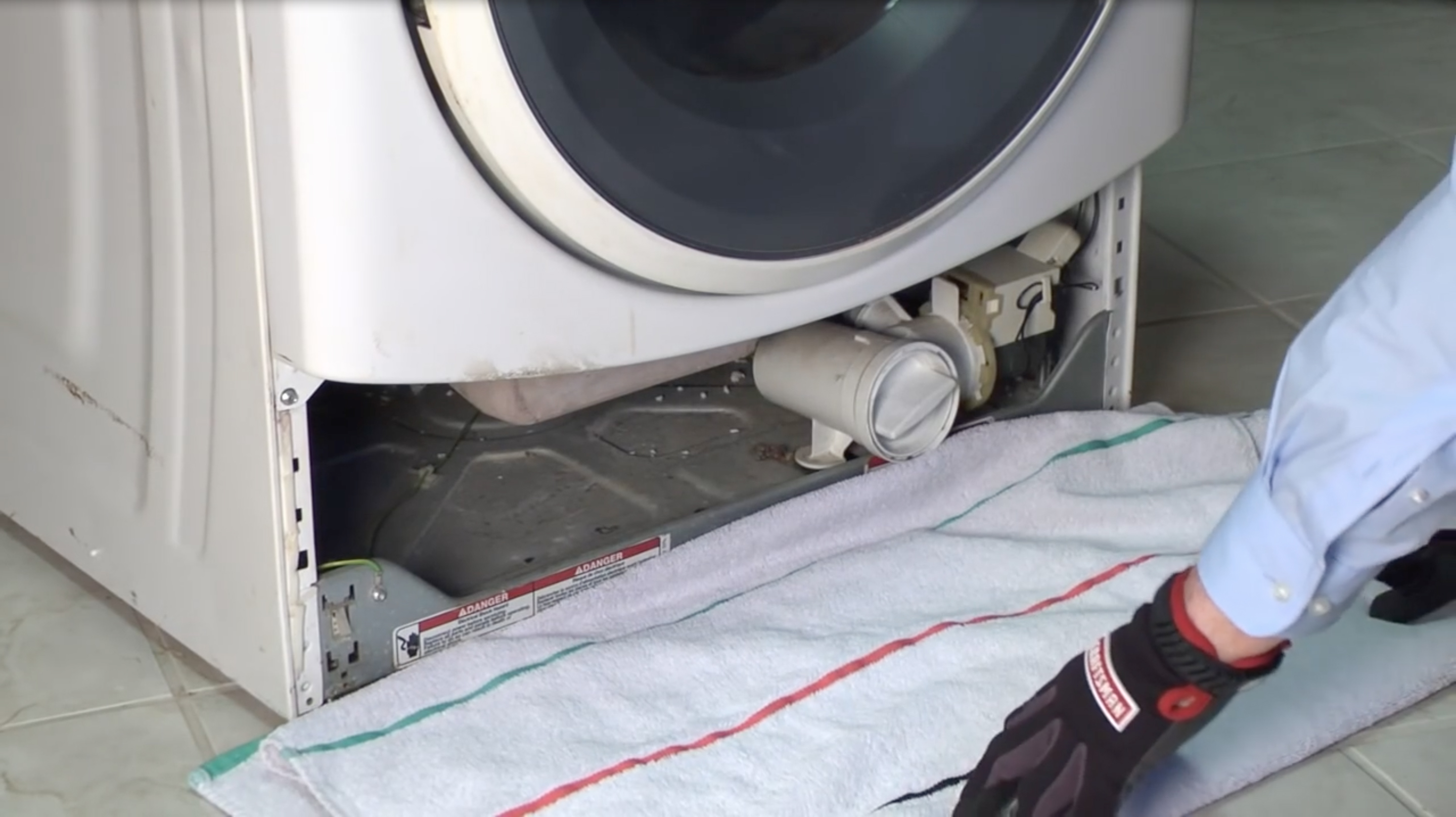
Most washing machines will not initiate the spin cycle if water remains in the drum. The control system checks the water level before allowing the high-speed spin. If water has not fully drained, the spin cycle is blocked to prevent overflow or motor strain.
Common drain issues include a kinked or bent drain hose, a clogged drain pump filter, the hose inserted too deep into the standpipe, or blocked home plumbing. To inspect and fix these problems:
• Check the drain hose for bends, crushing, or disconnection from the standpipe
• Confirm the hose is no more than four inches into the standpipe to prevent siphoning
• Clean the drain pump filter on front-loaders by locating the small access panel at the bottom front
• Place a towel underneath before opening the filter cap, as water will spill out
• Remove lint, coins, debris, or small objects blocking the filter
• Run a drain-only cycle to test if water exits properly
Pro Tip: Clean the drain pump filter every three to six months to prevent recurring drainage issues that halt spinning.
Level the Machine to Stop Walking
An unlevel washing machine triggers imbalance sensors, which halts the spin cycle to protect the machine from excessive vibration and damage. Signs your washer isn’t level include rocking or walking during spin, loud vibrating noises, and the machine shifting position after each cycle.
To level your washer:
• Use a bubble level placed on the top of the machine
• Adjust the front and rear leveling feet until the washer sits perfectly flat
• Rock the machine gently; no movement should occur
• Tighten the lock nuts on each foot to secure the adjustments
Warning: Uneven floors or worn suspension pads can cause long-term damage if not corrected promptly.
Verify Power Supply and Outlet
A simple power issue can mimic mechanical failure. Check that the washer is fully plugged into the wall outlet. Never use extension cords, as they cannot handle the electrical load required for the motor. Visit your home breaker panel and check for tripped circuits. Reset any tripped breakers immediately.
Suspect electrical issues if the washer shows no lights or sounds, the machine stops mid-cycle, or the breaker trips frequently. If breakers keep tripping, consult an electrician about installing a dedicated twenty-amp circuit for your washer.
Replace the Motor Coupler on Top-Load Models
A broken motor coupler is the most common mechanical cause of spin failure in top-loading washers. This small rubber and plastic component connects the motor to the transmission. It is designed to fail under excessive stress, protecting the more expensive motor from damage.
Symptoms of motor coupler failure include the washer agitating but not spinning, loud clicking or clunking during operation, and the motor running (you hear a hum) while the drum does not turn. You can replace this part in approximately ten minutes for about two dollars.
Replacement steps:
• Unplug the washer and shut off the water supply
• Pull the machine out and tilt it backward, supporting with a jack stand
• Remove the pump by releasing the two metal clips by hand and wiggling it loose
• Remove the motor by loosening two one-quarter-inch bolts and popping off the top and bottom metal clips with a flat-head screwdriver
• Inspect the coupler between the motor and transmission shafts for cracked or shattered plastic
• Slide the new coupler onto the transmission shaft (it fits one way only) and ensure it is fully seated
• Reinstall the motor by aligning the top peg at twelve o’clock and sliding into place
• Use a rubber mallet if needed to gently tap the motor into position
• Reconnect the pump and return the washer to its upright position
• Test with a spin cycle
Pro Tip: This repair procedure works on Whirlpool, Kenmore, and Amana top-loaders, which are among the most common models in North America.
Inspect and Replace the Drive Belt

A broken or loose belt stops spin in belt-driven models. Signs of belt failure include the motor humming while the drum does not move, squealing or grinding noises, and visible belt damage.
To check the belt:
• Unplug the washer
• Remove the back panel (screws at top or bottom)
• Locate the belt around the motor and drum pulleys
• Look for cracks, fraying, or a glazed shiny surface indicating slipping
• Check for loose tension where the belt slips off the pulley
Replacement requires buying the exact model-specific belt. Route the new belt correctly by looping it around pulleys before securing the motor. Ensure proper tension; the belt should flex about one-half inch when pressed.
Note: Direct-drive models (no belt) skip this diagnostic step entirely.
Diagnose Worn Drum Bearings
Failed bearings can stop spinning and cause loud grinding or rumbling noises. Symptoms of bad bearings include grinding or rumbling during the spin cycle, the drum wobbling when turned by hand, and water leaking from the tub indicating seal failure.
To test for bearing issues:
• Unplug the machine
• Open the lid and manually spin the drum
• If the drum feels gritty, stiff, or noisy, the bearings are likely worn
Replacing bearings requires removing the entire drum, which is labor-intensive and often costs more than the machine is worth. Consider replacement if the washer is over eight to ten years old.
Check Shock Absorbers and Suspension
Worn shock absorbers cause excessive shaking and trigger false imbalance errors. Signs of failed suspension include excessive vibration even with balanced loads, the machine hopping during spin, and visible oil leakage on the shocks.
Inspect the shocks for dents, leaks, or looseness. Replacement requires disassembly and is best left to professionals. Ignoring worn shocks can damage other components over time.
Test the Control Board and Motor
If all mechanical components check out, the issue may be electrical. Control board failure manifests as the washer running the wash cycle but never attempting to spin, with no power reaching the motor during the spin phase. A multimeter test can check for voltage at motor leads during spin. If no power is sent, the control board requires replacement.
Motor failure produces no sound during the spin cycle, a burning smell from the motor area, or the motor running briefly then cutting out. This diagnosis requires multimeter testing of motor windings and is best performed by a professional technician.
Prevent Future Spin Problems
Regular maintenance extends your washing machine life and prevents spin failures. Clean the drain filter every three to six months. Avoid overloading by following the fill line. Do not wash single heavy items like comforters alone. Level the machine after moving it. Inspect hoses for kinks or wear regularly.
Call a professional if you have tried all basic fixes with no success, smell burning or see smoke, the drum is seized or leaking, or the repair involves opening the tub assembly. If your washer is under warranty, contact the manufacturer first, as they may cover repairs or issue recalls.
Frequently Asked Questions About Washing Machine Not Spinning
Why does my washing machine stop before the spin cycle?
The most common reasons are an unbalanced load triggering the safety sensor, a clogged drain preventing water removal, or a faulty lid switch not engaging properly. Check these three items first before assuming a mechanical failure.
Can I repair a washing machine that won’t spin myself?
Yes, many spin failures are DIY-repairable. Simple fixes like redistributing the load, cleaning the drain filter, or resetting the control board take minutes. Replacing a motor coupler costs about two dollars and ten minutes of work. Only complex repairs like bearing replacement or control board issues typically require a professional.
How much does professional washing machine repair cost?
Professional repairs typically range from one hundred fifty to three hundred dollars or more, depending on the part needed and labor costs. A motor coupler replacement that costs two dollars at home improvement stores would cost significantly more through a service call.
Why does my washer spin but leaves clothes wet?
This usually indicates a drainage problem. The spin worked, but water was not removed because the drain hose is kinked, the filter is clogged, or the pump is failing. Check the drain hose and clean the filter to resolve this issue.
Is it worth repairing a washing machine that won’t spin?
In most cases, yes. Simple fixes address the majority of spin failures. Even the most common mechanical failure (motor coupler) costs about two dollars to repair. Only when the machine is very old (over ten years) or requires major repairs like a new motor or tub assembly should you consider replacement.
Key Takeaways for Fixing a Washing Machine Not Spinning
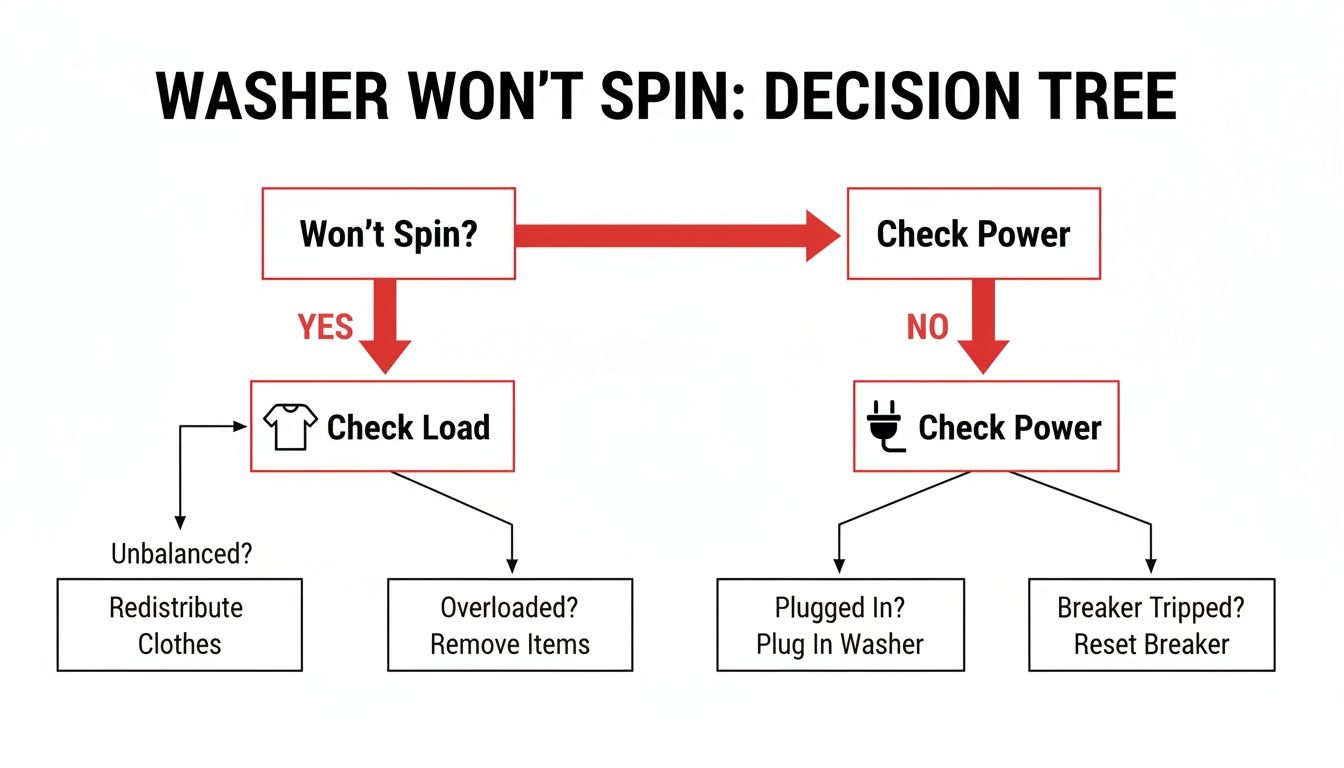
A washing machine not spinning is rarely a death sentence for your appliance. Start with the simplest checks: redistribute an unbalanced load, verify the lid switch is engaging, and ensure the drain is not clogged. These three issues account for the majority of spin failures and take minutes to resolve.
For mechanical failures, the motor coupler is the most common culprit in top-loading washers. This two-dollar part takes about ten minutes to replace and can save you a costly service call. Belt and bearing issues are less frequent but more serious, often indicating the machine is reaching the end of its service life.
Use this guide to diagnose quickly, attempt the appropriate fix, and know exactly when to call a professional. Most spin problems are solvable without replacement, saving you hundreds of dollars and keeping your laundry routine on track.