If your front load washing machine repair is suddenly making strange noises, leaking water, or refusing to start, you’re not alone. These high-efficiency appliances are prone to specific mechanical and electronic failures, especially as they age past 8 years. The most common and costly issue is failed drum bearings and seals, which often lead to loud grinding or jet-engine-like sounds during spin cycles.
But not every problem requires a technician. Many front load washing machine repair tasks, like clearing clogged filters, leveling the unit, or replacing a drain pump, can be handled at home with basic tools and a little know-how. This guide breaks down the most frequent failures, how to diagnose them accurately, and when to repair versus replace your machine.
Decode Common Washer Symptoms
Identify Noise-Based Issues
Unusual sounds are often the first sign of trouble. Knowing what each noise means helps you diagnose quickly.
Grinding or banging typically indicates worn drum bearings or failing shock absorbers. Jet-engine whine is a classic symptom of water-damaged bearings due to a failed tub seal. Thumping or walking is caused by unbalanced loads or degraded suspension shocks. Clicking could be a stuck door lock or foreign object in the drain pump.
Pause the cycle and redistribute clothes. If noise persists, it is mechanical, not just an unbalanced load.
Recognize Operational Failures
When your washer won’t drain, spin, or start, check these key areas.
Won’t drain or spin points to a clogged pump filter, broken belt, or failed door lock. Leaking from front is almost always the door boot gasket or inner tub seal. No power or fill indicates a faulty water inlet valve, dead control board, or door switch not engaging. Clothes still wet suggests a weak spin from motor, belt, or bearing issues. Foul odors come from mold trapped in gasket crevices or the pump filter, common in humid climates.
Read Error Codes Correctly
Modern front-loaders display diagnostic codes like “ND” for no drain or “NF” for no fill. Always consult your manual for model-specific meanings. Do not just reset; verify the root cause. Test components before replacing them.
Repeatedly resetting without fixing underlying issues can damage the control board.
Diagnose Step-by-Step
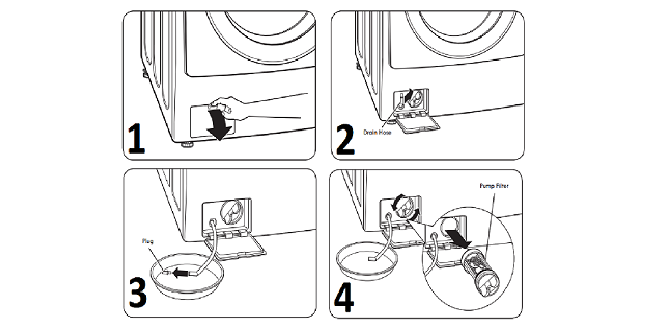
Check Drain Pump First
A clogged drain pump is the number one reason for “won’t drain” service calls.
Clear the Pump Filter
- Unplug the washer and place towels underneath.
- Open the front access panel, usually bottom left.
- Turn the filter cap counterclockwise and expect some water spillage.
- Remove debris like coins, hair, lint, and bra wires.
- Reinstall securely and run a rinse cycle.
Time estimate is 15 minutes. A common mistake is forgetting to close the filter tightly, which leads to leaks.
Test Door Lock Function
The washer won’t start if the door lock fails.
Verify Lock Engagement
- Close the door and listen for a click.
- Check if the control panel activates.
- If silent, inspect the lock mechanism behind the door gasket.
- Use a multimeter to test continuity. If open, replace the lock.
Some models allow lock replacement without removing the entire gasket.
Inspect Water Inlet Valve
No water filling? The inlet valve may be clogged.
Clean Valve Screens
- Shut off water supply.
- Disconnect hoses from the back.
- Use needle-nose pliers to remove small mesh screens inside the valve.
- Soak in vinegar to dissolve hard water deposits, common in areas above 120 mg/L hardness.
- Reassemble and test.
Install inline water filters if you have hard water to prevent recurring clogs.
Replace Key Components
Install a New Drain Pump
When cleaning does not fix drainage, replace the pump.
Steps to Replace
- Unplug and disconnect water lines.
- Remove front lower panel.
- Disconnect the pump wiring harness.
- Loosen hose clamps and detach inlet and outlet hoses.
- Unscrew mounting bolts and remove the old pump.
- Install the new pump, matching orientation exactly.
- Reconnect hoses and wires, then test for leaks.
The part costs $40 to $80. Difficulty is moderate, taking 30 to 45 minutes.
Swap Out Shock Absorbers
Excessive vibration? Worn shocks are likely the culprit.
Replace Front and Rear Shocks
- Tilt the washer backward or remove top and side panels.
- Locate shocks connecting the tub to the cabinet.
- Use pliers to release retaining clips.
- Detach from both ends and install new units.
- Ensure equal tension on all shocks.
Look for oil leakage or bent rods, as these are signs of failure.
Repair Bearings and Seals (Advanced DIY)
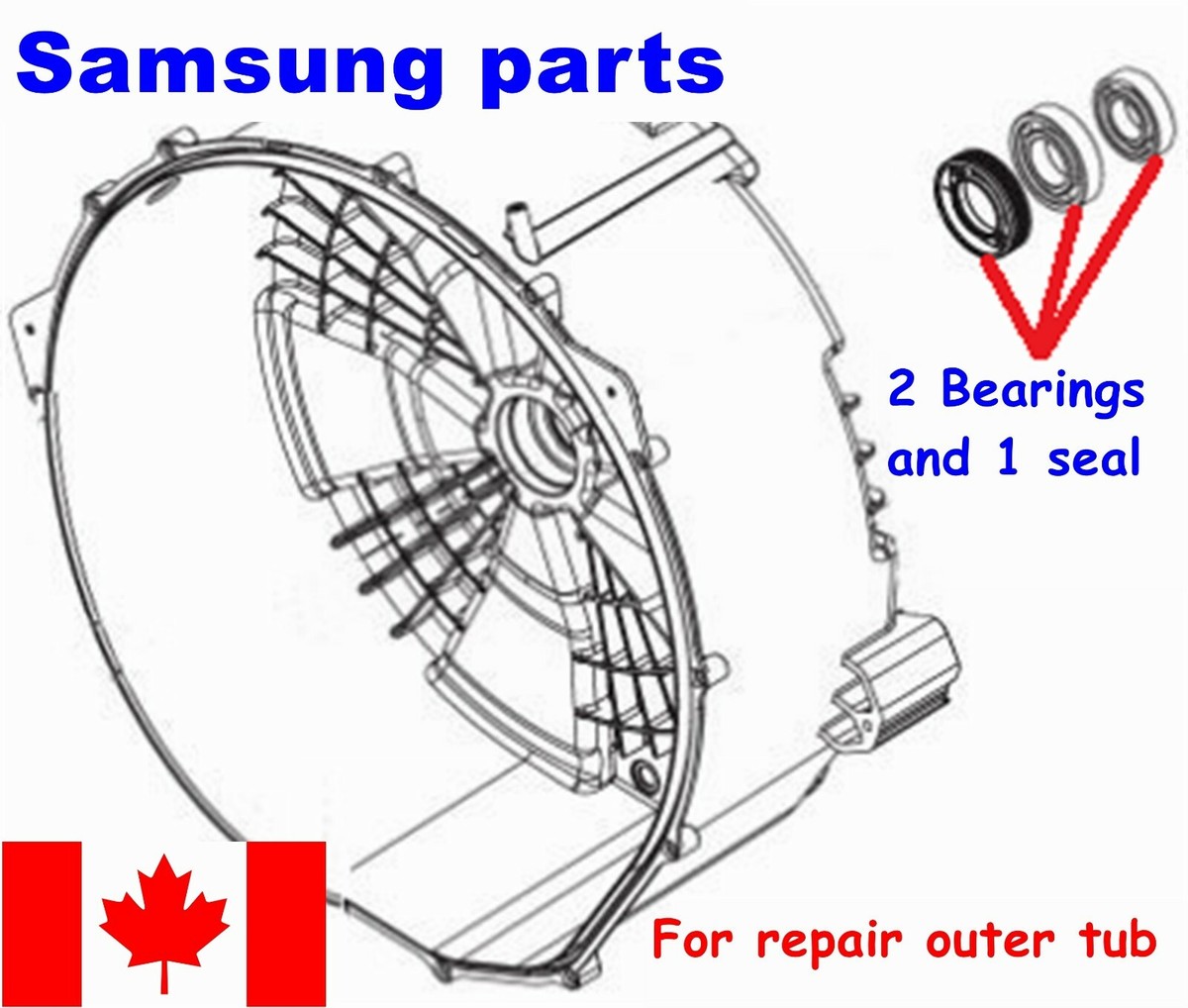
When to Attempt This Repair
Only tackle bearing replacement if you are under 8 years old and value long-term use, you have tools and mechanical confidence, or professional repair costs exceed $300.
This job takes 4 to 6 hours and requires full disassembly.
Tools You Will Need
• Cordless impact driver
• ¼-inch hex and T20 Torx bits
• 13mm socket set
• Pliers and flathead screwdriver
• Wood block and hammer
• Bearing and seal repair kit costing $70 to $90
Step-by-Step Bearing Replacement
Disassemble the Tub
- Remove the top panel by unscrewing rear screws.
- Take off the pulley using a wrench while holding the shaft with a screwdriver.
- Disconnect motor wiring and ground strap, then remove the motor.
- Unbolt the concrete counterweight.
- Disconnect drain hose, vent line, and pump.
- Release suspension shocks by pressing release tabs and rotating 90 degrees.
- Label and disconnect all wiring and detergent tubes.
- Remove the door and peel back the door boot to access front tub screws.
- Support the tub with a strap, then remove top suspension springs.
- Lift the tub out carefully without damaging sealing flanges.
Extract and Replace Bearings
- Separate tub halves using a flathead to pop plastic clips.
- Protect shaft threads with a nut and drop the tub repeatedly until the shaft pops out.
- Inspect the old seal for cracks and bearings for rust.
- Clean the sealing surface thoroughly.
- Slide the new seal onto the shaft and tap evenly with a wood block until seated.
- Drive the outer bearing in first using a wood block.
- Use a pipe to press the inner bearing into place, ensuring the old race is fully removed.
Reassemble and Seal
- Slide components back into the back tub half.
- Align halves and snap clips.
- Apply a thin silicone bead around the lower seam for moisture protection.
- Reverse disassembly steps to reinstall tub, shocks, motor, and other parts.
Run an empty spin cycle as a final test. It should be smooth and quiet.
Know When to Call a Pro
Understand Service Costs
Professional front load washing machine repair follows a standard pricing model.
| Service Type | Cost Range | Details |
|---|---|---|
| Diagnostic Fee | $100 to $125 | Often refunded if no repair done |
| Standard Repair | $225 to $350 | Includes labor and parts like pump or switch |
| Complex Repair | $350 and up | Bearing or control board replacement |
| Warranty | 60 days | Covers parts and labor |
Some companies stock common parts for same-day fixes.
Choose Repputable Technicians
Look for factory-certified technicians. Ensure clear flat-rate quotes before work begins. Expect a 60-day warranty minimum. Verify coverage for major brands like LG, Whirlpool, Samsung, and others.
Avoid Risky DIY Repairs
Skip these unless you are experienced. Control board replacement requires calibration tools. Motor rewiring carries high voltage risk and can cause fire. Tub resealing requires precision, as one misaligned seal causes leaks and flood damage. Transmission work is not cost-effective; replace the unit instead.
Always unplug and shut off water before any work.
Prevent Future Breakdowns
Fight Hard Water Damage
In areas with hard water above 120 mg/L, mineral buildup clogs valves and reduces efficiency.
Prevent Scale Buildup
• Use HE detergent formulated for hard water.
• Run a monthly descaling cycle with citric acid or commercial cleaner.
• Install inlet water filters if clogs recur.
Slow filling or error codes like “NF” are signs of trouble.
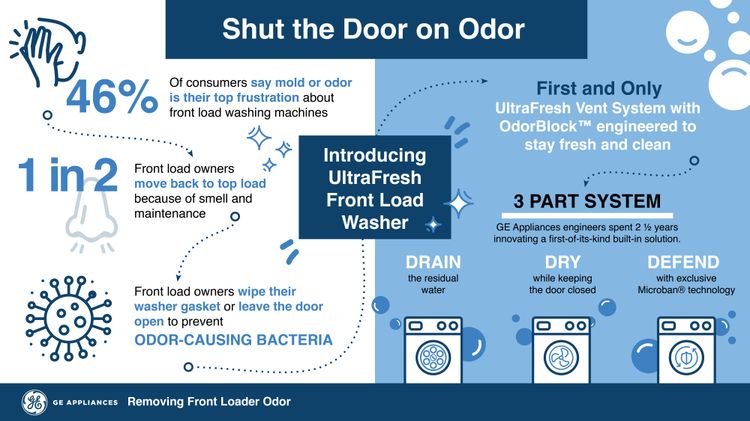
Stop Mold and Odors
Front-loaders trap moisture, creating ideal conditions for mold growth.
Daily and Monthly Habits
• After every wash, leave the door open to dry the gasket.
• Weekly, wipe down the door boot and detergent tray.
• Every 3 months, clean the drain pump filter.
• Monthly, run a hot wash with vinegar or washing machine cleaner.
Skip liquid fabric softener, as it coats sensors and promotes slime.
Balance Loads Properly
Overloading stresses critical components.
Load Smart
• Do not cram clothes; leave space for movement.
• Mix large and small items to balance the drum.
• Avoid washing single heavy items like comforters unless the machine has a dedicated cycle.
In homes with pier-and-beam construction, vibration transfers more. Keep shocks in good condition.
Repair vs. Replace: Make the Right Call
Use the Decision Matrix
| Factor | Action |
|---|---|
| Under 8 years old | Repair; it is cost-effective |
| 8 to 13 years old | Repair if cost is less than 50% of new machine |
| Over 13 years old | Replace; new models save energy |
| Bearing failure (DIY) | Repair; kit costs about $80 |
| Bearing failure (pro) | Evaluate; repair may cost $400 and up |
| Multiple past repairs | Replace; systemic failure likely |
| New unit costs $800 or more | Repair if under $400 |
If repair exceeds 50% of replacement cost, buy new.
Consider Energy Efficiency
New front-loaders use up to 30% less water and energy than 10-year-old models. Over time, savings offset replacement cost, especially with rising utility rates.
Final Thoughts on Front Load Washing Machine Repair
Front load washing machine repair does not have to mean expensive service calls. Many common issues, from clogs to worn pumps, are within reach of DIYers. But when it comes to drum bearings, seals, or electronic boards, weigh the cost and complexity carefully.
For machines under 8 years old, repair usually makes sense, especially if you can do the work yourself. For older units with recurring problems, replacement is often smarter long-term.
Stay ahead with regular maintenance. Clean filters, leave the door open, and descale monthly. These small habits prevent 80% of major failures.
Whether you fix it yourself or call a pro, now you know exactly what is going on behind that spinning drum and how to get your washer running like new again.
Frequently Asked Questions About Front Load Washing Machine Repair
How do I know if my front-load washer needs bearing replacement?
Listen for jet-engine whining or grinding sounds during the spin cycle. If the noise persists after redistributing clothes, worn bearings are likely. Visual signs include visible rust around the shaft or water leaking from the front seal area.
Can I replace the drain pump myself?
Yes, replacing a drain pump is a moderate DIY task. It costs $40 to $80 for the part and takes 30 to 45 minutes. Unplug the machine, remove the front lower panel, disconnect hoses and wiring, then swap the old pump for the new one.
Why does my front-load washer smell bad?
Foul odors come from mold growing in the door gasket, detergent drawer, or drain pump filter. Leave the door open after every use, wipe the gasket weekly, and clean the filter every 3 months. Run a monthly hot wash with vinegar to kill mold.
Is it worth repairing an 11-year-old washing machine?
It depends on the repair cost. If the machine is over 13 years old or the repair exceeds 50% of a new unit’s cost, replacement is smarter. New models offer 30% better energy efficiency, which offsets the cost over time.
What causes a front-load washer to not drain?
The most common cause is a clogged drain pump filter. Other reasons include a kinked drain hose, failed pump, or faulty door lock. Check the filter first, then inspect hoses and test the pump with a multimeter.
How much does professional front-load washer repair cost?
Diagnostic fees range from $100 to $125. Standard repairs cost $225 to $350, covering labor and common parts. Complex repairs like bearing or control board replacement exceed $350. Most repairs include a 60-day warranty.