Downtime in a commercial laundry operation isn’t just an inconvenience, it’s lost revenue, frustrated customers, and damaged reputations. Whether you manage a laundromat, hotel, hospital, or multi-family housing unit, a malfunctioning commercial washing machine can bring your entire operation to a halt. That’s why fast, reliable commercial washing machine repair is not optional, it’s essential. This guide breaks down the most frequent failure modes, step-by-step troubleshooting, brand-specific insights, and proactive maintenance strategies to keep your machines running at peak performance.
Fast-Track Diagnostic Protocol
Check Power Supply First
No response from the machine? Start with the basics. Verify the unit is plugged in and the outlet is live. Use a multimeter to test voltage, as commercial units typically require 208 to 240V. Check the circuit breaker or fuse box, since a tripped breaker is one of the most common causes of a dead washer. Reset if needed, but if it trips again, there may be a short circuit, and you should not continue without professional help.
Decode Error Codes Instantly
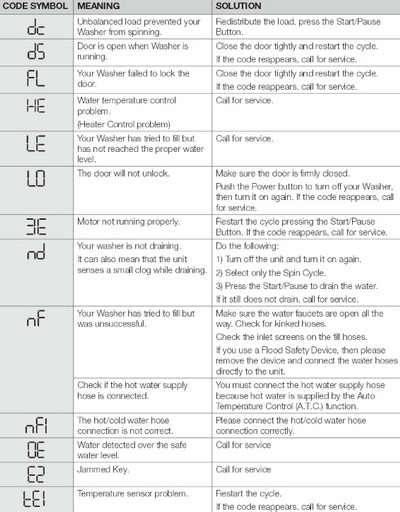
Modern commercial washers display error codes that pinpoint problems quickly. For example, F01 or E1 indicates a water inlet issue, F02 or E2 signals drain failure, F03 or E3 points to a temperature sensor fault, and F05 or E5 means an imbalance during spin. Consult the manufacturer manual for exact interpretations, as these codes eliminate guesswork and speed up repair time, especially when technicians arrive with the right parts.
Inspect Door and Lid Safety Switches
A faulty door latch on front loaders or lid switch on top loaders prevents the machine from starting or spinning for safety reasons. If the display lights up but the cycle won’t begin, this is likely the culprit. Test for continuity using a multimeter. If the switch is open, replace it. On older models, a broken plunger or misaligned switch can also cause failure, so inspect visually before ordering parts.
Drum Won’t Spin: Fix It Now
Test the Drive Belt
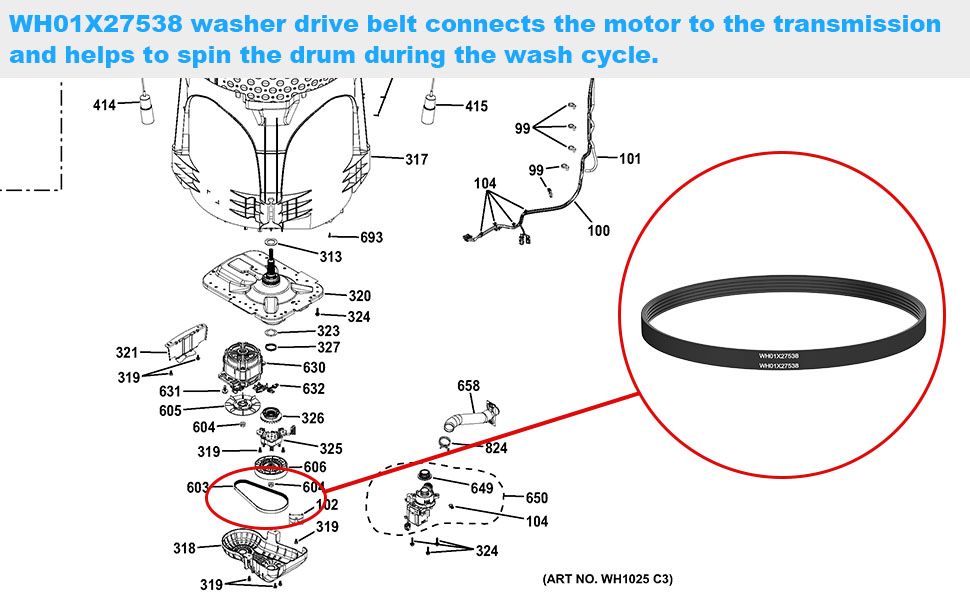
A torn, loose, or frayed drive belt is the number one cause of no-spin issues. Unplug the machine and remove the rear access panel. Visually inspect the belt connecting the motor to the drum. Look for cracks, glazing, or separation. If the belt is intact but loose, it may have slipped off pulleys. Re-tension or replace as needed. Most technicians carry common belts for Speed Queen, UniMac, and Huebsch models.
Rule Out Overloading
Excessive load weight can prevent the drum from spinning due to imbalance detection. Remove some items and restart the cycle. If it spins now, the machine was overloaded. Educate staff or customers on proper loading techniques, and never pack the drum more than three-quarters full.
Diagnose Motor and Solenoid Failure
If the belt is fine and the lid switch works, the issue may be deeper. A failed spin solenoid in top loaders won’t engage the spin mechanism. A burnt motor won’t hum or turn. These require professional testing. Never attempt motor repairs without proper training, as high-voltage capacitors can be dangerous even when unplugged.
Water Won’t Drain: Clear Blockages Fast
Clean the Drain Pump Filter
Clogs from lint, coins, hair ties, or fabric are the leading cause of poor drainage. Locate the pump filter, usually behind a front or side access panel. Place a towel underneath, open the filter cap slowly, and remove debris. Flush the chamber and reinstall. This simple step resolves sixty percent of drain issues.
Inspect Drain Hose and Pipe
Check the drain hose for kinks or crushing behind the machine. Ensure it’s not inserted too far into the standpipe, which can create an airlock. Also inspect the building’s main drain line, since multiple machines backing up suggest a facility-wide clog requiring plumbing service.
Test the Drain Pump
Listen during the drain cycle. No sound means the pump may be dead. A humming noise with no water movement suggests a seized impeller. Use a multimeter to test for continuity. If the pump has power but doesn’t run, replacement is needed. Technicians often carry universal-fit pumps for quick swaps.
Stop Leaks Before They Flood

Examine Hose Connections
Water pooling? Turn off power and water supply immediately. Check inlet hoses for hot and cold water and drain hose connections. Tighten loose fittings. Replace cracked or bulging hoses, especially rubber ones over three years old. Upgrade to braided stainless steel hoses for durability.
Replace Worn Door Seals
Front-loaders rely on rubber door gaskets to seal during cycles. Over time, they crack, tear, or grow mold, causing leaks. Inspect the entire circumference. If damaged, replace the seal. Clean regularly with vinegar to prevent buildup and prolong life.
Evaluate Tub and Pump Integrity
Internal leaks may stem from a cracked outer tub or leaking pump casing. These are harder to detect, so look for rust stains, water trails, or damp insulation. This level of repair requires disassembly and is best handled by certified technicians.
Reduce Vibration and Noise
Level the Machine Properly
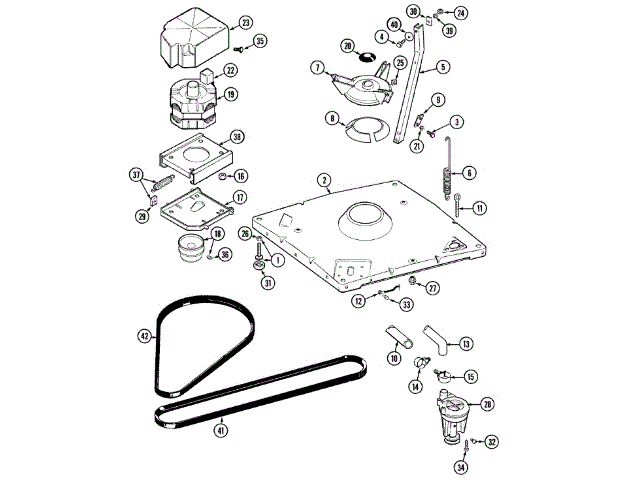
Excessive shaking? Use a bubble level on the top deck. Adjust the front leveling legs until the machine sits flat. Lock the locknuts once level. Uneven floors are common in older buildings, so shims may be needed.
Replace Worn Damper Pads
Damper or snubber pads absorb vibration during spin. When worn, the drum bounces violently. These are located under or around the tub. Remove panels and inspect for compression or cracking. Replace in pairs for balanced performance.
Remove Foreign Objects
Items like coins or pens can get trapped between the inner and outer drums, causing loud thumping. Run an empty spin cycle to listen. If noise persists, a technician may need to separate the drum assembly, which requires specialized tools.
Heating and Drying Issues Solved
Clear Lint and Vent Blockages
For dryers, poor airflow is the top cause of long drying times. Clean the lint trap after every use. Schedule monthly vent cleaning, as lint buildup in ducts reduces efficiency and creates fire hazards. Use a vent brush or hire a professional for deep cleaning.
Test Heating Components
Electric dryers require checking the heating element for breaks or burn marks and testing continuity with a multimeter. Gas dryers need inspection of the igniter and gas valve coils. A weak igniter glows but won’t open the valve. Replace if it doesn’t ignite within ninety seconds.
Calibrate Thermostats and Controls
Faulty thermostats cause overheating or insufficient heat. Use a calibrated thermometer to verify drum temperature during a cycle. If off by more than ten degrees Fahrenheit, replace the thermostat. Digital control boards can also fail, and error codes like HE or HT indicate thermal issues.
Brand-Specific Repair Tips
Speed Queen and UniMac Reliability
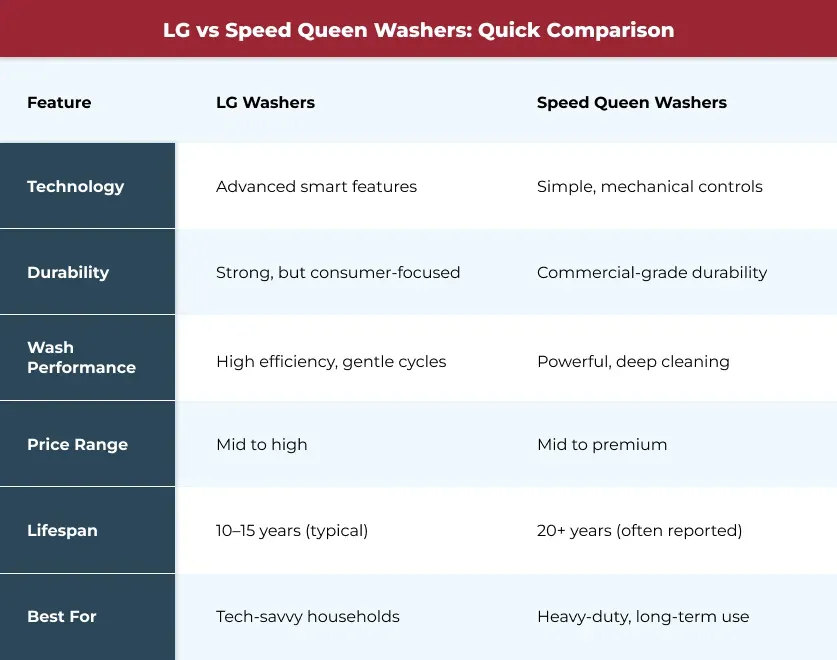
These brands are built for twenty-five plus years of service. Common issues include worn belts and solenoids, not catastrophic failures. Use only OEM parts to maintain longevity. Technicians trained on Alliance Laundry Systems, the parent company, can service both with factory-level knowledge.
Dexter and Maytag Commercial
Dexter units need precise calibration after part replacement. Always run a diagnostic cycle post-repair. Maytag Commercial models often have robust motors but sensitive control boards, so avoid voltage spikes with surge protectors.
Electrolux, IPSO, Girbau Efficiency Focus
These European brands prioritize water and energy savings. Repairs often involve electronic sensors and flow meters. Error codes related to water levels or pressure switches are common. Use diagnostic software when available.
Milnor and Wascomat Heavy-Duty Units
Industrial machines like Milnor require specialized service. Bearings, gearboxes, and steam valves wear under extreme use. Schedule bi-annual maintenance to catch issues early. Wascomat’s low-cost-per-pound design relies on perfect balance, so vibration issues must be addressed immediately.
Prevent Downtime With Maintenance
Schedule Six-Month Inspections
Even if no problems appear, schedule professional checkups twice a year. A technician will inspect belts, hoses, and seals, test motor windings and electrical connections, clean pump filters and spray arms, calibrate water levels and temperatures, and verify door latch and safety mechanisms. Preventive maintenance cuts emergency repairs by up to seventy percent.
Clean Filters Weekly
Train staff to clean drain pump filters and lint traps weekly. Set calendar reminders. This simple act prevents eighty percent of clogs and overheating issues.
Monitor Performance Trends
Track cycle times, error codes, and repair history. A sudden increase in F02 codes means drain issues are worsening. Use this data to justify upgrades or lease replacements before total failure.
Choose the Right Repair Service
Verify Technician Credentials
Only hire licensed, insured, and factory-trained technicians. Ask if they carry OEM parts for your brand. Same-day service is critical, so confirm response time guarantees like within eight business hours.
Ask About Service Agreements
For multiple units, consider a TotalCare or flat-rate maintenance plan. Benefits include predictable monthly costs, priority emergency service, free routine inspections, and extended warranties. This turns unpredictable repair bills into manageable operational expenditure.
Check Geographic Coverage
Ensure the provider services your area. National networks like Alliance Distribution cover twelve states, while local experts like Southeastern Laundry in Wilmington or High City Appliance in Denver offer faster local response.
Safety First: Repair Protocols
Always Disconnect Power
Unplug the machine or turn off the breaker before any inspection. Commercial units store lethal voltages even when off. Verify with a multimeter before touching internal parts.
Use Proper Safety Gear
Wear heavy-duty gloves that are cut and chemical resistant, safety glasses to protect from spray and debris, and closed-toe shoes for impact protection. Never work alone on large industrial units.
Follow Manufacturer Manuals
Each brand has unique disassembly sequences and safety interlocks. Always consult the manual before removing panels or replacing components. Wrong steps can damage control boards or void warranties.
Key Takeaways for Commercial Washing Machine Repair
A well-maintained commercial washing machine can last fifteen to twenty-five years. But neglect turns small issues into costly breakdowns. By mastering quick diagnostics, scheduling preventive care, and partnering with qualified technicians, you ensure uptime, efficiency, and customer satisfaction. Remember to check power supply and error codes first, clean filters weekly, and address vibration issues immediately to prevent larger damage. For immediate issues, act fast and call a certified repair service with same-day availability and OEM parts. Your bottom line depends on it.
Frequently Asked Questions About Commercial Washing Machine Repair
How often should I schedule preventive maintenance for commercial washers?
Schedule professional inspections every six months. Between visits, your staff should clean drain pump filters and lint traps weekly to prevent eighty percent of clogs and overheating issues.
What are the most common causes of commercial washing machine downtime?
The most frequent issues include drive belt failures, drain pump clogs from lint and foreign objects, faulty door seals causing leaks, and electrical problems like tripped breakers or control board failures.
Can I repair commercial washing machines myself, or do I need a professional?
Basic troubleshooting like checking power supply, cleaning filters, and inspecting hoses can be done in-house. However, motor repairs, control board diagnostics, and internal component replacement require licensed, factory-trained technicians.
How do I choose between repairing or replacing a commercial washing machine?
Consider the machine age, repair costs, and frequency of breakdowns. If repairs exceed fifty percent of replacement cost or the unit is over fifteen years old with recurring issues, replacement may be more cost-effective.
What should I look for in a commercial washing machine repair service?
Verify technicians are licensed, insured, and factory-trained. Ask about same-day service guarantees, OEM parts availability, and whether they offer service agreements with predictable monthly costs.
How long do commercial washing machines typically last?
With proper preventive maintenance, commercial washing machines can last fifteen to twenty-five years, depending on usage volume and brand. Regular maintenance is the key factor in maximizing equipment lifespan.