You’re ready to do laundry, but your washing machine won’t start, won’t drain, or is making strange grinding noises. You’re not alone. Common washing machine faults affect millions of households every year, from silent machines to overflowing water and soaking-wet clothes after a spin cycle. These issues can disrupt your routine and lead to costly repairs if ignored.
The good news is that many of these problems have simple fixes. In fact, over 60% of reported washing machine issues stem from blockages, loose connections, or user errors, problems you can often resolve yourself in under an hour. This guide covers how to identify, troubleshoot, and fix the most frequent washing machine faults, with step-by-step repair tips, cost-saving strategies, and expert insights on when to repair versus replace.
No Power or Machine Won’t Start

When your washing machine is completely unresponsive, with no lights, sounds, or display, the issue usually lies outside the machine rather than in dead motors or fried circuit boards.
Check Power Source First
Before disassembling anything, verify the basics. Is the power cord securely plugged in? Is the outlet working? Test it with a lamp or phone charger. Has a GFCI outlet tripped? Reset it if needed. Check your home’s electrical panel for tripped breakers or blown fuses. A common cause is an overloaded circuit, especially if the washer shares power with a dryer or water heater. Reset the breaker and avoid running high-draw appliances simultaneously.
Pro Tip: Unplug the machine for three to five minutes to reset internal electronics. Many modern washers have software glitches that clear with a power cycle.
Test the Door Lock and Lid Switch
Even with power, the machine won’t start if the safety interlock is not engaged. For front-loaders, listen for the door lock click when you close it. If it does not engage, the door latch may be faulty. For top-loaders, press the lid switch manually. If the machine starts, the switch needs replacement. A broken lid switch mimics a power failure, so replace it if testing confirms it is dead.
Repair Costs:
- Door latch replacement: $120 to $200
- Lid switch: $80 to $150
- DIY savings: High (simple plug-and-play part)
Washer Won’t Fill or Fills Too Slowly

If your machine hums but does not fill, or takes more than ten minutes to fill, water flow is restricted.
Verify Water Supply Valves
Ensure both hot and cold water valves behind the machine are fully open. Even a slightly closed valve reduces pressure. Turn them counter-clockwise until snug. Do not overtighten, as this can strip plastic valve stems.
Clean Inlet Valve Screens
Tiny mesh filters inside the water inlet valve trap sediment and debris. Over time, they clog, reducing flow to a trickle. To clean, turn off the water supply, disconnect fill hoses, use needle-nose pliers or a toothpick to remove screens, rinse under running water, and reinsert. This free DIY fix resolves slow-fill issues in most cases.
Replace Faulty Inlet Valve
If water pressure is good but the machine still will not fill, the solenoid in the inlet valve may be dead. Test with a multimeter for continuity. No continuity means replace the valve. Replace both hot and cold valves together, as they wear at the same rate.
Cost: $150 to $230 (parts and labor)
Overfilling or Water Overflow
Water spilling over the drum during fill means the machine cannot detect the correct water level.
Clear the Pressure Switch Tube
The pressure switch uses a small air tube attached to the outer tub to sense water level. If blocked by gunk, it will not signal the valve to shut off. To fix, locate the pressure switch, disconnect the thin rubber tube, blow through it forcefully to clear blockages, and reconnect. You should hear a click when blowing, which confirms the diaphragm is working.
Test or Replace the Pressure Switch
If clearing the tube does not help, the switch itself may be faulty. Use a multimeter to test for continuity during fill. No change in reading means replace the switch. Mark wire positions before disconnecting to avoid miswiring.
Washer Won’t Drain (Water Left in Drum)
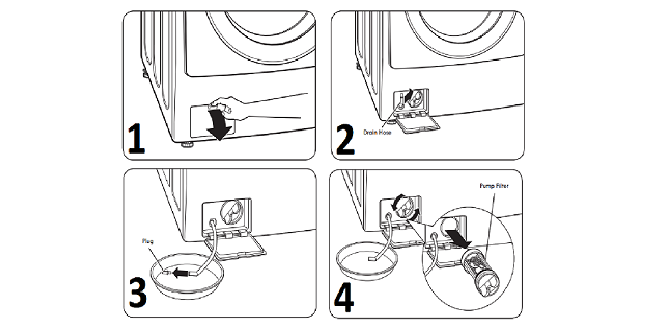
Standing water after the cycle is one of the most common washing machine faults, and usually the easiest to fix.
Clean the Drain Pump Filter
Most blockages occur in the pump filter or lint trap. Regular cleaning prevents 80% of drainage failures. Place towels and a shallow pan under the front access panel, unscrew the filter cap slowly (water will drain out), remove coins, hair ties, lint, and debris, clean the sump area with a cloth, and reinstall the filter tightly. Clean every one to three months, or after heavy-use cycles.
Brand Note: LG and Samsung front-loaders require this maintenance more often due to tight pump designs.
Inspect the Drain Hose and Standpipe
Check for kinks in the hose, clogs in the standpipe (use a plumbing snake), and hose positioned too far into the drain (causing siphon lock). The drain hose should form a high loop and not be submerged more than four inches into the standpipe.
Replace the Drain Pump
If the filter is clean but the pump hums without moving water, the impeller may be broken or the motor burned out. Symptoms include humming with no drainage, cracks in the pump housing, and error codes like OE (LG) or 5E (Samsung).
Cost: $150 to $280 with labor
Clothes Still Wet After Spin Cycle
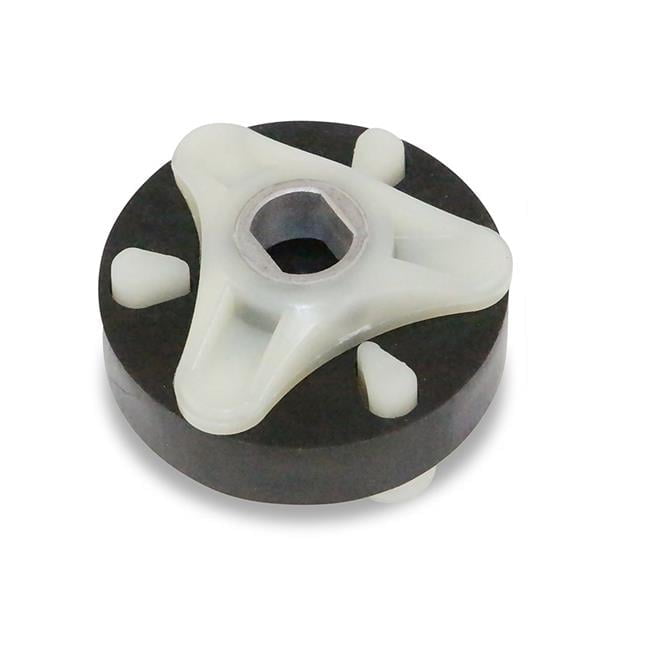
If clothes come out dripping, the machine likely did not reach full spin speed or did not spin at all.
Redistribute Unbalanced Load
Modern washers detect imbalance and reduce spin speed to prevent damage. This happens with single heavy items like comforters or jeans, or unevenly packed loads. Stop the cycle, redistribute clothes evenly, and restart.
Pro Tip: Wash bulky items in pairs (two towels, not one) to balance the drum.
Check Lid Switch or Door Latch
A faulty switch prevents the safety circuit from closing, so the machine will not spin. Test the switch as described earlier.
Inspect Drive Belt or Motor Coupler
For belt-driven models (GE, Whirlpool older), open the back panel. If the belt is snapped, loose, or glazed, replace it. For direct-drive models (Whirlpool, Maytag), the motor coupler connects motor to transmission. If cracked or sheared, the motor runs but the drum does not spin.
Replacement Cost: $180 to $320
Test Motor Brushes (Older Models)
In Hotpoint, GE, and some Whirlpool units, carbon motor brushes wear down over time. The machine fills and drains but will not spin. Symptoms include motor runs briefly then stops, loud buzzing during spin attempt, and visible brush wear. Replace brushes (approximately $20 part, labor varies).
Loud Noises: Grinding, Banging, or Squealing

Unusual sounds are early warning signs of mechanical failure.
Grinding During Spin
A low, rumbling grinding noise that increases with speed usually means failed drum bearings. To diagnose, remove front or top panel, rotate the drum by hand, and if you feel gritty resistance or metal-on-metal scraping, bearings are gone. Bearing replacement often requires drum or tub replacement, costing $400 to $700. For machines over seven years old, replacement is usually more cost-effective.
Clicking or Chattering
A rhythmic clicking sound during agitation points to a failing motor coupler (common in direct-drive Whirlpool units). Replace the coupler before it fails completely.
Rattling or Banging
If you hear rattling every rotation, something is stuck between the inner and outer drum, such as coins, hair clips, or zipper pulls. Check all pockets before washing, inspect the door boot seal, and use a flashlight and long tool to retrieve objects. Never run the machine with foreign objects, as this can crack the drum.
Washer Leaks: Find and Fix the Source

Leaks are messy and can damage floors. The key is identifying when and where the leak occurs.
During Fill Cycle
Likely sources include loose fill hose clamps, cracked inlet hoses, or faulty water inlet valve. Tighten clamps by hand (do not over-tighten). Replace hoses every five years. OEM hoses are burst-resistant.
During Wash or Spin
Torn door boot seal is common in front-loaders. Inspect the rubber seal for cuts, holes, or mildew lines (early signs of tearing). Dispenser leaks are caused by clogged bellows tube or detergent buildup. Replace the boot seal using a spring expansion tool. Clean dispenser with vinegar.
Under the Machine
If water pools underneath, the tub seal may be failed, the outer tub may be cracked, or the pump housing may be cracked. For small drum holes, use heat-resistant epoxy (approximately $9) instead of $200-plus replacement.
Musty Smells and Mold Buildup
Foul odors are common in front-loaders but preventable.
Eliminate Mold and Mildew
Run a hot wash with one cup white vinegar, wipe the door seal, detergent drawer, and drum with vinegar-soaked cloth, sprinkle one-half cup baking soda in the drum and run another hot cycle, and leave the door slightly ajar after use. Never leave wet clothes in the drum overnight.
Prevent Future Odors
Use high-efficiency (HE) detergent only. Avoid overfilling, as poor rinsing leaves soap residue. Clean the drain filter monthly.
Error Codes: What They Mean
Modern washers display codes to pinpoint issues. Common codes include LE or OE (LG) for drain problems, 5E or SE (Samsung) for drain problems, and F1 or E1 (various) for water inlet issues. Unplug for five minutes to reset. If code returns, test components. Persistent codes often point to failed sensors or control boards, and professional diagnosis is recommended.
When to Repair vs. Replace
Use this cost-benefit rule:
| Repair Cost | Machine Age | Recommendation |
|---|---|---|
| Under $200 | Any | Repair |
| $200 to $300 | Under 7 years | Repair |
| Over $300 | Over 7 years | Replace |
| Transmission or Bearings | Any | Evaluate carefully |
A $450 bearing repair on a nine-year-old machine is not worth it. New energy-efficient models save $50-plus per year on utilities.
Prevent Faults with Regular Maintenance
Avoid most common washing machine faults with these habits.
Monthly
Clean drain pump filter, wipe door seal and detergent drawer, and run hot vinegar cycle.
Every 6 Months
Inspect hoses for cracks or bulges, check leveling and stability, and test lid or door switch.
Annually
Replace inlet hoses, inspect suspension shocks or springs, and tighten internal bolts.
Pro Tip: Use anti-vibration pads on hard floors to reduce wear and noise.
Final Thoughts on Common Washing Machine Faults
Most common washing machine faults are not catastrophic. They are predictable, preventable, and often fixable with basic tools and knowledge. From clogged filters to worn belts and faulty switches, quick action saves time, money, and frustration. By understanding the signs, whether it is standing water, strange noises, or error codes, you can diagnose issues early and decide whether to DIY, call a pro, or upgrade. With regular maintenance, your washer can easily last 10 to 13 years. Stay ahead of breakdowns, keep this guide handy, and never let a broken washer ruin your laundry day again.
Frequently Asked Questions About Common Washing Machine Faults
Why won’t my washing machine start at all?
Check the power source first. Verify the outlet is working, the power cord is plugged in, and no breakers are tripped. If power is confirmed, test the door lock or lid switch, as a faulty safety interlock prevents startup.
How do I fix a washing machine that won’t drain?
Start by cleaning the drain pump filter. Most drainage failures stem from blockages in the lint trap or coin trap. If the filter is clear, check the drain hose for kinks or clogs, then inspect the drain pump itself.
Why are my clothes still wet after the spin cycle?
This usually indicates the machine did not reach full spin speed. Causes include unbalanced loads, faulty lid switch or door latch, worn drive belt or motor coupler, or blocked drain pump (many machines will not spin if water cannot drain).
What causes loud grinding noises during washing?
Grinding noises that increase with spin speed typically indicate failed drum bearings. This is a major repair that often costs $400 to $700, making replacement more cost-effective for older machines.
How often should I clean my washing machine?
Clean the drain pump filter monthly, wipe door seals after each load, and run a hot vinegar cycle monthly. Replace inlet hoses every five years and inspect components every six months.
When should I replace my washing machine instead of repairing it?
Replace if repair costs exceed $300 on a machine over seven years old, or if the issue involves transmission or bearings. New energy-efficient models often pay for themselves within a few years through utility savings.