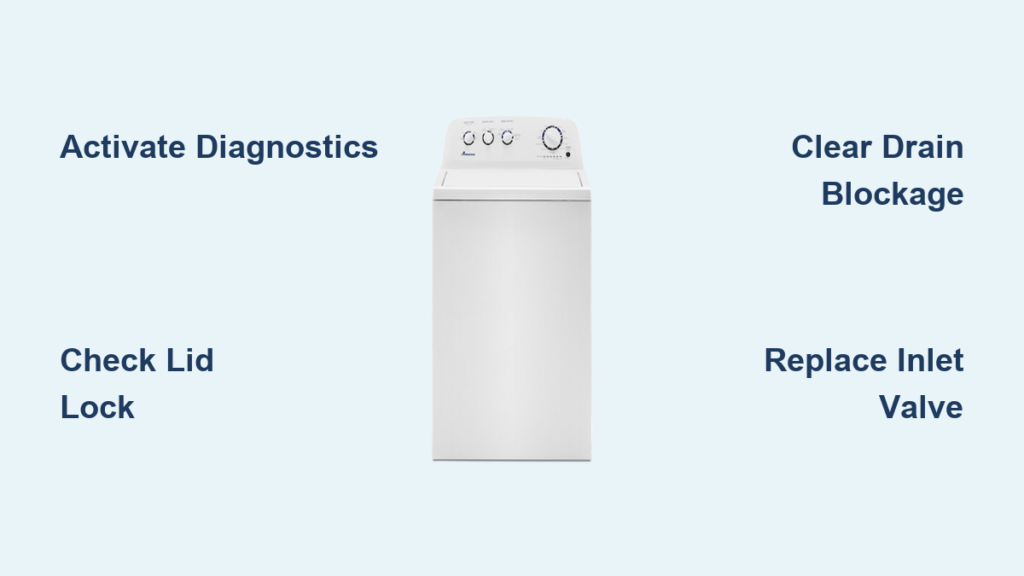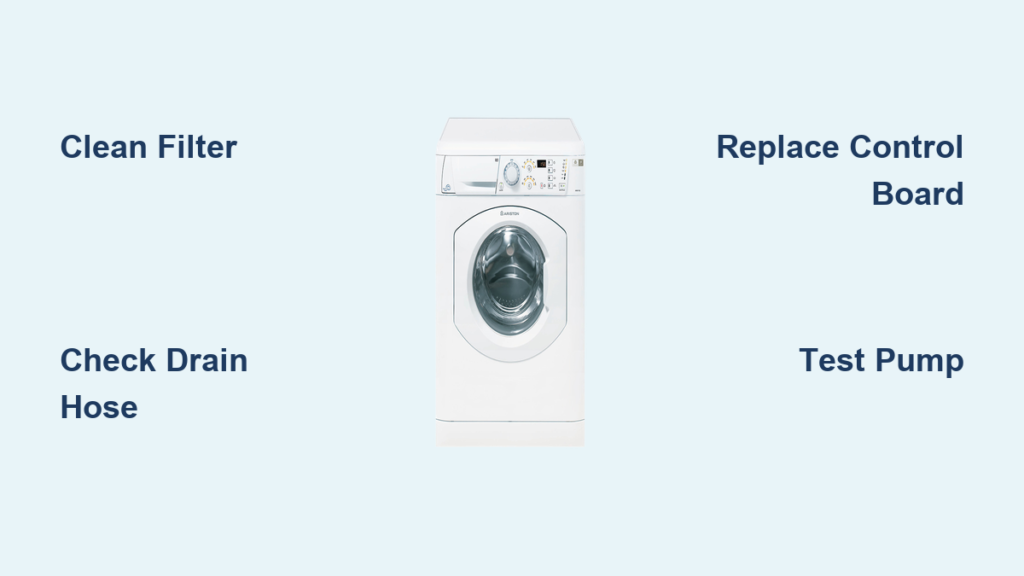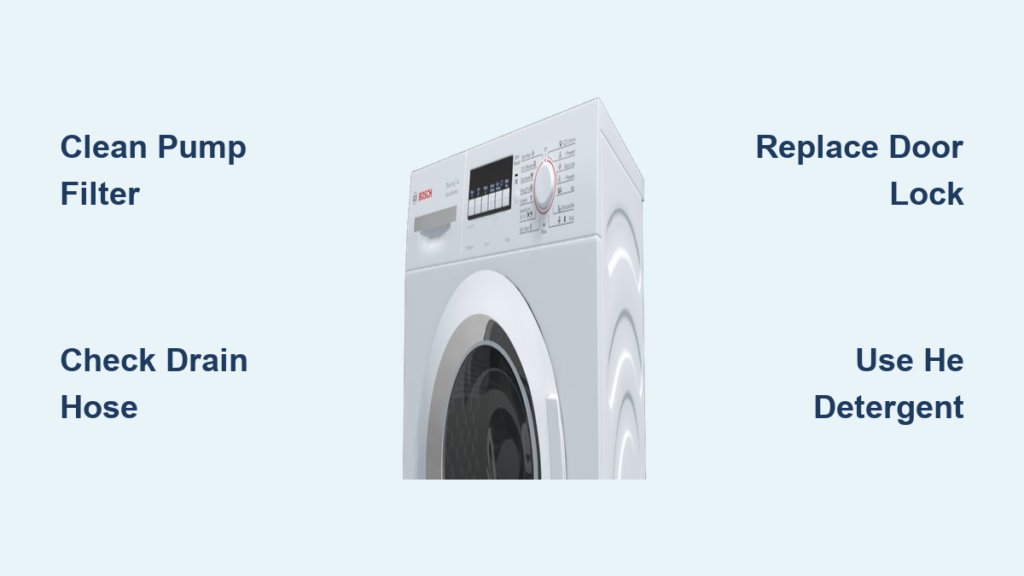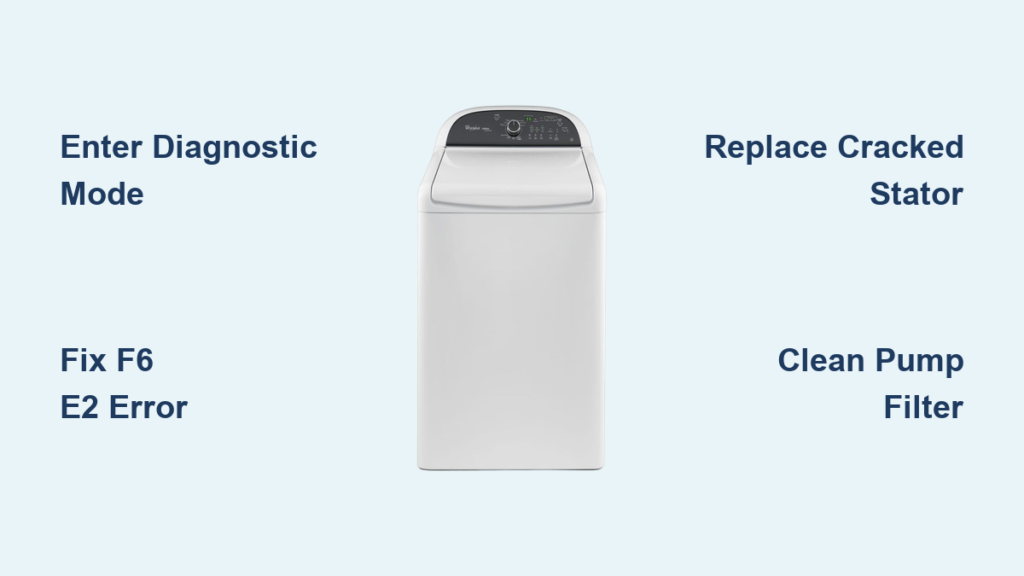
If your Kenmore washing machine won’t spin, won’t drain, or is leaking oil, you are not alone. With nearly one in three American homes relying on a Kenmore washer, repair knowledge is in high demand. But here is the key: Kenmore is not a manufacturer. It is a brand. That means your washer could be built by Whirlpool, LG, Electrolux, or another company, and using the wrong parts or methods can make things worse. The model number is your lifeline. Found inside the lid, on the back, or behind the detergent tray, it tells you exactly what you are dealing with.
This guide cuts through the confusion with proven diagnostic steps, model-specific fixes, and professional repair techniques used by technicians. Whether you are facing a transmission oil leak, a flashing lid lock, or a machine that will not start, you will learn how to pinpoint the real cause, not just replace parts blindly. From identifying a failed “wig wag” solenoid in a vintage Whirlpool-built 110 series to replacing a clogged pump in an LG-made HE model, we cover the most common failures and their solutions.
Decode Kenmore Model Numbers Before Repairs
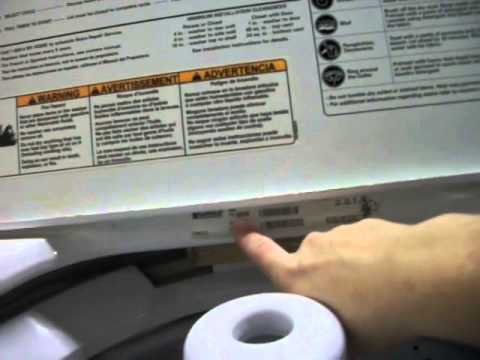
Find Your Exact Model Number
Before any repair, locate your Kenmore washer’s model number. It is typically on a sticker inside the lid rim, on the back panel, or behind the detergent dispenser. This number determines the manufacturer, compatible parts, and repair path. For example, a 110 series is almost always Whirlpool-built with a direct drive system. A 417 series is often an LG-made front loader. An 80 or 90 series is a durable top-loader from Whirlpool or Electrolux. Kenmore Elite HE models may be LG or Whirlpool, so always check the specific number.
Using a part from an LG manual on a Whirlpool-built unit will fail. Always verify the manufacturer before ordering parts.
Match Brand to Manufacturer
Kenmore washers are made by several companies, and each uses different repair strategies. Whirlpool produces most top-load and direct-drive models. LG makes high-efficiency front and top-load units. Electrolux and Frigidaire handle select front-load designs. Panasonic, Daewoo, and Cleva make older or niche models.
Why this matters: A Whirlpool 110 series uses a mechanical “wig wag” shifter that moves back and forth to engage agitation or spin. An LG-built Kenmore Elite uses electronic sensors and a different control system. Repair strategies differ completely between these brands.
Diagnose Oil Leaks Immediately

Spot Transmission Failure Early
Oil pooling under your Kenmore washer is a red alert. Unlike water leaks, oil means the transmission seal is blown. This is not a pump issue. It is a gearbox failure that requires a full transmission replacement.
What you will see includes dark, greasy fluid on the floor or motor, a slipping drive belt that smells burnt, and the washer will not spin or drain properly. Oil sprays onto the motor, clutch, and pump, damaging rubber parts. Replacing just the pump will fail fast because the oil contaminates the new pump immediately.
Confirm With Visual Inspection
Unplug the washer and tilt it back safely. Shine a flashlight under the tub. Look for oil on the motor casing, grease on the drive belt, and dark residue around the transmission shaft. If oil is present, plan for a full transmission replacement, not a quick fix.
Replace Failed Gearbox Assembly
Tools You Will Need
You will need a Narwhal 6-in-1 driver or socket set, a hammer and center punch, a magnetic tray for small parts, high-temperature grease, a replacement gearbox, and a new Rascal AP retaining ring. Never reuse the old retaining ring. It is a one-time-use part that loses tension after removal.
Remove Old Transmission
Disassemble outer panels by removing control panel screws and taking off top and front panels. Disconnect the motor by unplugging the wiring harness and removing motor mounting bolts. Extract the agitator and spin tube by removing the fabric softener cup, unscrewing the center bolt, and pulling the agitator up. Use a puller if it is stuck. Access the transmission by locating the Rascal AP ring at the drive shaft base. Use a hammer and punch to drive it out evenly.
Install New Gearbox
Slide the new transmission onto the drive shaft. Tap the new Rascal AP ring into place with the punch, ensuring full seating. Apply high-temp grease to the shaft and internal gears. Reinstall the agitator, motor, and panels. Run a calibration cycle to ensure proper operation.
Pro Tip: New gearboxes come pre-filled with oil. A small leak after installation is normal for the first few cycles.
Fix No Drain or Spin Issues
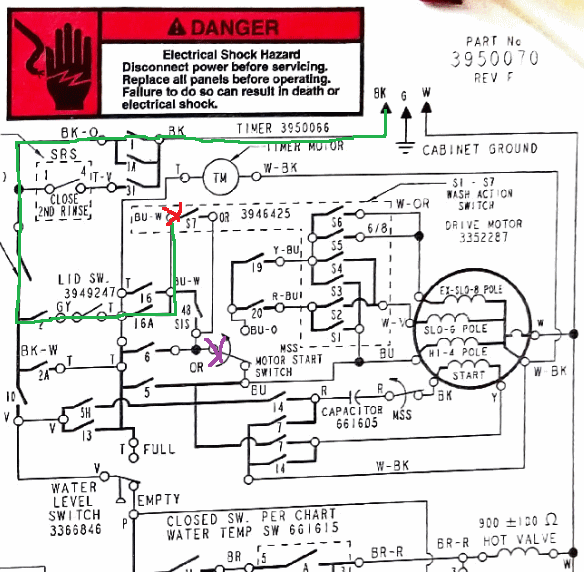
Rule Out Lid Switch First
A common cause of no spin or drain is a failed lid switch. If the washer thinks the lid is open, it will not spin. Test it by unplugging the washer and locating the lid switch near the lid strike. Use a multimeter to check continuity. Close the lid, and it should show continuity. Open the lid, and it should break continuity. If there is no reading, replace the switch.
Symptom: Lid lock light flashes but machine will not start.
Check for Pump Clogs
If no oil is present, inspect the drain pump. Place towels under the washer. Remove the front lower panel. Locate the pump, usually at the front bottom. Open the pump trap by turning the knob counterclockwise. Remove debris like coins, socks, and lint.
Warning: Water will spill out. Have a bucket ready.
Replace Water Pump Safely
Disconnect inlet and outlet hoses. Remove mounting screws. Always install new gaskets. Never reuse old ones. Before installing the new pump, spin the impeller by hand. It should move freely. Confirm the model match by cross-referencing your number. Reconnect hoses tightly.
Time Estimate: 45 minutes for experienced DIYers.
Repair Agitator Not Moving
Replace Worn Agitator Dogs
In Whirlpool-built Kenmores including 110, 80, and 90 series, the dogs are small plastic teeth inside the agitator that engage the wash plate. Failure signs include the agitator spinning but clothes not moving, loud clicking during agitation, and visible wear or missing teeth.
Fix this by removing the fabric softener dispenser. Unscrew the center bolt with a 7/16-inch socket. Lift the agitator straight up. Flip it over. The dogs are in the base. Pop out old dogs and press in new ones. Reinstall with dry lubricant on the shaft.
Part Tip: Kit number W10820035 fits most Whirlpool-made Kenmores.
Calibrate After Major Repairs
Run Control Board Reset
After replacing the transmission, motor, or pump, recalibrate the control board. Turn the dial to Rinse cycle. Press Start. Watch LED indicators. They should flash in sequence. A solid light means calibration passed. If there is no response, check wiring harness connections.
Why it matters: The board needs to recognize new components. Skipping this can cause error codes or erratic behavior.
Troubleshoot LE Error Code

Decode Motor Lock Signal
The LE code means motor communication error or locked rotor. Common causes include an overloaded tub, a failed hall sensor in direct drive motors, broken wiring harness, and motor winding failure.
Diagnose step by step. Reset first by unplugging the washer for 5 minutes. Check the load by removing clothes and restarting. Test motor resistance by disconnecting the motor plug. Use a multimeter on ohms setting. Test between pins 1-2, 2-3, and 1-3. It should read 3 to 6 ohms. Infinite means a bad motor. Check the hall sensor. It is usually integrated, so replace the motor if it is faulty.
Pro Note: Wiring harness damage is common near the drum. Look for frayed or pinched wires.
Enter Diagnostic Mode
Test Components Individually
Kenmore Elite and HE models support self-diagnostic mode. Activate it by turning the control knob to Spin Only. Press Options three times within 5 seconds. Press Start.
What happens: LEDs flash in sequence. The washer runs short tests including filling with water, agitating briefly, draining, and spinning. Use diagnostic mode to confirm motor power, test pump operation, verify valve function, and check sensor feedback. If a test fails, isolate that component for replacement.
Prevent Repeat Failures
Avoid These Common Mistakes
Replacing the pump without checking for oil leads to a new pump failing in days. Always inspect for transmission leaks first. Reusing old gaskets causes water leaks after repair. Always install new seals. Using non-OEM parts causes premature wear and poor fit. Stick to OEM or high-quality aftermarket parts. Ignoring agitator dogs causes poor cleaning and noise. Inspect every 2 to 3 years. Overloading the machine blows the mechanical fuse. Do not exceed 80 percent of tub capacity.
Follow the 10-Year Rule
If your Kenmore washer is over 10 years old, needs a 200 dollar or more part like a transmission or control board, or has multiple past repairs, consider replacement. Repair cost may exceed 50 percent of a new unit’s price. Older machines also use more water and energy.
Use the Right Tools
Essential Repair Kit
Your kit should include a Narwhal 6-in-1 driver for tamper-proof and standard screws, a digital multimeter to test switches, motors, and continuity, safety glasses to protect from oil and debris, a hammer and punch to remove and install Rascal AP rings, a socket and puller set for seized agitators, high-temp grease for shaft lubrication, and a magnetic tray to keep screws organized.
Skip cheap tools. They strip screws and damage components.
When to Call a Pro
Call Sears Home Services If
Call if the unit is under warranty, you see multiple error codes, the drum is unbalanced and noisy, or you are unsure about electrical testing.
Sears Home Services is the only nationally authorized Kenmore repair provider. Contact them at (802) 613-1926.
Try Local Experts For
Try local experts for out-of-warranty repairs, fast response times, and phone diagnostics and estimates. Examples include Mr. Appliance at (888) 998-2011, or local appliance shops in your area.
Frequently Asked Questions About Kenmore Washing Machine Repair
Why is oil leaking from my Kenmore washing machine?
Oil leaking from your Kenmore washer indicates a failed transmission seal or gearbox. This is not a water pump issue. The gearbox sprays oil onto the motor, drive belt, and clutch, contaminating multiple components. A full transmission replacement is required, not just a pump replacement.
How do I find the model number on my Kenmore washer?
The model number is on a sticker inside the lid rim, on the back panel, or behind the detergent dispenser. It is essential for identifying the manufacturer (Whirlpool, LG, or Electrolux) and ordering correct replacement parts.
What does the LE error code mean on my Kenmore washer?
The LE code indicates a motor communication error or locked rotor. Causes include an overloaded tub, failed hall sensor, broken wiring harness, or motor failure. Try resetting by unplugging for 5 minutes. If it persists, test motor windings with a multimeter.
Can I replace the water pump myself?
Yes, you can replace the water pump yourself in about 45 minutes. Disconnect hoses, remove the old pump, and install a new one with fresh gaskets. Always use new seals. Never reuse old gaskets. Ensure the replacement matches your model number exactly.
When should I replace my Kenmore washing machine instead of repairing it?
Replace the washer if it is over 10 years old and needs a major repair costing more than 200 dollars, or if it has required multiple past repairs. The 10-year rule helps you avoid spending more on repairs than the machine is worth.
Why will my Kenmore washer not spin or drain?
The most common causes are a failed lid switch, a clogged drain pump, or a transmission failure. Check the lid switch first with a multimeter. If no oil is present, inspect the pump for clogs. If oil is present, the transmission has failed.
Key Takeaways for Kenmore Washing Machine Repair
Kenmore washing machine repair hinges on accurate model identification. The model number tells you whether the machine was built by Whirlpool, LG, or Electrolux, and each requires different parts and repair approaches. Always check for oil leaks before replacing a pump, because oil indicates transmission failure that will destroy a new pump immediately. Test the lid switch before blaming the control board, as a flashing lid lock is often a simple switch issue. Use OEM parts, recalibrate after major repairs, and follow the 10-year rule to know when replacement makes more sense than repair. With the right approach, you can fix most Kenmore washer issues yourself or know exactly what to tell the technician. Keep this guide handy, and your Kenmore will keep running for years.