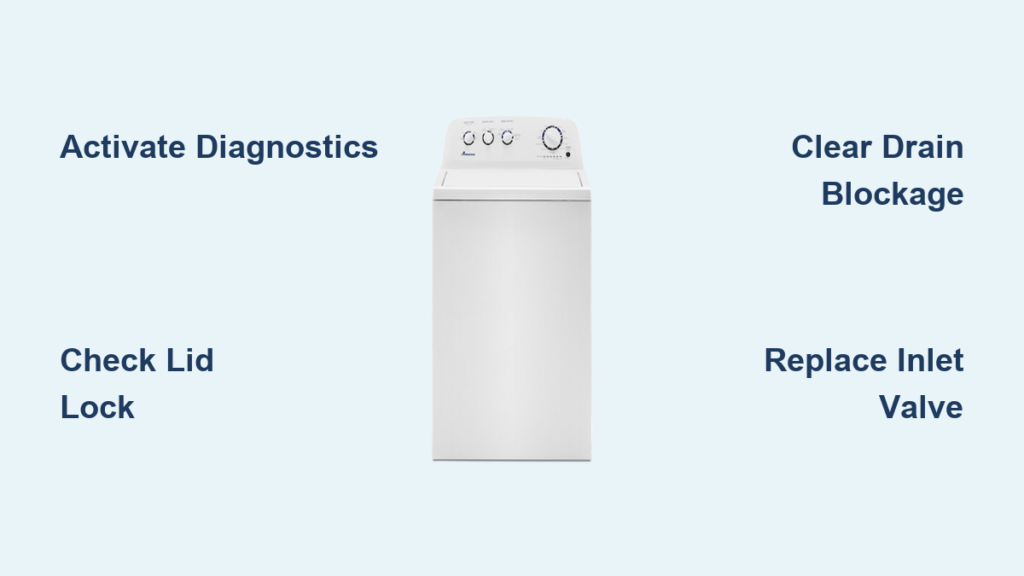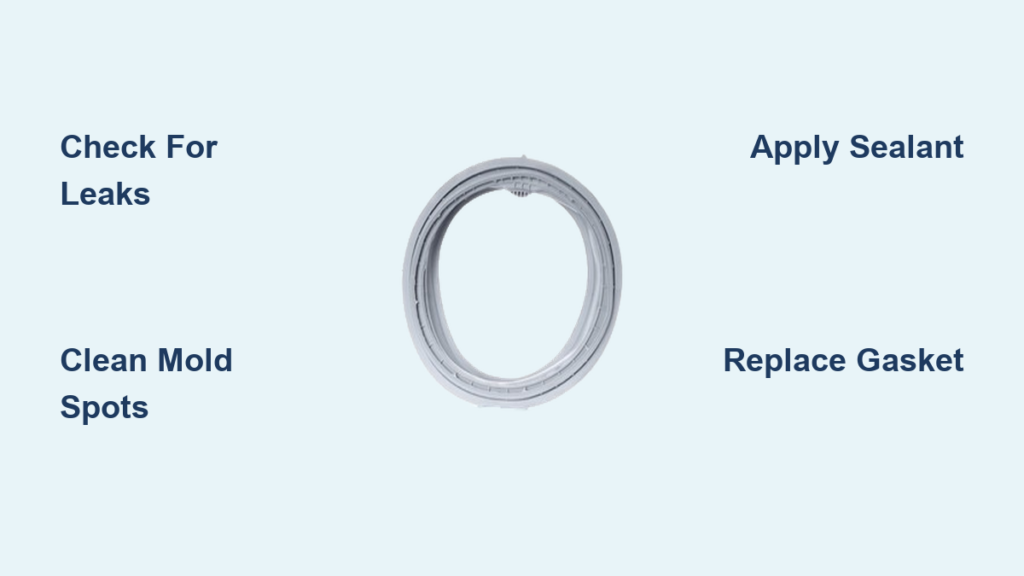
If your Cabrio washing machine won’t start, won’t spin, or shows error codes like F6 E2, you’re not alone. Whirlpool Cabrio models are known for reliable performance, but over time, moisture damage, motor failures, and drainage issues can halt operation. The good news? Most problems stem from just a few common failure points, and many repairs can be done at home with basic tools.
This guide gives you a clear, step-by-step approach to diagnosing and fixing your Cabrio washer. From retrieving hidden error codes to replacing a cracked stator or cleaning a degraded control panel, you’ll learn how to restore full function without paying for unnecessary service calls. You’ll also discover preventive steps that extend your washer’s life beyond 11 to 15 years.
Let’s dive into the most effective diagnostic and repair strategies for the Whirlpool Cabrio washing machine.
Enter Diagnostic Mode to Retrieve Error Codes

Before tearing anything apart, retrieve your machine’s internal error codes. The Cabrio’s built-in diagnostics reveal exactly what’s wrong, often pointing to a fix you can complete in minutes.
Activate Diagnostic Mode on Your Cabrio
To access diagnostic mode, your washer must be in standby mode, meaning plugged in with the display off or only the “Clothes Clean” indicator lit. Press any single button except Power, Start, or Stop three times in a row. All lights should flash, then display 88 before cycling through stored error codes.
If this method doesn’t work, try the press-hold-release sequence. Select one button, press and hold for three seconds, release for three seconds, and repeat this cycle two more times.
Common Error Codes and What They Mean
Write down every code that appears during diagnostics. The most critical codes include F6 E2, which indicates interface failure from moisture damage, and F5 E3, which points to lid lock malfunction. Codes F50, F51, and F52 signal motor or electronics failures, often accompanied by a burning smell. The code oL means overload, requiring you to remove laundry and redistribute the load.
Exit Diagnostic Mode Safely
Press the Cancel/Pause button twice to exit. Alternatively, unplug the washer for 10 minutes to fully reset the control board. Wait 30 seconds after plugging back in before testing operation.
Fix F6 E2: Control Panel Not Responding

The F6 E2 error is the number one reason Cabrio washers stop responding. This code means the interface, your control panel, has failed due to moisture damage, not a dead motor or power issue.
Remove the Interface Panel
Unplug the washer and pull it away from the wall. Remove three rear screws using a quarter-inch hex driver. Open the lid by pulling forward, lifting slightly, and pushing back to release the safety hooks. Tape the lid to the top to prevent damage during repair.
Use a flat-bladed screwdriver to pop the spring clips on both sides of the interface. The right side offers easy access. The left side requires firm pressure due to tight clearance. Lower the interface, then remove eight screws securing the rear metal plate. Roll the interface forward to expose the control board and wiring.
Clean Electrical Contacts Thoroughly
Even if the board looks fine, hidden corrosion from steam and detergent kills conductivity. Remove four to five small screws to open the interface cover. Lift the cover to expose internal contacts. Clean all copper traces, pins, and pads with isopropyl alcohol and Q-tips. Remove any white residue, oxidation, or grime you find.
Pro Tip: On similar Maytag Bravos XL models, technicians often find scorch marks, evidence of long-term moisture-induced overheating. Clean thoroughly even if visible damage isn’t apparent.
Apply Conformal Coating to Prevent Recurrence
This step is the key to long-term reliability. Unplug the washer. Dip the included brush into conformal coating, available online for $10 to $15. Apply a thick, even coat over all exposed copper traces on the control board. Avoid capacitors, resistors, and labeled components. Let dry for 15 minutes before reassembly.
The coating creates a waterproof barrier that blocks steam, critical in humid laundry rooms. Reapply every 2 to 3 years for best results.
Reassemble and Test All Functions
Reconnect the interface to the control board. Snap the panel back into place and reinstall all eight screws. Close and secure the lid. Plug in and wait 30 seconds for power-up. Test all buttons and start a cycle. If the washer works, the repair is complete. If not, the interface may need full replacement.
Repair No-Spin Issue: Replace Cracked Stator
If your Cabrio washes fine but won’t spin, the culprit is likely a cracked stator, a known flaw in all Cabrio models. This fix solves 80 to 90 percent of spin failures.
Diagnose Spin Failure Correctly
Watch for these symptoms. The wash cycle completes, but the drum doesn’t spin. Error codes like F50, F51, or F52 may appear. A burning smell may accompany the failure. Confirm the stator is the issue before beginning disassembly.
Lay Washer on Back and Access Motor
Turn off power and water. Disconnect hoses. Carefully lay the washer on its back, protecting the control panel with a towel. The large circular part you see is the rotor. Place the washer on a soft surface to prevent damaging your flooring.
Remove Rotor and Inspect Stator
Locate the central bolt in the middle of the rotor. Use a T40 hex key or driver to loosen it. The bolt is magnetic and may resist removal. Remove the bolt completely and set it aside.
Look at the stator, the stationary part behind the rotor, for cracks, especially on the sides. Use needle-nose pliers to disconnect the RPM sensor harness. Remove four 5/16-inch bolts securing the stator. Lift off the stator assembly, including the metal plate.
Transfer RPM Sensor to New Stator
The sensor is not sold separately, so you must move it from the old stator. Align the arrows on the sensor and new stator precisely. Release the two clips holding the sensor. Slide it onto the new stator and re-clip firmly.
Install New Stator and Rotor
Reconnect the RPM sensor and motor wires. Position the plastic housing so the wire harness passes through cleanly. Bring the rotor close to the stator. The magnetic force will pull it into place automatically. Reinstall and tighten the central T40 bolt fully.
Test Spin Cycle Operation
Return the washer to upright position. Reconnect hoses and power. Run a spin-only cycle. If the drum spins normally, the repair succeeded. If not, check the RPM sensor, control board, or drum bearings.
Fix Drain Issues: Unclog Pump and Hose

Water on the floor or slow draining? Your Cabrio’s drainage system is blocked or misconfigured.
Clean the Pump Filter Every Six Months
Place towels and a bucket under the front of the washer. Remove the bottom front panel, which may use screws or clips. Unscrew the filter cap slowly, expecting water to drain. Pull out the filter and remove lint, coins, or debris. Reinstall the filter and panel securely.
Clear the Drain Line
Disconnect the drain hose from the back of the washer, keeping a bucket nearby to catch water. Use a long brush or plumber’s snake to clear obstructions. Reconnect securely and check for kinks that could restrict flow.
Verify Pump and Hose Height Requirements
If the washer still won’t drain, the water pump may be dead. Replace it if cleaning fails. Ensure the drain hose does not rise above 90 inches, or 7.5 feet, from the floor. Too high creates no gravity drain.
Stop Leaks and Fix Strange Noises
Water on the floor or loud banging? Diagnose fast with these steps.
Identify Common Leak Sources
If water appears during the drain cycle, check the pump filter seal and internal hose connections. For front-load models, inspect the door gasket for tears or mold. Clean with vinegar and water solution. Over-sudsing from using too much detergent or non-HE soap causes overflow. Switch to HE detergent and reduce用量. Machine wobbling? Level the washer using the adjustable feet.
Diagnose and Fix Loud Noises
Banging during spin usually means an unbalanced load. Rearrange clothes evenly in the drum. Grinding or rumbling could indicate worn drum bearings, a major repair best left to professionals. Water valve noise often stems from mineral buildup in the inlet valve. Remove and inspect the valve. Replace if clogged.
Solve Lid Lock Failures
Lid locks then unlocks? Won’t start? Try these steps.
Clean Lock Contacts with Alcohol
Wipe the lid strike and lock area with isopropyl alcohol. Dry thoroughly. Close and test. Dirt or moisture disrupts the sensor and causes intermittent locking problems.
Run Diagnostic Test for Lid Issues
Enter diagnostic mode and look for F5 E3 or other lid-related codes. Perform a power cycle reset by unplugging for 10 minutes. If the problem persists, the lid lock assembly likely needs replacement.
Prevent Burning Smells and Component Damage

A burning plastic or rubber smell means stop immediately and investigate.
Inspect Drive Belt for Damage
Open the back panel and inspect the drive belt for cracks, stretching, or discoloration. If damaged, replace immediately. A slipping belt causes friction and creates a fire risk.
Check Electronics If Belt Is Fine
If the belt is intact, the smell may come from motor windings, the control board, or the transmission. Look for F50, F51, or F52 error codes. Do not operate the washer until these components are inspected or replaced.
Know When to DIY Versus Call a Professional
Save money by handling these repairs yourself. Cleaning the interface panel fixes F6 E2 errors. Replacing the stator resolves no-spin issues. Cleaning the pump filter and hoses takes minutes. Applying conformal coating prevents future moisture damage.
Call a professional for gas dryer issues due to fire risk. Drum bearing replacement requires full disassembly. Main control board failure after cleaning may need expert diagnosis. Extensive water damage warrants professional assessment.
Choose Whirlpool-certified technicians with verified reviews. Expect a diagnostic fee that often gets waived if you proceed with repair.
Maximize Lifespan: Maintenance Schedule
Keep your Cabrio running strong past 15 years with this maintenance schedule.
Every Two to Three Years
Apply conformal coating to the control board. Inspect the stator for early cracks that could cause future spin failures.
Every Six Months
Clean the pump filter. Check hoses for wear or damage. Level the machine to prevent vibration and leaks.
Monthly
Run a cleaning cycle using washer cleaner or two cups of vinegar. Wipe the door gasket to prevent mold buildup.
Immediately When Needed
Address error codes as soon as they appear. Fix leaks or noises right away. Replace damaged belts before they fail completely.
Final Thoughts on Cabrio Washing Machine Repair
The Whirlpool Cabrio washing machine is built to last, but only with proper care. By mastering diagnostic mode, you can identify exactly what’s wrong instead of guessing. The F6 E2 control panel issue and the cracked stator are the two most common failures, and both are repairable at home with basic tools and minimal cost.
The key to long-term reliability is preventive maintenance. Apply conformal coating to the control board every few years, clean the pump filter regularly, and address any error codes immediately. With these habits, your Cabrio can outlive its 11 to 15 year average and keep delivering clean loads for years to come.
Frequently Asked Questions About Cabrio Washing Machine Repair
What does F6 E2 mean on a Cabrio washer?
F6 E2 indicates an interface failure, meaning your control panel has stopped responding due to moisture damage. This is the most common error on Cabrio washers and is often fixable by cleaning the electrical contacts and applying conformal coating.
Why won’t my Cabrio washing machine spin?
A no-spin issue is usually caused by a cracked stator. The stator generates the magnetic field needed to spin the rotor. When it cracks, torque is lost and the drum won’t spin. Replacing the stator fixes this in 80 to 90 percent of cases.
How do I enter diagnostic mode on a Whirlpool Cabrio?
Press any button except Power, Start, or Stop three times in a row while the machine is in standby mode. The display will show 88, then cycle through error codes. Alternatively, press and hold one button for three seconds, release for three seconds, and repeat two more times.
Can I repair my Cabrio washer myself?
Yes, many common issues are DIY-friendly. Cleaning the interface panel, replacing the stator, and cleaning the pump filter are all manageable with basic tools. However, gas dryer repairs, drum bearing replacement, and complex electrical issues should be left to professionals.
How long do Whirlpool Cabrio washers last?
With proper maintenance, a Whirlpool Cabrio washing machine can last 11 to 15 years or longer. Regular cleaning, prompt error code resolution, and preventive maintenance like conformal coating can significantly extend its lifespan.
What causes a burning smell from my washing machine?
A burning smell usually indicates a damaged drive belt, which may be cracked, stretched, or slipping. It can also signal motor or control board problems. Stop using the machine immediately and inspect for damage before operating again.