Washing a mop head in the washing machine isn’t just convenient, it’s essential for effective cleaning. A dirty mop spreads bacteria and grime across your floors instead of removing it. Over time, moisture and soil create a biofilm that regular rinsing cannot eliminate. Machine washing deep-cleans detachable mop heads, especially those made of microfiber or cotton.
This guide shows you step-by-step how to machine wash mop heads based on material type, plus drying best practices and replacement timelines. Whether you use an O-Cedar, a microfiber flat mop, or a traditional cotton string mop, you’ll learn how to clean it safely without damaging fibers or voiding warranties.
Check Mop Head Material First
Not all mop heads are machine-washable. The cleaning method depends entirely on the material. Washing the wrong type can ruin the mop or create a hygiene hazard.
Identify Your Mop Type
The main types include:
- Microfiber: Soft, synthetic, highly absorbent. Common in flat mops.
- Cotton/String: Durable, lint-producing, often used in traditional mops.
- Sponge: Dense foam, absorbs large spills but retains bacteria if not cleaned properly.
- Non-Detachable: Built into the mop handle. Cannot be removed for washing.
Washable Status by Material
- ✅ Microfiber: Yes, with restrictions
- ✅ Cotton: Yes, hot water safe
- ❌ Sponge: No, hand-soak only
- ❌ Non-Detachable: No, spot clean only
Why Material Matters
Microfiber relies on electrostatic properties to trap dust and bacteria. Harsh chemicals like bleach or fabric softener destroy its effectiveness. Cotton is tougher and can handle bleach for disinfection, but high heat may cause shrinkage. Sponge mops degrade in the washer and must be cleaned manually to avoid disintegration.
Remove Mop Head Safely
Before washing, detach the mop head from the handle. This prevents damage to both the machine and the mop mechanism.
O-Cedar and Spin Mop Removal
Follow these steps:
- Flip the mop so the head faces upward.
- Locate the red frame or release tab.
- Firmly grasp the mop strands and pull upward to unclip.
- For spin mops: Press the foot pedal to release to keep hands clean.
General Detachment Tips
- Check for clips, screws, or Velcro fasteners.
- Never force removal. Inspect for hidden latches first.
- If it doesn’t detach, it’s not machine washable. Use the hand-soak method instead.
Visual Cue: A secure fit will “click” when reattached. If it wobbles or slips, the mechanism may be damaged.
Rinse Before Machine Washing
Skipping pre-rinse leads to dirty wash water and poor cleaning results. Rinsing removes loose debris so detergent can target embedded grime.
How to Pre-Rinse Properly
- Hold the mop head under warm running water.
- Squeeze and swish fibers to flush out dirt.
- Continue until water runs clear, about 1 to 2 minutes.
Pro Tip: Do this outside or in a utility sink to avoid clogging bathroom drains with hair and grit.
Why It Matters: A pre-rinse prevents soil from redepositing on other laundry and improves detergent efficiency.
Wash Microfiber Mop Heads Correctly
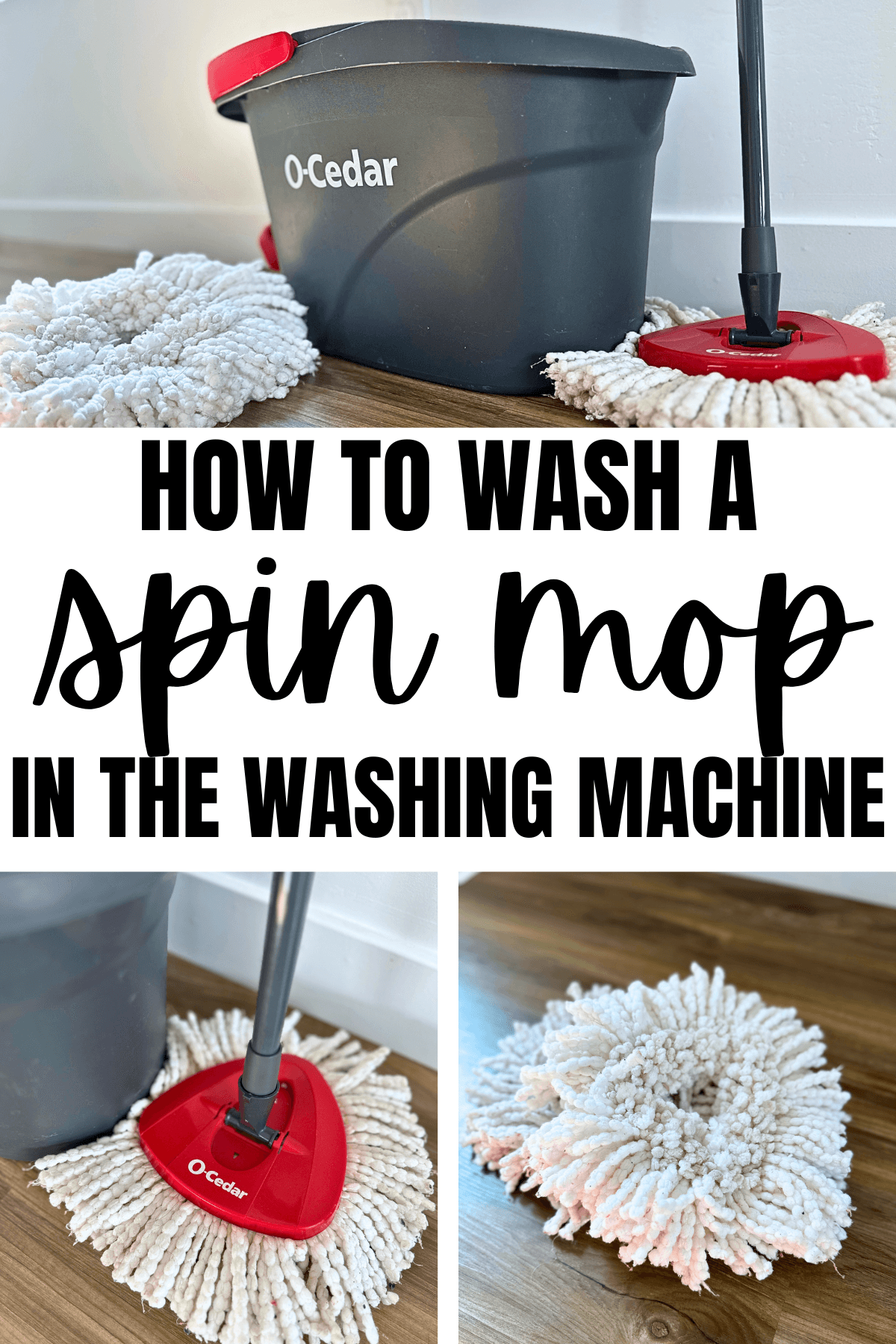
Microfiber is effective but delicate. Improper washing reduces absorbency and shortens lifespan.
Use Mild Detergent Only
- Add 1 cap of mild liquid detergent.
- Avoid heavy-duty or powdered detergents. They leave residue.
- Never use fabric softener or bleach. They coat and break down fibers.
Select Cold or Warm Water
- Maximum temperature: 86°F (30°C) for O-Cedar and many brands.
- Use gentle cycle with slow agitation.
- Some tolerate warm water up to 104°F (40°C), but cold is safest.
Load With Care
- Place in a mesh laundry bag to prevent tangling.
- Wash separately or with other lint-free synthetics.
- Never wash with towels. They shed lint that sticks to microfiber.
Expert Note: Some users add 1 to 2 lint-free towels to “fluff” microfiber during the cycle, but only if towels are new or designated lint-free.
Clean Cotton Mop Heads Thoroughly
Cotton is durable and handles heavy soil well. It can be cleaned more aggressively than synthetic mops.
Use Hot Water and Heavy-Duty Detergent
- Set washer to hot water cycle.
- Choose normal or heavy-duty agitation.
- Use a full dose of heavy-duty laundry detergent to cut grease and grime.
Disinfect With Bleach (Cotton Only)
- Add ½ cup bleach to the wash cycle.
- Kills bacteria and removes stains.
- Never use bleach on microfiber or sponge. It destroys fibers.
Wash With Rags or Towels
- Cotton mops can be washed with other durable cleaning cloths.
- Avoid delicate fabrics that may snag.
Time Estimate: Full cycle takes 45 to 60 minutes.
Skip the Dryer When Possible
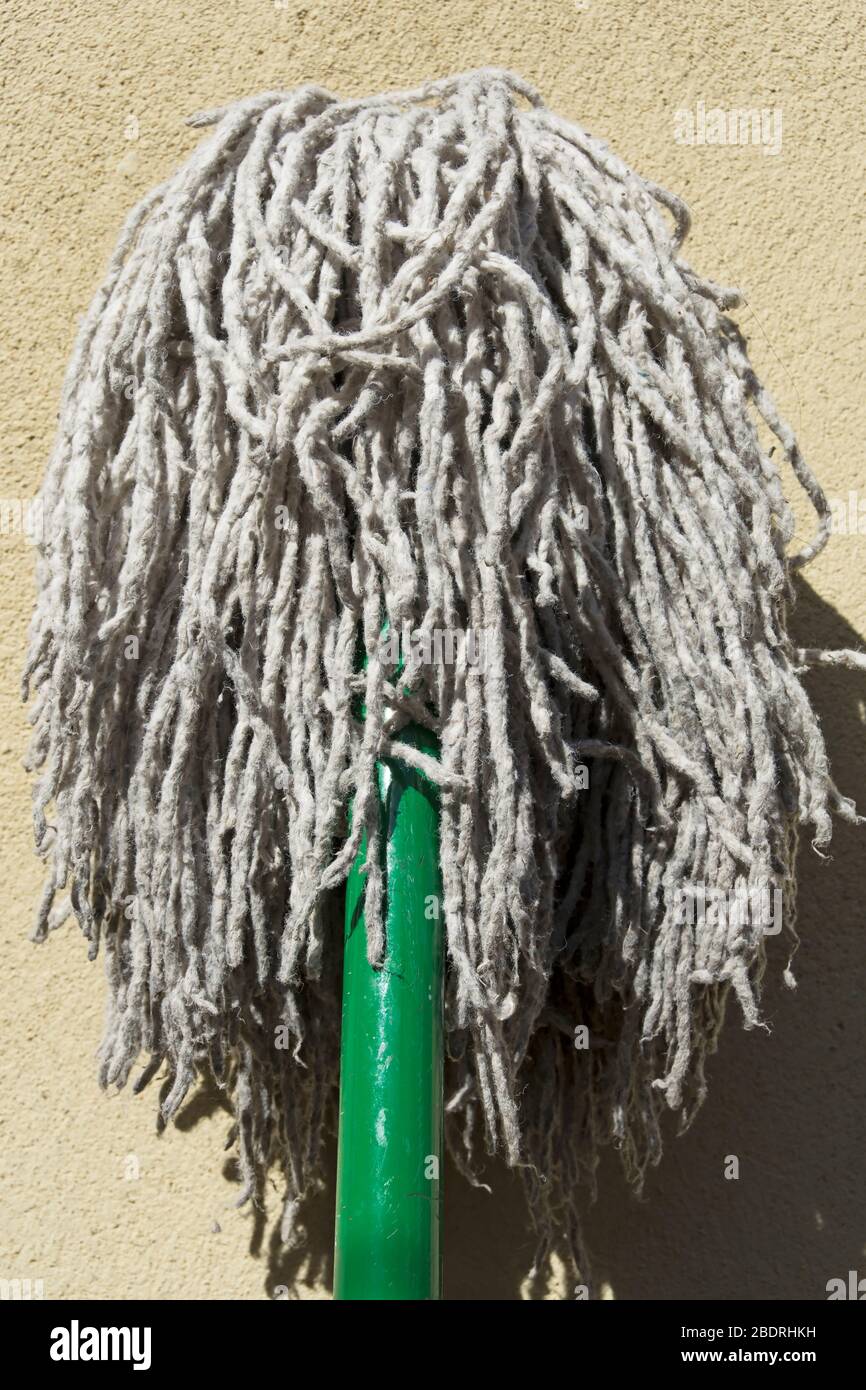
Heat damages most mop heads. Air drying preserves fiber integrity and prevents melting or shrinkage.
Air Dry Properly
- Hang mop head upside down or with fibers facing down.
- Place in a well-ventilated area or in direct sunlight.
- Sunlight acts as a natural disinfectant.
Drying Time: 4 to 12 hours, depending on humidity.
Machine Drying (Use With Caution)
- Microfiber only: Use no-heat or air-dry setting.
- Never use high heat. It melts synthetic fibers.
- Cotton: May tolerate low heat, but air drying is preferred.
Warning: Do not lay flat on the floor. Trapped moisture breeds mold.
Never Use Fabric Softener
Fabric softener and dryer sheets ruin mop performance, especially microfiber.
Why Softener Is Harmful
- Coats fibers with a waxy layer.
- Reduces absorbency by up to 80%.
- Diminishes electrostatic cleaning power.
Myth Busting: “It makes it softer” is not worth losing cleaning ability.
Alternative: Use white vinegar in rinse cycle (¼ cup) to soften water and remove residue, but only if detergent is safe.
Hand-Soak Non-Washable Mops
Sponge and non-detachable mops must be cleaned manually.
Prepare Disinfecting Soak
Choose one solution:
- Bleach: ½ cup bleach plus 1 gallon hot water (for cotton only)
- Vinegar: 1 cup white vinegar plus 1 gallon water
- Hydrogen Peroxide: 8 ounces plus 1 gallon water
- Dish Soap: Few drops in warm water (for sponge)
Soak for 30 Minutes
- Fill bucket halfway with hot water.
- Submerge mop head completely.
- Add solution and stir.
- Soak exactly 30 minutes. Longer increases recontamination risk.
Agitate: Swish mop every 10 minutes to loosen grime.
Rinse and Dry
- Wring out dirty solution.
- Refill bucket with clean water.
- Rinse until water runs clear.
- Wring and hang to dry. Never store damp.
Follow a Cleaning Schedule
Regular maintenance prevents odors and extends mop life.
Cleaning Frequency Guide
| Task | How Often | Notes |
|---|---|---|
| Rinse mop head | After every use | Prevents odor and buildup |
| Machine wash | Weekly (microfiber), bi-weekly (cotton) | Or when visibly soiled |
| Disinfect (soak) | Every 3 to 4 uses | Use bleach or vinegar |
| Deep clean | Monthly | Full soak with disinfectant |
Pro Tip: Use mop cleaning tablets in your bucket during mopping to reduce grime accumulation.
Know When to Replace the Mop Head
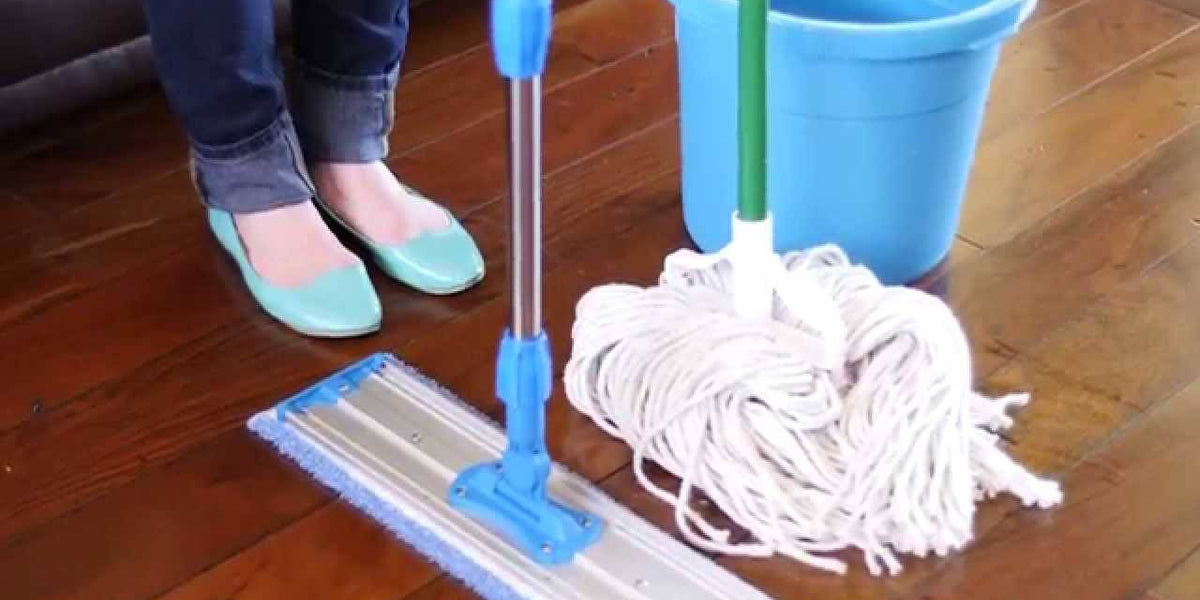
Even with proper care, mop heads wear out. Using an old one spreads more germs than it removes.
Replacement Timelines
- Microfiber: 200 to 500+ washes (about 6 to 12 months)
- Cotton: 15 to 50 washes (about 3 to 6 months)
- Sponge: Every 2 to 6 months
General Rule: Replace every 2 to 3 months with regular use.
Signs It’s Time to Replace
- Persistent odor after washing
- Frayed, thinning, or shedding fibers
- Stains that won’t come out
- Loose or broken attachment
- Poor cleaning performance
Expert Note: If the mop leaves streaks or feels slick, fibers are likely clogged or damaged.
Prevent Cross-Contamination
Using the same mop head in different rooms spreads bacteria like E. coli and salmonella.
Use Separate Mop Heads
- Bathroom: Dedicated head (high bacteria)
- Kitchen: Separate head (food safety)
- Living areas: Third head or shared with kitchen
Tip: Color-code mop heads for easy identification.
Change heads when moving between high-risk areas.
O-Cedar Specific Washing Tips

O-Cedar mop heads are designed for easy removal and machine washing, but with strict limits.
Wash at 86°F (30°C) Max
- Higher temperatures can warp or melt fibers.
- Use cold or cool water only.
- No fabric softener. It voids warranty on some models.
Reattach With a Click
- Align head with red frame.
- Press down firmly until it clicks.
- Test by tugging. It should not come loose.
Storage: Store upright in a dry area, never in a bucket.
Avoid Common Washing Mistakes
Even small errors reduce cleaning power and shorten mop life.
Top 5 Mistakes to Avoid
- Using fabric softener. It ruins absorbency.
- Washing with towels. Leaves lint on microfiber.
- Overloading the machine. Causes poor agitation.
- Skipping pre-rinse. Clogs washer with grime.
- High-heat drying. Melts microfiber.
Pro Tip: Run an empty hot cycle with vinegar monthly to clean your washing machine. It prevents odor transfer to mops.
Maintain Bucket and Handle
A clean mop head is useless if the bucket or handle is dirty.
Clean the Bucket Weekly
- Empty and rinse after every use.
- Weekly: Scrub with bleach solution or vinegar.
- Let air dry upside down.
Warning: Standing water breeds slime and bacteria.
Wipe Down the Handle
- Use disinfectant wipe or damp cloth.
- Focus on grips and trigger areas.
- Prevents hand-to-handle germ transfer.
Final Drying and Storage
Proper storage prevents mold and keeps your mop ready for use.
Store Upright and Dry
- Hang on a hook or stand.
- Never leave on the floor or in a damp bucket.
- Ensure 100% dryness before storage.
UV Sanitizing Tip: Hang in sunlight for 1 to 2 hours to kill residual bacteria.
Frequently Asked Questions About Washing Mop Heads in a Washing Machine
Can all mop heads be washed in a washing machine?
No. Only detachable microfiber and cotton mop heads are machine washable. Sponge mops and non-detachable heads must be cleaned by hand using the soak method.
What temperature is safe for washing microfiber mop heads?
Use cold or warm water at 86°F (30°C) maximum. Higher temperatures can melt or damage the synthetic fibers. Some brands tolerate up to 104°F (40°C), but cold water is safest.
How often should I machine wash my mop head?
Machine wash microfiber weekly and cotton every two weeks, or whenever the mop appears visibly soiled. Rinse after every use to prevent buildup between deep washes.
Can I use bleach on my mop head?
You can use bleach on cotton mop heads for disinfection. Never use bleach on microfiber or sponge heads. Bleach destroys synthetic fibers and reduces cleaning effectiveness.
Why does my mop still smell after washing?
Persistent odor indicates the mop needs deeper cleaning or replacement. Try soaking in bleach (cotton) or vinegar solution for 30 minutes. If odor remains after thorough cleaning and drying, the mop head likely needs replacing.
Can I dry my mop head in the dryer?
Only microfiber on a no-heat or air-dry setting. Never use high heat. Cotton may tolerate low heat, but air drying is always preferred to prevent shrinkage and fiber damage.
Key Takeaways for Washing Mop Heads in the Washing Machine
Washing a mop head in the washing machine is a simple step that dramatically improves cleaning hygiene. Match your method to the material: rinse first, avoid fabric softener on all types, and air dry whenever possible. Microfiber requires gentle treatment with mild detergent and cold water, while cotton tolerates heavier-duty cleaning with bleach. Replace your mop head every 2 to 3 months or sooner if it shows signs of wear, odor, or reduced performance. Following these guidelines ensures your mop actually cleans instead of spreading germs across your floors.