You’ve sorted your laundry, found the right detergent, and loaded the machine. Now what? Knowing how to operate a washing machine properly can save time, protect your clothes, and extend the life of your appliance. This guide walks you through every step, from sorting and loading to cycle selection and maintenance, so you never have to guess again.
We’ll cover exactly how to use your washing machine safely and effectively, avoid common mistakes like overloading or using the wrong detergent, and keep it running smoothly for years. By the end, you’ll know how to choose the right cycle, prevent odors, and handle tricky situations like imbalance errors or stubborn stains.
Sort Laundry Before Loading
Proper sorting is the first and most important step in operating your washing machine effectively. Skipping this can lead to ruined clothes, poor cleaning, and even machine errors.
Separate Whites, Lights, and Darks
Always divide laundry into whites, lights, darks, and delicates. This prevents dye transfer, especially from new jeans or dark cottons. Wash new colored items alone the first time, and turn them inside out to reduce fading. If you’re unsure whether an item will bleed, do a quick test: dampen an inconspicuous area and blot with a white cloth.
Group by Weight and Fabric Type
Never mix heavy items like towels and jeans with lightweight fabrics such as lingerie or synthetics. Heavy fabrics need stronger agitation, which can damage delicate materials. Also, separate lint-shedding items like towels and corduroy from lint-attracting ones like microfiber and fleece to avoid pilling.
Check Care Labels First
Every garment has a care label with symbols indicating wash temperature, bleach use, and whether the item is dry-clean only. Modern machines have cycles like “Wool” or “Hand Wash” that match these labels. Use them to avoid shrinking or damaging sensitive fabrics.
Choose and Add the Right Detergent
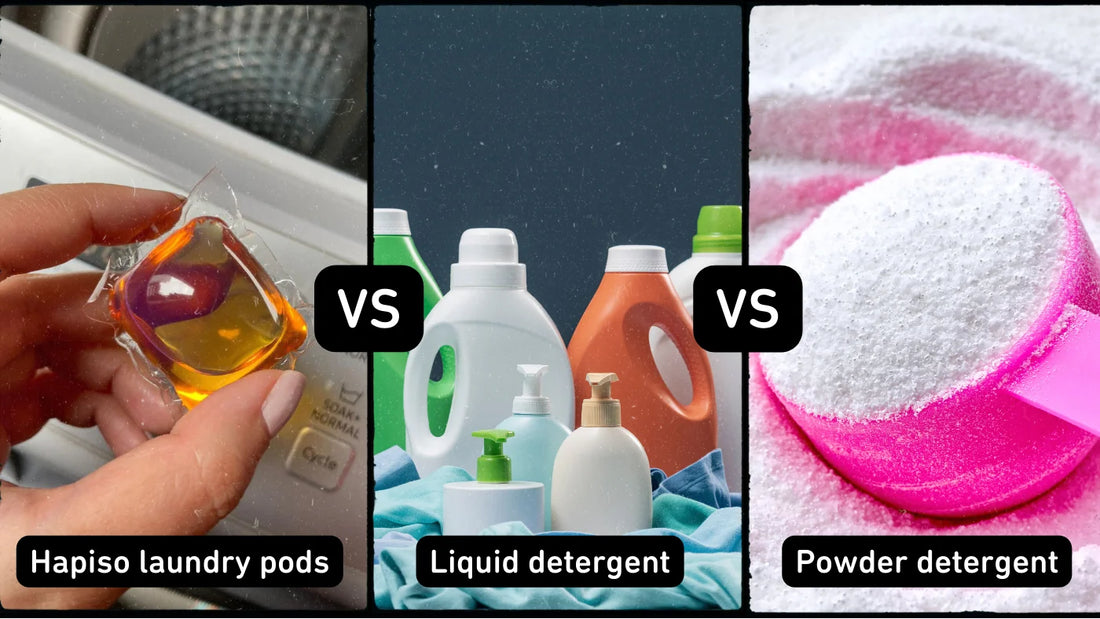
Using the wrong detergent or adding it incorrectly can leave residue, cause odors, or damage your machine. The type and amount matter, especially for high-efficiency (HE) models.
Use HE Detergent for Modern Machines
Front-loaders and most new top-loaders require high-efficiency (HE) detergent. It produces fewer suds, allowing the machine to clean with less water. Using regular detergent creates excess foam, which reduces cleaning power and may cause rinse issues or error codes.
Select the Best Detergent Type
- Liquid: Best for pre-treating stains. Dissolves quickly in all water temperatures.
- Powder: Works well in hard water and heavy-duty cleaning. Contains water softeners.
- Pods: Pre-measured and convenient, but must be placed in the drum, not the dispenser.
- Enzymatic formulas: Break down proteins and oils. Ideal for daily wear and gym clothes.
Add Detergent Based on Machine Type
For top-load machines with a dispenser, pour detergent into the “Detergent” compartment. Add bleach or softener only to their labeled slots. For top-loaders without a dispenser, add liquid or powder directly to the drum after water starts filling.
For front-load machines, use the main wash compartment marked “II” or “2” for detergent. The pre-wash compartment (“I”) is only for pre-wash cycles. Fabric softener goes in the slot with the flower symbol, filled to the max line but never overfilled.
Important: Always place pods, scent beads, and gel pouches in the drum first, before adding clothes. They won’t dissolve properly in cold cycles if stuck in dispenser drawers.
Load the Machine Correctly
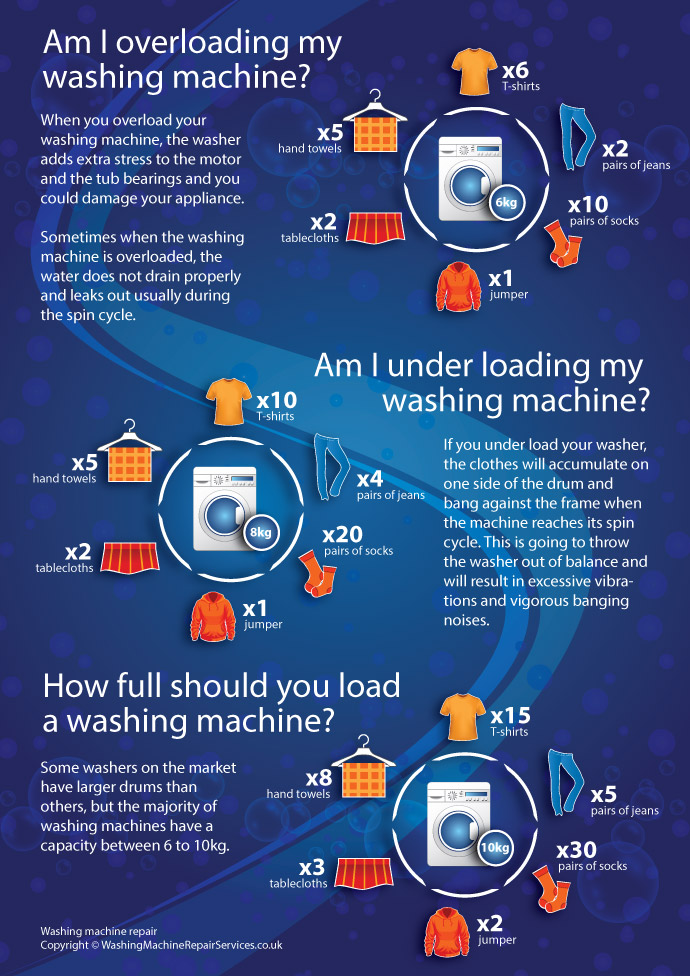
How you load the washer affects cleaning, spinning, and machine health. Overloading is one of the most common user errors.
Don’t Overfill the Drum
Fill the drum only two-thirds to three-quarters full. A good test: you should be able to fit your hand between the top of the load and the drum opening. Overloading restricts movement, reduces cleaning, and strains the motor.
Balance the Load Evenly
Distribute clothes loosely and evenly. Avoid piling all heavy items on one side. An unbalanced load can trigger an imbalance error, causing the machine to stop spinning or vibrate loudly.
Handle Small or Heavy Loads Carefully
A single heavy item like a rug or bath mat can cause severe imbalance. Add two to three towels to balance the load during spin. For very small loads, machines may not detect them properly, so add a few extra items if the cycle won’t start. Always check the door seal to ensure no fabric is caught in the gasket.
Select the Correct Wash Cycle and Settings

Choosing the right program ensures clean clothes without damage. Modern machines offer multiple options, so use them wisely.
Match the Cycle to Fabric Type
- Cotton/Normal: For towels, jeans, and bedding. Uses high agitation and spin.
- Delicates/Silk: Gentle tumbling with low spin. For lingerie, blouses, and lightweight synthetics.
- Wool: Cold water with slow spin. Only for machine-washable wool.
- Quick Wash (15–30 minutes): For lightly soiled, small loads. Not for heavily stained items.
- Spin Only: Removes water without washing. Great for hand-washed items.
- Drum Clean: High-heat cycle to clean the machine. Run monthly.
Set the Right Water Temperature
Cold (30°C) is best for most loads. It saves energy, prevents fading, and works with modern enzymatic detergents. Warm (40°C) is for moderately soiled clothes and sanitizing. Hot (60°C) is for towels, bedding, and germ removal, but avoid it for synthetics and dark colors.
Critical: Cold water prevents protein stains like blood from setting. Hot water “cooks” them into fabric, making removal impossible.
Use Eco and Smart Features
Eco cycles use less water and energy but take longer, sometimes up to 3.5 hours. They’re ideal for regular loads. AutoSense technology detects load size and soil level, adjusting water and time automatically. Wi-Fi control allows you to start or monitor cycles remotely via app.
Start and Monitor the Wash Cycle
Once loaded and set, starting the machine is simple, but pay attention to the process.
Close the Door or Lid Securely
Most machines won’t start unless the door or lid is locked. On older models, pull the timer knob to engage. Press “Start” and confirm the cycle begins.
Understand the Wash Phases
The wash cycle has six distinct phases. First, water fills to the correct level. Second, agitation or tumbling begins and detergent activates. Third, dirty water is pumped out during an initial spin. Fourth, clean water refills for rinsing and softener dispenses. Fifth, a final high-speed spin extracts moisture. Sixth, the machine stops and the door unlocks.
Handle Mid-Cycle Issues
If an imbalance error occurs, pause, redistribute clothes, and restart. Most machines allow you to add forgotten items during the first few minutes. Pause, open the door, add clothes, and restart. For leaking water, check hoses, door seal, and drain hose position.
Remove and Dry Clothes Immediately
What you do after the cycle ends matters just as much as the wash itself.
Take Out Clothes Right Away
Leaving wet laundry in the drum causes musty odors and mildew. Open the door after the cycle to air out the machine, and transfer clothes to a basket or dryer immediately.
Speed Up Drying with Extra Spin
For thick fabrics or air-drying, run an extra spin cycle. Select “Spin” and choose a high speed like 1200 to 1400 RPM. This removes more water, cutting drying time and energy use.
Choose the Best Drying Method
Tumble drying is fast, but high heat can shrink or damage fabrics. Line drying preserves fabric life and saves energy. Use line drying indoors in humid climates to avoid dampness.
Maintain Your Machine Monthly
A clean machine performs better and lasts longer. Build maintenance into your routine.
Run a Cleaning Cycle Monthly
Use a washing machine cleaner or citric acid-based product. Place it in the drum or dispenser, select the hottest cycle or “Tub Clean,” and run empty. This removes odor-causing residues, mold, and mineral buildup.
Clean the Detergent Drawer and Seal
Remove the detergent drawer monthly and rinse under water. Scrub out any sludge. After every wash, wipe the rubber door seal with a dry cloth to remove moisture and lint. Leave the door and drawer ajar when not in use to prevent mold.
Prevent Odors and Buildup
Use enzymatic detergents to break down body soils. Add a citric acid rinse (one-quarter cup) to dissolve mineral deposits. This is more effective than vinegar and won’t interfere with detergent. Avoid overusing fabric softener, which can coat the drum and reduce cleaning.
Troubleshoot Common Problems
Even with care, issues happen. Here’s how to fix the most frequent ones.
Machine Won’t Start
Check if the door or lid is fully closed. Confirm the power cord is plugged in. On older models, ensure the timer knob is pulled out.
Imbalance During Spin
Pause the cycle, redistribute clothes evenly, and add a few towels if the load is too small. Then restart.
Residue on Clothes
You’re likely using too much detergent. Switch to HE detergent if needed, and run a rinse cycle or clean the machine.
Leaking Water
Check hose connections at the back. Ensure the drain hose isn’t submerged in the standpipe. Inspect the door seal for tears or trapped debris.
Excessive Noise or Vibration
Make sure the machine is level and adjust the feet. Remove transit bolts if it’s a new installation. These are often left in by mistake and cause severe damage. Check for foreign objects in the drum or pump filter.
Handle Special Fabrics and Situations
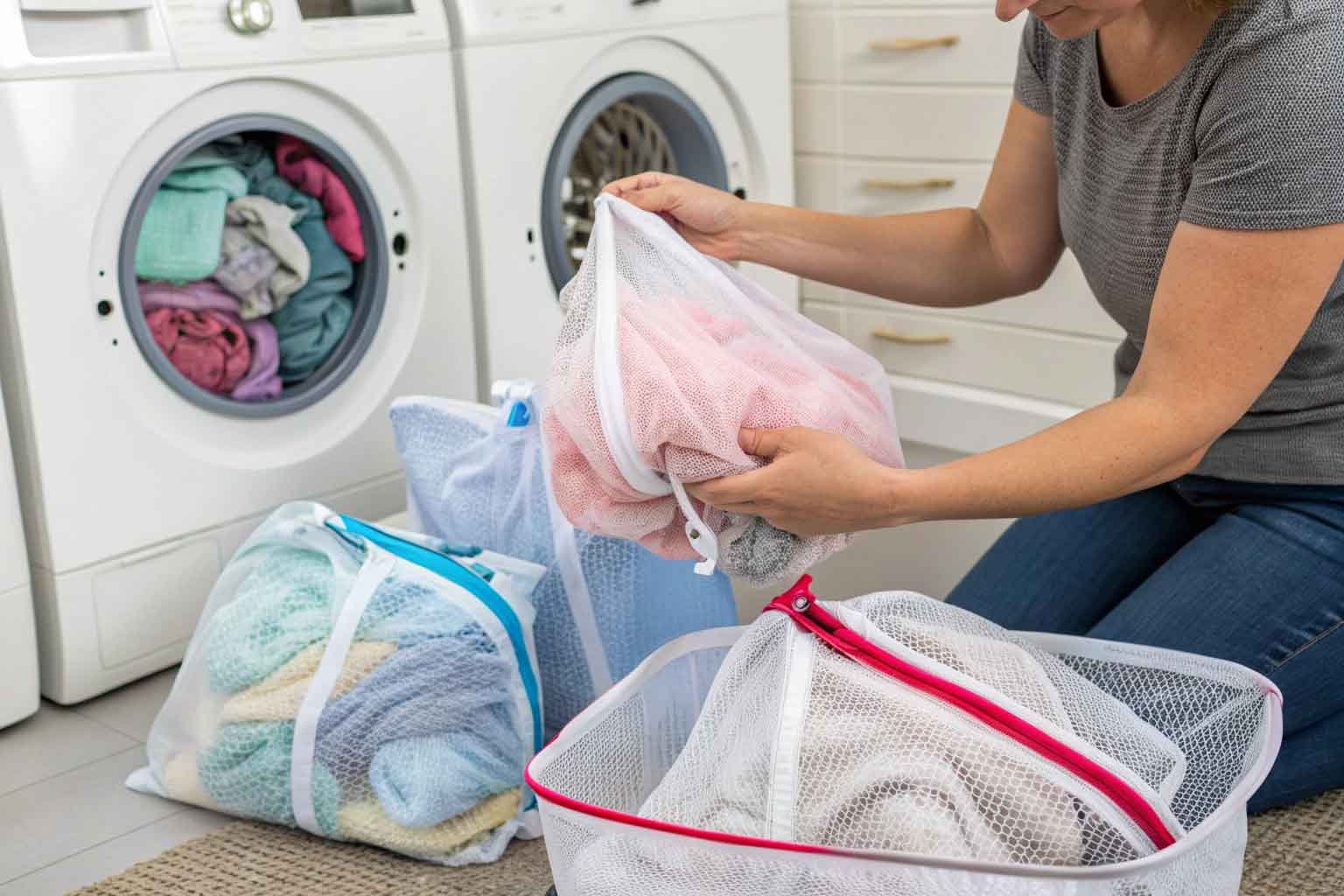
Tailor your wash routine to the clothes you’re cleaning.
Jeans and Denim
Wash inside out in cold water. Use mild detergent to prevent fading. Add fabric softener to reduce stiffness.
Towels
Use enzymatic detergent and citric acid rinse to maintain absorbency. Avoid fabric softener, which coats fibers and reduces water absorption over time.
Gym Clothes and Activewear
Synthetic fabrics trap oils and odors. Use enzymatic detergent and a rinse aid to strip buildup. Add scent beads for freshness.
Bedding and Duvets
Wash in cold water to protect fibers. Use a full dose of quality detergent and rinse aid. For duvets, use the “Duvet” or “Bulky” cycle if available.
Wool and Delicates
Only wash if labeled “machine washable.” Use the wool cycle, cold water, and gentle detergent. Never wring or tumble dry on high heat.
Sneakers
Only wash if made of fabric and not labeled “do not machine wash.” Use a delicate cycle, cold water, and place in a mesh bag to protect the drum.
Adjust for Sensitive Skin and Hard Water
If you or a family member has sensitive skin, eczema, or allergies, adjust your routine.
Use Dye- and Fragrance-Free Detergent
Choose products like Tide Free & Gentle or All Free & Clear. These are dermatologist-tested and safe for sensitive skin.
Rinse Twice for Extra Cleanliness
Use the “Extra Rinse” option if available, especially for baby clothes. This removes all detergent residue that can irritate skin.
Handle Hard Water Issues
If your water is hard, choose detergents with built-in water softeners. Add a citric acid-based rinse to dissolve mineral deposits and prevent buildup on clothes and inside the machine.
Key Takeaways for Operating Your Washing Machine
Operating a washing machine correctly isn’t complicated, but small mistakes can lead to big problems. By sorting properly, using the right detergent, loading correctly, and maintaining your machine monthly, you’ll get cleaner clothes, avoid breakdowns, and extend the life of both your laundry and your appliance.
The most critical steps are sorting by color and fabric, using HE detergent in the correct amount, never overloading the drum, and running a monthly cleaning cycle. Choose cold water for most loads to save energy and protect fabrics. When issues arise, check the basics first: door closure, load balance, and detergent usage.
Stick to these proven steps, and your washer will run smoothly for years.
Frequently Asked Questions About Operating a Washing Machine
What is the correct way to operate a washing machine for the first time?
Before first use, remove all transit bolts from the back of the machine. These bolts secure the drum during transport and must be removed to prevent severe damage. Level the machine using the adjustable feet. Run an empty hot cycle with a machine cleaner or citric acid to clean the drum before washing your first load.
How do I know which detergent to use for my washing machine?
Check if your machine requires high-efficiency (HE) detergent. Front-loaders and most modern top-loaders need HE detergent, which produces fewer suds. Using regular detergent in an HE machine causes excess foam, poor rinsing, and potential damage. Look for the HE symbol on the detergent packaging.
What temperature should I use to operate my washing machine?
Use cold water (30°C) for most loads to save energy and prevent fading. Use warm water (40°C) for moderately soiled clothes and sanitization. Use hot water (60°C) only for towels, bedding, and germ removal. Never use hot water for blood stains, as it sets the proteins permanently.
How full should I fill my washing machine?
Fill the drum only two-thirds to three-quarters full. A simple test: you should be able to fit your hand between the top of the laundry and the drum opening. Overloading reduces cleaning effectiveness, strains the motor, and can cause imbalance errors during spinning.
How often should I clean my washing machine?
Run a cleaning cycle monthly using a washing machine cleaner or citric acid-based product. Additionally, wipe the door seal after every use, clean the detergent drawer monthly, and leave the door ajar when not in use to prevent mold and odors.
Why does my washing machine smell bad?
Musty odors come from trapped residues, body soils, and hard water minerals. This happens most often in overstuffed loads or when the door stays closed. To prevent odors, use enzymatic detergents, add citric acid rinses, clean the machine monthly, and never leave wet clothes in the drum.