You pull out your freshly washed laundry, only to find brown, slimy splotches on your white towels and sheets. You didn’t use the wrong detergent. You didn’t mix colors. What you’re dealing with is scrud—a sticky, gunk-like buildup that forms inside washing machines over time. If you’re wondering how to get rid of scrud in washing machine, you’re not alone. This residue, made from detergent, fabric softener, soap scum, dirt, and mold, plagues front-loaders most—especially when cold water washes dominate your routine.
The good news? Scrud is removable and preventable. But standard cleaning tricks like vinegar-only rinses often fail against entrenched buildup. Real results come from combining high heat, powerful cleaning agents, and consistent habits. This guide reveals the most effective protocols to eliminate scrud and keep it from coming back.
Identify Scrud Buildup in Your Machine
Recognize Visual and Textural Clues
Scrud isn’t just dirt—it’s a specific type of residue with telltale signs. Look for brown or grayish slime clinging to the rubber door seal, especially in the folds. You might also spot splotchy stains on light-colored laundry after washing, even with clean clothes and fresh detergent. The texture is sticky or slimy, not gritty, and it clings stubbornly to both fabric and machine surfaces.
If your towels feel stiff, your whites look dingy, or you notice a musty odor, scrud is likely the culprit. These symptoms often worsen if you wash mostly in cold water or use fabric softener regularly.
Check Common Trouble Zones
Focus your inspection on these key areas:
• Rubber gasket and door seal: Pull back the folds and check for dark buildup.
• Detergent dispenser drawer: Remove it and inspect hidden compartments.
• Drum walls and crevices: Shine a flashlight inside the drum.
• Lint filter and drain pump: Some models have accessible filters where gunk collects.
Finding residue in these spots confirms scrud is present and needs immediate action.
Run a Hot Water Diagnostic Wash
Why Cold Water Causes Scrud
Washing exclusively in cold water is the top cause of scrud. Modern detergents—especially HE (High Efficiency) formulas—don’t fully dissolve in cold temperatures. This leaves behind undissolved chemicals that bind with oils, lint, and minerals, forming sticky residue. Over time, this accumulates into the gunk you see.
Even cleaning cycles fail if run in cold water. Heat is essential to break down and flush out built-up grime. Without it, you’re just moving the problem around.
Test Your Machine’s Heat Settings
Check your washer’s available cycles. Look for hot or heavy-duty options that reach at least 60°C (140°F), ideally 90°C (194°F). If your machine only runs cold or warm, it may not be capable of deep cleaning on its own—making manual intervention critical.
Run one hot cycle with no laundry to assess water temperature and cleaning power. If you see floating debris or a vinegar-like smell afterward, buildup was released.
Use Citric Acid to Remove Stubborn Scrud
Why Citric Acid Works Best
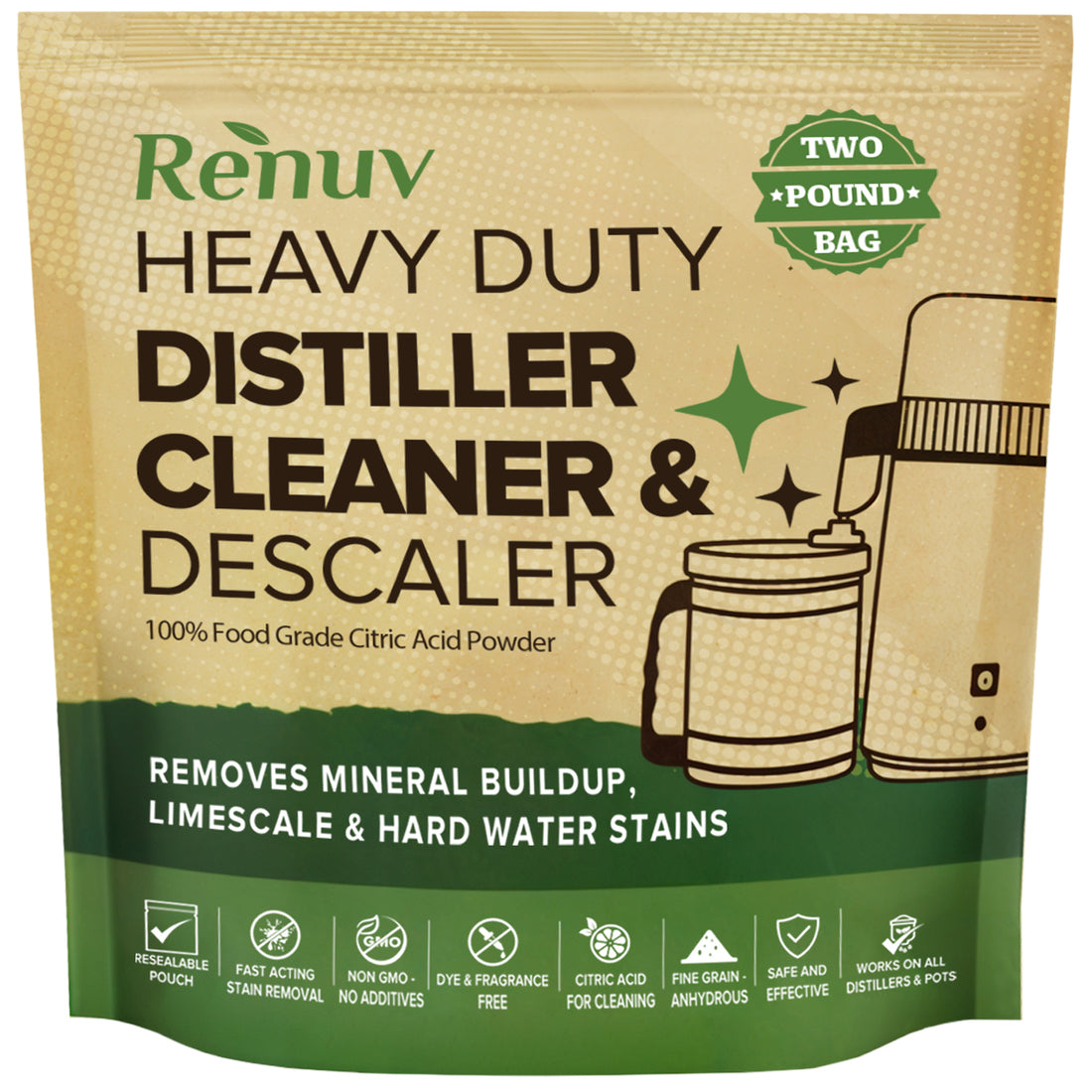
When vinegar and baking soda fall short, citric acid is the proven solution for tough scrud. Unlike vinegar, citric acid is a stronger descaler that effectively dissolves mineral deposits and organic residue without damaging rubber seals. It’s also less odorous and leaves a fresh scent.
Manufacturers like LG recommend citric acid for deep cleaning, and user reports confirm its superior effectiveness on long-standing buildup.
Apply the Citric Acid Protocol
You’ll need:
• 2 cans (75g each) of food-grade citric acid (approximately $6 total)
• Hot water cycle (longest and hottest setting)
Steps:
1. Pour both cans of citric acid directly into the drum.
2. Close the door and select the longest, hottest cycle available.
3. Let the cycle complete fully.
4. Immediately run a second hot cycle with no additives to rinse out loosened grime and residual acid.
Afterward, wipe the drum and gasket with a clean cloth. You’ll notice less slime, no odor, and cleaner test loads.
Try Dishwasher Tablets for Deep Cleaning

How Dishwasher Tablets Break Down Grime
Dishwasher tablets contain enzymes and surfactants designed to dissolve food, grease, and soap scum—exactly the components of scrud. When used in a washing machine, they deliver a powerful clean that rivals or exceeds commercial cleaners.
This method is manufacturer-endorsed (e.g., LG) and highly effective for users who don’t have citric acid on hand.
Follow the Dissolve-and-Pour Method
You’ll need:
• 2–3 dishwasher tablets
• A bucket of hot water
• Longest, hottest wash cycle
Steps:
1. Crush the tablets and dissolve them in a bucket of hot water.
2. Pour the solution directly into the drum.
3. Run the hottest, longest cycle.
4. Follow with a hot water rinse cycle to remove any suds or residue.
Never toss tablets directly into the drum—they may not dissolve fully and can damage components.
Clean with Vinegar and Baking Soda for Maintenance
Limitations of Vinegar Alone
While white vinegar is acidic and helps kill mold, it often fails to remove heavy scrud. Baking soda adds mild abrasion and deodorizing power, but the combo lacks the heat and chemical strength needed for deep cleaning. Still, it’s useful for light maintenance and odor control.
Use this method if scrud is mild or for monthly upkeep after stronger treatments.
Use the Split-Application Technique
You’ll need:
• ½ cup baking soda
• 1 liter (4 cups) white vinegar
• 90°C (194°F) or hottest cycle
Steps:
1. Pour ½ cup baking soda directly into the drum.
2. Add 1 liter of vinegar to the detergent drawer (not the drum).
3. Run the hottest, longest cycle.
4. Follow with a hot water rinse.
Separating the two allows vinegar to clean the dispensing system while baking soda scrubs the drum—maximizing coverage.
Manually Scrub the Gasket and Drawer
Clean the Door Seal Thoroughly
No cycle reaches deep into the rubber gasket folds. This hidden moisture trap is ground zero for scrud and mold.
Steps:
1. Mix equal parts water and white vinegar in a spray bottle.
2. Spray liberally into all folds of the rubber seal.
3. Use a microfiber cloth or old toothbrush to scrub away visible gunk.
4. Wipe dry with a clean towel.
Focus on the bottom of the seal, where water pools and grime accumulates.
Remove and Soak the Detergent Drawer
Detergent builds up in hidden compartments, leading to clogs and odors.
Steps:
1. Pull the drawer out (most models release with a button or gentle tug).
2. Soak in hot, soapy water for 10–15 minutes.
3. Use a toothbrush to scrub every crevice, especially the bleach and softener slots.
4. Rinse thoroughly and let air dry before reinserting.
This step is non-negotiable for complete scrud removal.
Prevent Scrud from Returning
:strip_icc()/GettyImages-1467840025-0466ccce86004299906563604e66e837.png)
Wash with Hot Water Regularly
To stop scrud before it starts, run at least one warm or hot load every 5 washes. Use old towels, bedding, or cleaning cloths—no need for special laundry.
Heat dissolves detergent, kills mold, and flushes residue. Skipping this step guarantees scrud will return, even after deep cleaning.
Leave the Door and Drawer Open
After every use:
• Leave the door ajar (2–3 inches).
• Keep the detergent drawer open.
This allows air to circulate, drying out moisture and preventing mold growth. It’s the simplest, most effective habit for long-term machine health.
Adopt a Maintenance Schedule
Monthly Cleaning Routine
Set a recurring reminder to:
1. Run a citric acid or commercial cleaner cycle.
2. Follow with a hot water rinse.
3. Wipe the gasket and drawer with a vinegar-dampened cloth.
This prevents buildup and keeps your machine fresh.
Every 30 Washes: Deep Clean
Every 10–12 weeks:
• Manually scrub the gasket and drawer.
• Run a hot cycle with dishwasher tablet or citric acid.
• Inspect the drain filter if accessible.
Consistency beats intensity—regular maintenance prevents the need for extreme fixes.
Adjust for Hard Water Problems
Install a Water Softener if Needed
In hard water areas, minerals react with soap to form soap scum, a core component of scrud. If you have hard water:
• Use less detergent (minerals reduce cleaning power).
• Consider a point-of-use or whole-house water softener.
Users in hard water zones report complete scrud elimination after softener installation—proving it’s a game-changer.
Verify Your Cleaning Results

Test with a White Load
After cleaning, wash a load of white towels or sheets with regular detergent (no softener). Check for:
• Brown splotches
• Slimy texture
• Musty smell
If none appear, the scrud is gone. If residue returns, repeat the citric acid treatment and reassess your water temperature and habits.
Stop Using Fabric Softener
If scrud is a recurring issue, stop using fabric softener completely. It coats fibers and machine parts, feeding scrud formation. Use wool dryer balls or vinegar in the rinse instead.
Key Takeaways for Eliminating Washing Machine Scrud
Getting rid of scrud in your washing machine isn’t just about one deep clean—it’s about changing habits. Citric acid, dishwasher tablets, and hot water cycles can eliminate existing buildup, but without regular hot washes, proper drying, and detergent control, scrud will return. The citric acid protocol delivers the most dramatic results for entrenched buildup, while dishwasher tablets offer an excellent alternative. Manual cleaning of the gasket and detergent drawer is non-negotiable for complete removal. To keep scrud gone for good, run at least one hot load every 5 washes, leave the door ajar after each use, and perform monthly maintenance cleaning. Follow this plan: clean aggressively, rinse thoroughly, and maintain consistently. Your machine will run cleaner, your clothes will feel fresher, and you’ll stop wasting time rewashing ruined laundry.
Frequently Asked Questions About Scrud in Washing Machines
What exactly is scrud in a washing machine?
Scrud is a slimy, sticky brown or gray residue that builds up inside washing machines, particularly front-loaders. It’s formed from a combination of detergent residue, fabric softener, soap scum, dirt, and mold. This gunk clings to the rubber gasket, detergent drawer, and drum surfaces, then transfers to your laundry.
Why does scrud keep coming back after cleaning?
Scrud returns when the root causes aren’t addressed. The most common reasons are washing exclusively in cold water, using too much detergent, using fabric softener, and leaving the door closed after use. Without changing these habits, scrud will reform within weeks even after a thorough deep clean.
Is citric acid safe for all washing machine types?
Yes, citric acid is safe for most washing machine types including front-loaders, top-loaders, and HE machines. It won’t damage rubber seals or internal components. However, always check your manufacturer’s recommendations, as some specific models may have unique guidelines.
How often should I deep clean my washing machine to prevent scrud?
You should perform a deep clean with citric acid, dishwasher tablets, or a commercial cleaner once a month. Additionally, run at least one hot water load every 5 washes, and manually scrub the gasket and detergent drawer every 30 washes (roughly every 10–12 weeks).
Can I use vinegar alone to remove scrud?
Vinegar alone can help with mild odor and surface mold, but it typically fails to remove established scrud buildup. The combination of vinegar and baking soda provides better results, but for stubborn scrud, citric acid or dishwasher tablets are significantly more effective.