Finding black spots or a musty smell every time you open your washing machine? You’re not alone. Mold in washing machine rubber seals is a common problem, especially in front-load models, where moisture, detergent residue, and warmth create the perfect breeding ground. This hidden mold doesn’t just stink; it can transfer to your clothes, trigger allergies, and even damage your machine over time. The good news: with the right tools and technique, you can remove it completely and prevent it from coming back. This guide walks you through a step-by-step deep cleaning process, backed by real-world effectiveness and safety-tested methods, so your washer stays fresh, clean, and mold-free.
Prepare for Deep Cleaning
Before applying any solution, proper preparation ensures maximum effectiveness and safety.
Wear Protective Gear
Always wear rubber gloves when cleaning mold. Mold spores and cleaning agents like bleach can irritate your skin and respiratory system. If using bleach, work in a well-ventilated room and consider wearing safety goggles to protect your eyes from splashes.
Gather Your Tools
Have everything ready before starting:
- Disposable paper towels
- Soft-bristled toothbrush (or electric toothbrush)
- Pipe cleaners
- Microfiber cloths (two: one damp, one dry)
- Spray bottle
- White vinegar, dish soap, and optionally bleach or gel mold remover
Empty and Wipe the Drum
Remove any clothes or items from the washer. Use a damp paper towel to wipe away loose debris, lint, and hair from the rubber gasket. This first pass removes surface grime so your cleaning solution can penetrate deeper. Discard the towel immediately to avoid spreading mold.
Apply Cleaning Solution

The right solution breaks down mold and residue without damaging rubber.
Mix Vinegar and Dish Soap
Create a powerful yet safe cleaner: mix one cup white vinegar, one cup warm water, and one teaspoon of dish soap (like Blue Dawn) in a spray bottle. The vinegar kills mildew, while the soap cuts through greasy residue from detergent and fabric softener.
Pro Tip: Avoid full-strength vinegar. It can degrade rubber over time. Always dilute.
Spray the Entire Gasket
Open the washer door fully and spray the solution generously over the entire rubber seal. Focus on folds, crevices, and the inner lip where the door meets the drum. Pull back the folds gently to ensure full coverage.
Let It Sit 15 to 30 Minutes
Allow the solution to dwell for at least 15 minutes (up to 30 for heavy buildup). This gives it time to penetrate and loosen mold colonies embedded in the rubber. Do not let it dry completely.
Scrub Every Fold and Crevice
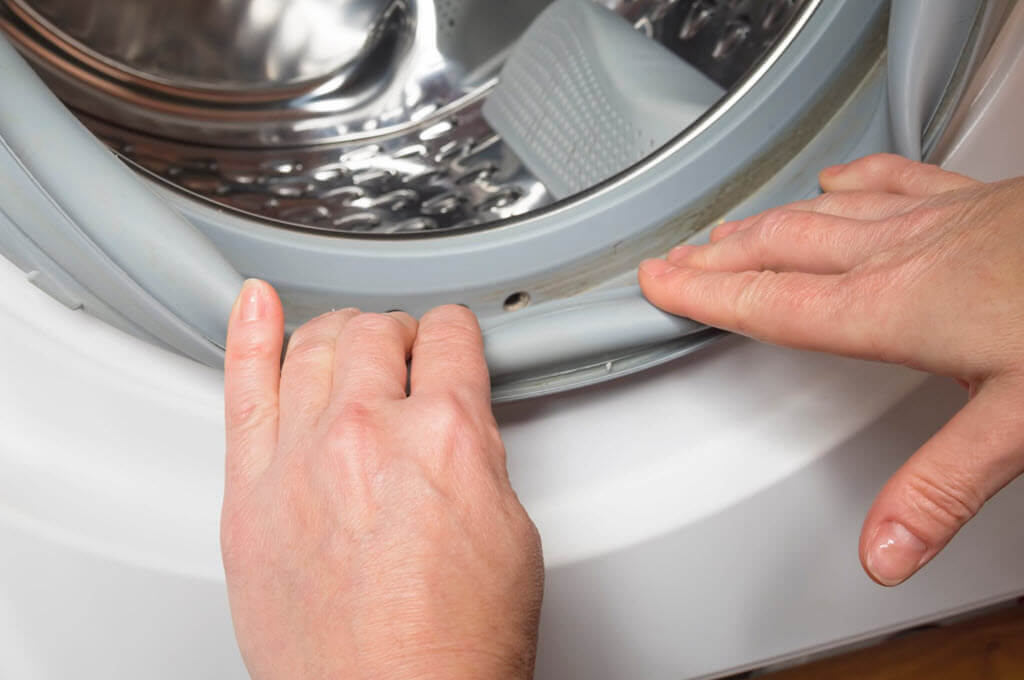
Mechanical action removes what soaking cannot.
Use a Soft-Bristled Toothbrush
Take a soft-bristled toothbrush and scrub the entire gasket. Work in small circular motions, especially in the deep folds. These areas trap the most moisture and mold.
Expert Note: An electric toothbrush delivers faster, more consistent scrubbing with less effort. Ideal for textured or deeply grooved seals.
Expose Hidden Areas
Gently stretch the rubber to expose hidden seams and the backside of folds. Mold loves these dark, damp zones. Scrub thoroughly, checking for any remaining black spots or slimy texture.
Clear the Drain Holes

Clogged drains trap water and cause immediate mold regrowth.
Locate Drain Holes
At the bottom of the gasket (6 o’clock position), find the tiny drain holes. These allow water to escape after cycles. If blocked, water pools and breeds mold.
Unclog with Pipe Cleaners
Insert a pipe cleaner into each hole. Push and twist gently to clear out lint, hair, and gunk. Repeat until the cleaner moves freely and water can drain.
Test It: Pour a little water into the bottom fold. If it drains quickly, the holes are clear. If it pools, keep clearing.
Treat Persistent Black Stains
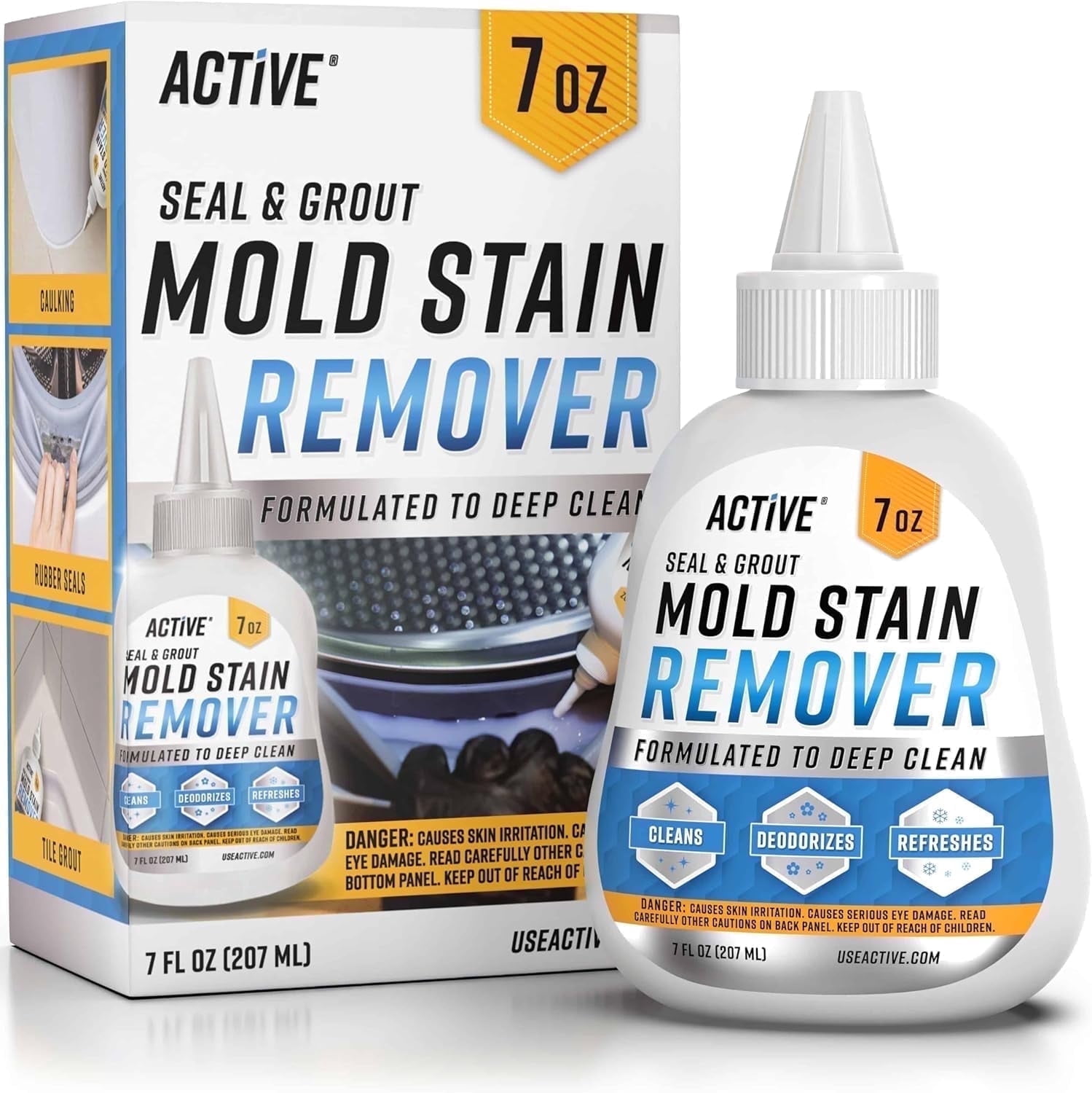
Surface mold is easy to remove. Deep stains need targeted treatment.
Apply Gel Mold Remover
For stubborn black marks, use a thick gel cleaner (like Clorox Mold Foamer or Sugary). Gels cling to vertical surfaces and penetrate deep into rubber pores.
- Apply a thick layer directly to stained areas.
- Let sit overnight (24 hours).
- Wipe clean with a damp cloth.
Note: Discoloration may remain if the rubber is stained, but the mold organism is dead.
Or Use Diluted Bleach (Short-Term)
For heavy infestations, use bleach carefully:
- Mix three-quarters cup bleach with one gallon of warm water.
- Dip a cloth in the solution and wipe the seal.
- Let sit 5 minutes max. Longer damages rubber.
- Scrub gently, then rinse thoroughly.
Critical: Never mix bleach and vinegar. Toxic chlorine gas forms. Rinse completely between uses.
Rinse and Dry Completely
Moisture left behind means mold returns fast.
Wipe Away Residue
Use a clean, damp microfiber cloth to wipe the entire gasket from top to bottom. Remove all traces of cleaning solution to prevent residue buildup.
Dry with a Two-Towel System
- Towel 1: Wipe away surface moisture.
- Towel 2: Use a completely dry towel to buff the rubber until no dampness remains.
Leave Door Ajar
After cleaning, leave the washer door slightly open. This allows air to circulate and prevents humidity buildup. Use a door stopper or magnet to keep it open effortlessly.
Run a Sanitizing Cycle
Clean the internal drum and hoses to kill lingering spores.
Use Bleach or Vinegar
Choose one:
- Bleach Cycle: Add one cup bleach to the drum. Run a hot water cycle (140°F/60°C or higher).
- Vinegar Cycle: Add one cup white vinegar to a hot cycle to deodorize and remove soap scum.
Warning: Never run bleach and vinegar in the same cycle. Use them separately with a rinse in between.
Or Use a Cleaning Tablet
Drop in a washing machine cleaner tablet and run a hot cycle. These are convenient and effective for monthly maintenance.
Prevent Mold From Returning
Stop mold before it starts with simple daily habits.
Wipe After Every Wash
Take 10 seconds: after each load, wipe the gasket and drum with a dry cloth. Removing moisture stops mold at the source.
Keep Door Open
Always leave the door ajar when not in use. This single habit prevents 90% of mold issues.
Use HE Detergent and Less Softener
- Use High-Efficiency (HE) detergent in the correct amount.
- Avoid excess fabric softener. It leaves a waxy film that traps moisture.
- Try white vinegar in the rinse cycle as a natural softener alternative.
Monthly Maintenance Routine
Stay ahead of mold with a simple monthly plan.
Deep Clean the Gasket
Repeat the full vinegar-soap scrub once a month or every 30 cycles, even if you do not see mold.
Clean the Detergent Drawer
Remove the drawer, soak in hot soapy water, scrub with an old toothbrush, and dry before reinserting. This drawer is a mold hotspot.
Run a Cleaning Cycle
Once a month, run a hot cycle with vinegar, bleach, or a cleaning tablet to sanitize internal components.
When to Replace the Gasket
Sometimes cleaning is not enough.
Signs It Is Time to Replace
- Cracks, tears, or loss of elasticity in the rubber
- Deep black staining that will not lift, even after gel treatment
- Persistent musty smell despite regular cleaning
Replacement Tips
Gasket replacement requires special tools (like spring clamp pliers). It is best done by a professional technician to ensure a watertight seal. Using undiluted bleach or harsh chemicals may void your warranty if damage occurs.
Frequently Asked Questions About Mold in Washing Machine Rubber
Why does mold keep coming back after cleaning?
Mold returns most often because the drain holes at the bottom of the gasket are clogged, or the door stays closed between uses. Water pools in the gasket, creating the perfect environment for mold to regrow. Clear the drain holes with pipe cleaners and always leave the door slightly open.
Can I use full-strength vinegar to remove mold?
No. Full-strength vinegar can degrade rubber over time, causing cracking and premature wear. Always dilute vinegar with equal parts water (one-to-one ratio) for safe, effective cleaning that will not damage the seal.
How long does it take to remove deep mold stains?
Deep black stains that have penetrated the rubber may require 24 hours of treatment with a gel-based mold remover. Apply the gel, let it sit overnight, then wipe clean. Some discoloration may remain permanently if the rubber itself is stained, but the mold organism will be killed.
Is bleach safe for washing machine rubber?
Diluted bleach is safe for occasional heavy-duty cleaning, but full-strength bleach damages rubber. Use three-quarters cup bleach mixed with one gallon of warm water, and never let it sit on the rubber for more than 5 minutes. Always rinse thoroughly after using bleach.
How often should I deep clean my washing machine gasket?
Perform a full deep clean (vinegar-soap scrub with toothbrush) once a month or every 30 cycles. This prevents mold buildup and keeps the gasket in good condition. Combine this with a monthly sanitizing hot cycle using vinegar, bleach, or a cleaning tablet.
Why do front-load washers get more mold than top-loaders?
Front-load washers have a rubber gasket that creates a watertight seal, and this seal has folds that trap water, lint, and residue. The horizontal drum position and airtight door seal create a dark, moist environment perfect for mold growth. Top-loaders have less trapped moisture and better airflow.
Key Takeaways for Getting Mold Out of Washing Machine Rubber
Mold in your washing machine rubber seal is fixable and preventable. The process starts with preparing the right tools: a soft-bristled toothbrush, pipe cleaners, white vinegar, dish soap, and optionally a gel mold remover for stubborn stains. Always dilute your cleaning solutions, never mix bleach and vinegar, and allow proper dwell time (15 to 30 minutes for vinegar solutions, 24 hours for gels) for maximum effectiveness. The most critical steps are clearing the drain holes at the bottom of the gasket and ensuring the rubber is completely dry before closing the door. Once the mold is removed, prevention is simple: wipe the gasket after every wash, leave the door slightly ajar, use HE detergent in the correct amount, and perform a monthly deep clean. With consistency, your washer stays fresh, your laundry comes out clean, and you eliminate mold for good.