If your GE washing machine leaves clothes smelling musty or feels less effective, the problem is likely a dirty basket. Over time, detergent residue, fabric softener, grease, and moisture build up inside the drum, agitator base, and internal seals. This creates the perfect environment for mold, mildew, and bacteria, leading to foul odors and reduced cleaning performance. The good news is that with the right method, you can fully clean your GE washing machine basket in under an hour. Whether your model has a dedicated Basket Clean cycle or not, this guide covers every step to restore freshness, prevent clogs, and extend your machine life.
GE Appliances recommends cleaning the basket once a month to maintain hygiene and performance. For low-use machines, every 4 to 6 weeks is sufficient. Top-load agitator models need an annual mechanical deep clean to remove sludge that fabric softener leaves behind. This guide walks you through all cleaning methods so you can choose the best approach for your specific model.
Run the Basket Clean Cycle on Compatible Models

If your GE top-load washer has a Basket Clean cycle, use it monthly for optimal hygiene. This automated cycle runs for approximately 47 minutes, using high-temperature water and intense agitation to remove buildup from the drum, seal, and internal components.
Starting the Basket Clean Cycle
Remove all clothes, towels, or objects from the basket first. Pour 1 cup or 250 ml of liquid bleach, white vinegar, or a commercial cleaner directly into the basket. Never mix bleach and vinegar together, as this creates toxic fumes. Close the lid, select the Basket Clean cycle, and press Start. Do not open the lid or pause the cycle. Interruptions are allowed, but a full cycle must complete before laundry use.
Eliminating Post-Cycle Bleach Odors
A bleach smell after cleaning is normal. To eliminate it, run a second Basket Clean cycle with no additives. Alternatively, run a normal hot cycle with one-half cup of vinegar added.
Maximizing Cleaning Results
If your model supports Deep Fill, enable it for more water coverage. Use Deep Rinse to flush out residual cleaner and prevent future buildup.
Clean GE Washers Without a Dedicated Basket Clean Cycle
Many GE models, like the GE Profile PTW600BSR1WS, do not have a dedicated Basket Clean option. In this case, use the longest, hottest available cycle to achieve the same result.
Selecting the Right Alternative Cycle
Choose Bulky or Extra Large Load for GE Profile top-loaders. Heavy Duty or Sanitize cycles are ideal for deep cleaning. Hot water settings are essential to dissolve grease and activate cleaning agents.
Step-by-Step Cleaning Process
Empty the drum completely by removing all items. Add 1 cup or 250 ml of bleach or a commercial washer cleaner like Tide Washing Machine Cleaner to the basket. For a natural option, use 1 cup of vinegar. Select the hottest, longest cycle available and press Start. After the cycle completes, wipe the detergent dispenser and door gasket with a damp cloth. Leave the lid or door open to dry and prevent mildew.
Deep Clean Front-Load GE Washers
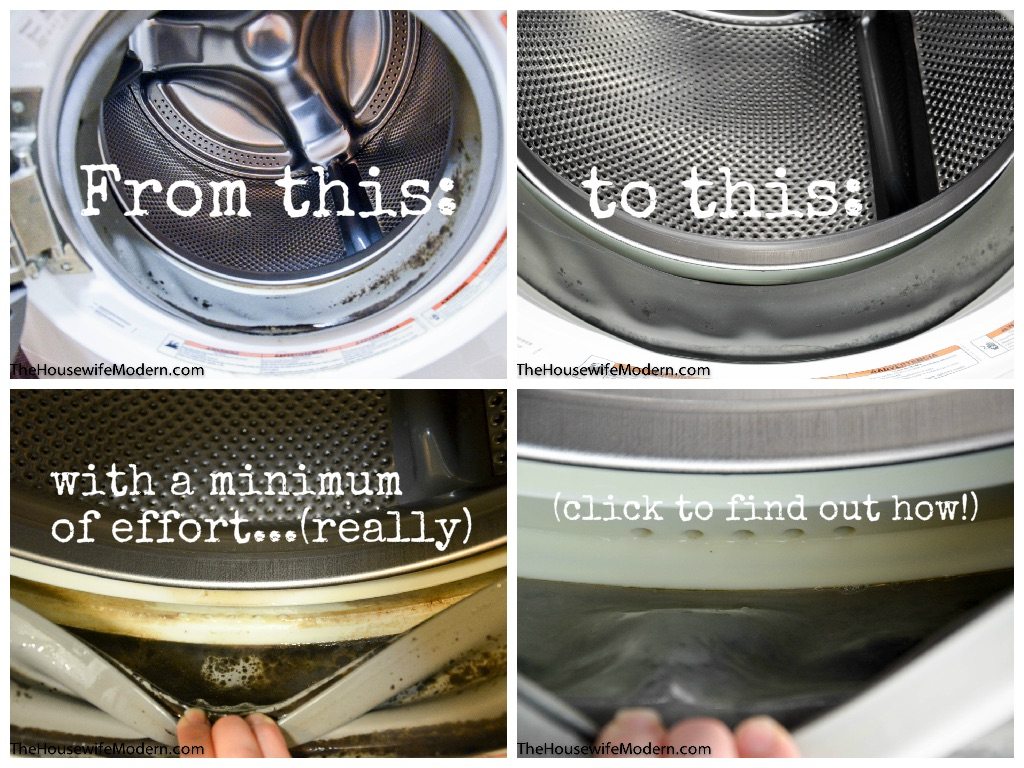
Front-load washers are prone to mold in the rubber door seal due to low water use and moisture retention. Use a two-agent method for a complete clean.
Cleaning the Drum and Dispenser
Empty the machine completely. Pour three-fourths to 1 cup of white vinegar into the bleach compartment. Add one-half cup of baking soda directly into the tub. Select the hottest, longest wash or cleaning cycle and start it. After the cycle finishes, pull back the rubber seal and wipe the inner folds with a cloth to remove trapped grime.
Preventing Future Mold and Mildew
Wipe the gasket weekly with a damp cloth. Leave the door open when the machine is not in use. Use high-efficiency detergent to reduce suds and residue buildup.
Perform Annual Agitator Deep Cleaning on Top-Load Models
For persistent odors in top-load GE washers, the issue is likely sludge buildup under the agitator. Fabric softener seeps into the hollow base, creating black, slimy residue that cycle cleaning cannot remove. A mechanical deep clean is required once per year.
Tools You Will Need
Gather an 11 mm socket, a 12-inch or longer socket extension, a ratchet or impact driver, a garden hose or pressure washer, a Scotch-Brite pad, and paper towels or a mini vacuum.
Removing and Cleaning the Agitator
Pull the agitator cap straight up. No tools are needed for this step. Use the 11 mm socket and extension to unscrew the center bolt in a counterclockwise direction. Gently wiggle and pull upward to lift the agitator. Do not force it, as plastic can crack. Flip the agitator over and examine the base. Use a garden hose with thumb-controlled pressure to blast out sludge. Scrub crevices with a Scotch-Brite pad to remove mold and residue. Wipe the transmission spines and surrounding area in the drum base.
Reassembling the Agitator Correctly
Center the agitator over the spines and push down firmly until you hear a thud or click. Insert the 11 mm bolt and screw it in slowly in a clockwise direction. Do not over-tighten, as this can crack plastic components. Snap the cap securely into place.
Running a Final Rinse Cycle
After reassembly, run a hot, large load cycle with 1 Affresh or ACTIVE tablet. Enable Deep Rinse if available. Wipe any dislodged debris from the drum edge with a paper towel or mini vacuum.
Choose the Right Cleaning Agent for Your Needs

The best cleaner depends on your goal: sanitizing, deodorizing, or removing limescale.
Using Liquid Bleach for Sanitizing
Liquid bleach is best for killing bacteria and mold. Use 1 cup for monthly cleaning or one-half cup for low-use maintenance. Apply directly into the basket for top-load machines or the bleach dispenser for front-load models. Never mix bleach with vinegar or ammonia.
Using White Vinegar for Deodorizing
White vinegar is best for neutralizing odors, removing limescale, and softening residue. Use 1 cup for standard cleaning or 4 cups for soaking methods. For soaking, add 4 cups to hot water, pause the cycle for 1 hour, then resume and complete the cycle.
Using Baking Soda for Odor Control
Baking soda provides mild abrasion and odor absorption. Use one-half to 1 cup. Sprinkle in the drum or mix with vinegar, adding each separately.
Using Commercial Cleaners for Maximum Effectiveness
Affresh tablets are used at 1 tablet per monthly clean or 2 tablets for an overnight soak. Place tablets in the drum, not the dispenser. ACTIVE tablets are enzyme-based, septic-safe, and HE-compatible. Drop 1 tablet directly into the drum and run the hottest cycle. Tide Washing Machine Cleaner comes in powder or liquid form. Glisten Washer Magic is available via GE Parts under Part number WX10X10208.
Solve Common Cleaning Problems
Persistent Musty Smells
If odors will not go away, the drain hose may be inserted too deeply into the standpipe, causing water to siphon back. Clip the hose to the side to prevent backflow. If the agitator has sludge, perform the mechanical agitator clean described above. Run a vinegar cycle or use Affresh for residual buildup.
Bleach Smell After Cleaning
Run a second empty hot cycle with one-half cup of vinegar to neutralize the smell.
Power Interruption During Basket Clean
If the Basket Clean cycle was interrupted, the machine resumes where it left off when power returns. You must complete a full cycle before washing clothes to ensure sanitation.
Debris on Drum Edge After Cleaning
This is normal. It is dislodged sludge. Wipe it away with a paper towel or mini vacuum.
Avoid These Common Mistakes
Using Downy pellets or dispensing pods in the drum can break down and clog the drain pump. Use liquid softener in the dispenser or dryer sheets instead. Never mix bleach and vinegar, as this creates toxic chlorine gas. Do not over-tighten the agitator bolt, as this can crack plastic. Always leave the lid open after use to dry the tub. Never place cleaning tablets in the dispenser; always drop them in the drum.
Maintain All Washer Components
A clean basket is not enough. You must maintain the whole machine.
Clean the Detergent Dispenser
Pull out the drawer weekly. Wipe it with a damp cloth. Soak in warm, soapy water if clogged.
Wipe the Door Gasket on Front-Load Machines
After each use, wipe visible moisture. Weekly, pull back the seal and clean the inner folds where moisture and grime accumulate.
Care for the Exterior
Wipe control panels with a dry or slightly damp cloth. Remove soap scum or limescale with a non-abrasive cleaner.
Follow the Recommended Cleaning Schedule
| Frequency | Task |
|---|---|
| Monthly | Run Basket Clean or alternative hot cycle with cleaner |
| Every 4 to 6 Weeks | Low-use machines: use one-half cup bleach or vinegar |
| Annually | Mechanical agitator clean on top-load models |
| As Needed | Wipe gasket, clean dispenser, address odors |
Key Takeaways for Keeping Your GE Washing Machine Basket Clean

A clean basket keeps clothes fresher, improves efficiency, and prevents costly repairs. Run a hot cleaning cycle monthly with the appropriate cleaning agents. Never skip the agitator clean if your top-load model has one, as this is where stubborn odors originate. Always leave the door or lid open after use to dry the tub and prevent mildew growth. Avoid fabric softener pods and never overuse detergent, as these create residue that leads to odors.
Check your model manual for specific cycle names and features. Buy a box of ACTIVE or Affresh tablets for hassle-free monthly cleaning. Set a calendar reminder to clean your washer every 30 days. With consistent maintenance, your GE washing machine will run like new for years.
Frequently Asked Questions About GE Washing Machine Basket Cleaning
How often should I clean my GE washing machine basket?
GE Appliances recommends cleaning the basket once a month for standard use. For low-use machines, every 4 to 6 weeks is sufficient.
What is the best cleaner for a GE washing machine basket?
Liquid bleach works best for sanitizing and killing bacteria. White vinegar is ideal for deodorizing and removing limescale. Commercial cleaners like Affresh or ACTIVE tablets are effective for monthly maintenance.
Can I use vinegar and bleach together to clean my GE washer?
No. Never mix bleach and vinegar together. This creates toxic chlorine gas that can cause serious health problems. Use only one agent per cleaning cycle.
How do I clean under the agitator on my GE top-load washer?
Remove the agitator cap by pulling straight up. Use an 11 mm socket to remove the center bolt. Lift the agitator out, then blast away sludge with a garden hose and scrub with a Scotch-Brite pad. Reassemble by pushing down until you hear a click.
Why does my GE washer still smell musty after cleaning?
Persistent odors usually indicate sludge buildup under the agitator that cycle cleaning cannot reach. The drain hose may also be inserted too deeply into the standpipe, causing water to siphon back. Perform the mechanical agitator clean and check the drain hose configuration.