You’ve spent a full day on the slopes, and your snow pants are caked with salt, sweat, and mud. Now what? Tossing them in the washing machine might seem like an easy fix, but doing it wrong can ruin their waterproofing, breathability, and warmth. Knowing how to wash snow pants in a washing machine the right way isn’t just about cleanliness; it’s about preserving performance. Most technical outerwear uses advanced fabrics like Gore-Tex, Durable Water Repellent coatings, and breathable membranes that degrade when exposed to harsh detergents, high heat, or improper drying.
This guide walks you through every step, from pre-wash prep to drying and re-waterproofing, so your gear stays protected season after season. You’ll learn exactly which settings, detergents, and techniques keep your pants performing at their best.
Check Care Label First
Confirm Fabric Type and Limits
Before doing anything, locate the care label inside your snow pants. This tag holds critical details about whether the pants are insulated (down or synthetic), have a 2- or 3-layer construction, or contain special membranes like Gore-Tex. Some models require specific wash settings or down-safe detergents. Ignoring these instructions risks shrinking, delamination, or permanent damage. If the label says “dry clean only,” respect it. Some high-end technical shells aren’t designed for home washing.
Empty and Secure All Closures
Zip Up and Fasten Before Washing
Prep your snow pants properly to avoid snags and zipper damage. Empty all pockets, especially for forgotten ski passes or chapstick that could melt during the wash cycle. Then zip all zippers: main fly, vents, and pockets. Fasten Velcro tabs to prevent them from catching on fabric. Close flaps and snaps, and loosen drawcords at the waist and hem so water can penetrate evenly. This ensures smooth tumbling and protects delicate components during agitation.
Turn Pants Inside Out
Flipping your snow pants inside out shields the outer DWR coating from friction and preserves logos, trims, and color. It also helps remove sweat and body oils trapped near the lining, where most odor and grime accumulate. This simple step boosts cleaning efficiency while reducing wear on the exterior shell.
Remove Debris and Pre-Treat Stains
Shake Off Loose Dirt First
Give your pants a vigorous shake outdoors to dislodge snow, mud, or pine needles. Skipping this step floods your washer with grit, which can scratch the drum and reduce cleaning effectiveness. Removing bulk debris lets detergent target oils and residues instead of being overwhelmed by dirt.
Spot Treat With Tech Wash
For visible stains like lift grease, tree sap, or sunscreen, apply a small amount of non-bleach liquid detergent or technical outerwear cleaner directly to the spot. Gently rub the fabric together with a soft cloth. Let it sit for 15 to 30 minutes before loading. Avoid regular stain removers or bleach, as they break down waterproof coatings. For stubborn stains, soak the area in lukewarm water mixed with tech wash for 30 minutes prior to washing.
Use the Right Detergent
Choose Liquid Tech Wash Only
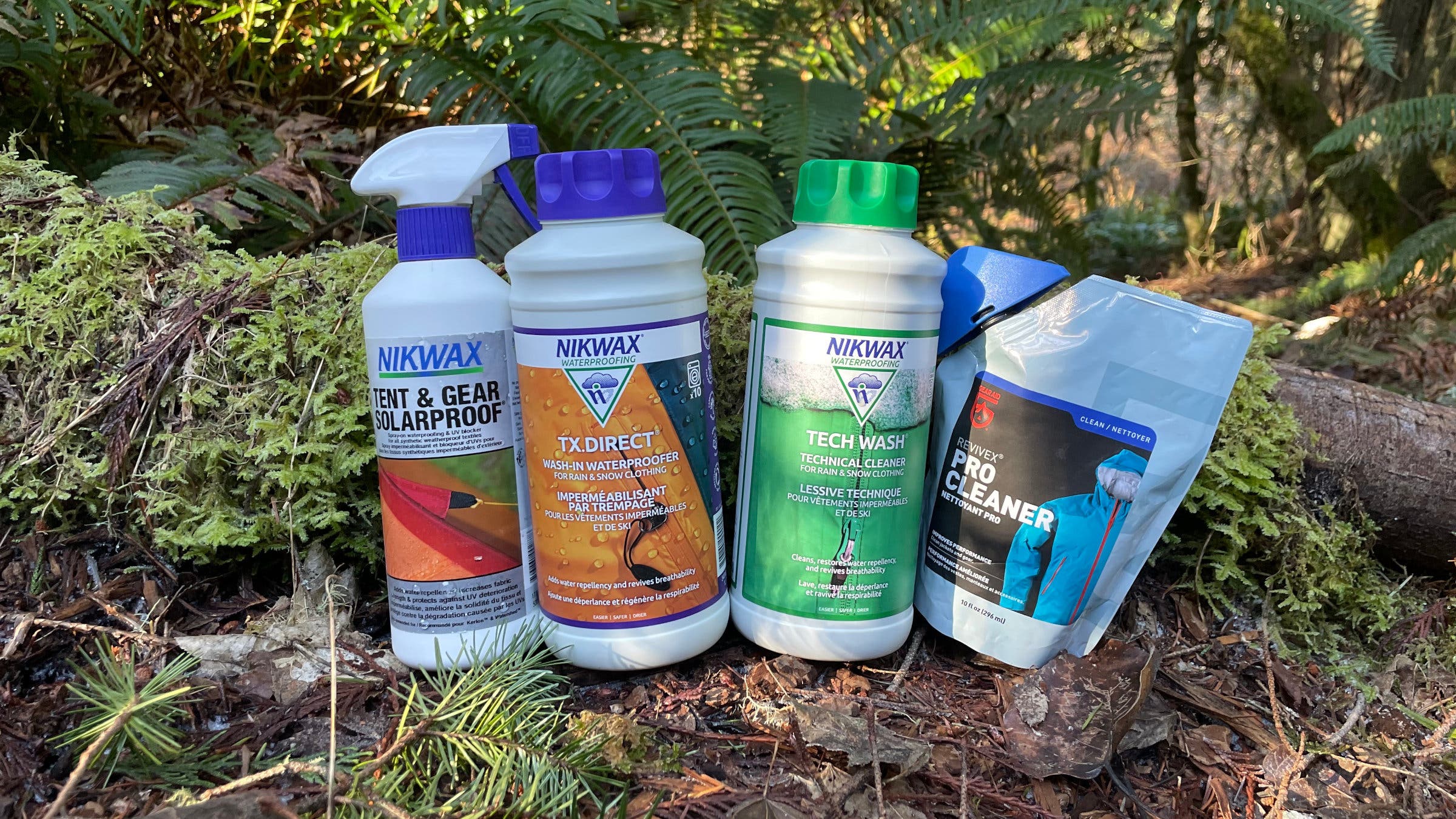
Never use regular laundry detergent, powder, or fabric softener. Powder leaves residue that clogs breathable pores, and softeners coat fibers and destroy DWR. Instead, use a specialized technical detergent like Nikwax Tech Wash or Grangers Performance Wash. These formulas clean without stripping water-repellent finishes. If unavailable, use a minimal amount of mild liquid household detergent, never powder.
Avoid Harmful Additives
Fabric softeners, bleach, and dryer sheets are strictly off-limits. They compromise breathability and waterproofing by coating or degrading the membrane. Even natural additives like vinegar can harm DWR over time. Stick to approved cleaners only.
Select Proper Washer Settings
Use Cold or Lukewarm Water
Set your machine to cold or lukewarm water at 30°C (86°F). Some Gore-Tex models tolerate up to 40°C (104°F), but always check the label first. Never use hot water, as it can melt adhesive layers in laminated fabrics and weaken waterproof membranes.
Pick Gentle Cycle and Low Spin
Choose Gentle, Delicate, or Synthetic cycle settings. These reduce agitation, protecting seams and coatings. Limit spin speed to 800 RPM max to prevent stress on zippers and insulation. High spin can also trap moisture in thick hems.
Run Extra Rinse Cycle
Residual detergent attracts dirt and kills breathability. Always run an extra rinse cycle to flush out every trace of soap. This is especially crucial for down-insulated pants, which hold onto moisture and suds.
Wash One Item at a Time
Avoid Mixed Loads
Never wash snow pants with towels, jeans, or cotton clothes. These materials create friction and lint transfer, damaging the DWR finish. Wash pants alone or with similar technical outerwear like a ski jacket. Overloading restricts movement and leads to poor cleaning and rinsing.
Dry Properly to Reactivate DWR
Tumble Dry on Low Heat
After washing, dry your snow pants in the dryer on low heat at max 60°C (140°F). High heat melts membranes and damages elastic cuffs. Add 2 to 4 clean tennis balls or wool dryer balls to fluff insulation and break up wet clumps. This is especially important for down-filled pants.
Extend Dry Time to Recharge Repellency
Once fully dry, tumble for another 20 minutes on low heat. This reactivates the DWR coating by re-aligning the fluorocarbon polymers on the fabric surface. Without this step, water will soak into the outer layer instead of beading up.
Air Dry as Backup Method
Lay Flat or Hang Indoors
If you don’t have a dryer, air dry your pants indoors on a rack or hanger. Keep them away from direct sunlight (UV damages fabric) and radiators (causes uneven drying). Turn occasionally for even airflow. This method takes longer, sometimes 24 or more hours.
Iron With Towel to Restore DWR
Air drying doesn’t reactivate DWR. Once dry, restore water repellency by ironing: set iron to Synthetic or low heat (max 110°C / 230°F), place a clean cotton towel between the iron and fabric, and gently press without sliding. Alternatively, a short 10 to 15 minute tumble on low heat works too.
Re-Waterproof When Needed
Test Beading After Cleaning
After washing and drying, test DWR performance by sprinkling water on the thigh. If droplets bead and roll off, you’re good. If the fabric darkens and absorbs water (wetting out), it’s time to re-proof.
Apply Wash-In or Spray-On DWR
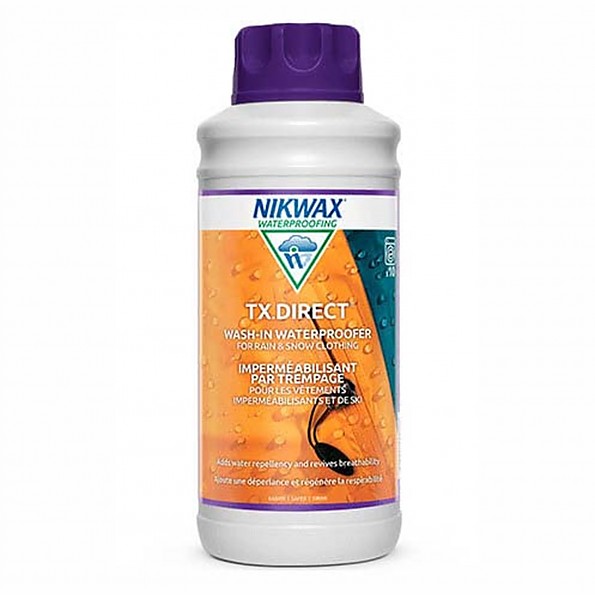
For shell-only or 3-layer pants, use a wash-in DWR treatment like Nikwax TX.Direct Wash-In. Add it during the rinse cycle. For insulated pants, use spray-on DWR. Hang the garment and apply evenly, wiping off excess. Spray-on avoids coating the insulation.
Heat Activate the New Coating
After applying DWR (wash-in or spray-on), tumble dry on low for 20 minutes to cure the treatment. This bonds the new repellent layer to the fabric. Skipping heat activation means the DWR won’t last.
Prevent Common Washing Mistakes
No Fabric Softener Ever
Using fabric softener is the number one mistake. It coats fibers, blocks breathability, and kills water repellency. Even residue from previous loads can harm performance. Run an empty wash cycle with tech wash if you suspect contamination.
Never Use High Heat
High dryer heat permanently damages waterproof membranes and sinters synthetic fibers. Always use low heat and monitor drying progress. If the pants feel warm to the touch, the heat is too high.
Do Not Store Damp or Folded Tight
Storing snow pants while damp invites mold and mildew. Always ensure they’re 100% dry before putting them away. Avoid tight folding. Store hanging or loosely folded to prevent crease damage to the waterproof coating.
Store Clean and Ready
End-of-Season Deep Care
Before storing for summer, wash and re-proof your snow pants. Dirt and oils degrade fabric over time. A clean, re-treated garment lasts longer and performs better next season.
Keep in Dry, Dark Place
Store in a cool, dry closet away from sunlight. UV rays break down dyes and weaken fibers. Avoid plastic bins that trap moisture. Use breathable cotton bags or leave them hanging.
Frequently Asked Questions About Washing Snow Pants
Can I wash snow pants with regular detergent?
No. Regular detergent contains additives that strip DWR coatings and clog breathable membranes. Use a specialized technical detergent like Nikwax Tech Wash or a minimal amount of mild liquid household detergent instead.
How often should I wash snow pants?
Wash every 5 to 6 days of active wear, or at least once per season before storage. Wash immediately after exposure to heavy mud, salt, tree sap, or significant spills.
Why do my snow pants feel damp after washing even when dry?
This is called wetting out. It happens when the DWR coating fails and the outer fabric absorbs water instead of beading it off. Reactivate DWR by tumble drying on low heat for an additional 20 minutes, or re-apply DWR treatment.
Can I use fabric softener on snow pants?
Never. Fabric softener coats fibers, destroys DWR, and kills breathability. Even residue from previous loads can harm performance. Avoid it entirely.
What temperature is safe for washing Gore-Tex snow pants?
Gore-Tex can typically withstand up to 40°C (104°F), but cold to lukewarm water at 30°C (86°F) is safest. Always check the care label first.
Key Takeaways for Washing Snow Pants in a Washing Machine

Properly washing snow pants in a washing machine preserves their waterproofing, breathability, and warmth. Use tech-specific detergent, cold or lukewarm water, and gentle cycles with low spin speeds. Always tumble dry on low heat and add an extra 20 minutes to reactivate the DWR coating. Never use fabric softener, bleach, or high heat, and test water beading after drying to determine if re-waterproofing is needed. With these steps, your snow pants will keep you dry and comfortable for many seasons to come.