If you’re wondering how to wash bamboo pillow in washing machine, the answer hinges on one crucial rule: only the removable cover should go in the machine. The inner foam filling—whether solid or shredded memory foam—must never be machine washed. Doing so can destroy its structure, cause clumping, or lead to mold from trapped moisture. Most bamboo pillows are designed with a two-part system: a breathable bamboo-derived fabric cover and a supportive memory foam core. By following the right steps, you can safely clean the cover in your washing machine while protecting the delicate foam inside.
This guide will walk you through the correct way to wash your bamboo pillow cover in the machine, how to spot clean the foam, and how to dry everything properly to prevent damage. You’ll also learn maintenance tips to extend your pillow’s lifespan and avoid common mistakes like shrinkage, stiffness, or ruined foam.
Separate the Cover From the Foam First

Before any cleaning begins, you must separate your bamboo pillow into its two main components. This step is non-negotiable because the cleaning methods for each part are completely different.
Check the Manufacturer’s Care Label
Always start by reading the care label sewn into your pillow. While most bamboo pillow covers are machine washable, some brands have specific requirements. Look for symbols or text indicating water temperature limits, cycle type recommendations, and drying instructions. If the label says “do not wash” for the entire pillow, it means the foam core is not washable—only the cover can go in the machine.
Unzip and Inspect Both Components
Carefully unzip the cover from the foam insert. Make sure the zipper is fully closed before washing to prevent snagging. Examine both parts for stains, damage, or areas that need special attention. Check the cover around the edges and where your head rests. Look at the foam for visible dirt, odors, or signs of wear. If there’s a spill or stain on the foam, plan for spot cleaning only.
Machine Wash the Bamboo Cover Safely
The outer bamboo-derived viscose or rayon cover is designed for machine washing—but only under specific conditions that protect the delicate fibers.
Set the Correct Water Temperature and Cycle
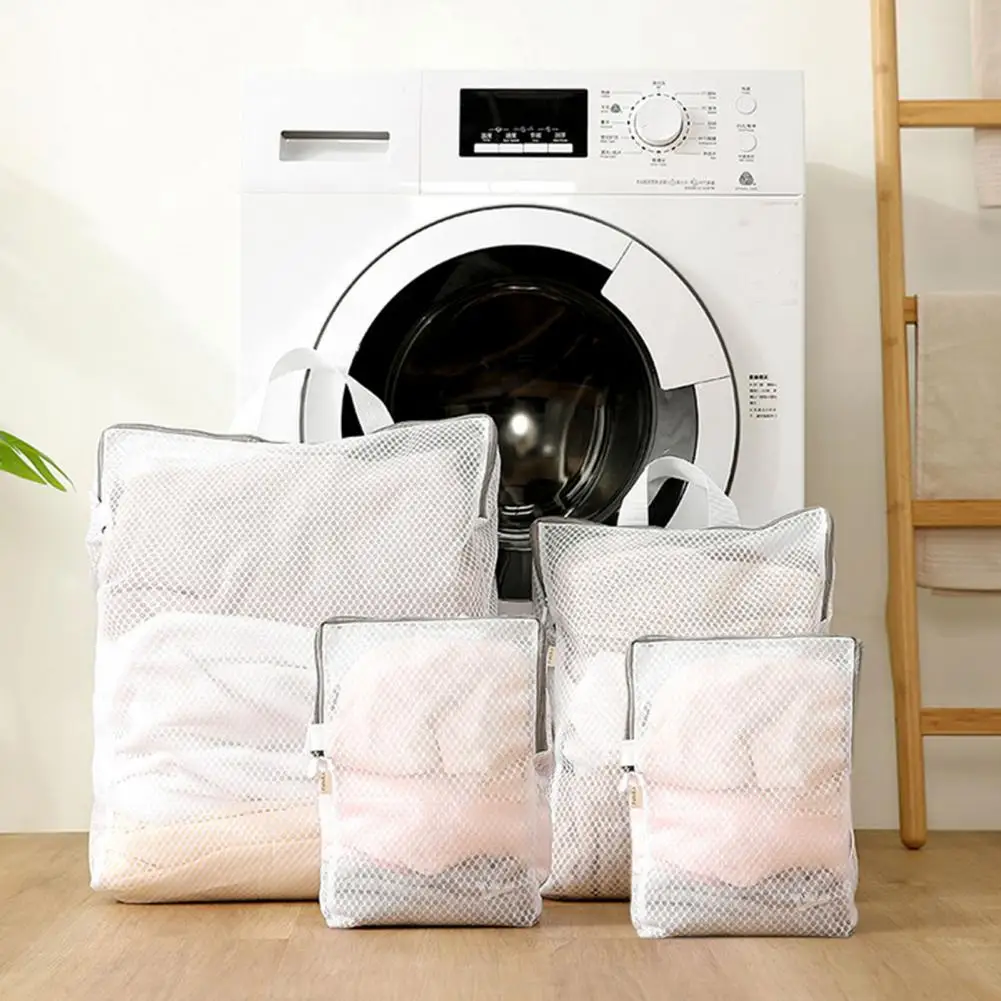
Set your washing machine to cold or lukewarm water. Never use hot water because it weakens bamboo fibers, causes shrinking, and reduces breathability over time. Select the gentle or delicate cycle to minimize agitation. Front-loading machines are ideal because they’re gentler than top-loaders with agitators. If your machine has an agitator, place the cover in a mesh laundry bag to protect the fabric and zipper.
Use Mild Detergent and Avoid Harsh Chemicals
Use about one tablespoon of mild, eco-friendly liquid detergent. Avoid bleach entirely because it damages and yellows bamboo fibers. Skip fabric softeners because they coat the fibers and reduce moisture-wicking ability. Harsh chemicals degrade fabric quality over time. For stained areas, pre-treat before washing by applying a drop of mild detergent directly to the stain, gently rubbing, and letting it sit for 10 minutes.
Wash With Similar Soft Fabrics
Wash the cover with other soft, like-colored fabrics such as sheets or pajamas. Avoid washing with towels, jeans, or items with zippers that could snag the delicate bamboo fabric. This prevents damage to the cover while ensuring effective cleaning.
Spot Clean the Foam Filling
The foam inside your bamboo pillow must never go in the washing machine. Agitation and water saturation break down the foam permanently, leading to clumping, crumbling, or mold growth.
Never Soak or Submerge Memory Foam
Memory foam absorbs water like a sponge. Once soaked, it takes days to dry completely, and even then, moisture may remain deep inside, creating a breeding ground for mold and mildew. This damage is irreversible, so protecting the foam from water exposure is essential.
Dab Stains With Minimal Moisture
For small stains or spills on the foam, mix a few drops of mild detergent with lukewarm water. Dip a microfiber cloth into the solution and wring it out completely until it’s only slightly damp. Gently dab the stained area without scrubbing. Use a second clean, water-dampened cloth to wipe away soap residue, then blot dry immediately with a clean towel.
Remove Odors With Baking Soda
To remove odors without adding moisture, sprinkle a thin layer of baking soda over the foam surface. Let it sit for 30 to 60 minutes. For strong odors, extend this to 2 hours. Vacuum thoroughly using an upholstery attachment. Repeat if needed until the odor dissipates.
Dry Both Components Without Damage

Drying is just as critical as washing. Improper drying leads to mold, musty smells, or permanent fabric damage.
Air Dry the Bamboo Cover
The safest method is air drying. Hang the cover on a clothesline or lay it flat on a drying rack in a well-ventilated area. Keep it out of direct sunlight to prevent fading. If the care label allows tumble drying, use low heat or delicate setting and remove immediately when dry to avoid wrinkles. Do not over-dry because this weakens fibers. If the cover feels stiff after drying, detergent residue is likely the cause—rewash with an extra rinse cycle.
Air Dry the Foam Completely
Never put memory foam in the dryer because high heat melts the foam, distorts its shape, or causes it to crumble. Place the foam on a clean, flat surface in a well-ventilated area. Keep it out of direct sunlight because UV rays degrade foam. Flip every few hours for even drying. Use fans to speed up the process in humid conditions. Allow 24 to 48 hours for complete drying. Before reassembling, squeeze the foam gently—if it feels cool or damp inside, wait longer.
Reassemble Your Bamboo Pillow Correctly

Once both components are fully dry, put your pillow back together properly to maintain its shape and support.
Zip the Cover Back On Securely
Ensure the foam is completely dry and free of debris before inserting it into the cover. Insert the foam carefully and zip the cover shut without overstuffing or twisting. A properly fitted cover ensures even support.
Knead and Reshape the Filling
Knead the pillow by hand to redistribute the filling, especially if it’s shredded foam. This restores loft and support. If the foam feels flat, placing the dry foam in the dryer on low heat with dryer balls for no more than 10 minutes can help rejuvenate it. Never do this with wet foam.
Protect Your Pillow From Damage
Prevent common mistakes that shorten your pillow’s life by following these protective habits.
Use a Pillow Protector Year-Round
A breathable, washable pillow protector acts as a barrier against sweat, oils, spills, dust mites, and allergens. Wash the protector every 1 to 2 weeks to reduce how often you need to clean the bamboo cover. This simple habit significantly extends your pillow’s lifespan.
Avoid Moisture Traps
Never sleep with wet hair because moisture transfers to the pillow and increases mildew risk. Let your hair dry before bedtime. In humid environments, use a dehumidifier or ensure better ventilation to prevent the pillow from absorbing ambient moisture.
Air Out and Fluff Weekly
Every week, remove the pillow from the bed and let it air out for 15 to 30 minutes. Fluff and reshape it to maintain its loft. This helps release trapped moisture and maintains the pillow’s supportive structure.
Fix Common Washing Problems
Even with proper care, issues can arise. Here’s how to address them.
Remove Musty Smells
Musty smells occur when the foam hasn’t dried completely or detergent residue remains in the cover. Ensure the foam dries for 24 to 48 hours with good airflow. Use baking soda on the foam and run an extra rinse cycle for the cover to eliminate residue.
Restore Stiff or Scratchy Covers
Stiffness usually results from detergent buildup or hot water damage. Rewash with cold water and no detergent, then add an extra rinse cycle. Use less detergent next time to prevent recurrence.
Treat Yellow Stains
Yellow stains come from accumulated sweat and body oils, especially without a pillow protector. Pre-treat with mild detergent, wash more frequently, and always use a protector to prevent future staining.
Address Shrunken Covers
Shrunken covers result from hot water or high-heat drying. Air dry all future washes and check the care label for temperature limits. Unfortunately, shrinkage cannot be reversed once it occurs.
Follow a Cleaning Schedule
Maintain your bamboo pillow’s freshness and support with this routine.
Weekly Tasks
Air out the pillow for 15 to 30 minutes. Fluff and reshape it. Wash your pillowcase to reduce direct contact with oils and sweat.
Every Two to Four Weeks
Machine wash the bamboo cover using cold water and gentle cycle. Wash the pillow protector if you use one.
Monthly Maintenance
Deodorize the foam with baking soda. Spot clean the foam if needed. Vacuum the foam lightly to remove dust and debris.
Every Three to Six Months
Deep clean by airing out the pillow for an extended period. Inspect for moisture issues and foam wear. This preventive maintenance catches problems early.
Know When to Replace Your Pillow
Even with perfect care, bamboo pillows have a limited lifespan. Replace yours if the foam stays flat and doesn’t rebound after fluffing, if there’s persistent odor despite thorough cleaning, if the cover is frayed or thin, or if you wake up with neck pain or poor sleep quality. Most bamboo pillows last 18 to 36 months. Old pillows harbor bacteria, dust mites, and allergens even when they appear clean.
Key Takeaways for Washing Bamboo Pillows in the Machine

Never machine wash the foam—only the cover is safe for machine cleaning. Always air dry the foam completely before reassembling, which takes 24 to 48 hours. Use cold water and mild detergent for the cover, and avoid bleach and fabric softeners entirely. Protect your pillow with a washable protector to reduce cleaning frequency. Fluff regularly to maintain shape and support. By following these steps, you can safely wash your bamboo pillow in the washing machine while keeping it fresh, hygienic, and supportive for years to come.
Frequently Asked Questions About Washing Bamboo Pillows
Can I put my entire bamboo pillow in the washing machine?
No. Only the removable bamboo cover should go in the washing machine. The inner foam filling must never be machine washed because agitation and water saturation destroy its structure and lead to mold growth.
What temperature water should I use to wash the bamboo cover?
Use cold or lukewarm water. Hot water damages bamboo fibers, causes shrinking, and reduces the fabric’s breathability and longevity.
How do I dry memory foam after spot cleaning?
Air dry the foam completely in a well-ventilated area away from direct sunlight. Flip it every few hours. Use fans to speed drying in humid conditions. Allow 24 to 48 hours before reassembling.
Why does my bamboo pillow smell musty after washing?
Musty smells indicate incomplete drying of the foam or detergent residue in the cover. Ensure the foam dries for 24 to 48 hours with good airflow. Run an extra rinse cycle for the cover to remove detergent buildup.
How often should I wash my bamboo pillow cover?
Wash the bamboo cover every 2 to 4 weeks. Using a pillow protector reduces this frequency by acting as a barrier against sweat, oils, and allergens.