Is your Midea washing machine leaving clothes with a musty smell or dull appearance? You’re not alone. Over time, soap scum, lint, and moisture build up in hidden areas like the drum, seals, and detergent drawer, creating the perfect breeding ground for mold and bacteria. This not only affects how your laundry smells but can also reduce cleaning efficiency and shorten your machine lifespan.
The good news: cleaning your Midea washer is simple, effective, and takes less than an hour. With the right steps, you can restore freshness, improve performance, and prevent costly repairs. This guide covers how to deep clean every part of your machine, use safe and effective cleaning agents, and adopt daily habits that keep it running like new.
Run a Hot Tub Clean Cycle
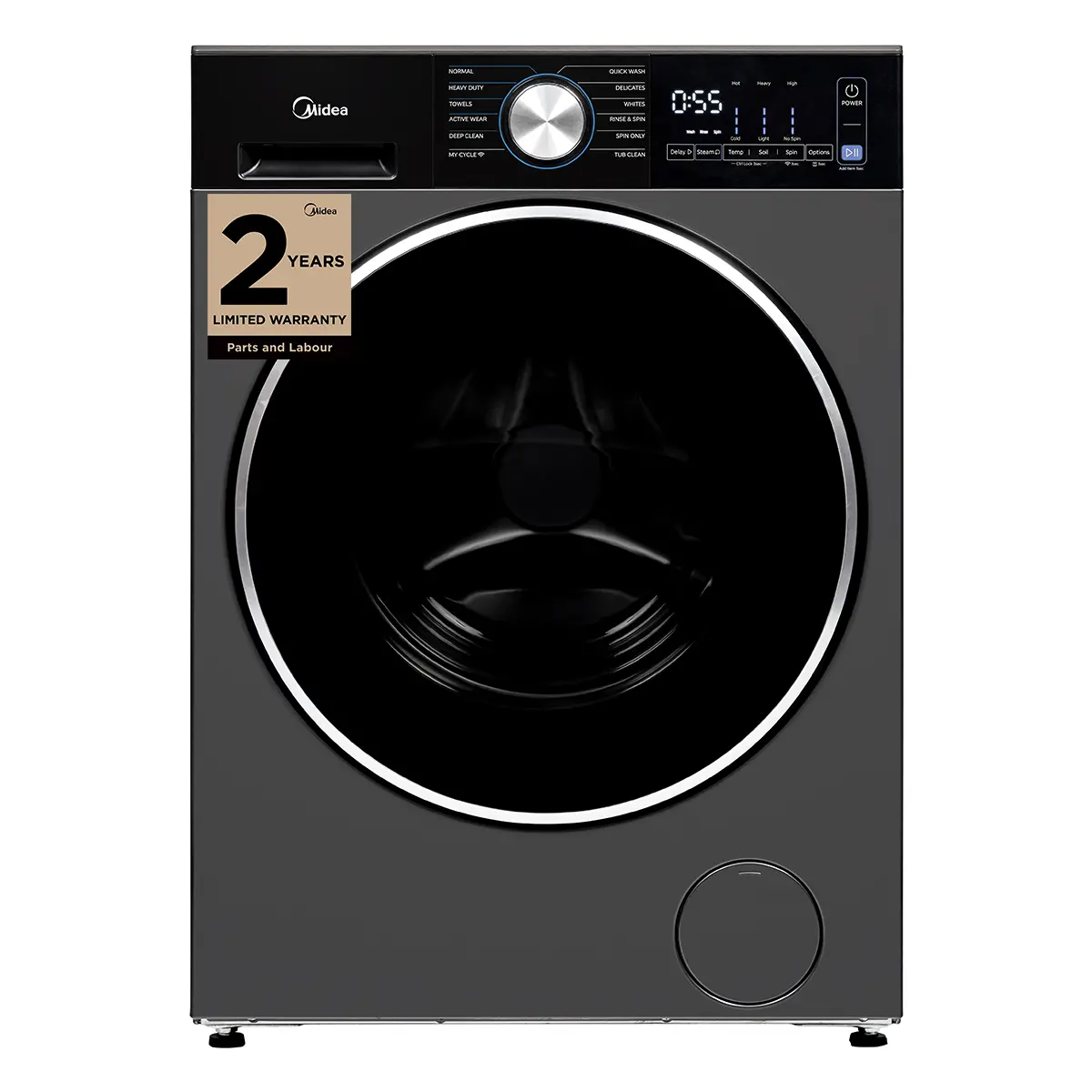
Start by sanitizing the drum and dissolving hidden residue with a high-temperature wash. This step breaks down soap film, kills bacteria, and loosens limescale buildup.
Use Vinegar for Deep Sanitizing
Pour 2 cups (470ml) of white vinegar directly into the drum or detergent dispenser. Set the machine to the hottest cycle available, ideally 60°C to 90°C, and run it empty. The heat activates the vinegar cleaning power, making it especially effective in hard water areas where mineral deposits accumulate quickly. Avoid using delay start so the vinegar begins working immediately.
Try Baking Soda for Odor Removal
After the vinegar cycle, run a second hot wash with 1 cup of baking soda. This neutralizes lingering odors and lifts grime the vinegar may have loosened. Do not mix vinegar and baking soda in the same cycle because they react and reduce effectiveness. For a one-step alternative, use a commercial washing machine cleaner tablet placed in the drum.
Activate Self-Clean Mode if Available
Many modern Midea models feature a Tub Clean or Self-Clean setting on the control panel. Select this mode and add either vinegar or a cleaning tablet. The machine automatically runs a high-heat, high-agitation cycle designed to flush out debris and sanitize internal components. If you own a Midea washer-dryer combo, run this cycle regularly to protect both functions.
Clean the Detergent Drawer Thoroughly
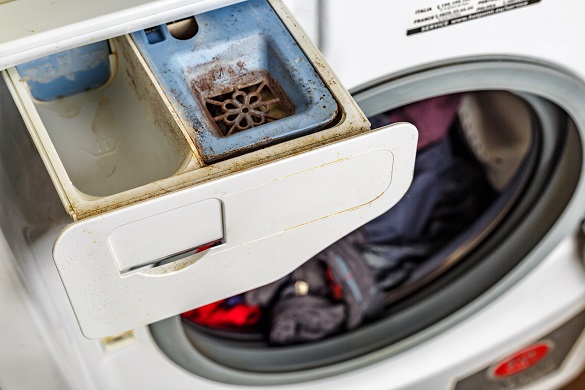
Detergent and fabric softener residues clog the dispenser, leading to poor dosing and mold growth. This component needs attention during every deep clean.
Remove and Soak the Drawer
Pull the detergent drawer fully out of the machine. Soak it in warm, soapy water for 15 to 20 minutes. This softens dried detergent and makes scrubbing easier. Check for a release tab or latch underneath because some models require pressing this to fully detach the drawer.
Scrub All Compartments
Use an old toothbrush or soft-bristled brush to scrub every compartment, including the housing slot inside the machine. Focus on corners and drainage holes where gunk collects. For stubborn buildup, dip the brush in vinegar or a baking soda paste. Avoid steel wool or abrasive pads because they can scratch plastic surfaces.
Rinse and Dry Before Reinserting
Rinse the drawer under warm water until all suds and residue are gone. Shake off excess water and dry completely with a clean towel. Reinstall only when dry to prevent immediate mold regrowth because leaving moisture creates a damp environment that invites mildew within hours.
Wipe Seals, Gaskets, and Agitator
These areas trap lint, water, and grime, making them hotspots for odor and mold. Regular attention prevents the “stinky washer” phenomenon.
Clean Front-Load Door Gasket
For front-load Midea models, open the door and inspect the rubber door seal. Pull back the folds gently and check for black spots, which is early mold. Dip a microfiber cloth in undiluted white vinegar and wipe the entire gasket, including hidden crevices. For visible mold, apply a baking soda paste, let sit 30 minutes, then scrub gently. Never use bleach unless absolutely necessary, and never after vinegar, because toxic fumes result from mixing the two.
Maintain Top-Load Agitator Base
In Midea top-load machines, the agitator can collect lint and hair underneath. If removable, lift it straight up and clean the base and surrounding area with a damp cloth and mild cleaner. Use a soft brush to remove trapped debris from grooves and ridges. Reinstall securely to avoid wobbling during spin cycles.
Dry All Surfaces Immediately
After cleaning, wipe seals and drum walls with a dry towel. Moisture left behind leads to mold within 24 hours. Leave the door or lid open afterward to allow full air drying because this simple step prevents 90% of odor problems between cleanings.
Empty the Magic Cleaning Filter
_midea_washing_machine_fp-90ltl105getm-n1.png)
This is a Midea-specific feature in top-load models that you should not skip. This specialized component collects and removes dirt, debris, and lint during the wash cycle to prevent redeposit on clothes.
Locate the Filter
The Magic Cleaning Filter is typically found inside the drum, near the base of the agitator, or behind a small access panel at the bottom of front-load units. If you notice reduced cleaning performance or slow drainage, this filter may be clogged.
Remove and Rinse Debris
Turn off the machine. Open the filter cover and pull out the mesh basket. Use your fingers or tweezers to remove trapped lint, hair, coins, or fabric scraps. Rinse the filter under warm running water, using a soft brush to clear fine particles from the mesh. Inspect for tears or damage, and replace if worn.
Reinstall Securely
Slide the clean filter back into place and close the cover tightly. A loose filter can cause leaks or error messages. In high-lint households with pets, towels, or bedding, check this filter every few loads, not just monthly.
Clear the Drain Pump Filter
A clogged drain filter causes standing water, error codes, and foul smells. This component needs regular attention to maintain proper drainage.
Find the Drain Filter
On most Midea models, the drain filter is located behind a small front panel at the base of the machine. Place a shallow tray or towel underneath to catch residual water. Turn off and unplug the washer before starting. Some top-load models integrate this with the agitator system.
Unlock and Clean the Filter
Twist the filter cap counterclockwise to open. Water will drain slowly, so let it finish before removing the filter. Pull out the filter and remove all debris. Rinse thoroughly under warm water. Check the pump impeller inside the housing for obstructions, and spin it gently with your finger to ensure it moves freely.
Reassemble Without Leaks
Insert the filter, align the grooves, and turn clockwise until snug. Do not overtighten. Close the access panel securely. Run a quick rinse cycle afterward to confirm no leaks and flush any remaining particles.
Wipe Down Exterior Surfaces
Do not forget the outside because dust and splashes affect appearance and controls. Regular exterior maintenance reflects care and often correlates with better internal maintenance.
Clean Control Panel and Lid
Use a damp microfiber cloth with a mild, non-abrasive cleaner. Wipe the control panel gently, avoiding soaking buttons or display screens. For sticky spots, lightly dampen the cloth with vinegar solution. Never spray cleaners directly onto electronics.
Shine Glass Door (Front-Load)
Spray vinegar or glass cleaner on the door and wipe with a lint-free cloth for a streak-free finish. Clean both sides, especially the inner rim where moisture collects. Avoid ammonia-based cleaners because they can damage anti-reflective coatings on some models.
Maintain Aesthetic Longevity
Wipe the machine body weekly to prevent dust buildup. For stainless steel finishes, use a cleaner designed for appliances to avoid scratches and water spots.
Follow Preventative Maintenance Habits
Keep your Midea washer fresh between deep cleans with smart daily routines. Regular maintenance ensures hygienic laundry results and reduces the likelihood of mechanical repairs.
Leave Door or Lid Open
After every wash, leave the door or lid ajar. This allows airflow and prevents moisture from being trapped inside, stopping mold before it starts. Even 15 minutes of ventilation helps, but leaving it open overnight is ideal.
Use Correct Detergent Amount
Overdosing detergent causes excess suds that do not rinse away. This residue feeds bacteria and dulls fabrics. Follow the manufacturer dosage instructions on your detergent. For HE models, use only High-Efficiency (HE) detergent because it is formulated to rinse cleanly in low-water cycles.
Avoid Overloading the Drum
Packing too many clothes restricts water flow and reduces rinsing efficiency. Residual soap stays in fabrics and the drum. Fill the machine to 75% capacity maximum. Clothes should have room to move freely during agitation.
Run Hot Cycles Occasionally
Even if you mostly use cold washes, run a hot cycle every 3 to 4 weeks. This melts grease, breaks down body oils, and removes buildup cold water leaves behind. Reserve 90°C cycles for monthly cleaning because frequent use can degrade rubber seals over time.
Use Vinegar in Rinse Cycles
Add half a cup of vinegar to the fabric softener dispenser once a month. It acts as a natural softener, removes odors, and prevents limescale. In hard water areas, this step is essential for maintaining efficiency and preventing mineral buildup.
Frequently Asked Questions About Cleaning a Midea Washing Machine
How often should I deep clean my Midea washing machine?
Perform a deep clean every month or after every 30 wash cycles. In hard water areas, increase frequency to every three weeks because mineral deposits accumulate faster.
Can I mix vinegar and bleach to clean my Midea washer?
Never mix vinegar and bleach because combining these two substances creates harmful, potentially dangerous fumes. Use them separately, and always rinse thoroughly between cleaning agents.
Where is the Magic Cleaning Filter located on my Midea top-load washer?
The Magic Cleaning Filter is typically found inside the drum near the base of the agitator, or behind a small access panel at the bottom of front-load units. Check your user manual for the exact location for your specific model.
What temperature should I use for sanitizing my Midea washing machine?
Set water temperature between 60°C and 90°C (140°F to 194°F) for sanitizing cycles. This range effectively kills bacteria and breaks down soap buildup. Avoid using 90°C for every wash because frequent extreme heat can degrade rubber seals and increase energy costs.
Why does my Midea washing machine smell musty even after cleaning?
Musty odors usually indicate trapped moisture. Leave the door or lid open after every wash to allow airflow. If odors persist, run a hot vinegar cycle and check the drain pump filter for clogs.
Is it safe to use bleach in my Midea washing machine?
Bleach can be used sparingly for severe mold outbreaks, but never mix it with vinegar. Dilute approximately 1 cup of bleach in water if needed, and follow with a thorough rinse cycle to clear all residues.
Key Takeaways for Maintaining a Fresh Midea Washing Machine

Cleaning your Midea washing machine is not just about freshness. It is about performance, hygiene, and longevity. By running a hot vinegar cycle monthly, clearing the Magic Cleaning Filter, and wiping seals dry, you prevent mold, eliminate odors, and keep clothes cleaner.
The most critical step is leaving the door or lid open after every wash. This simple habit prevents 90% of odor problems between cleanings. Combine these steps with smart habits like using the correct detergent amount, avoiding overloading, and running occasional hot cycles.
Your Midea washer will deliver spotless results for years when you follow this routine. Start today, and your next load will smell the difference.