Nothing disrupts a household routine like a washing machine that won’t start, won’t drain, or leaves clothes soaked. If your Frigidaire washing machine repair needs attention, you’re not alone. Many homeowners face similar issues, especially with front-load models. Frigidaire, a trusted mid-tier brand under Electrolux, delivers reliable performance at accessible prices, but like any appliance, it can develop mechanical or electrical faults over time.
The good news? Most common Frigidaire washer problems can be diagnosed quickly using error codes, visual cues, and simple tests. This guide walks you through the most frequent failure points, how to interpret error codes like E11, E21, and E41, and what steps to take. You’ll learn which parts fail most often, how much repairs typically cost, and what to expect from professional service.
Decode Frigidaire Error Codes
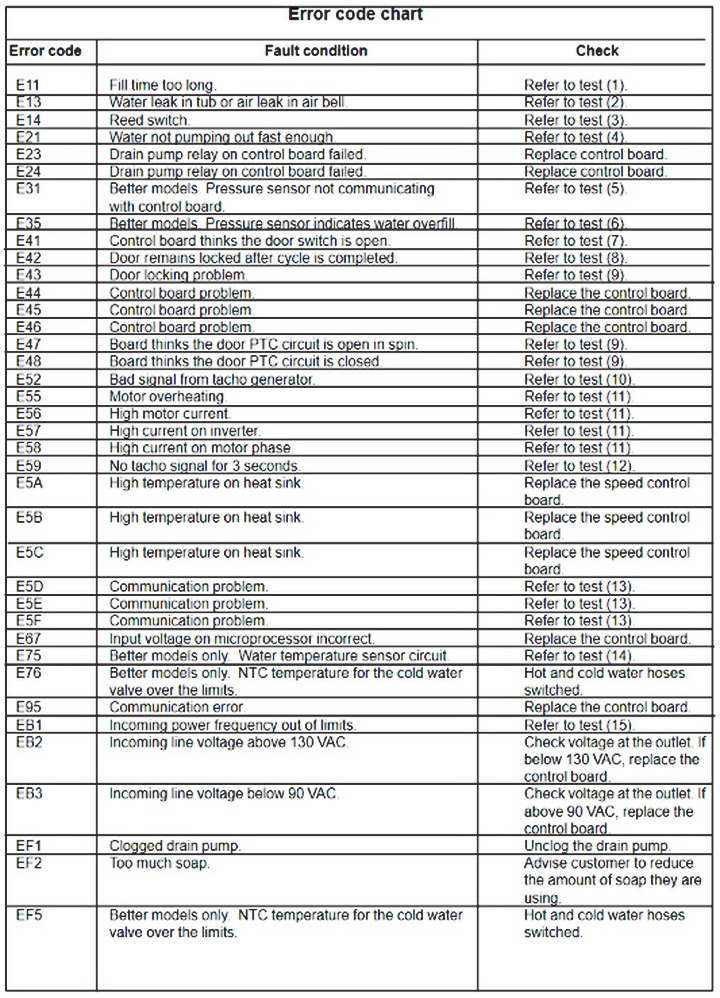
Frigidaire washers use error codes to pinpoint problems, saving time and guesswork. When your machine stops mid-cycle or displays a blinking light, check the control panel for a code. These alphanumeric messages are your first diagnostic tool.
E11: Fill Time Too Long
This error means the washer isn’t filling with water fast enough. The pressure switch detects low water levels after a set time.
What to check:
• Ensure both hot and cold water supply valves are fully open
• Inspect inlet hoses for kinks, crushing, or sediment buildup
• Test the water inlet valve if it’s not opening properly
• Verify water pressure is adequate (minimum 20 psi recommended)
Quick fix: Turn off the machine, shut the water supply, disconnect and clean the inlet hose screens, then reconnect and restart.
E21: Drain Time Too Long
The washer can’t empty water within the expected timeframe. This often triggers mid-cycle shutdown.
Common causes:
• Clogged drain filter located at the front lower panel
• Blocked drain hose or standpipe
• Faulty drain pump motor
• Improper hose loop height that causes siphoning
Action: Run a drain-only cycle. If water remains, remove the front access panel and check the pump filter. Clear debris like coins, socks, or lint.
E35: Water Level Too High
The pressure switch detects overfilling, which can lead to leaks or overflow.
Likely issues:
• Failed water inlet valve not shutting off properly
• Malfunctioning pressure switch
• Blocked or cracked air tube connecting the tub to the switch
Test: Unplug the washer, disconnect the air tube from the pressure switch, and blow through it. If clogged, clean with compressed air or replace the tube.
E41: Door Lock Error
Front-load washers won’t start unless the door is securely locked. E41 means the lock isn’t engaging or the sensor isn’t detecting closure.
Check:
• Inspect the door latch and strike for damage
• Clean around the door seal since debris can block proper closure
• Listen for a click when closing the door. No sound means the lock assembly may be dead.
Replacement tip: The door lock assembly is a common wear item. If the washer powers on but won’t start, this is often the culprit.
Fix Washer Won’t Start

When your Frigidaire washer has power but won’t begin a cycle, the issue usually lies in safety interlocks or control systems.
Door Lock Assembly Failure
This is the number one cause of no-start issues in Frigidaire front-load washers.
Symptoms:
• Door doesn’t lock with a click
• Add Garment light stays on
• Error code E41 appears
How to test:
- Unplug the washer
- Open the door and inspect the latch mechanism
- Use a multimeter to test continuity across the lock’s terminals
- No continuity means replace the assembly
Pro tip: Even if the door seems to close, a worn lock won’t signal the control board to start the cycle.
Faulty Control Board or Keypad
A shorted keypad can prevent input registration and displays error F11.
Signs:
• Buttons don’t respond
• Display flickers or freezes
• Machine powers on but won’t accept cycle selection
Troubleshoot:
• Unplug the washer for 5 minutes to reset the board
• Check for moisture under the control panel since condensation can short circuits
• If reset fails, the main control board or touchpad likely needs replacement
Solve Drainage Problems

Standing water in the drum after a cycle is a clear sign of drainage failure. Don’t ignore it since this can lead to mold, odors, and pump burnout.
Clear the Drain Filter
Step-by-step:
- Place towels under the front lower panel
- Open the filter access door usually bottom right front
- Slowly unscrew the filter cap since water will drain out
- Remove debris like coins, hair, and buttons
- Reinstall the filter and close the panel
Frequency: Clean every 1 to 3 months, especially in households with pets or heavy laundry use.
Check the Drain Pump
If the filter is clean but water remains, the drain pump may be faulty.
Test:
• Disconnect power and remove the lower panel
• Locate the pump connected to the tub via hoses
• Manually spin the impeller. If it’s seized or wobbly, replace the pump
Warning: Never run the washer with a failed pump since it can overheat and cause damage.
Verify Hose Installation
The drain hose must form a loop at least 30 inches above the floor to prevent siphoning.
Fix: Secure the hose to the back of the cabinet with a clip. Avoid kinks or sharp bends that restrict flow.
Repair Spin and Drum Issues
Soaked clothes after a spin cycle mean the drum isn’t reaching high RPMs. This is often mechanical but not always.
Drive Motor and Belt Check
Frigidaire front-loaders use direct-drive motors on most models, but older or specific variants may have belts.
If your model has a belt:
• Open the back panel and inspect for cracks, glazing, or slippage
• A loose or broken belt prevents drum rotation
For direct-drive models:
• Listen for a humming sound during spin which indicates power reaching the motor
• If it hums but doesn’t spin, the motor control board may not be sending the correct signal
Test the Motor Control Board
This board regulates motor speed and direction.
Failure signs:
• Drum turns slowly
• No spin but wash cycle works
• Error codes related to motor or imbalance
Diagnostic step: Use a multimeter to test for power output from the board to the motor. No signal means replace the board.
Bearing and Seal Failure
A loud screeching or grinding noise during high-speed spin points to worn tub bearings or a failed shaft seal.
Symptoms:
• Noise gets worse as spin speed increases
• Water leaks from the front of the machine
• Drum feels wobbly when you move it by hand
Repair reality: Replacing bearings requires disassembling the tub, which is labor-intensive and often costs more than the machine’s value. Consider replacement if the washer is over 8 years old.
Stop Leaks and Water Damage

Water pooling around your washer demands immediate attention. Find the source before it damages flooring or substructure.
Inspect the Door Seal
Frigidaire front-loaders use a rubber door gasket that can crack, tear, or trap debris.
Check:
• Open the door and examine the seal’s entire perimeter
• Look for splits especially at the bottom where water collects
• Clean out the seal’s inner channel since mold and gunk can prevent a tight seal
Replacement tip: If the seal is torn, replace it. OEM parts cost $40 to $80 and are widely available.
Examine Hoses and Connections
Leaking supply or drain hoses are common.
To inspect:
• Turn off water supply and check both ends of inlet hoses for tightness
• Look for bulges or cracks and replace hoses every 5 years as a precaution
• Ensure the drain hose is securely clamped to the standpipe
Pro note: Use braided stainless steel inlet hoses for longer life and burst resistance.
Diagnose No Water Fill
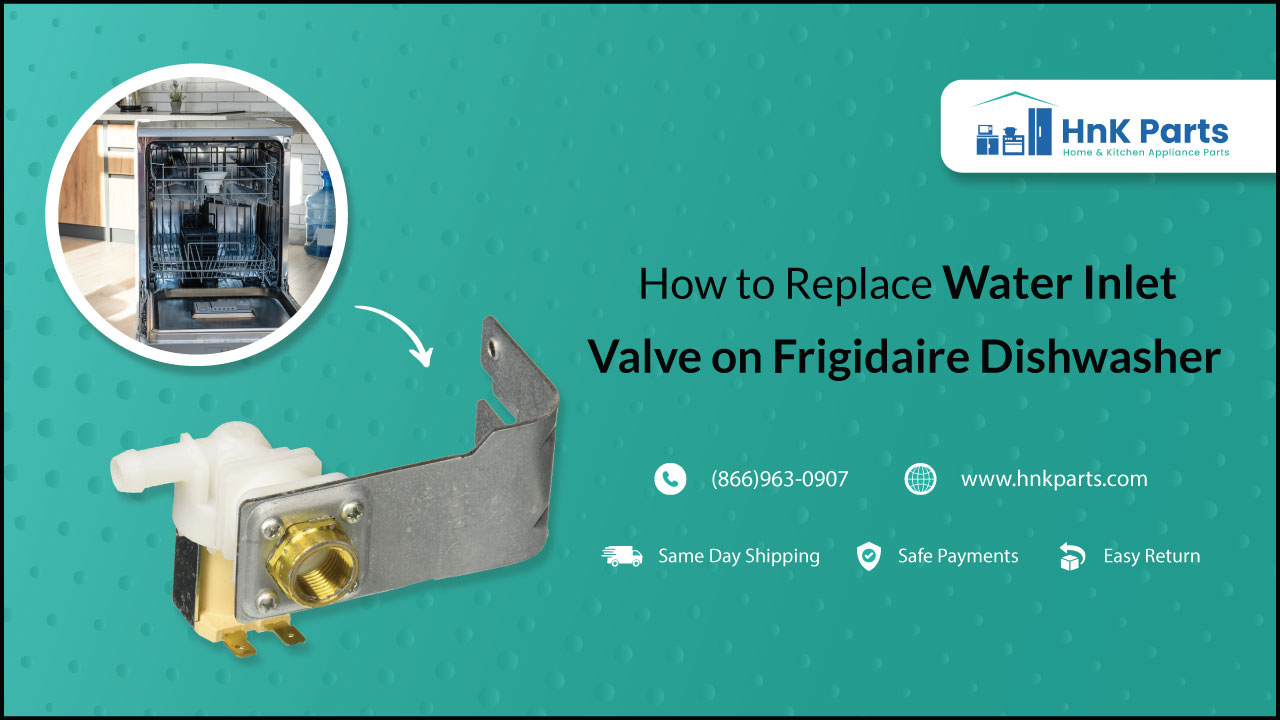
If the washer isn’t filling, start with the simplest causes before diving into components.
Verify Water Supply
Do this first:
• Confirm both hot and cold valves are fully open
• Check if other faucets in the house have pressure
• In winter, inspect for frozen fill tubes especially if the washer is in a garage or unheated space
Test the Water Inlet Valve
This solenoid-controlled valve opens to let water in.
Failure signs:
• No water enters even though supply is on
• Only one temperature fills (cold works but hot doesn’t)
• Valve clicks but no flow
Test with multimeter:
• Disconnect power and remove wires from the valve
• Measure resistance across terminals. No continuity means replace the valve
Part cost: $50 to $90. One of the most commonly replaced parts.
Replace the Pressure Switch
The pressure switch monitors water level and signals when to stop filling.
Why It Fails
• Clogged air tube (most common)
• Internal diaphragm wear
• Electrical failure
How to Replace
Steps:
- Unplug the washer
- Locate the switch usually on the control panel or top rear
- Disconnect the air tube and electrical connectors
- Remove mounting screws
- Install the new switch and reconnect all parts
Calibration note: After replacement, run a test cycle to ensure accurate fill levels.
When to Call a Pro
Some repairs are best left to certified technicians, especially those involving sealed systems, electrical boards, or major disassembly.
Signs You Need a Technician
• Error codes persist after basic troubleshooting
• Burning smell or visible electrical damage
• Loud grinding from the drum indicating bearing failure
• Major leaks you can’t trace
• Control board replacement requiring programming on some models
What to Expect from Service
Cost structure:
• Diagnosis fee: $89 to $150 (often waived if you proceed with repair)
• Fixed-price repairs: Start at $190 covering labor, parts, and travel
• Door lock replacement: $150 to $200
• Drain pump: $180 to $250
• Motor control board: $220 to $300
Warranty on repairs:
• Most independent shops offer 90-day warranty on parts and labor
• Factory-authorized services may provide 60-day guarantees
• Some national chains offer 1-year repair warranties
Technician prep:
• Have your model and serial number ready (found inside the door or on the back)
• Clear space around the washer
• Note the exact error code and symptoms
Prevent Future Breakdowns
Regular maintenance extends your washer’s life and prevents costly repairs.
Monthly Maintenance Tasks
• Clean the drain filter to prevent E21 errors
• Wipe the door seal and leave the door ajar after use to dry
• Run a cleaning cycle with washer cleaner or vinegar monthly
• Inspect hoses for leaks, bulges, or wear
Long-Term Care Tips
• Avoid overloading since this strains the motor and bearings
• Use high-efficiency (HE) detergent only
• Clean the pressure switch air tube annually
• Replace inlet hoses every 5 years
Choose the Right Repair Service
Not all repair providers are the same. Your choice affects cost, speed, and reliability.
Factory Authorized Technicians
• Best for in-warranty repairs
• Use genuine OEM parts
• Direct access to Frigidaire/Electrolux technical support
• May offer longer warranties on repairs
National Franchise Networks
• Standardized pricing and service
• Background-checked, trained technicians
• Wide coverage and online booking
• Often offer same-day service
Local Independent Repair Shops
• Faster response times in many areas
• Competitive pricing
• Personalized service and local expertise
• Well-stocked vans with common Frigidaire parts
Frequently Asked Questions About Frigidaire Washing Machine Repair
How do I reset my Frigidaire washing machine?
Unplug the washer from the power outlet for 5 minutes. This allows the control board to reset. Plug it back in and try starting a cycle. This simple reset often clears minor glitches and error codes.
What is the most common problem with Frigidaire washers?
Door lock failure is the most common issue, particularly in front-load models. The door lock assembly wears out over time and prevents the washer from starting. This often triggers error code E41.
Can I repair my Frigidaire washer myself?
Yes, many minor repairs are DIY-friendly. You can clean the drain filter, replace the door lock, check inlet hoses, and replace the water inlet valve yourself. However, electrical repairs, control board issues, and bearing replacements typically require a professional technician.
How much does Frigidase washing machine repair cost?
Professional repair costs range from $150 to $300 depending on the issue. Diagnosis fees are $89 to $150. Common repairs like door lock replacement cost $150 to $200, while drain pump replacement runs $180 to $250.
Why is my Frigidaire washer making a loud grinding noise?
A loud grinding or screeching noise during spin cycles usually indicates worn tub bearings or a failed shaft seal. This is a serious issue that requires professional repair. Consider replacement if the washer is over 8 years old since bearing replacement is labor-intensive.
How long do Frigidaire washing machines last?
With proper maintenance, a Frigidaire washing machine typically lasts 10 to 15 years. Regular cleaning of the drain filter, leaving the door open to dry, and avoiding overloading can extend the lifespan significantly.
Key Takeaways for Frigidaire Washing Machine Repair
Most Frigidase washing machine repair issues can be diagnosed quickly using error codes displayed on the control panel. The most common problems are door lock failures (E41), drainage issues (E21), and water fill problems (E11). Understanding these codes helps you determine whether to attempt a DIY fix or call a professional.
Regular maintenance prevents most breakdowns. Clean the drain filter monthly, inspect hoses annually, and leave the door open after each use to prevent mold. These simple steps extend your washer’s life and save money on repairs.
When professional help is needed, expect to pay $150 to $300 for most repairs. Factory-authorized technicians offer the best warranty coverage for in-warranty machines, while local independent shops often provide faster response times and competitive pricing. With proper care, your Frigidaire washer can deliver years of reliable service.