Your Frigidaire Affinity washing machine fills, agitates, but won’t drain, and now you’re staring at a tub full of soapy water. You’re not alone. Frigidaire Affinity washing machine not draining is one of the most common washer complaints, and in most cases, it’s not a major mechanical failure. More often than not, the culprit is a simple blockage in the drain trap or pump that you can fix yourself in under 30 minutes.
The good news: even if your washer displays Error Code E21 or the “PAU” light blinks, the fix usually starts with cleaning out debris like coins, socks, lint, or rubber bands clogging the system. These obstructions prevent water from exiting, stop the spin cycle, and trigger error codes. While electrical issues or pump motor failure can occur, they’re far less common than physical clogs.
Understanding Error Code E21 and PAU Blinking on Your Frigidaire Affinity
What E21 Means on Your Affinity Washer
If your Frigidaire Affinity shows Error Code E21, it means the machine timed out waiting for water to drain. This isn’t a pump failure diagnosis. It’s a drain timeout alert. The control system tried to run the drain pump for about one minute, failed to sense water level dropping, and repeated the attempt 4 to 5 times before giving up.
When this happens, the display often starts blinking “PAU” (Pause), locking the cycle. The washer won’t spin, and water stays in the drum. While it sounds serious, E21 is typically caused by a blockage, not a broken part.
Is the Pump Running
Listen during the drain phase. If the pump runs but no water drains, you likely have a clogged impeller or trap. If the pump is silent, you could be looking at electrical failure, control board issues, or a lid switch problem. If the pump hums but doesn’t spin, you may have a jammed impeller or motor seizure.
If you hear the pump cycling on and off without success, the issue is almost certainly mechanical obstruction, not electrical. Start with the drain trap.
How to Clean the Drain Trap on Your Frigidaire Affinity Washer
Why the Trap Clogs So Often
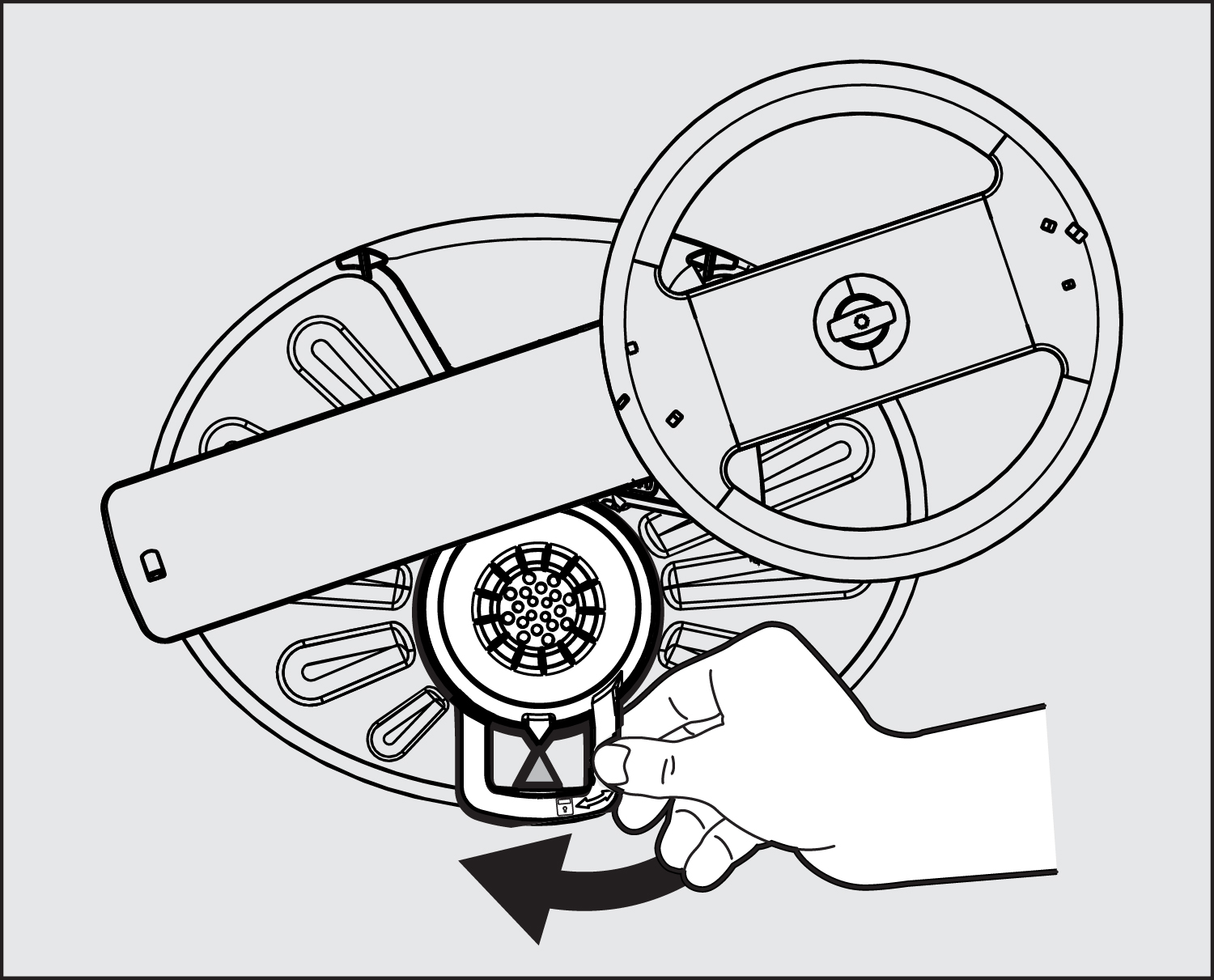
The drain trap, also called the coin filter, is a small plastic cylinder inside a rubber boot at the bottom of the washer. It catches coins, buttons, hair, and small clothing items before they reach the pump. But when overloaded, it becomes the number one cause of drainage failure.
Common clog materials include coins and metal shavings, socks or fabric scraps, lint and hair buildup, and detergent sludge and hardened residue. Even a single sock can block the entire flow. A clogged trap also causes foul odors from stagnant water.
How to Access the Trap
Access varies by model. With a front access panel, remove 2 to 3 screws on the bottom front door. Without an access panel, tilt the washer back or remove the front panel to reach the boot.
Safety first: Unplug the washer and turn off the water supply before starting.
Step-by-Step Trap Cleaning
Place towels or a shallow pan under the trap area. Water will spill. Locate the rubber boot connecting the drum to the drain system. Loosen the upper clamp (Phillips screw) securing the boot to the tub. Squeeze the bottom of the boot and push the trap upward to grab it from above.
Pull the trap out gently. It may be stuck due to debris or suction. Pro tip: If stuck, loosen the lower clamp with pliers for better leverage. Remove all debris and rinse the trap under running water. Inspect for cracks or warping. Replace if damaged.
Reinstall the Trap Correctly
Reinsert the trap, ensuring the lip sits flush with the boot’s bottom edge. Tighten the lower clamp first, then reattach the boot to the drum and secure the upper clamp. A loose or misaligned clamp can cause leaks or air gaps that prevent pumping.
Cleaning the Drain Pump to Fix Drainage Issues

When to Suspect Pump Blockage
If the trap is clean but the washer still won’t drain, the problem is likely inside the drain pump. Debris can bypass the trap or fall in during cleaning. Even if the pump runs, a jammed impeller stops water flow.
How to Access the Pump
Remove the control panel by unscrewing two rear screws. Push the release button and pull the panel forward. Remove side screws and the top-left trim screw. Remove the front panel by unscrewing three top screws. Squeeze side clips inward and lift the panel off. Expose the pump near the bottom front of the chassis.
Remove and Inspect the Pump
Squeeze the two pump clips and pull the assembly off its mount. Disconnect hoses at both ends (tub side and pump side). Unplug the wire harness. Note the green clip deep inside. Use tweezers or locking pliers to release it safely. Remove the rear mounting screw. This may require a flexible screwdriver.
Clean the Impeller and Housing
Spin the impeller by hand. It should rotate freely with no resistance. Remove debris (lint, coins, rubber bands) with a soft brush or toothpick. Open the clamshell (if your model has three screws on the back) to clean inside without full disassembly. Rinse under running water. Never use compressed air, which can force debris deeper.
Reinstall the Pump
Reconnect the green clip first. This is critical for electrical contact. Secure the rear screw (orient heads forward for easier future access). Reattach hoses and clamps. Reassemble panels in reverse order.
Checking the Drain Hose for Clogs and Installation Problems

Fix Kinks and Crushed Hoses
If the pump runs but water doesn’t exit, check the drain hose. Look for kinks behind the washer, especially if it dances during spin. Straighten any bends or replace the hose if cracked or flattened.
Verify Proper Hose Height
The drain hose must be at least 30 inches above the floor. If too low, water may siphon out prematurely and the pump can’t build pressure to push water out. If too high, the pump may not overcome the head pressure.
Ideal setup: Hose forms a high loop secured to the back of the washer, not exceeding 8 feet in total length.
Clear Internal Hose Blockages
Lint and hair can clog the hose internally. Disconnect from the wall and pump. Use a long, flexible brush (like a bottle cleaner) to scrub the inside. Flush with water to confirm flow.
Never use a shop vac or air compressor. They can damage seals or force debris into the pump.
Diagnosing Air Gap and Backflow Problems
What Is an Air Gap
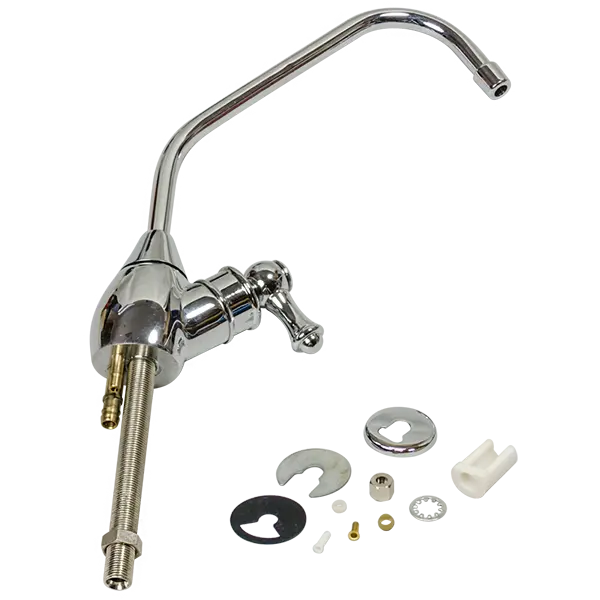
Some homes use an air gap device to prevent dirty water from siphoning back into the clean water supply. It’s a small chrome fixture near the sink.
How an Air Gap Can Block Drainage
If the air gap is clogged with lint or mineral buildup, it creates a bottleneck that stops drainage. Water backs up into the washer.
How to Check and Clean It
Remove the cap from the air gap. Use a bent wire or small brush to clear debris from the openings. Flush with vinegar or hot water to dissolve buildup. Reassemble and test.
If your washer drains when you disconnect the hose from the air gap but not when connected, the air gap is the issue.
Troubleshooting Electrical Issues on Your Frigidaire Affinity
Test the Lid or Door Switch
Safety switches prevent draining if the lid or door is open. If faulty, the machine won’t drain, even if closed.
For top-load models, lid switch failure stops drain and spin cycles. Test with a multimeter: No continuity means replace the switch. For front-load models, door lock or strike failure triggers safety lockout. Inspect the door strike (plastic tab on the door). If broken, replace it. No repair is possible.
Check the Control Board
If the pump is silent during drain, the control board may not be sending power. Test voltage at the pump terminals during a drain cycle using a multimeter. No voltage likely means control board failure.
Look for visual signs like burn marks, corrosion, or swollen capacitors. Replace the board if defective. No user repair is possible.
Inspect the Timer (Older Models)
Non-digital models use a mechanical timer. If it fails to advance to the drain phase, the cycle stops mid-process. Replace the timer if it doesn’t click forward or skips stages.
Inspecting Belt-Driven Drain Systems in Older Frigidaire Affinity Models
Does Your Washer Have a Pump Belt
Some older Frigidaire washer and dryer combos use a drive belt to power the drain pump.
How to Inspect the Belt
Access the rear or bottom panel. Locate the belt connecting the motor to the pump pulley. Check for cracks or fraying, glazing (shiny, melted appearance), and looseness or breakage.
Replace a Worn Belt
Remove the old belt. Install a new one (model-specific, check part number). Ensure proper tension. The belt should have slight give when pressed.
A broken belt means the pump won’t spin, even if the motor runs.
Testing Your Frigidaire Affinity After Repair
Run a Drain-Only Test Cycle
After cleaning or replacing parts, reconnect hoses and power. Run a short cycle with no clothes. Watch for water draining within 2 to 3 minutes, full spin speed, no error codes, and no leaks.
Use the Flow Test to Confirm
For a definitive check, disconnect the drain hose from the wall. Run a drain cycle. Observe water flow. A strong, steady stream means the pump and trap are clear. Weak or no flow means recheck the impeller, hoses, or control board.
Preventing Future Drainage Problems
Clean the Trap Every 3 to 6 Months
Set a reminder to clean the drain trap regularly. Every 3 months for heavy use or pet owners. Every 6 months for average households. After every few washes if washing jeans, jackets, or kids’ clothes.
Pro tip: Use a mesh laundry bag for small items and check pockets before washing.
Maintain the Washer Monthly
Extend your Affinity’s life with simple habits. Run a clean cycle monthly with vinegar or washer cleaner. Use the correct detergent amount. Too much suds trap debris. Avoid overloading. Crowded loads shed more lint. Leave the door open after use to dry the drum.
Replace Worn Parts Proactively
If the pump has struggled with clogs, replace it even if it seems fine. Swap out rubber hoses every 5 years to prevent leaks. Inspect the belt (if applicable) annually and replace at first sign of wear.
Key Takeaways for Fixing Your Frigidaire Affinity Washer
A Frigidaire Affinity washing machine not draining is almost always fixable without a technician. Start with the drain trap, move to the pump and hoses, then check electrical components. With basic tools and 30 minutes, you can resolve E21 errors, restore full drainage, and keep your washer running smoothly for years.
Regular cleaning is the key to avoiding repeat failures and costly repairs. Clean the trap every 3 to 6 months, check pockets before washing, and use the correct detergent amount. These simple habits prevent the debris buildup that causes most drainage problems.
If error codes persist after cleaning all components, test the control board voltage or replace the lid switch. Electrical failures are rare but do happen. When in doubt, consult your model’s wiring diagram or call a professional.
Frequently Asked Questions About Frigidaire Affinity Washing Machine Not Draining
What does Error Code E21 mean on my Frigidaire Affinity
Error Code E21 means the washer timed out waiting for water to drain. The pump ran for about one minute, didn’t sense water level dropping, and repeated this cycle 4 to 5 times before displaying the error. This typically indicates a blockage in the drain trap, pump, or hose, not a mechanical failure.
How often should I clean the drain trap on my Frigidaire Affinity
Clean the drain trap every 3 to 6 months. Households with children, pets, or frequent washes of jeans and jackets should clean it every 3 months. Regular cleaning prevents the debris buildup that causes drainage failures and extends your pump’s life.
Can I use a shop vac to clear a clogged drain hose
No, never use a shop vac or air compressor on your washer’s drain system. These tools can damage seals and force debris deeper into the pump or hoses. Instead, disconnect the hose and use a long, flexible brush to scrub the inside, then flush with water.
Why does my washer drain but leave clothes wet
This usually means the washer can’t reach full spin speed due to incomplete drainage. The machine logic prevents high-speed spinning if water levels remain too high to prevent imbalance. Clean the drain trap and pump, check for kinks in the hose, and verify the drain hose is at least 30 inches above the floor.
How do I know if my drain pump is bad
Listen during the drain cycle. If the pump is silent, test voltage at the pump terminals with a multimeter. No voltage indicates a control board issue. If the pump hums but doesn’t move water, the impeller is likely jammed with debris. If the pump runs and spins freely but still no water moves, the pump may be faulty and need replacement.