Washing a comforter at home can save money and extend its life if done correctly. Many people avoid machine washing because they fear ruining their cozy bedding, but with the right steps, you can clean even large down or synthetic comforters safely. The key lies in understanding your comforter’s material, matching it to the correct washer settings, and ensuring it dries completely. Incomplete drying leads to clumps, mildew, and musty odors that turn a simple chore into a disaster.
This guide walks you through every step of how to wash a comforter in the washing machine, from checking the care label to fluffing it back to life in the dryer. Whether you’re dealing with a delicate down duvet or a bulky king-sized synthetic comforter, you’ll learn how to prep, choose detergent, select cycles, and most importantly, dry it right to keep your bedding fresh and fluffy for years.
Check the Care Label First
:max_bytes(150000):strip_icc()/international-laundry-care-symbols-2146487_V2-d1f2ab25b0334a99880274c87b83ae63.png)
Before anything else, locate the care tag sewn into the corner or seam of your comforter. This small label holds vital information about whether the item is machine washable or requires dry cleaning.
Read Washing Symbols Correctly
The label may use text or international symbols. Look for these key indicators:
- A bucket with water means the comforter is machine washable
- A hand in a bucket indicates hand washing is required
- A circle symbol means dry clean only, especially true for silk, wool, or high-thread-count cotton comforters
Ignoring this step risks permanent damage. Professional cleaner Jacqueline Stein notes that those tiny tags actually matter because they tell you exactly what the comforter is made of and how to clean it without ruining it.
Confirm Water Temperature Limits
Labels often specify temperature requirements. Cold water works best for synthetic fills and delicate fabrics, while warm water is suitable for cotton or sturdy down comforters. Hot water is rarely permitted and can melt polyester fill or shrink natural fibers. When in doubt, choose cold water to prevent accidental shrinkage.
Inspect for Damage Before Washing
A torn seam or loose thread can become a major problem during the wash cycle. Spinning and tumbling may enlarge small rips, causing filling to escape and clog your machine.
Examine Seams and Stitching
Run your hands along all edges and corners. Pay close attention to loose threads, puckering fabric, and small holes even pinpricks can expand during agitation. If you find any damage, repair it before washing.
Patch Small Tears Quickly
For minor holes, use a needle and thread to sew shut by hand, or apply an iron-on patch on the backside for larger areas. As a temporary fix, secure the area with safety pins, but remember to remove them before drying. Never wash a comforter with unsecured tears because escaped filling can clog drain pumps and create a costly mess.
Choose the Right Detergent
Using the wrong detergent can strip natural oils, reduce loft, or leave residue that attracts dirt.
Use Mild Liquid Detergent
Opt for fragrance-free, low-sudsing liquid detergent. It dissolves better in cold water and rinses out more completely than powder. For down comforters specifically, use a down-specific detergent like Nikwax Down Wash Direct because regular detergents strip essential oils, leading to flat, matted feathers. For synthetic fills, any mild detergent works, but avoid bleach unless the label allows it.
Avoid Fabric Softeners
Never add fabric softener or dryer sheets. They coat fibers with a waxy residue that reduces fluffiness, hinders breathability, and causes clumping over time. Instead, use white vinegar in the rinse cycle to soften fabric naturally and remove soap buildup.
Load the Machine Properly
How you load the comforter determines whether the wash cycle runs smoothly or throws the machine off balance.
Wash Alone, Not With Bedding
Never wash your comforter with sheets, towels, or clothes. Mixing items creates imbalance and prevents thorough rinsing. The comforter needs full drum space to tumble freely.
Distribute Evenly
Loosely place the comforter in the drum. Do not force or fold it tightly. Push it down gently and spread it around the sides to balance the load. Think of it like folding a map: smooth layers work better than crumpled ones.
Know Your Machine’s Capacity
Your washer must be large enough to handle the comforter’s size. A queen-size comforter needs at least 3.5 cubic feet, while a king-size requires 3.8 to 4.5+ cubic feet. Weighted blankets need commercial-grade machines with 40 to 60 pound capacity. Front-loaders and HE top-loaders without agitators work best because agitators can snag fabric and damage seams.
Select the Correct Wash Cycle
Choosing the wrong setting can damage fibers or leave your comforter soapy and damp.
Pick a Gentle Setting
Use a delicate, gentle, or bulky bedding cycle. These reduce spin speed and agitation, protecting the structure of the comforter.
Set Water Temperature
Stick to cold or warm water unless the care label says otherwise. Hot water can melt synthetic fibers, shrink cotton shells, and ruin down clusters. Cold water also helps prevent color fading.
Add an Extra Rinse
Thick fills trap detergent. Always select the extra rinse option to ensure all soap is removed. Residue leads to stiffness, odors, and skin irritation.
Use Tennis Balls to Prevent Clumping
One simple trick makes a big difference in maintaining loft.
Add Clean Tennis Balls to the Wash and Dry
Toss in 2 to 3 clean tennis balls or wool dryer balls during both the wash and dry cycles. As they bounce around, they break up wet clumps, help water and air circulate, and restore fluffiness. For scent, add a few drops of lavender oil to wool balls, not tennis balls. This step is non-negotiable for down and synthetic comforters prone to lumping.
Dry on Low Heat Only

Drying is the most critical phase. High heat destroys fill, while incomplete drying breeds mildew.
Use Low or Air-Only Heat
Set the dryer to low heat or air fluff mode. High heat melts polyester fibers, shrinks natural fabrics, and damages down clusters. Even if the label says tumble dry, always use low heat to be safe.
Stop and Fluff Every 30 Minutes
Here is the pro move. Dry for 30 to 40 minutes, then pause the cycle. Remove the comforter and shake it vigorously. Break apart any clumps by hand, then return to the dryer. Repeat until fully dry. Skipping this step is the number one cause of permanent lumps.
Verify It’s Completely Dry
A comforter may feel dry on the outside but still be damp inside.
Perform the Hand-Press Test
Press your hands deep into the center and thickest sections. If you feel coolness or moisture, continue drying. Even a small amount of trapped water can lead to musty smells, mold growth, and irreversible clumping. Total drying time can take 2 to 4 hours depending on thickness and humidity.
Air Dry as an Alternative
If you lack a large dryer or prefer gentler methods, air drying works but takes longer.
Lay Flat in a Well-Ventilated Area
Spread the comforter on a clean surface like a drying rack or spare bed. Avoid direct sunlight, which fades fabric and weakens fibers, though mild sunshine acts as a natural disinfectant.
Flip and Fluff Regularly
Turn the comforter every few hours and gently separate the filling with your hands. This speeds up drying and prevents flat spots. Expect 24 hours or more for full drying, especially in humid climates. A fan nearby helps circulation.
Use a Laundromat for Large Comforters
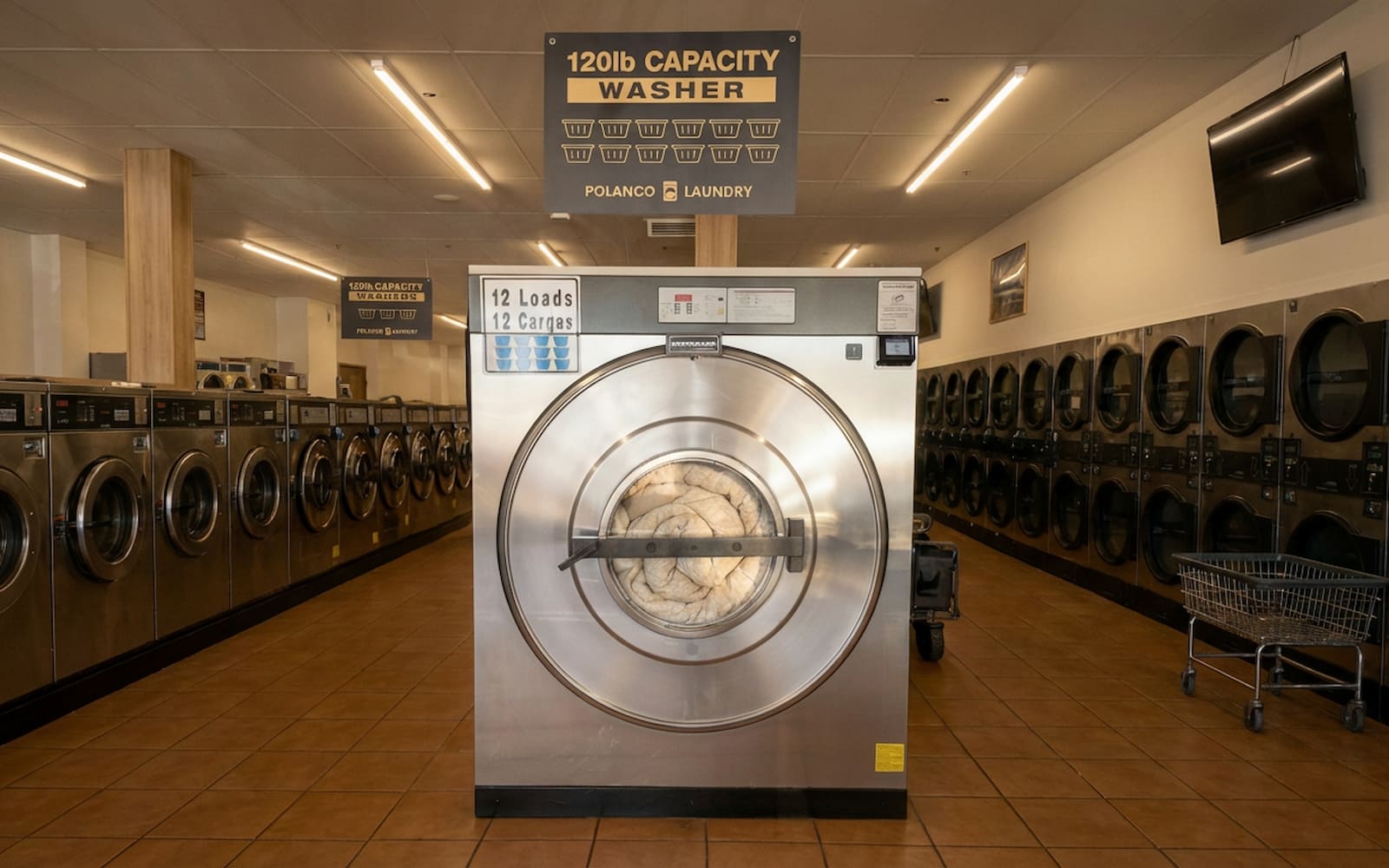
Home machines often cannot handle king-sized or weighted comforters. That is where commercial laundromats come in.
Why Commercial Machines Win
Commercial machines offer larger capacity with 40 to 60 pound machines that easily fit king comforters. They provide better extraction with high-speed spins that remove more water, cutting drying time. They have no agitators, reducing snag risks. They are also cost-effective, around $8.50 per wash, which is cheaper than dry cleaning.
Follow the Laundromat Routine
Choose a machine rated for double the dry weight of your comforter. Use mild detergent and extra rinse. Transfer to a large dryer and add tennis balls. Stop and fluff every 30 minutes. Plan for 30 to 45 minutes washing plus 60 to 90 minutes drying. Bring gloves if handling heavy wet loads because wet comforters can weigh over 20 pounds.
Remove Odors Without Washing
You do not always need a full wash to freshen up your comforter.
Try These Quick Fixes
Hang the comforter outside on a dry day for sunlight refresh. UV rays kill bacteria and eliminate stale smells. Limit sun exposure to 2 to 3 hours to prevent fading. Alternatively, mix equal parts vodka and water in a spray bottle, mist lightly, and air dry. Alcohol kills odor-causing microbes and evaporates cleanly. You can also tumble on air-only mode for 15 to 20 minutes with wool dryer balls for a dryer refresh.
Wash Frequency Guidelines
Over-washing wears out fibers and reduces loft. Follow these rules based on use.
| Condition | Frequency |
| With Duvet Cover | 2–4 times per year |
| Without Cover | Every 1–2 months |
| Allergy Sufferers | Every 2–3 months |
| Heavy Soiling | Wash immediately |
A duvet cover is your best defense. It blocks sweat, oils, and dust, drastically reducing how often you need to wash the comforter itself.
Maintain Loft and Longevity
Keep your comforter fluffy and functional with simple habits.
Shake and Fluff Weekly
Give it a good shake each time you make the bed. This redistributes filling and maintains even warmth.
Store Properly Off-Season
When storing, use a breathable cotton or mesh bag. Avoid plastic because it traps moisture and leads to mildew. Keep in a cool, dry place and add cedar blocks to deter pests. Never compress the comforter tightly because loft needs room to breathe.
Troubleshoot Common Problems
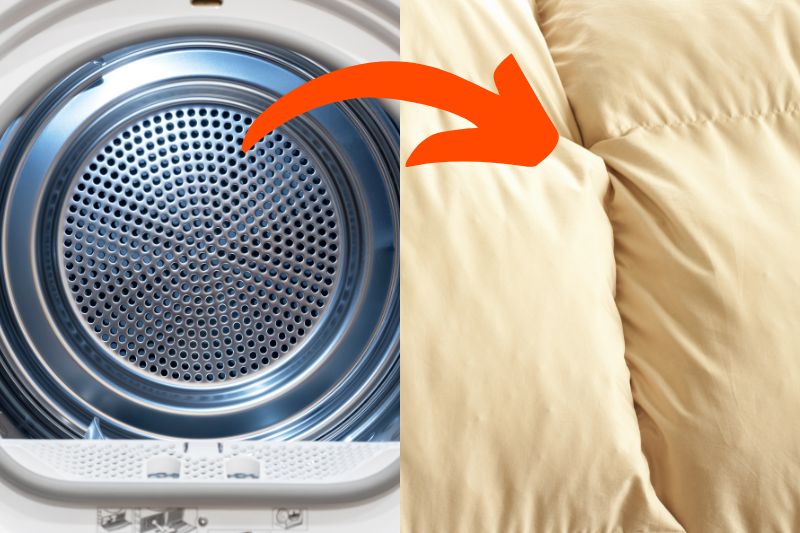
Even careful washing can go wrong. Here is how to fix it.
Fix Clumping After Drying
Incomplete drying or lack of fluffing causes clumping. Redry on low heat with tennis balls, stopping every 20 minutes to break up clumps. If lumps remain, repeat the entire dry cycle. Persistent clumping means moisture is still trapped, so keep going.
Balance a Wobbly Washer
If the machine shakes violently, pause the cycle. Open the door and redistribute the comforter evenly, then restart on gentle mode. Ensure the load is not too small or too large for the drum.
Remove Soapy Residue
Stiff fabric, skin irritation, or suds in rinse water indicate soap residue. Run an additional rinse-only cycle. Always use extra rinse for thick bedding.
Special Cases: Weighted and Delicate Comforters
Not all comforters follow standard rules.
Weighted Blankets
Check the label first because some are spot-clean only. Use a washer and dryer with double the blanket’s weight capacity. Avoid high spin because it can shift beads and damage seams. Dry slowly on low heat with frequent fluffing.
Delicate Fibers
Never machine wash silk, wool, or high-quality cotton if labeled Dry Clean Only. Hand wash in cold water with wool-safe detergent if absolutely necessary. Air dry flat and never tumble dry.
Key Takeaways for Washing Your Comforter
Washing a comforter in the washing machine is safe and effective if you follow the right steps. Start by checking the care label, inspecting for damage, and choosing a machine with enough capacity. Use mild detergent, add tennis balls, and always select a gentle cycle with extra rinse. The real key is drying: use low heat, stop every 30 minutes to fluff, and verify it is 100% dry before storing.
With proper care, your comforter can stay fresh, fluffy, and warm for years. A duvet cover is your best friend because it cuts washing frequency by 75% and protects your investment every night. Now that you know how to wash a comforter in the washing machine, you can tackle this chore with confidence without dry cleaning fees.
Frequently Asked Questions About Washing Comforters
Can I wash a down comforter in the washing machine?
Yes, you can wash a down comforter in the washing machine if the care label permits it. Use cold or warm water, select a gentle cycle, and use a down-specific detergent to preserve the natural oils that maintain loft. Never use regular detergent on down because it strips essential oils and causes feathers to mat.
How do I prevent my comforter from clumping in the dryer?
Add 2 to 3 clean tennis balls or wool dryer balls to the dryer. Stop the dryer every 30 minutes, remove the comforter, shake it vigorously, and break apart any clumps by hand before returning it to the dryer. Use low heat only and continue until completely dry.
What temperature should I use to wash a comforter?
Use cold or warm water unless the care label specifies otherwise. Hot water can melt synthetic fibers, shrink cotton shells, and damage down clusters. Cold water is the safest choice when in doubt and helps prevent color fading.
How often should I wash my comforter?
If you use a duvet cover, wash the comforter 2 to 4 times per year. Without a cover, wash it every 1 to 2 months. Allergy sufferers should wash every 2 to 3 months, and wash immediately after heavy soiling or spills.
Can I use a regular home washing machine for a king-size comforter?
It depends on your machine’s capacity. A king-size comforter requires at least 3.8 to 4.5 cubic feet of capacity. If your home machine is too small, the comforter will not tumble properly and may damage the washer. Consider using a laundromat with commercial-grade machines for large comforters.