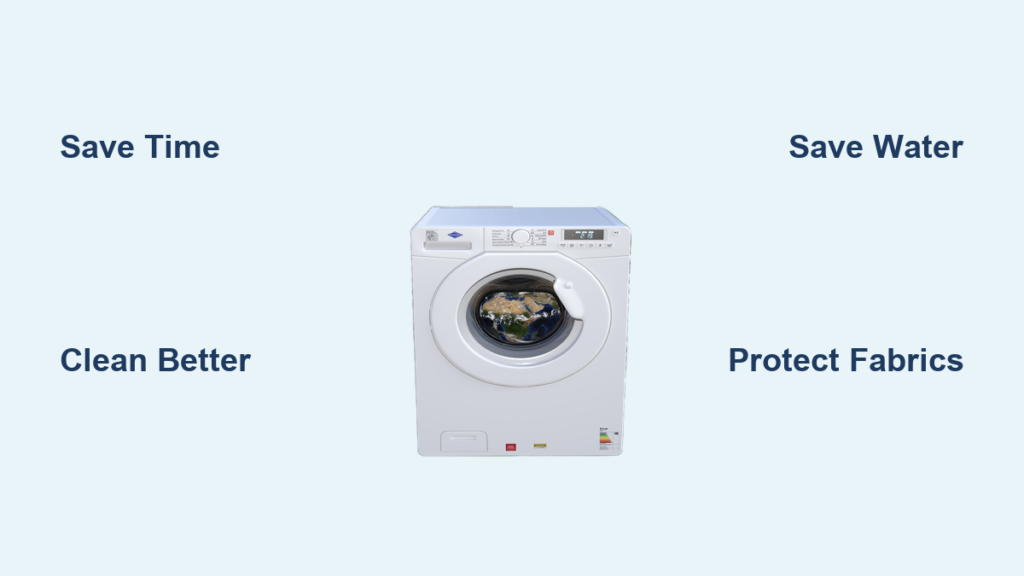
You’ve just purchased a front loader washing machine, and while these appliances clean better and use 50% less water than top-loaders, the sealed door and multi-compartment drawer can feel unfamiliar at first. The good news is that front loaders are simple to operate once you understand the basics. This guide walks you through every step, from sorting laundry and dosing detergent to selecting cycles and preventing mold, so you can get spotless results and extend your machine’s life.
Load Laundry Correctly in Your Front Loader

Front loaders clean by tumbling clothes through a small amount of water, so proper loading is essential for effective cleaning and machine longevity.
Use the Palm Test for Proper Fullness
The golden rule for front loader loading is filling the drum to approximately three-quarters capacity and leaving room for tumbling. To check if your load is correct, place your flat palm at the top of the drum after loading. If you cannot fit your palm between the clothes and the door, remove a few items. This simple test ensures optimal water and detergent circulation throughout the wash cycle.
Overloading blocks movement and reduces cleaning effectiveness. A stuffed drum strains the motor, causes imbalance during high-speed spins, and leaves clothes damp and poorly cleaned. Always leave enough space for clothes to tumble freely.
Mix Large and Small Items for Balance
Balancing your load prevents excessive vibration and noise during spinning. Combine large items like jeans and towels with smaller items like t-shirts and socks. A load consisting only of small garments can throw the drum off-center, leading to loud banging and potential mechanical damage.
For small loads, add one or two dry towels to stabilize the drum. Most manufacturers recommend a minimum of three to five pounds of laundry for stable operation.
Use HE Detergent Only in Front Loaders

Front loaders require specifically formulated detergent to function properly in their low-water environment.
Choose High-Efficiency Detergent
Always use HE (High-Efficiency) detergent marked with the HE logo. Regular detergent creates excessive suds that can overflow, damage internal components, and void your warranty. HE detergent is formulated to dissolve quickly and produce fewer suds while still delivering excellent cleaning power.
Using standard detergent may trigger error codes or leave residue on clothes and inside the drum. Make sure the bottle clearly displays the HE symbol before using.
Measure Detergent Precisely
Overdosing is one of the top causes of front loader problems. Use only the recommended amount for your detergent type. For standard HE liquid, use one tablespoon per load. For two times concentrate, use two teaspoons. For three times concentrate, use just one teaspoon.
Pour detergent directly into the main wash compartment of the dispenser drawer. Do not dilute with water, as this can cause premature dispensing and poor cleaning results.
Place Detergent Pods in the Drum
Detergent pods must go directly into the drum, never in the dispenser drawer. Place the pod at the bottom of the drum before adding clothes. Putting a pod in the drawer risks it getting stuck, dissolving too early, or not activating at all, which leads to poor cleaning and undissolved residue.
Set Up the Dispenser Drawer Properly
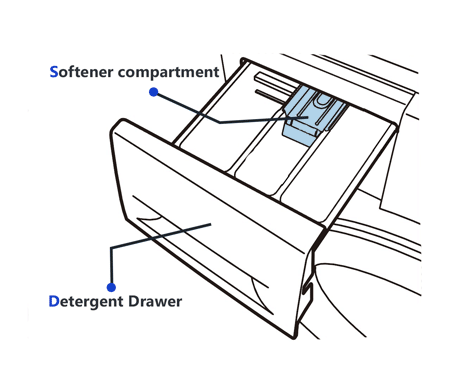
The dispenser drawer contains multiple compartments that release chemicals at specific times during the wash cycle.
Know Each Compartment’s Role
Front loaders typically have a three-compartment drawer. The main wash compartment, which is the largest, holds detergent for the primary wash cycle. The pre-wash compartment is for heavily soiled items when using a pre-wash cycle. The fabric softener compartment, often marked with a flower icon or “Max” line, should be filled only to the MAX line to prevent improper siphoning.
Wipe excess liquid from drawer edges after adding chemicals to prevent clogging and ensure proper release during the cycle.
Add Bleach and Fabric Softener Safely
For chlorine bleach, use two tablespoons in the softener compartment only if your machine allows it. Some models have a dedicated bleach slot. Never mix bleach and vinegar. Limit fabric softener to one teaspoon per load to avoid waxy buildup on fabrics and sensors.
Select the Right Wash Cycle
:max_bytes(150000):strip_icc()/how-to-select-the-correct-cycle-2145866_FINAL-10d1b95640284e0a8d01d4523455c7ee-25c018a4c0304212a13315b7ab181e33.png)
Choosing the appropriate cycle ensures clean clothes while preventing fabric damage.
Match Cycle to Fabric Type
Different cycles serve different purposes. The Cotton cycle works best for sheets, towels, and mixed loads, using warm water and high spin. The Synthetics cycle is ideal for polyester, blends, and everyday wear with moderate temperature and spin. Use the Delicates cycle for lingerie, lace, or silk with low agitation and spin. The Quick Wash cycle handles lightly soiled items and finishes in 15 to 30 minutes. The Sanitize with Oxy cycle uses high heat and oxygen boosters to kill bacteria, perfect for gym clothes, baby items, and bedding.
Always check garment care labels. When in doubt, choose cold water and a gentler cycle.
Customize with Cycle Modifiers
Modern front loaders offer various modifiers to enhance cleaning. The Extra Rinse option adds a second rinse to remove all detergent, which is crucial for sensitive skin. The Power Steam option injects steam to sanitize and reduce wrinkles. The Delay End feature lets you set the cycle to finish at a convenient time. The My Cycle feature saves custom settings for one-touch access through smartphone apps.
Set Temperature and Spin Speed
Modern detergents clean effectively in cold water, so use warm or hot settings only for whites or heavily soiled items. High heat can shrink fabrics and fade colors. Spin speed affects drying time, with high speeds (1200 to 1400 RPM) best for cottons and towels, medium speeds (800 RPM) for synthetics, and low speeds (400 to 600 RPM) for delicates.
Start and Monitor the Cycle
Once loaded and configured, starting the cycle involves a few simple steps.
Close Door and Press Start
Ensure the door seals properly by pressing it firmly until you hear a click, which means it is locked. Press Start to begin the cycle. The machine begins a load detection phase, rotating slowly to weigh the laundry and determine water level, wash time, and spin balance. This takes 30 to 60 seconds.
Check for Proper Water Level
Do not be alarmed if you see very little water in the drum. Front loaders use approximately 13 gallons per cycle, which is half the amount used by top-loaders. Water is added gradually and stays below the door seal. You should only see water sloshing at the drum’s bottom during tumbling.
Models with Precise Fill or Auto Fill adjust water based on load weight automatically, so no manual input is needed.
Pause to Add Forgotten Items
Forgot a sock? Press Start/Pause and wait up to 30 seconds for the door to unlock. The machine will drain excess water and stop spinning for safety. Open the door, add the item, close firmly, and press Start to resume. Note that the Add Item function disables if water is too hot or too high.
Prevent Mold and Odors
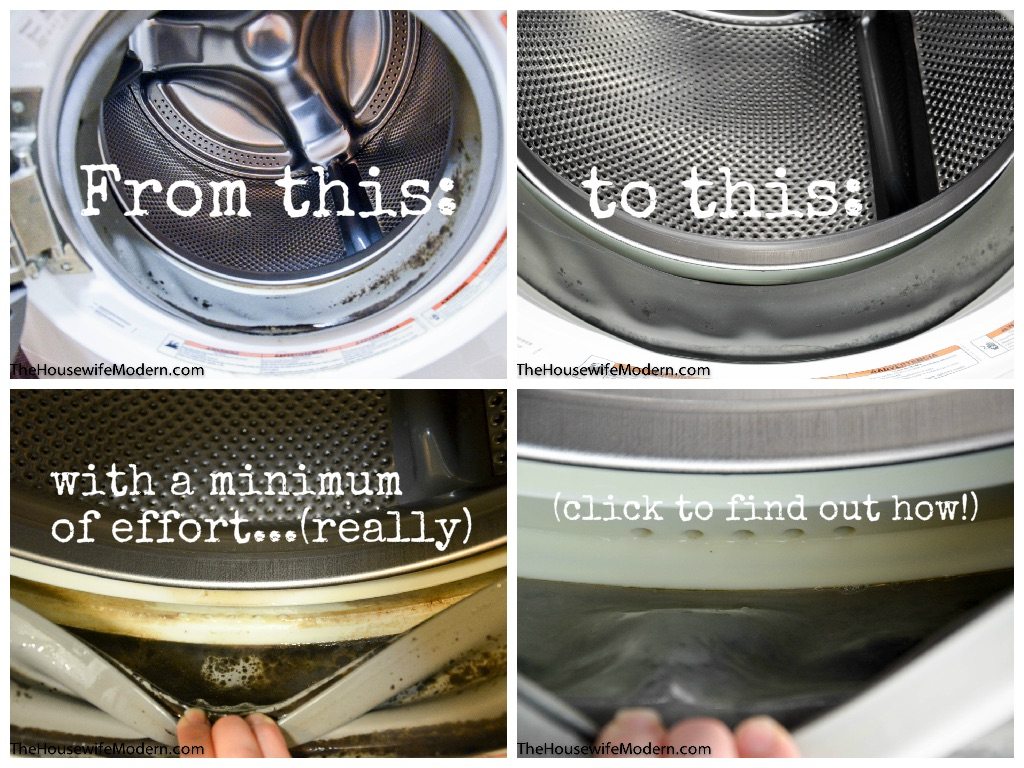
Front loaders are prone to mold and mildew due to trapped moisture, but consistent maintenance prevents these issues.
Wipe the Door Seal After Every Use
The rubber gasket traps moisture, lint, and detergent residue, creating perfect conditions for mold growth. After unloading, wipe the seal with a dry cloth, paying special attention to the folds. This simple step prevents the characteristic front loader smell.
Leave the Door Ajar
Always leave the door slightly open after a cycle to let air circulate and dry the drum. This stops musty odors before they start. Exception: If your machine has Ultra Fresh Vent or Microban technology (common in GE models), it automatically vents moisture, so you can close the door safely.
Clean the Dispenser Monthly
Remove the detergent drawer and rinse it under warm water. Soak in vinegar if clogged with residue. This prevents mold buildup and ensures proper chemical release during wash cycles.
Run Monthly Maintenance Cycles
Prevent soap scum and bacteria buildup by running a monthly hot wash. Use a washer cleaner or two cups of white vinegar with half a cup of baking soda. Run an empty Cotton or Tub Clean cycle at the highest temperature. This removes residue, kills bacteria, and restores freshness to your machine.
Clean the Drain Filter Regularly
The drain filter prevents debris from clogging the drainage system and must be cleaned periodically.
Locate and Access the Filter
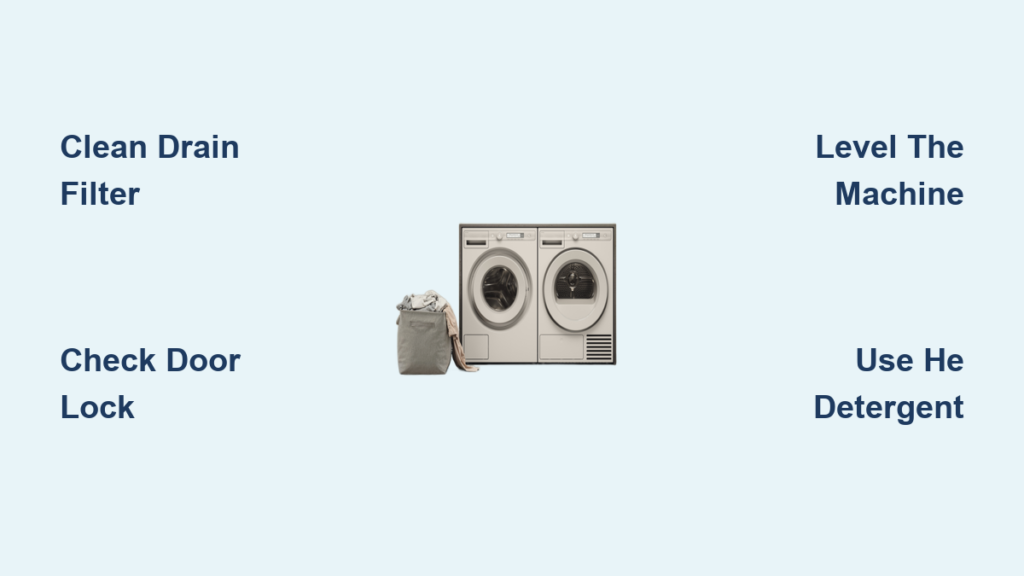
Most front loaders have a drain filter at the bottom front, behind a small access panel. Place a towel underneath, as some water will spill out. Turn the filter counterclockwise to open. Remove lint, coins, hair, and debris by hand.
Clean Monthly to Prevent Clogs
A clogged filter causes poor drainage, error codes, and standing water. Check and clean the filter every four weeks, especially if you wash pet bedding or lint-heavy fabrics. Reinstall tightly to prevent leaks.
Unload and Dry Clothes Efficiently
Proper post-cycle handling keeps clothes fresh and reduces wrinkles.
Remove Clothes Within 2 Hours
Leaving wet clothes inside causes wrinkles and mildew. Unload as soon as the cycle ends, ideally within two hours. If you cannot unload immediately, use the Anti-Tangle or Cool Down feature, which rotates the drum slowly for a few minutes post-cycle to prevent clumping.
Air-Dry When Possible
Thanks to high-speed spins, clothes emerge approximately 75 percent dry. Hang them indoors with windows open, and they will dry in three to six hours. This saves energy and extends fabric life. For machine drying, use low heat for synthetics and medium for cottons.
Troubleshoot Common Problems
Knowing how to address common issues keeps your front loader running smoothly.
Fix Excessive Vibration
If the machine shakes or walks across the floor, check the leveling by adjusting the front feet until the bubble level centers. Balance the load by mixing large and small items. Ensure all transit bolts were removed during installation.
Resolve Poor Cleaning
If clothes remain dirty, check several factors. Verify you are using HE detergent, as non-HE soap leaves residue. Check if the drum is overloaded and reduce load size. Ensure the correct cycle is selected for the soil level. In hard water areas, use water softener tablets to boost detergent performance.
Stop Musty Smells
Odors indicate mold presence. Act immediately by wiping the seal daily. Run a hot vinegar cycle. Use extra rinse to remove detergent buildup. Switch to liquid HE detergent, as powder can clump in damp drawers.
Handle Door Lock Issues
If the door will not unlock, wait one to two minutes after cycle ends, as the lock disengages automatically. Press Start/Pause to force unlock. If stuck, unplug the machine for one minute, then try again. Check for error codes indicating drainage issues.
Frequently Asked Questions About Front Loader Washing Machines
Can I use regular detergent in a front loader?
No, you must use HE (High-Efficiency) detergent. Regular detergent creates excessive suds that can damage internal components, cause overflow, and void your warranty. Always look for the HE logo on the detergent bottle.
Why does my front loader smell like mold?
The smell comes from mold and mildew buildup in the drum, door seal, and dispenser drawer. Prevent it by wiping the seal after each use, leaving the door ajar between cycles, and running monthly hot maintenance washes with vinegar or washer cleaner.
How full should I fill my front loader?
Fill the drum to approximately three-quarters full, or roughly the height of your palm from the top of the clothes to the drum door. Overloading prevents proper tumbling and reduces cleaning effectiveness, while underloading can cause imbalance and excessive noise.
Can I add clothes after the cycle starts?
Yes, most front loaders allow mid-cycle additions. Press Start/Pause, wait up to 30 seconds for the door to unlock, add the item, close the door firmly, and press Start to resume. This function may be disabled if water level is too high or temperature is excessive.
How often should I clean the drain filter?
Clean the drain filter every four weeks to prevent clogs that cause poor drainage and error codes. Clean more frequently if you wash pet bedding or lint-heavy fabrics that can accumulate debris quickly.
What is the best cycle for heavily soiled clothes?
Use the Intensive or Heavy Duty cycle for heavily soiled items. These cycles use higher agitation, warmer temperatures, and longer wash times to break down tough dirt and stains effectively.
Key Takeaways for Using Your Front Loader
Using a front loader washing machine correctly means better cleaning, lower utility bills, and a longer machine lifespan. Always use HE detergent measured precisely, and avoid the temptation to add extra soap. Load the drum to three-quarters capacity using the palm test, mixing large and small items for balance. Wipe the door seal after every load and leave the door slightly open between cycles to prevent mold and odors. Run monthly maintenance cycles with vinegar or washer cleaner to keep the drum fresh and buildup-free. By following these straightforward practices, your laundry will come out fresh, clean, and ready to wear every time.