You bought a cozy oversized sweater, or maybe your favorite jeans have stretched out over time. Whatever the reason, you are looking to make clothes smaller, and the washing machine might be your best tool. Shrinking clothes in the washing machine is a proven method when done correctly, using heat, water, and agitation to contract fibers. But not all fabrics respond the same way, and mistakes can ruin your garment.
This guide breaks down exactly how to shrink clothes safely and effectively by fabric type, using only household appliances. You will learn which materials shrink best, which resist change, and the precise steps to avoid damage. Whether you are resizing a vintage tee or tightening loose denim, this step-by-step process ensures you get the fit you want without over-shrinking or ruining your clothes.
Know Your Fabric Before Starting
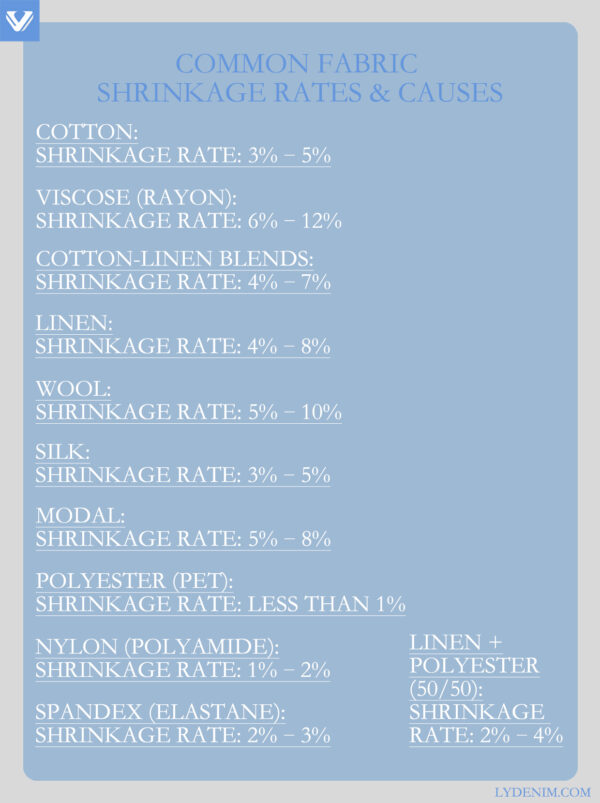
The success of shrinking depends almost entirely on what your clothes are made of. Natural fibers shrink more than synthetics because of how their fibers react to heat and moisture.
Cotton, Linen, and Denim Shrink Best
These natural fibers absorb water and relax under heat, allowing them to contract permanently in the dryer. 100% cotton items can shrink up to 20%, especially if they are not labeled preshrunk. Denim, being tightly woven cotton, responds well too. Expect noticeable tightening in the waist and length after treatment.
Wool and Mohair Shrink Quickly But Need Monitoring
Wool has a scaly fiber structure that felts and compacts quickly with heat and agitation. It is the easiest fabric to shrink, but also the most prone to over-shrinking or becoming misshapen. Always monitor wool garments closely during drying. Check every 5 minutes to prevent permanent damage.
Silk Shrinks But Risks Damage
Silk fibers shorten in warm water but lose their signature sheen if exposed to high heat. While it can be gently shrunk, aggressive methods may weaken or dull the fabric. Use caution and avoid boiling water entirely.
Polyester and Nylon Resist Shrinking
Synthetics are heat-set during manufacturing, meaning they are designed to hold their shape. They may shrink less than 3% even under high heat. Blends like cotton-polyester will shrink unevenly. The cotton part contracts while polyester holds firm, potentially causing warping.
Prepare Before You Wash
Skipping prep can lead to faded colors, damaged prints, or ruined textures. Follow these steps before starting any shrinking method.
Check the Care Label First
Look for these key details:
- Fabric content: Know if it is cotton, wool, or a synthetic blend
- Preshrunk tag: Indicates minimal future shrinkage
- Dry clean only: Home shrinking is risky for these garments
Test for Color Bleeding
Hot water can make dyes run. To prevent staining:
- Dab a cotton swab with rubbing alcohol
- Rub it on an inside seam
- If color transfers, the dye will bleed in hot water
Fix: Add one-half to 1 cup of white vinegar to the wash cycle. It helps set the dye and prevents fading, but it does not speed up shrinkage.
Protect Graphics and Prints
For vintage tees or logo clothing, turn the garment inside out before washing. This shields prints from direct heat and agitation, reducing cracking or peeling.
Wash and Dry Method for Natural Fibers

Cotton, linen, bamboo, and 100% cotton denim respond best to this standard machine method.
Use the Hottest Water Setting
Set your washing machine to:
- Water temperature: Hottest available (130°F or higher)
- Cycle length: Longest option available
- Detergent: Regular amount needed
Wash the garment alone to avoid transferring dyes or damaging other clothes.
Dry on Highest Heat
As soon as the cycle ends, transfer clothes directly to the dryer. Set to high heat and longest timed cycle. Avoid moisture sensors because they shut off early. Let the garment cool completely inside the dryer after the cycle ends. This helps lock in the new size.
Repeat If Needed
Check the fit after one cycle. If still too big, repeat the hot wash and high-heat dry. Most cotton items reach maximum shrinkage in 2 to 3 cycles. Stop once the desired fit is achieved, then switch to cold water washes and low heat or air dry to prevent further shrinkage.
Boiling Water Soak for Maximum Shrinkage
For stubborn cotton or denim that will not shrink enough in the machine, boiling water delivers intense results.
Boil Water Off the Heat
Fill a large pot with water and bring to a rolling boil. Turn off the stove before adding clothes. This prevents scorching and fiber damage.
Submerge the Garment Completely
Place the garment fully underwater using tongs or a wooden spoon. Ensure no parts are floating above the surface.
Soak for the Right Duration
- 5 to 10 minutes: Slight shrinkage
- 20 to 30 minutes (until cooled): Maximum contraction
Avoid exceeding 30 minutes. Overexposure weakens fibers and can cause damage.
Finish in Washer and Dryer
After soaking, gently wring out excess water. Do not twist. Run a hot rinse cycle in the washing machine, then dry on high heat to seal the shrink.
Targeted Shrinking for Specific Areas

When only part of a garment needs resizing, localized heat works better than full immersion.
Shrink Denim Waistband Only
Too loose around the waist? Try this method:
- Dampen just the waistband with hot water using a spray bottle
- Lay flat on an ironing board
- Place a pressing cloth over the waistband
- Iron on high heat, moving slowly across the band
Heat contracts the cotton fibers without affecting the rest of the jeans.
Steam Wool Sleeves or Cuffs
For wool sweaters with long sleeves, hang the garment. Use a garment steamer on high heat. Hold the nozzle 1 to 2 inches from the fabric. Steam the cuff area evenly while gently pulling fabric taut. Alternatively, wash in warm water, then tumble dry on low, checking every 5 minutes.
Iron Synthetic Areas Carefully
Polyester will not shrink easily, but you can target small sections. Set iron to highest setting. Use a pressing cloth to protect the fabric. Press firmly over the area needing reduction. Never leave the iron in one spot. This can melt synthetic fibers.
Special Cases: Silk, Blends, and Synthetics
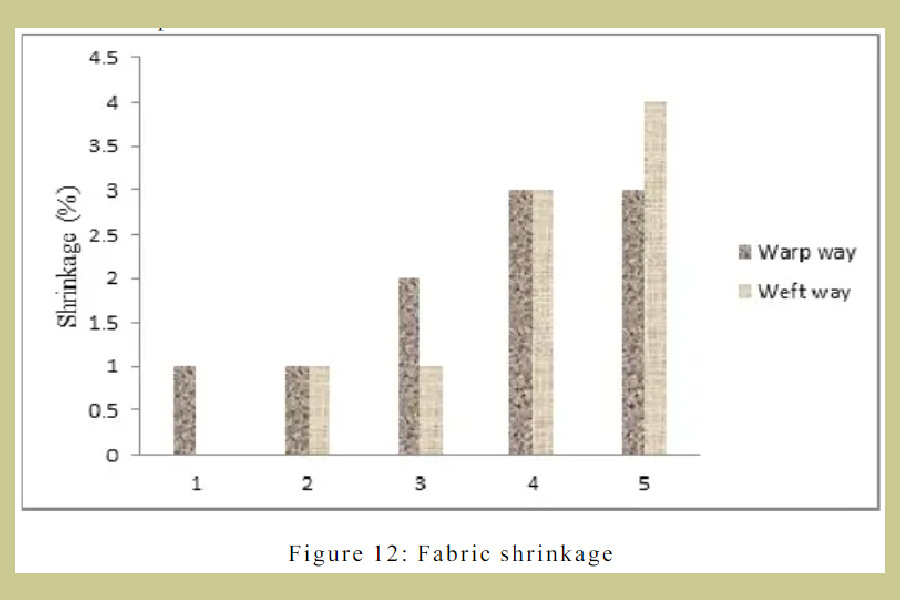
Not all fabrics follow the same rules. Adjust your approach based on material sensitivity.
Silk: Warm Water Only
To shrink silk safely:
- Soak in warm (not hot) water for 5 minutes
- Remove and roll in a thick white towel to absorb moisture
- Do not wring. This breaks delicate fibers
- Air dry or hang dry
- Repeat if needed
For better control, use a steamer instead of immersion.
Cotton-Polyester Blends: Uneven Results
The cotton portion shrinks while the polyester does not. This can cause twisting, puckering, and stiffness. Manage expectations. Fit changes will be subtle. Limit cycles to avoid fabric stress.
100% Polyester: Minimal Change Possible
Expect less than 3% shrinkage. Try repeated hot washes and high-heat drying (3 or more cycles). Targeted ironing with a pressing cloth also works. If no change occurs after three attempts, the garment likely cannot be shrunk further.
How to Avoid Damaging Your Clothes
Shrinking is effective, but aggressive methods can ruin your favorite pieces.
Do Not Overheat Delicate Fibers
Silk and wool lose strength and luster at high temperatures. Always start with warm water and increase gradually. Monitor drying every 5 minutes to catch problems early.
Never Leave Clothes Boiling Too Long
Fibers weaken with prolonged exposure to boiling water. Stick to 5 to 30 minutes maximum.
Avoid Repeated Cycles on Synthetics
Polyester and nylon may melt or warp before they shrink. If no change occurs after three tries, stop attempting further shrinkage.
Prevent Color Bleeding
Always test for dye release using the rubbing alcohol method. Add vinegar to protect colors, but remember that it does not boost shrinkage.
Protect Screen Prints
Turn graphic tees inside out before washing. High heat and agitation crack ink over time.
Can You Unshrink Clothes?
Yes, you can partially restore over-shrunk garments. If you have shrunk a garment too much, you can stretch it back close to its original size.
For Cotton and Linen
Fill a sink with warm water. Add 2 tablespoons of hair conditioner. Soak for 30 minutes. Gently squeeze out water but do not rinse. Stretch the fabric in all directions, pulling sleeves, shoulders, and sides. Lay flat or hang to dry. Wash normally afterward to remove residue.
For Wool and Cashmere
Mix warm water with 2 tablespoons white vinegar per quart. Soak 10 to 30 minutes. Gently stretch while wet. Roll in towels to shape and air dry.
For Synthetics and Rayon
Soak in warm water with mild detergent (no conditioner). Reshape by hand while damp. Lay flat to dry, holding the stretched form.
Results vary. Full restoration is rare, but noticeable loosening is possible.
Pro Tips for Best Results
Maximize effectiveness and minimize risk with these expert strategies.
Start Gradual, Not Extreme
Begin with warm water and low heat. Check progress often. Slow shrinking preserves fabric strength and gives you better control.
Use a Mesh Bag for Delicates
Wool and knits benefit from protection during washing. A mesh laundry bag reduces agitation and prevents damage.
Dry Until Fully Cooled
Leaving clothes in the dryer after the cycle ends helps fibers set in their new, shrunken state.
Measure Before and After
Use a tape measure to track changes in chest, waist, sleeve, or inseam. This helps you avoid over-shrinking.
Air Dry to Stop the Process
Once you hit the right size, switch to air drying. Heat is the trigger. Remove it to lock in the fit.
Frequently Asked Questions About Shrinking Clothes in the Washing Machine
Does cotton shrink every time you wash it in hot water?
Cotton can shrink repeatedly with hot water exposure, but most shrinkage happens in the first few cycles. After that, the fabric stabilizes. Using cold water afterward prevents further shrinkage.
What temperature shrinks clothes the most?
The hottest water setting available (130°F or higher) combined with high heat drying produces the most shrinkage. Boiling water soaks produce maximum results for stubborn items.
Can you shrink clothes that are already preshrunk?
Preshrunk garments can still shrink, but the effect will be less pronounced. You may need to repeat the hot wash and dry cycle multiple times to see noticeable results.
Does shrinking jeans in the washing machine work?
Yes, 100% cotton denim shrinks well in the washing machine. Expect shrinkage in the waist and length. Jeans with stretch (Lycra or elastane) will shrink less because the elastic degrades with heat.
How much can you realistically shrink a shirt?
You can typically shrink most natural fiber clothes by one size. Going from XL to Large is possible. Shrinking XL to Medium is generally not feasible. The physical limit is typically one standard clothing size.
Can you shrink a shirt that is cotton and polyester blend?
Cotton-polyester blends will shrink unevenly. The cotton portion contracts while polyester holds firm, which can cause warping or puckering. Expect subtle changes and manage your expectations.
Key Takeaways for Shrinking Clothes in the Washing Machine

The most important factor in successful shrinking is knowing your fabric. Cotton, wool, and denim respond best to heat and water. Polyester and synthetics resist change significantly. Always check care labels and test for color bleeding before exposing garments to hot water.
Heat, water, and time are your allies in the shrinking process. Start with warm water and low heat if you are unsure. Check progress frequently. For natural fibers, the hottest setting works well. For synthetics, expect minimal change even after repeated attempts.
Once you achieve your desired fit, switch to cold water washes and air drying to maintain the new size. Store shrunk items flat or folded, especially knits and wool. With the right method and patience, you can resize clothes at home safely and effectively without special tools.