If you’re a laundromat owner or property manager, you’ve likely faced this frustrating scenario: the coin box on your commercial washing machine won’t open, and hundreds of dollars in quarters are trapped inside. Customers are waiting, and every minute the machine is down costs you revenue. The good news? Even without a key, there are reliable ways to regain access. This guide walks you through every method, from simple troubleshooting to emergency drilling, so you can unlock the coin box quickly, safely, and legally.
Whether the key is lost, broken, or simply won’t turn, you’ll learn exactly what to do. We’ll cover non-destructive fixes, manufacturer contacts, professional locksmiths, and the definitive last-resort drilling procedure. By the end, you’ll have a clear action plan to restore access and prevent future lockouts.
Locate the Key Code First
Before attempting any physical access, check for the lock’s key code. This is your fastest, damage-free solution.
Check the Original Key
If you still have the original key, even if it won’t turn, look for stamped numbers or letters on the bow (handle). Codes like “777,” “922,” or “ZB-123” are common. These aren’t random numbers; they’re precise keyway identifiers used by manufacturers like Greenwald, ESD, or Maytag. Write down any code you find and keep it in a secure log for future reference.
Inspect the Lock Cylinder
With the machine powered off, use a flashlight to peer into the keyhole or examine the front of the lock. Some models stamp the code directly on the metal face. If the coin box was previously open, check the back of the lock cylinder. Codes are often engraved there and may be visible with good lighting.
Review Purchase and Maintenance Records
Original invoices, service logs, or installation paperwork often list key codes. Contact previous owners or property managers if you’ve recently taken over a site. Digital photos of keys stored in cloud folders can save hours during emergencies.
Try Non-Destructive Fixes First

If the key fits but won’t turn, the problem may be mechanical, not a lost key. Several simple fixes can save you time and money.
Clear Debris from the Keyhole
Lint, dust, and stray coins can jam the lock mechanism. Spray compressed air into the keyhole to blow out debris. Avoid using sharp tools like paperclips, which can scratch internal pins and make the problem worse.
Lubricate the Lock Properly
Use graphite-based lock lubricant, never oil-based sprays. Oil attracts lint and hardens over time, creating a sticky paste that worsens the issue. Insert the key, spray a small amount into the keyhole, and work the key gently for 30 seconds to distribute the lubricant evenly.
Gently Wiggle the Key
Apply steady pressure while slightly wiggling the key up and down and side to side. This can realign worn tumblers inside the lock. Do not force the key. Excessive pressure can snap the key inside the lock, turning a simple fix into a major repair requiring professional extraction.
Contact the Manufacturer for Replacement Keys
If you have the key code, ordering a replacement is fast and affordable. Manufacturers keep records based on codes, not location addresses.
Greenwald and ESD Support Lines
Greenwald Industries can be reached at 800-221-0982 with your code to order a new key. Their fax number is 860-526-4250. ESD Inc. can be dialed at 800-523-1510 for key replacements, with fax service at 215-643-4623. Both companies require the exact code and may ask for proof of ownership. Processing typically takes 3 to 5 business days.
Proprietary Brands (Maytag, Speed Queen, Huebsch)
These brands use restricted key systems, such as Maytag’s ZB series. Replacement keys must be ordered through authorized distributors. If the code is unknown, the manufacturer likely cannot help without inspecting the lock in person. Keep this in mind when taking over a facility with mixed machine brands.
Hire a Professional Locksmith
A skilled locksmith can open the coin box without damaging the lock. This is ideal when the key code is missing and you want to preserve the original hardware.
Choose the Right Specialist
Not all locksmiths handle commercial laundry locks. Call ahead and confirm they have experience with Greenwald, ESD, Medeco, or Abloy systems. Standard residential locksmiths often lack the correct key blanks or tools for these high-security locks. Ask specifically about their experience with commercial coin boxes before scheduling.
Cost vs. Risk Analysis
Expect to pay $60 to $100 per visit, with a typical job taking 30 to 60 minutes. While not cheap, this avoids the cost of a new lock (which runs $25 to $50) and prevents damage from DIY drilling. For multiple machines at one location, hiring a professional is often the safer, long-term solution.
When All Else Fails: Drill the Lock
If the coin box is full, the key is lost, and no code exists, drilling is your last resort. Done correctly, it takes under 3 minutes and restores immediate access.
Safety First: Unplug the Machine
Always disconnect power before starting. Washing machines contain electrical components and water lines. Mixing them with metal shavings and drilling sparks is dangerous. Unplug the machine or shut off the circuit breaker before proceeding.
Gather the Right Tools
Using the wrong tools leads to broken bits and frustration. You’ll need a carbide or cobalt 1/2-inch drill bit (standard for Greenwald and ESD locks), a variable-speed power drill, a bull nose center punch, safety goggles and gloves, compressed air, and a flathead screwdriver. Avoid cheap hardware store bits. They’ll dull instantly on hardened steel.
Step-by-Step: Drill the Coin Box Lock
Mark the center of the keyhole with the bull nose center punch. This creates a deep dimple that prevents the drill bit from slipping and damaging the machine’s faceplate. Insert the carbide bit into the punch mark and set the drill to medium RPM. High speed generates heat and risks bit failure. Apply steady, even pressure while keeping the drill straight and level.
You’ll feel resistance as the bit hits hardened steel pins designed to stop thieves. Keep drilling. High-quality bits will cut through, and metal shavings indicate progress. Continue until you feel a sudden drop in resistance, meaning you’ve destroyed the internal cam or shear line. Most locks open after drilling 1/2 inch into the cylinder.
Blow out metal debris with compressed air. Insert a flathead screwdriver into the drilled hole and turn clockwise like a key. The lock should disengage, and the coin box door will open. Remove the cash and check for broken key fragments or internal damage. If the box was full, the machine may now resume normal operation once the lock is replaced.
Replace the Lock Immediately
A drilled lock offers zero security. Leaving it in place invites theft and weather damage. Replace it the same day.
Choose the Right Replacement
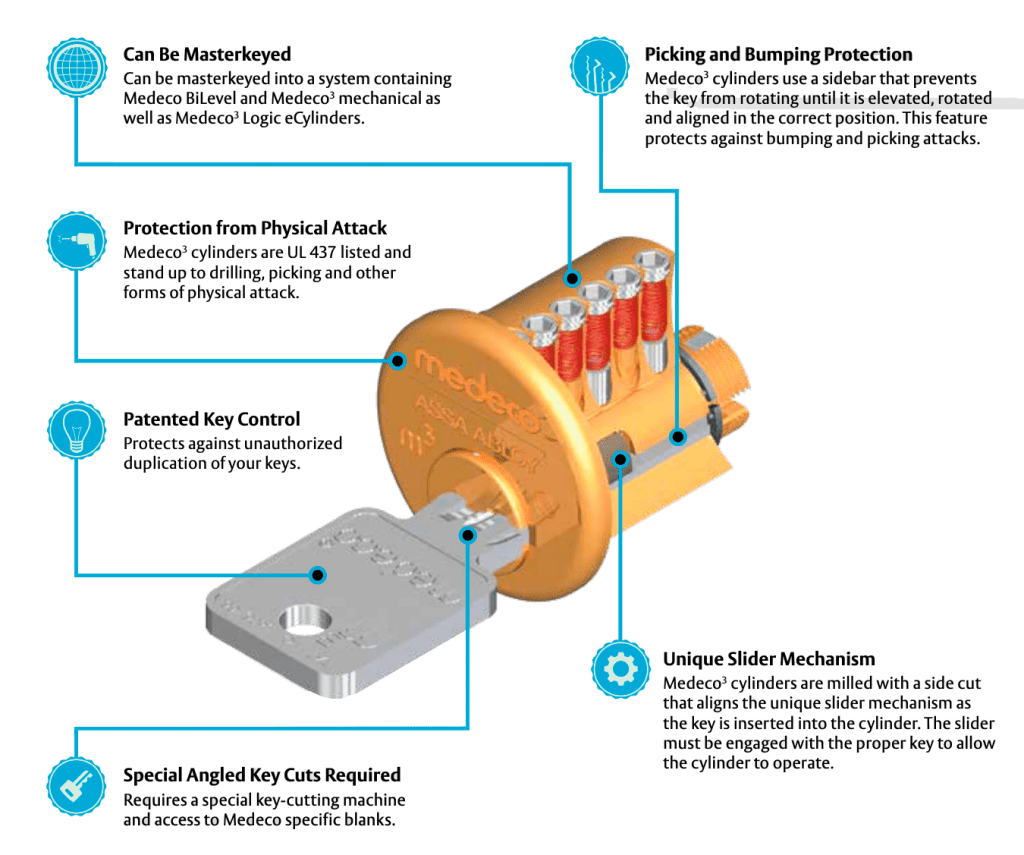
Common models include the UG-800A, Greenwald 1000, or ESD 5000. Match the model number stamped on the coin box. For better security, consider upgrading to Medeco or Abloy high-security locks. These offer superior resistance to picking and drilling compared to standard OEM locks.
Install the New Lock
Remove all remnants of the old cylinder with pliers. Insert the new lock into the housing and secure it with the retaining clip or set screw. Test the key multiple times, locking and unlocking with the door closed. Reconnect power and verify machine operation before leaving the site.
Prevent Future Lockouts

The best fix is never needing one. Implement these strategies to avoid repeat emergencies.
Create a Key Code Database
Record every key code in a secure digital document (password-protected) and a physical binder stored off-site. Include the machine serial number, lock model, key code, and date of last access. Take photos of each key and label them clearly for quick reference.
Order Spare Keys Early
Buy 3 to 4 spare keys per machine during initial setup. Store one set on-site (in a lockbox), one off-site (safe deposit box), and keep one with your manager. Never keep all keys in one location.
Standardize Your Key System
For facilities with multiple brands, consider a re-keying project. Replace all coin box locks with a single brand and code, such as all Greenwald 777. One master key can then open every machine, simplifying collections and reducing key clutter.
Upgrade to Electronic Coin Boxes
Modern alternatives eliminate keys entirely. Digital coin acceptors with remote unlock via smartphone app allow you to monitor fill levels in real time, unlock boxes remotely, and receive low-battery or full-box alerts. While an upfront cost of $150 to $300 per machine, these systems reduce long-term maintenance and downtime.
Frequently Asked Questions About Opening Washing Machine Coin Boxes
Can I use a master key for all machines?
No universal master key exists across brands. Keys are brand and model-specific. Master keys only work if locks were ordered “keyed alike” from the same manufacturer.
What if the drill bit breaks inside?
Use a broken bit extractor or contact a locksmith. To prevent this, use carbide bits, avoid forcing the drill, and maintain medium speed with steady pressure.
Will a full coin box stop the machine?
Yes. Many commercial washers have full-bin sensors that disable the machine when the coin box is full. Immediate access is required to restore service.
Is drilling legal?
Only if you own the machine or have permission. Drilling a coin box on someone else’s property constitutes theft and vandalism. Always verify ownership before proceeding.
How long does it take to get a replacement key?
Standard codes like 777 or 922 typically ship within 3 to 7 days. Proprietary or overseas codes can take 2 to 6 weeks. Emergency drilling takes 2 to 5 minutes for immediate access.
Key Takeaways for Opening Coin Boxes Without Keys
Opening a washing machine coin box without a key is a common but solvable challenge. Always start by locating the key code, which is the fastest damage-free solution. Try lubrication and gentle manipulation before calling a professional locksmith. Reserve drilling as a last resort when time is critical and codes are unavailable. With the right tools and knowledge, you can regain access in minutes, protect your revenue, and prevent future lockouts through smart key management and modern upgrades.