Washing feather pillows in a washing machine might seem risky, but it is a safe and effective way to refresh your bedding when done correctly. Over time, pillows accumulate sweat, oils, dust mites, and allergens, leading to yellowing, odors, and reduced support. The real danger is not the wash itself, but improper drying. A pillow that is damp at the core will grow mold and mildew fast, ruining both smell and structure. Using the wrong detergent can also strip natural oils from feathers, leaving them brittle and sharp. This guide walks you through every critical step, from pre-wash checks to the final fluff, so you do not damage your pillows or your machine.
Check Pillow Condition Before Washing
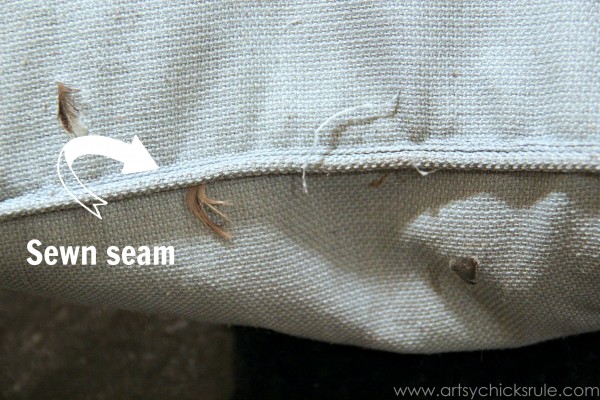
Before tossing your pillow in the washer, inspect it closely. Damaged pillows can leak feathers into your machine, clogging pumps and drains.
Inspect Seams and Fabric for Damage
Run your hands over the entire pillow. Look for loose threads, small tears, or thin spots in the fabric. Even a tiny hole can turn into a full-blown feather explosion during the spin cycle. If you find damage, mend it with a needle and thread or fabric glue. Reinforce weak seams to prevent blowouts.
Verify Care Label Instructions
Check the manufacturer tag. Some high-end or specialty feather pillows are dry-clean only. Washing them at home could void the warranty or destroy the fill. If the label says “do not wash,” respect it and choose spot cleaning or professional cleaning instead.
Balance Your Washer Load Properly

An unbalanced load can make your washing machine shake violently, damaging both the appliance and the pillow.
Wash Two Pillows Together
Always wash feather pillows in pairs. This balances the drum during the spin cycle, preventing dangerous vibrations. If you only have one pillow, add a bath towel or your pillow protector to the opposite side of the drum. This counterweight keeps the machine stable.
Position Pillows Vertically in the Drum
Place the pillows upright in the drum, not flat. In front-loaders, this helps them tumble smoothly. In top-loaders, press them down gently to submerge them. Floating pillows will not get clean because trapped air prevents proper agitation and rinsing.
Select the Right Detergent for Feather Pillows
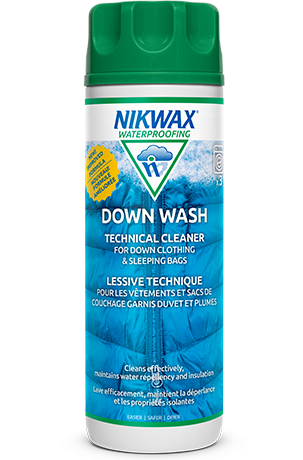
The wrong soap can destroy your pillow loft and comfort. Feathers have natural oils that keep them flexible and soft. Harsh detergents strip these oils, leading to brittle, sharp quills.
Choose Mild, Low-Suds Detergent
Use a gentle, liquid detergent designed for delicates or down. Recommended options include Woolite, Nikwax Down Wash, Grangers Down Wash, or pure, filler-free powder detergents. Avoid anything with bleach, enzymes, or fabric softeners. These leave residues that attract dirt and reduce fluffiness.
Pre-Treat Stains and Yellowing
For sweat stains or yellowing, pre-soak the pillow for one hour in warm water with half a cup of baking soda and half a cup of white vinegar. This natural combo lifts oils without damaging feathers. For stubborn stains, apply a small amount of mild stain remover directly before washing.
Set Up the Correct Wash Cycle
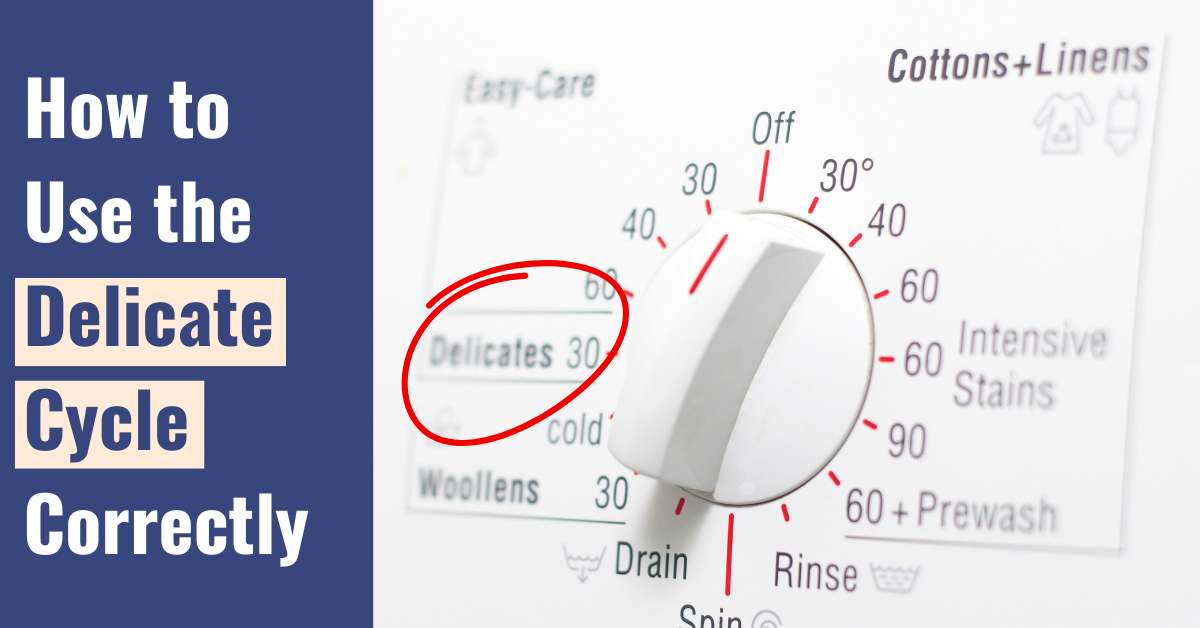
The cycle settings determine whether your pillow survives or gets ruined.
Select Gentle or Delicate Mode
Choose Gentle, Delicate, or Permanent Press on your machine. These cycles use slower agitation and longer rinse times, protecting the feather structure.
Use Warm or Cold Water Only
Never use hot water. Temperatures above 40°C (105°F) can shrink fabrics and break down feather proteins. Stick to warm (30-40°C) or cold water to preserve integrity.
Ensure Complete Submersion During Wash
Start the machine and pause it after 2-3 minutes. Check if the pillow has sunk. If it is floating, open the lid and press it down to release trapped air. Resubmerge fully because washing a floating pillow is ineffective.
Always Run a Double Rinse
Feathers trap soap, and pillow casings block full rinsing. A single rinse leaves detergent residue, causing stiffness and odors. Always run a second rinse cycle. If your machine has a rinse plus spin or extra rinse option, use it.
Dry Feather Pillows Completely
Drying is the most critical step. Incomplete drying leads to mold, mildew, and permanent damage. The inside dries much slower than the outside.
Use Low Heat Only
Set your dryer to Low Heat or Air Fluff. High heat scorches feathers and melts synthetic blends. Never use High or Heavy Duty settings.
Add Dryer Balls or Tennis Balls
Toss in 2-3 clean tennis balls or wool dryer balls. These bounce around, breaking up clumps and restoring loft. They also speed up drying by fluffing the fill. Ensure balls are clean because dirty ones can stain the pillow.
Plan for 2-3 Hours of Drying Time
Expect 2-3 drying cycles (about 50 minutes each). One cycle is never enough. Even if the outside feels dry, the core may still be damp. Coolness when pinched means moisture remains.
Shake and Fluff Every 15 Minutes
Pause the dryer every 10-15 minutes. Remove the pillow, shake it vigorously, and squeeze different sections to redistribute the fill. This prevents wet clumps in the center and ensures even drying.
Verify Complete Dryness With the Pinch Test
When the cycle ends, perform the pinch test. Grab a section of the pillow and press it. If it feels cool, damp, or does not spring back, return it to the dryer. Smell the pillow because any musty odor means moisture is still present. Continue drying until it is warm, fluffy, and odor-free.
Solve Common Washing Problems

Even with care, issues can arise. Here is how to solve them.
Fix Lumpy or Clumpy Fill
Cause: Poor agitation or insufficient fluffing during drying. Fix: Dry with tennis balls. Pause every 15 minutes to shake and manually break up clumps. Run an extra rinse if soap residue is suspected.
Eliminate Musty or Mildew Smell
Cause: Incomplete drying. Fix: Return to dryer on low heat immediately. Run multiple cycles until core is fully dry. If the smell persists, the pillow is likely ruined and should be replaced.
Address Sharp or Prickly Feeling
Cause: Feather quills have broken due to oil stripping or harsh washing. Fix: This is irreversible. The pillow has lost structural integrity and must be replaced.
Remove Yellow Stains
Cause: Deep-set body oils. Fix: Pre-soak before washing. While stains may fade, some discoloration can remain even in a hygienic pillow. Use a pillow protector to prevent future staining.
Restore Lost Loft or Flatness
Cause: Residual soap or poor drying. Fix: Run an extra rinse cycle. Dry with dryer balls and frequent shaking. Fluff by hand after drying.
Extend Pillow Life Between Washes
Washing every 6 months is enough. Protect your pillows to minimize cleaning needs.
Use Pillow Protectors
A zippered, waterproof pillow protector is essential. It blocks sweat, oils, and dust mites, extending time between washes and overall lifespan. Use it under your pillowcase.
Fluff and Air Daily
Fluff your pillow every morning by hand. This redistributes feathers and prevents permanent compression. Let it air out uncovered for 10-15 minutes to release overnight moisture.
Store Properly
When not in use, store in a breathable cotton bag. Never use plastic because it traps moisture and promotes mold. Keep in a cool, dry place away from direct sunlight.
Replace When Needed
Replace feather pillows every 2-3 years with regular use. Signs it is time include when the pillow no longer supports your neck, remains flat after fluffing, causes allergies or discomfort, or smells musty even after drying. High-end pillows may last 7-10 years with protectors and no washing, but most will not survive repeated machine cleaning.
When to Avoid Machine Washing
Some situations call for alternative cleaning methods.
Hand Wash Fragile Pillows
For old, delicate, or label-restricted pillows, fill a bathtub with lukewarm water and mild detergent. Submerge and gently squeeze (never wring). Rinse until water runs clear. Press out water and dry as normal.
Choose Dry Cleaning
If you lack a dryer or the pillow is high-value, use a professional cleaner experienced with down and feathers. Avoid standard dry cleaners because they may use harsh chemicals.
Freshen Without Washing
To revive a tired pillow without a full wash, tumble dry on low heat for 10-15 minutes with dryer balls. Add a damp washcloth and fabric softener sheet for extra freshness (use sparingly). Do not use softener sheets during a wet wash because they coat feathers and reduce breathability.
Frequently Asked Questions About Washing Feather Pillows
Can I machine wash feather pillows safely?
Yes, you can machine wash feather pillows safely when you use the right approach. Use a gentle cycle with warm or cold water, mild detergent, and always run a double rinse. The most critical step is thorough drying because any remaining moisture leads to mold. Skip this step and you risk ruining your pillow.
How often should I wash feather pillows?
Wash feather pillows every 6 months for general maintenance. Allergy sufferers should wash every 3-4 months to minimize allergen buildup. Some manufacturers recommend washing only in emergencies because repeated machine washing can reduce the pillow lifespan to 2-3 years instead of the typical 7-10 years.
Why does my pillow smell musty after washing?
A musty smell means the pillow is not completely dry. The interior takes much longer to dry than the exterior. Return the pillow to the dryer on low heat and run additional cycles until the core is fully dry. If the smell persists after thorough drying, the pillow is likely ruined and needs replacement.
What happens if I use regular detergent on feather pillows?
Regular detergents strip the natural oils from feathers, causing them to become brittle and break. This creates sharp quills that poke through the pillow and reduces loft. Always use mild, low-suds detergent designed for delicates or down products.
Can I air dry feather pillows instead of using a dryer?
Air drying is risky and not recommended unless you live in a hot, dry climate. Feather pillows take days to dry completely when laid flat or hung. Humidity traps moisture inside, inviting mold. If you must air dry, lay flat on a clean surface, flip every few hours, and finish with a 30-minute low-heat dryer cycle to ensure full dryness.
Key Takeaways for Washing Feather Pillows
Washing feather pillows in a machine is safe only when you follow strict guidelines. Use mild detergent specifically designed for delicates or down products. Never use hot water, bleach, or fabric softeners. Select the gentle or delicate cycle with warm or cold water, and always run a double rinse to remove all soap residue.
The drying process matters more than the washing process. Set your dryer to low heat and expect 2-3 hours of total drying time across multiple cycles. Add clean tennis balls or wool dryer balls to break up clumps. Pause every 15 minutes to shake and fluff the pillow manually. Perform the pinch test to verify the core is completely dry before storing.
Protect your investment between washes by using a zippered pillow protector, fluffing daily, and storing in a breathable cotton bag. With proper care, your feather pillows can stay fresh, supportive, and clean for years.