You’ve noticed a musty smell clinging to your clothes even though they’re freshly washed. Or maybe your machine makes odd noises, or you’ve spotted gunk around the rubber seal. These are telltale signs your washing machine needs more than a regular cycle. Using washing machine cleaner tablets correctly eliminates odors at the source, prevents mechanical issues, and extends your machine’s life with minimal effort.
This guide walks you through the exact steps to use washing machine cleaner tablets effectively, based on top brands like Affresh, Active, and True Fresh, so your washer works like new every time.
Prepare the Machine for Deep Cleaning
Before starting, ensure your washing machine is ready for a deep clean. An unprepared machine can block the tablet’s action or create safety risks.
Empty and Inspect the Drum
Remove all clothing, towels, or debris from the drum. Even a single sock left behind can trap residue or interfere with water flow. Check the drum corners, under the agitator in top-load models, and behind the door seal for lint, hair, or foreign objects. Front-loaders often collect gunk in the rubber gasket, so wipe it down with a dry cloth if visibly dirty.
Check Door and Lid Security
Close the door or lid fully to confirm it latches. A poorly sealed unit may pause the cycle or prevent hot water from filling. For front-loaders, inspect the door lock mechanism for obstructions. For top-loaders, ensure the lid switch engages when closed.
Dry Hands Before Handling Tablet
Most tablets are moisture-sensitive and can begin dissolving if touched with wet hands. Always handle the tablet with dry fingers to preserve its integrity until it reaches the drum.
Place the Cleaner Tablet Correctly
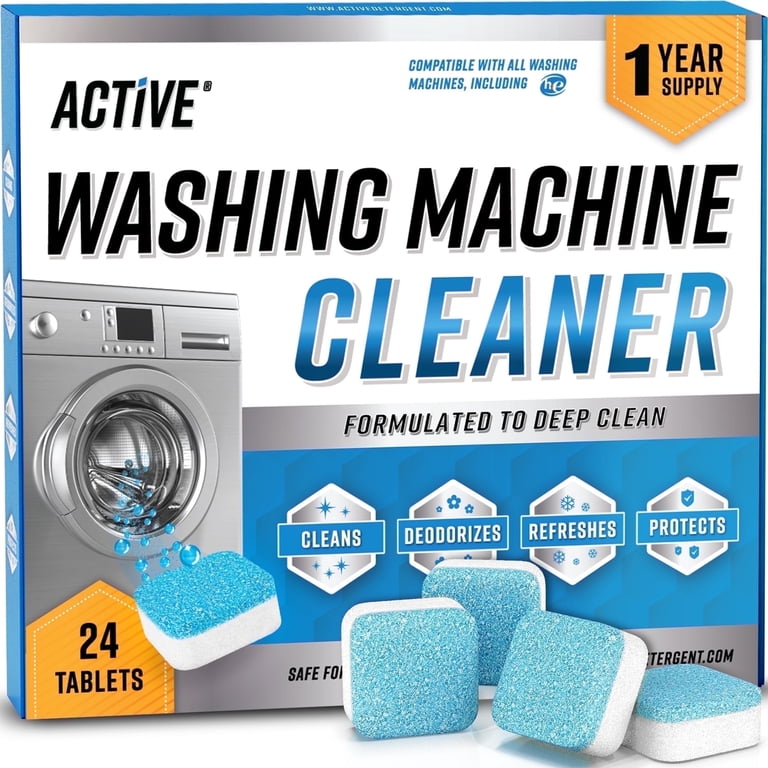
Proper placement ensures full dissolution and even distribution of cleaning agents throughout the cycle.
Drop Tablet in the Drum
Always place the tablet directly into the empty drum, ideally in the center. This allows immediate contact with water and maximizes agitation. Despite some DIY habits, do not put the tablet in the detergent dispenser unless the brand specifically allows it, such as ACTIVE Washer Cleaner. Doing so risks clogging or incomplete release.
Use the Right Number of Tablets
One tablet is standard for most machines and brands like Affresh and Active. Two tablets are recommended for large-capacity top-loaders or heavily soiled machines, following True Fresh guidelines. Overuse does not speed up cleaning and may leave excess residue.
Run the Optimal Cleaning Cycle

The cycle you choose determines how well the tablet works. Incorrect settings can render the treatment ineffective.
Select the Hottest Water Setting
Set the temperature to hot or sanitize mode, ideally 120°F to 140°F or 49°C to 60°C. Heat activates the cleaning agents, dissolves grease, and kills mold and bacteria. Cold or warm water will not trigger full tablet performance.
Choose the Longest Cycle Available
Opt for Clean Washer, Tub Clean, or Heavy Duty if your machine has it. These cycles run longer, typically 1.5 to 3 hours, use intense agitation, and include extra rinse phases perfect for flushing out loosened grime.
Start Without Additives
Never add laundry detergent, bleach, or fabric softener. The cleaner tablet is the only product needed. Adding others can cause oversudsing, reduce cleaning power, or create chemical reactions.
Monitor Dissolution and Distribution
While the cycle runs, verify the tablet is working as intended.
Watch the First 5 to 10 Minutes
Check through the door window if front-load to confirm water contact dissolves the tablet. It should begin breaking down within minutes. Time-release formulas like Affresh dissolve slowly but steadily.
Address Stuck Tablets Immediately
If the tablet sticks to the drum or remains intact after water fills, pause the cycle and gently nudge it into the center with a dry tool or gloved hand. Resuming ensures even distribution.
Wipe Down and Dry After Cleaning
Post-cycle maintenance locks in results and prevents rapid recontamination.
Remove Residue with a Damp Cloth
After the cycle ends, open the machine and wipe the drum, door seal, detergent drawer, and inner lid with a microfiber cloth. Some residue is normal, especially with time-release tablets, but wiping removes loosened gunk and leftover particles.
Focus on High-Risk Areas
Front-loaders need thorough rubber gasket cleaning. Pull back the folds to remove trapped moisture and black mold. Top-loaders require attention under the lid rim and around the agitator base where fabric softener builds up.
Leave Door or Lid Open
Keep the washer open for at least 4 to 6 hours after cleaning. This promotes airflow and dries internal surfaces, stopping mold before it starts. For best results, leave it open between all future loads.
Follow the Right Cleaning Schedule
Consistent use prevents buildup and extends time between deep cleans.
Clean Monthly for Most Households
Run a tablet cycle once every 30 days or after 30 washes, following Affresh recommendations. This maintains hygiene and prevents odor development.
Increase Frequency for Heavy Use
Households with five or more members, frequent large loads, or hard water should clean every two weeks, following Active guidelines. High usage accelerates residue accumulation.
First-Time or Neglected Machines
If your washer has not been cleaned in over six months, run up to three consecutive cleaning cycles. This tackles deep-set grime and restores performance.
Avoid Common Mistakes
Even small errors can undermine the cleaning process.
Do Not Use Cold Water
Cold settings prevent tablet activation. Always use the hottest available temperature.
Do Not Overload with Additives
Adding vinegar, baking soda, or extra detergents creates suds conflicts and reduces cleaning power. The tablet is a complete solution.
Do Not Skip Post-Clean Wiping
Residue left behind recontaminates the next load. Always wipe seals and drum after the cycle.
Do Not Close the Door Immediately
Trapped moisture breeds mold. Always leave the washer open after use. This is the number one prevention tip.
Compare Tablets vs. DIY Methods

Understand why tablets outperform homemade solutions.
DIY Vinegar and Baking Soda
Vinegar and baking soda cost less and are household staples. However, they require multiple cycles, deliver inconsistent results, and are less effective on grease and mold. Vinegar can also degrade rubber seals over time.
Washer Cleaner Tablets
Tablets offer pre-measured, time-release action and are septic-safe and HE-compatible for single-cycle use. The upfront cost is higher, but they save time and deliver superior results. Studies show tablets remove up to 90% more soap scum and mildew than vinegar alone, especially in hard water areas.
Maintain Long-Term Washer Health

Pair tablet use with daily habits for lasting freshness.
Wipe the Gasket After Every Load
Front-loader users should spend 10 seconds wiping the door seal dry after each wash. This simple act prevents 80% of mold issues.
Clean the Detergent Drawer Weekly
Remove the drawer and rinse under warm water to prevent clogs and bacterial growth.
Use the Correct Detergent Amount
Overdosing causes buildup. Follow label instructions and use HE detergent in HE machines.
Check Hoses and Filters Quarterly
Inspect inlet hoses for bulges or leaks. Clean the drain pump filter to avoid clogs and error codes.
Avoid Overloading
Overfilling reduces cleaning efficiency and strains the motor. Leave space for clothes to move freely.
Troubleshoot Persistent Issues
Even with proper use, problems can occur.
Odors Remain After One Cycle
Run a second or third consecutive cleaning cycle. Severely neglected machines need multiple treatments.
Tablet Does Not Dissolve
Verify that water temperature is set to hot, the tablet was placed in the drum not the dispenser, and the machine is not overloaded with residue blocking water flow.
Residue Left Behind
Wipe it off. It is normal. Time-release formulas leave behind cleaning agents that continue working. A damp cloth removes it easily.
Top-Load vs. Front-Load Tips
Front-loaders should prioritize gasket drying and door-open policy. Top-loaders should focus on agitator base and lid seal cleaning.
Frequently Asked Questions About Washing Machine Cleaner Tablets
How often should I use washing machine cleaner tablets?
For most households, use one tablet once every 30 days or after 30 wash cycles. Households with heavy use, five or more members, or hard water should clean every two weeks.
Can I use washing machine cleaner tablets in both front-load and top-load machines?
Yes, all major brands are safe for both front-load and top-load washers, including High-Efficiency models. However, front-loaders require extra attention to the rubber gasket, while top-loaders need focus around the agitator and lid.
Where should I place the tablet in the washing machine?
Always place the tablet directly in the drum, ideally in the center. Do not place it in the detergent dispenser unless the specific brand explicitly instructs this, like ACTIVE Washer Cleaner.
What happens if I use cold water instead of hot water?
Cold water prevents the tablet from activating fully. The cleaning agents need heat to dissolve grease, soap scum, and kill mold and bacteria. Always select the hottest water setting available.
Can I add vinegar or baking soda to the cleaning cycle?
No. Adding vinegar, baking soda, or any detergent to the cleaning cycle can cause oversudsing, reduce cleaning power, or create chemical reactions. The tablet works as a complete solution on its own.
Why does my washing machine still smell after using cleaner tablets?
If odors persist after one cycle, your machine may need multiple consecutive treatments. For machines not cleaned in over six months, run up to three cleaning cycles in a row to tackle deep-set grime.
Key Takeaways for Using Washing Machine Cleaner Tablets

Using washing machine cleaner tablets properly means placing one tablet in the drum, running a hot long cycle, and wiping down afterward. This keeps your washer fresh, efficient, and long-lasting. Stick to a monthly schedule for standard use or every two weeks for heavy households. Avoid common mistakes like using cold water, adding extra cleaners, or closing the door immediately after use.
Combine tablet use with smart daily habits like leaving the door open, wiping the gasket after every load, and using the correct detergent amount. Your clothes will come out cleaner, your machine will run better, and you will avoid costly repairs down the line.