If your washing machine has developed a musty smell, your clothes come out smelling less than fresh, or you have noticed residue building up inside the drum, it is time to clean it. Tide Washing Machine Cleaner is one of the most effective solutions available, designed specifically to break down soap scum, detergent buildup, hard water minerals, and odor-causing bacteria. Whether you own a front-loader or top-loader, using Tide Washing Machine Cleaner is simple, fast, and essential for monthly maintenance. In this guide, you will learn exactly how to use it properly, avoid common mistakes, and keep your machine running like new.
Tide Washing Machine Cleaner Formats Explained
Tide offers different versions of its washing machine cleaner, and choosing the right one ensures optimal results.
Pouch vs. Granules: Which One to Pick
The pouch version comes as a pre-measured, single-use packet designed for convenience. This format is ideal for users who prefer a mess-free option. The granular version, sometimes labeled as Tide with Oxi or Plus Ultra, comes in a sealed packet of blue and white granules. This version contains what Tide calls “Blue Magic” technology and claims up to five times more cleaning power than standard cleaners. Both formats are safe for HE (high-efficiency), front-loading, and top-loading washers, but placement and usage differ slightly.
Identifying Your Washer Type
Front-loaders have doors that open at the front and often feature a rubber gasket and detergent drawer. Top-loaders have lids that open from above and typically fill with more water using agitators or impellers. Knowing your machine type determines where to place the cleaner and which method to use.
Placing Tide Cleaner in Front-Load Washers
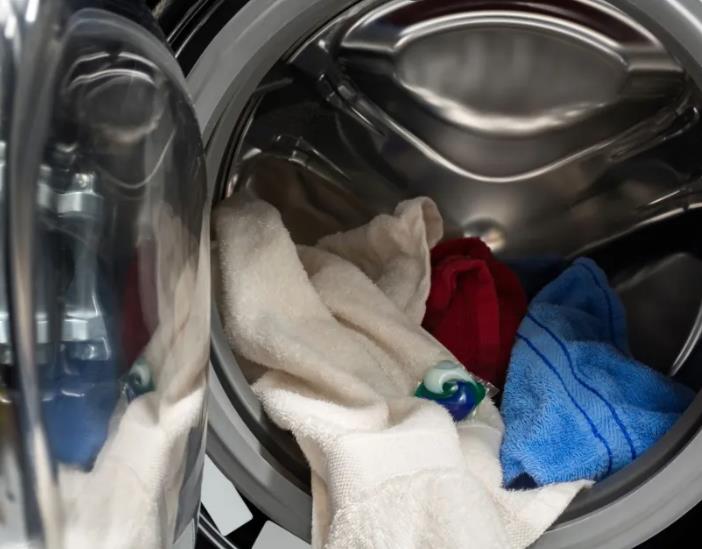
Proper placement ensures full dispersion and maximum cleaning power when using a front-loader.
Using the Detergent Dispenser
Start by emptying the drum completely. Place one pouch into the powder detergent dispenser drawer. If your machine uses liquid detergent normally, switch the dispenser setting to powder mode to prevent clogs and ensure proper release. Do not add any laundry detergent, fabric softener, or bleach during this cycle. Alternatively, for granular versions, pour the entire packet directly into the drum rather than the dispenser.
Selecting the Right Cycle
Choose a normal wash cycle with the hot water setting. If your machine features a dedicated “Washer Clean” cycle, use this instead as it often runs longer and uses more water for deeper cleaning. Start the machine and allow it to complete the full cycle without interruption.
Placing Tide Cleaner in Top-Load Washers

Top-loaders require a different placement method to ensure even distribution.
Direct Drum Placement
Remove all laundry and ensure the tub is completely empty. Pour the entire pouch or granule packet directly into the drum. Do not use the dispenser for top-loaders unless your specific model manual specifies otherwise. Direct drum placement ensures even distribution when the cycle begins.
Cycle Selection for Top-Loaders
Set the machine to a normal cycle with the highest water temperature and highest water level available. Use the machine’s built-in cleaning cycle if it has one. Run the full cycle with no laundry inside.
Running the Hot Water Cleaning Cycle
The cycle you choose impacts how well the cleaner works.
Why Hot Water Is Essential
Hot water activates the oxygenated bleach system in Tide, breaking down grime and killing odor-causing bacteria. Set the temperature to the highest setting available. Using cold water will not activate the cleaning agents and will result in ineffective cleaning.
What Happens During the Cycle
The cleaner dissolves and circulates through the drum, hoses, pump, and seals. Oxygenated bleach lifts away soap scum, lint, and mineral deposits. Surface-active ingredients penetrate hard-to-reach areas where mold and mildew hide. A built-in perfume system leaves a fresh scent in the machine when complete.
Signs the Cleaner Is Working
You may see discolored water or faint residue lines during the cycle, which is normal and indicates buildup is being removed. After the rinse, the drum should feel smooth, not slimy or gritty.
Wiping Down Your Washer After Cleaning
Post-cycle care enhances long-term performance and prevents mold growth.
Key Areas to Clean
After the cycle finishes, wipe the rubber door gasket on front-loaders with a dry cloth to remove moisture and prevent mold. Clean the detergent and softener drawers by removing them if possible and rinsing under warm water. Wipe the drum and door glass with a microfiber cloth to catch any lingering dampness.
Preventing Future Mold
Prop the door and detergent drawer open slightly after each use to allow air circulation. This simple step prevents mildew and musty odors between cleanings. Remove clothes immediately after the cycle ends, or within two hours at most, to prevent odor transfer.
Monthly Maintenance Schedule for Your Washer
Consistency is key to maintaining a fresh, efficient washer.
Why Monthly Cleaning Matters
Front-loaders are particularly prone to mold and mildew due to sealed drums and moisture traps. Top-loaders accumulate detergent residue and hard water scale, especially in high-use households. Monthly cleaning with Tide prevents dingy clothes, off-smells, and reduced cleaning efficiency.
Signs You Need to Clean Sooner
Run a cleaning cycle immediately if your clothes smell musty after washing, you see visible residue or film inside the drum, pet or sweat odors linger, or you notice unusual noises or reduced cleaning performance.
Common Mistakes That Reduce Cleaning Power

Even small errors can reduce cleaning effectiveness significantly.
Using Cold Water
Cold water will not activate the oxygenated bleach. Always use hot water, as this is non-negotiable for proper cleaning.
Skipping the Powder Setting
If using the pouch in the dispenser on a front-loader, ensure it is set to powder mode. Liquid mode can cause leaks or incomplete release of the cleaner.
Adding Laundry
Never run the cleaner with clothes in the drum. Extra items block circulation and reduce cleaning power significantly.
Using Harsh Cleaners on Exterior
Clean the outside of your washer with warm, soapy water only. Avoid abrasives or scouring pads, as they can damage plastic and paint surfaces.
Tide vs. DIY Cleaners: What Works Better

Tide offers a faster, more effective alternative to home remedies.
Why Tide Beats Vinegar and Baking Soda
Tide requires only one step, while DIY methods require four to five steps and multiple cycles. Tide takes about one hour, while DIY methods take two or more hours. Tide targets bacteria with oxygen bleach for effective odor removal, while vinegar and baking soda rely on mild acid action only. Tide provides deep-penetrating granules or liquid that reach hidden areas, while DIY methods offer limited penetration. Users report that DIY methods are more hassle than they are worth and less effective on stubborn buildup.
Quick Comparison
| Factor | Tide Cleaner | DIY Vinegar and Baking Soda |
|---|---|---|
| Steps Required | One step | Four to five steps |
| Time Required | One hour | Two plus hours |
| Odor Removal | Targets bacteria | Mild acid action only |
| Residue Removal | Deep penetrating | Limited penetration |
Troubleshooting Washer Odor Problems

Use Tide to solve recurring problems in your washing machine.
Musty Smell After Washing
Mold in the gasket or drum causes this issue. Run Tide cleaner monthly and leave the door open after each use to prevent recurrence.
Dingy or Smelly Clothes
A dirty drum transfers odor to your laundry. Clean the machine with Tide on a hot cycle before washing clothes.
Clogged Dispenser
Detergent and softener buildup causes this problem. Remove and rinse the drawer weekly and use Tide monthly to prevent recurrence.
Excessive Vibration
An unbalanced load or unlevel machine causes this issue. Leave one hand-width of space at the top of the drum and use a spirit level to adjust the washer feet.
Frequently Asked Questions About Tide Washing Machine Cleaner
Can I use Tide Washing Machine Cleaner in a top-loader?
Yes, Tide Washing Machine Cleaner works in both front-loading and top-loading washing machines. For top-loaders, pour the pouch or granules directly into the drum rather than the dispenser.
How often should I run Tide Washing Machine Cleaner?
Run Tide Washing Machine Cleaner once a month for best results. If you notice musty odors, dingy clothes, or visible residue, clean immediately regardless of when you last used the cleaner.
Do I need to use hot water with Tide Washing Machine Cleaner?
Yes, hot water is required to activate the oxygenated bleach system in Tide. Cold water will not effectively clean the machine and may leave residue behind.
Can I add laundry detergent with Tide Washing Machine Cleaner?
No, do not add any laundry detergent, fabric softener, or bleach when running the cleaning cycle. The machine should be empty except for the Tide cleaner.
Does Tide work on hard water buildup?
Yes, Tide Washing Machine Cleaner breaks down hard water minerals that cause scaling and reduce efficiency. It is particularly effective in areas with hard water.
Is Tide safe for HE washing machines?
Yes, Tide Washing Machine Cleaner is safe for HE (high-efficiency) machines. Use the “Washer Clean” cycle if your machine has one, or select a normal cycle with hot water.
Key Takeaways for Using Tide Washing Machine Cleaner
Using Tide Washing Machine Cleaner once a month is a simple, powerful way to maintain your washer is performance, eliminate odors, and keep clothes smelling fresh. Whether you use the pouch or granular version, follow the correct placement method for your washer type and always run a hot water cycle. Combine it with good habits like leaving the door open between uses and wiping seals after each load to prevent mold and extend your machine is life. Skip the messy DIY methods and trust a proven solution that works in one easy step. Your washer and your laundry will thank you.