You’ve sorted your laundry, found the right detergent, and stood in front of your top loader now what? Knowing how to use a top loader washing machine properly makes the difference between clean, fresh clothes and stained, tangled, or even damaged fabrics. This guide walks you through every stage of the process from sorting and loading to selecting cycles and avoiding common mistakes. With the right technique, you’ll extend the life of your clothes, protect your machine, and get consistently better results without the guesswork.
Sort Clothes by Color and Fabric Type
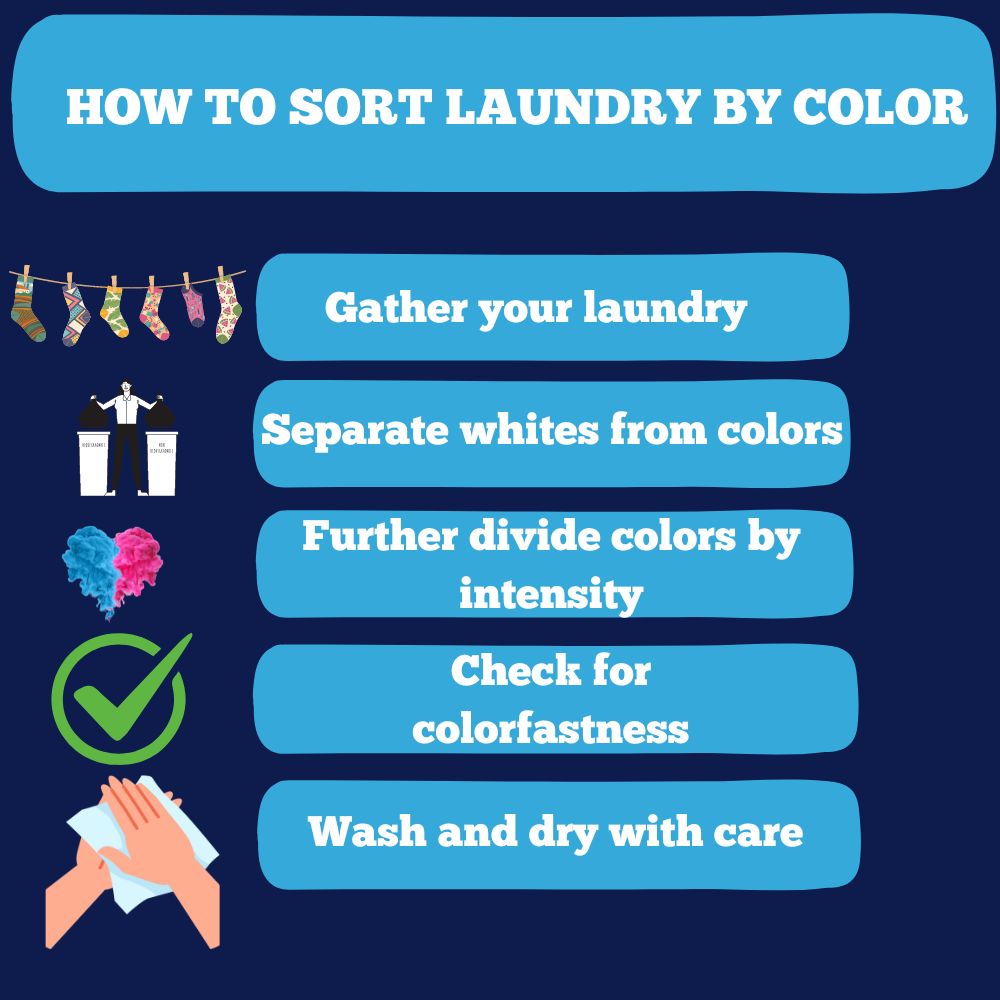
Proper sorting is your first defense against fabric damage and color bleeding. Taking a few minutes to separate laundry properly saves you from ruined clothes and multiple wash cycles.
Separate Lights, Darks, and Whites
Mixing colors can lead to dye transfer, especially with new or bright garments. Always divide laundry into three main groups: whites, darks, and colors. Wash whites separately to maintain brightness. Keep reds, oranges, and yellows apart from blues and greens, as these dyes are more likely to bleed. For the first few washes, launder new colored items alone to catch excess dye.
Group by Weight and Material
Heavy fabrics like towels and jeans can damage delicate items like lingerie or synthetic blends. Sort by fabric type cottons together, synthetics together and match weights. This prevents wear and tear and ensures even cleaning. Delicates should go in a mesh bag and use a gentle cycle.
Check Pockets and Fasten Closures
Empty all pockets to avoid damage from forgotten items like keys or tissues. Close zippers, fasten hooks, and tie loose strings. This prevents snagging and protects both clothes and the machine’s drum.
Load the Drum Correctly
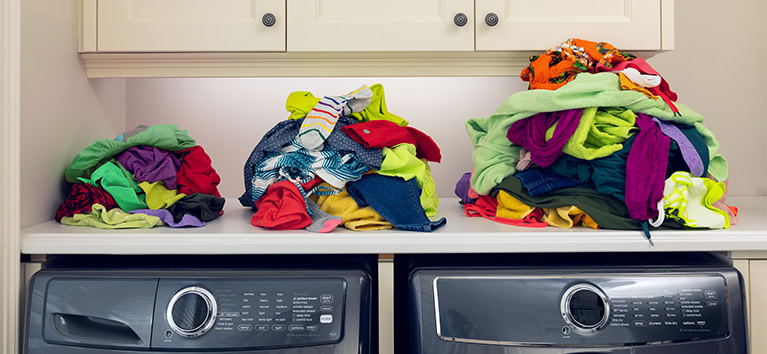
How you load your top loader directly affects cleaning performance and machine longevity. Follow these guidelines to get the best results every time you use a top loader washing machine.
Place Bulky Items First
Start by adding larger, heavier items towels, jeans, or bedding around the agitator or impeller. This creates a stable base. Avoid placing anything on top of the agitator plate or blocking the wash plate in impeller models.
Add Smaller Garments Evenly
Layer shirts, socks, and lighter clothes over the bulky items. Distribute them in loose heaps around the center post. Never cram clothes tightly this restricts movement, reduces cleaning, and causes imbalance.
Never Overload the Machine
Fill only up to three-quarters full. A medium load fills half the drum; a large load reaches about 75%. Overloading prevents water and detergent from circulating, leads to poor rinsing, and strains the motor. If the clothes sit above the top of the basket, remove a few items.
Add Detergent and Cleaning Boosters
:max_bytes(150000):strip_icc()/Adding-Detergent-to-a-HE-washer-02-a9e5b69c3b914a44aa1bb46f56b42eab.jpg)
Using the right detergent and additives in the correct amounts ensures thorough cleaning without residue or damage. This step is crucial when you learn how to use a top loader washing machine effectively.
Choose the Right Detergent Type
Top loaders accept liquid, powder, pods, or sheets. Choose High-Efficiency (HE) detergent if your machine is HE-rated. Non-HE detergents produce too many suds, which can reduce cleaning and leave residue.
Apply Detergent Correctly
If your washer has a dispenser drawer, pour liquid or powder into the main wash compartment. For models without a dispenser, add detergent directly to the drum before loading clothes. This ensures it dissolves and spreads evenly.
Handle Pods and Sheets Properly
Place detergent pods or sheets at the bottom of the empty drum before adding laundry. Never drop them on top of clothes or into a liquid dispenser they will not dissolve properly and may stain fabrics.
Add Softener and Bleach in Designated Spots
Fabric softener goes in the dedicated dispenser often on the agitator or in the drawer. Never pour it directly on clothes. Liquid bleach must go only in the bleach compartment. If no dispenser exists, add bleach during the wash cycle never mix it with detergent or other cleaners.
Select the Right Wash Cycle

Choosing the appropriate cycle ensures your clothes get cleaned effectively without unnecessary wear. This is a key part of learning how to use a top loader washing machine properly.
Match Cycle to Load Type
Match the cycle to your laundry:
• Normal: Everyday cottons, sheets, mixed loads
• Heavy Duty: Muddy work clothes, grimy towels
• Delicates: Lingerie, blouses, sheer fabrics
• Whites: Brighten and sanitize white cottons
• Bulky: Comforters, jackets, rugs
• Quick Wash: Small, lightly soiled loads needing fast refresh
Adjust Water Temperature Accordingly
Hot water works best for whites and sanitizing. Warm water suits most colored cottons. Cold water is ideal for darks, synthetics, and energy savings. It prevents fading and shrinking. Always check care labels if you are unsure.
Set Water Level and Extra Options
Manually select High, Medium, or Low water levels based on load size. Use Deep Fill for heavily soiled or bulky loads needing a full soak. Activate Extra Power if available it boosts cleaning with dual-temperature wash.
Start and Monitor the Cycle
Once you have loaded laundry and selected settings, starting the cycle correctly ensures proper operation. Understanding normal sounds and behaviors helps you identify problems early.
Close Lid and Press Start
Ensure the lid is fully closed most top loaders will not start otherwise. Press the Start/Pause button. You will hear a click as the lid locks, followed by the fill phase.
Recognize Normal Operation
The machine fills, agitates, drains, rinses, and spins. Impeller models may sound louder due to intense spray and motion. Clicking at startup is normal it indicates the lid lock engaging. Avoid opening the lid mid-cycle unless necessary.
Respond to Errors Promptly
If the washer shakes violently, stops, or shows Out of Balance:
• Pause the cycle
• Redistribute clothes evenly around the center
• Avoid washing single heavy items alone add towels to balance the load
Remove and Dry Laundry Promptly
Getting laundry out quickly after the cycle ends prevents problems like mildew and wrinkles. This final step completes your process of using a top loader washing machine correctly.
Transfer Clothes Immediately
Once the cycle ends, remove laundry within 30 minutes. Leaving damp clothes inside promotes mildew, musty odors, and wrinkles.
Check for Residue or Problem Signs
Inspect items for soap residue this means too much detergent was used. If clothes are still wet or tangled, the load was likely unbalanced or overloaded.
Dry According to Care Labels
Air-dry delicates. Use low heat for synthetics. High heat is safe for cotton towels and sheets. Add dryer sheets if desired for softness and static control.
Maintain Your Washing Machine
Regular maintenance keeps your top loader running smoothly and extends its lifespan. Simple habits prevent costly repairs and keep your machine fresh.
Clean the Drum Monthly
Run an empty cycle with hot water and 1 cup of white vinegar or a washer cleaner. This removes mold, soap scum, and odors. Wipe the lid, rim, and dispenser with a damp cloth weekly.
Inspect Hoses and Leveling Feet
Check inlet hoses for cracks or leaks every few months. Ensure all leveling feet are locked and the machine sits flat. A wobbly washer damages floors and shortens lifespan.
Prevent Mold and Odors
Leave the lid open after use to air out moisture. Never use more detergent than needed excess builds up and traps bacteria.
Troubleshoot Common Problems
Knowing how to diagnose and fix typical issues makes you a pro at using your top loader washing machine. Most problems have simple solutions.
Washer Will Not Start
Check these common causes:
• Lid not closed: Push down firmly until it clicks
• Power issue: Check outlet and circuit breaker
• Delay start active: Cancel if unintentional
Poor Cleaning Results
This usually stems from:
• Overloaded drum: Reduce load size
• Wrong cycle: Use Heavy Duty for dirty clothes
• Low detergent: Increase dose slightly, especially in hard water
Clothes Have Residue
Residue indicates:
• Too much detergent: Use less switch to HE formula
• Clogged dispenser: Clean drawer monthly
• Insufficient rinse: Select extra rinse option if available
Excessive Vibration or Noise
Address these causes:
• Unbalanced load: Redistribute laundry
• Uneven floor: Adjust leveling feet
• Machine touching wall: Leave 2 to 3 inches of clearance
Water Not Filling
Check these potential issues:
• Hoses kinked or blocked: Straighten and flush
• Inlet valves off: Confirm water supply is open
• Filter clogged: Clean screens on hose connectors
Frequently Asked Questions About Top Loader Washing Machines
What is the proper way to load a top loader washing machine?
Load bulky items like towels and jeans first around the agitator or impeller. Add smaller garments in loose heaps around the center. Never fill the drum more than three-quarters full, and avoid placing items directly on top of the agitator plate.
How much detergent should I use in a top loader?
Use the amount recommended on the detergent packaging based on load size and soil level. For HE machines, always use HE detergent. Start with the minimum and adjust as needed too much detergent causes residue buildup.
Can I use regular detergent in a top loader washing machine?
If your machine is High-Efficiency rated, use only HE detergent. Non-HE detergents create excess suds that reduce cleaning performance and can damage the machine. Check your owner’s manual to confirm your machine type.
Why does my top loader shake violently during spin?
An unbalanced load causes violent shaking. This happens when heavy items are washed alone or when clothes are packed too tightly. Pause the cycle, redistribute clothes evenly, and add lighter items to balance the load.
How often should I clean my top loader washing machine?
Run a cleaning cycle with vinegar or washer cleaner monthly. Wipe the lid, rim, and dispenser weekly. Leave the lid open between loads to prevent mold and odors from developing.
Key Takeaways for Using Your Top Loader Washing Machine

Using a top loader washing machine correctly starts with smart sorting and ends with prompt unloading and regular maintenance. By following these steps loading loosely, dosing detergent accurately, choosing the right cycle, and maintaining your machine you will get cleaner clothes, avoid costly repairs, and make every wash day easier.
The most important rules to remember are: never overload beyond three-quarters full, use HE detergent in appropriate amounts, and balance heavy items with lighter fabrics. Leave the lid open after use to prevent mold, and clean your machine monthly to keep it running efficiently.
Always refer to your owner’s manual for model-specific features and settings. Now that you know how to use a top loader washing machine like a pro, laundry day just got a whole lot simpler.