You’ve just finished a laundry cycle, only to find the door won’t open. No amount of pulling or button-pressing helps. The machine is silent, the drum is still, but the door remains stubbornly locked. It’s a common household frustration that can quickly turn into a crisis if wet clothes start to smell or you need the washer immediately.
The good news is most locked washing machine doors can be safely unlocked without professional help. Modern washers use electronic and mechanical safety locks to prevent flooding, injury, or steam burns, which is why they won’t open mid-cycle or when full of water. This guide walks you through proven methods to unlock your washing machine, from simple resets to manual release techniques and water drainage procedures.
Wait for the Safety Delay First

Most locked doors aren’t broken. They are just waiting.
Modern washing machines enforce a two to three minute safety cooldown period after the cycle ends. This delay allows the drum to stop spinning completely, steam to dissipate, and internal pressure to equalize. During this time, the door lock remains engaged even if the timer reads zero.
Even if the drum appears empty, do not force the door open. The control board may still be verifying safe conditions. Wait at least two to three minutes after the cycle ends before attempting to open the door. If the washer was paused during filling, wait one minute before trying again.
Check for Child Lock Activation
A surprisingly common cause of a stuck door is the child lock feature.
This safety mode disables the control panel and often locks the door to prevent children from opening it. It is usually indicated by a key or lock symbol illuminated on the display.
To disable child lock, press and hold the Child Lock button for two to three seconds. On some models including Samsung, Whirlpool, and LG, press and hold Start/Pause plus Delay Start for three seconds. The lock symbol should disappear, and the door should unlock. If the display is unresponsive, try a power reset first.
Perform a Power Reset
A frozen control board can prevent the unlock signal from firing, leaving the door locked even after the cycle ends.
A power reset clears temporary software glitches and forces the system to recheck door safety conditions.
To reset your washer, unplug the machine or turn off the circuit breaker. Wait ten seconds, or up to two minutes for older models, to allow capacitors to discharge and the lock to cool. Restore power and turn the machine back on. Wait one to two minutes, then try opening the door.
This simple fix resolves over fifty percent of locked door issues caused by software hiccups or power surges.
Drain Remaining Water
If the drum still has water, the door will not unlock. It is a built-in safety feature. The pressure switch detects water and keeps the lock engaged to prevent flooding.
To drain the water, select Spin or Drain from the cycle menu. Start the cycle, and the pump should remove the water. Once complete, wait two to three minutes and try opening the door. If the machine will not start a cycle, manually drain the water using the pump filter.
Manually Drain via Pump Filter

When the washer will not drain on its own, remove water manually using the pump filter access.
You will need a shallow tray or large bowl, towels, and a bucket if using the emergency hose.
Place towels beneath the front lower panel. Open the filter cover, usually bottom right or left. Check for an emergency drain hose. If present, pull it out, remove the cap, and drain into a bucket. If no hose exists, slowly unscrew the pump filter. Water will spill out, so control the flow with your tray.
Remove debris such as coins, socks, or hair ties from the filter and pump chamber. Reinstall the filter tightly and close the cover. Once the water is gone, the door should unlock automatically.
Use the Manual Door Release Tab
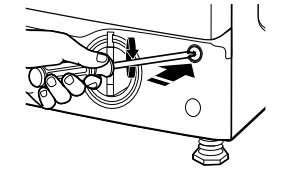
Many front loaders have a hidden manual release for emergencies.
This is your go-to method when power resets and draining fail.
The release is typically located behind the bottom filter cover on Whirlpool, Samsung, LG, and Bosch models. Some Bosch seamless models have it under a small front flap. Hotpoint models may have it along the door edge.
Open the filter door or kick-plate. Look for a red or black tab or a small flap. Insert a flat-head screwdriver and pull the tab down. You will hear a click, and the door should now open.
On Bosch models, use the screwdriver to lift a small flap at the base, then pull the hidden tab downward.
Try the Credit Card Method
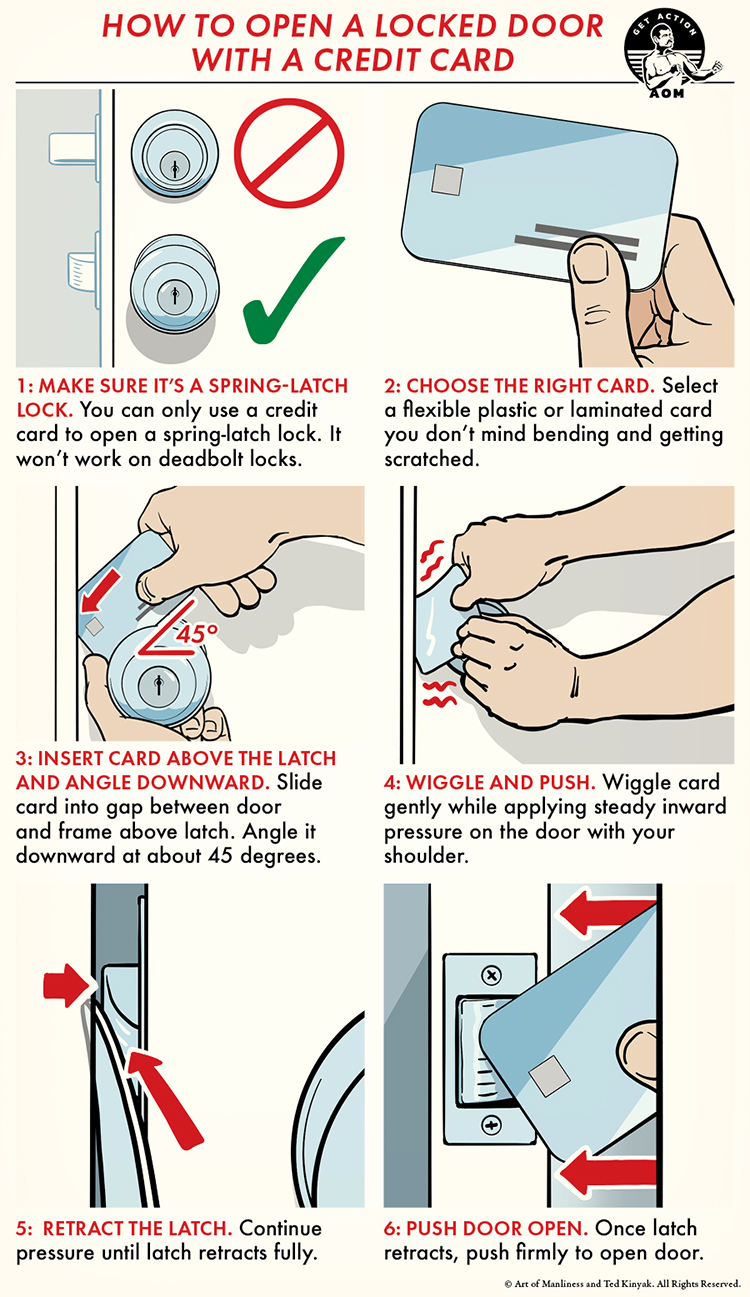
For older or simpler latch designs, a credit card can help release the lock.
This works best on models with a basic mechanical catch, not modern sealed units.
Insert the card into the gap between the door and frame on the latch side. Slide it down toward the lock mechanism. Gently twist or push inward to disengage the latch. Pull the door handle at the same time.
Use a loyalty card or gift card. Never force it, as this can damage the seal or latch.
Use the String or Twine Technique

Some front loaders allow you to pull the internal catch free using tension.
You will need strong string, nylon line, or twine, about twelve to eighteen inches long.
Loop the string around the door seal groove. Pull it tight against the door edge. Wrap the ends around your hand and tug firmly downward. The tension may pull the latch open.
This method requires patience and a snug fit. It will not work on all models.
Tap the Door Gently
A stuck latch or jammed interlock can sometimes be freed with vibration.
Use the palm of your hand to gently tap around the door edges. Focus on the latch side, usually top left. Tap five to six times, then try the handle.
Avoid using hammers or metal tools, as you could damage internal components.
Diagnose the Real Problem
If none of the above methods work, a component has likely failed.
Use these symptoms to identify the cause.
Water in the drum that will not drain indicates a clogged filter or failed pump. Clean the filter and check the hose for kinks.
No water present but the cycle is done and the door is still locked suggests a faulty pressure switch. Test or replace the switch.
A clicking sound at the door means the lock assembly is failing. Replace the door lock motor.
No lights and no response indicates control board failure. Call a technician.
A loose or broken handle means internal handle breakage. Replace the handle mechanism.
A burning smell or melted plastic signals an electrical short. Stop immediately, unplug the machine, and call a professional.
Brand-Specific Unlocking Tips
Samsung washers feature a door lock light. If it is off, the washer has drained. Use the emergency drain hose behind the filter. Ensure the machine is not locked via the SmartThings app.
Bosch and Siemens models require opening the bottom flap and pulling the red release tab down with a screwdriver. Seamless fronts hide the tab, so look closely.
Whirlpool and LG washers have a standard pull-down tab behind the filter cover. Child lock is disabled by holding a specific button for three seconds.
Hotpoint models may have small plastic tabs on the door edge. Press down with a screwdriver to release.
Fisher and Paykel machines require consulting the manual for unique interfaces. Power reset and drain methods still apply.
Prevent Future Lockups
Avoid repeat issues with simple maintenance.
Clean the pump filter monthly. This removes debris that blocks drainage and prevents false water detected signals.
Wipe the door seal weekly. This prevents mold, soap scum, and residue buildup while ensuring smooth latch operation.
Do not overload the drum. Overloading strains the pump and can trigger mid-cycle halts, leaving clothes wet and the door locked.
Address slow draining early. If water takes longer to drain, clean the filter now. Do not wait for a lockup.
Test the door monthly. After a cycle, verify the door unlocks smoothly. Catch misalignment or wear before it becomes a problem.
When to Call a Technician
Seek professional help if all methods fail after draining and resetting. Call immediately if you see melted plastic, sparks, or smell burning.
The door clicking but not releasing means the lock motor may be failing. The machine not starting cycles or draining slowly every time indicates a deeper problem.
If the washer is under warranty, forcing the door may void coverage. A technician can test the door lock assembly, pressure switch, and control board with a multimeter and replace faulty parts safely.
Frequently Asked Questions About Unlocking a Washing Machine
Why won’t my washing machine door open after the cycle ends?
The door may remain locked due to the two to three minute safety delay that allows the drum to stop spinning and steam to dissipate. There may also be water still in the drum, triggering the safety lock. Child lock may be activated, or the control board may have a software glitch.
Can I force the door open on my washing machine?
No. Forcing the door open can permanently damage the latch, handle, door frame, or internal locking mechanism. It may also cause sudden movement leading to injury. Always use the proper troubleshooting methods first.
How do I drain water from my washing machine to unlock the door?
Access the pump filter at the bottom front of the machine. Place towels beneath it, then either use the emergency drain hose or slowly unscrew the filter to release water into a tray. Once drained, the door should unlock automatically.
Where is the manual door release tab on my washing machine?
The manual release tab is typically located behind the bottom filter cover on most front loader brands including Samsung, LG, Whirlpool, and Bosch. Look for a red or black tab that can be pulled with a flat-head screwdriver.
What does it mean if my washing machine door clicks but won’t open?
A clicking sound at the door usually indicates a failing lock assembly. The motor in the lock is trying to engage or disengage but lacks the torque or alignment to complete the action. This typically requires replacing the door lock motor.
Key Takeaways for Unlocking Your Washing Machine
A locked washing machine is rarely a permanent failure. It is usually a safety system doing its job, designed to prevent flooding and injury. By following these steps in order, you can unlock your washer safely and avoid costly damage.
Always start with the simplest solutions. Wait for the safety delay, check for child lock, and perform a power reset before attempting more invasive methods. These resolve over fifty percent of locked door issues.
If water remains in the drum, drain it manually through the pump filter before doing anything else. The door will not unlock until the pressure switch confirms the water level is safe.
Use the manual release tab behind the filter cover as your go-to emergency method. It works on most front loader brands and requires no special skills.
With regular maintenance, most lockups are preventable. Keep the filter clean, the seal dry, and the load balanced. Test the door monthly to catch misalignment or wear early.